Surgical Laser Cutting Machine
CN → US| HS Code | Tariff Rate | Origin | Destination | Doc |
|---|---|---|---|---|
| 8456111050 | 38.5% | CN | US | Official Doc |
| 8456111010 | 38.5% | CN | US | Official Doc |
| 9018907560 | 10.0% | CN | US | Official Doc |
| 9018906000 | 35.0% | CN | US | Official Doc |
Product Images
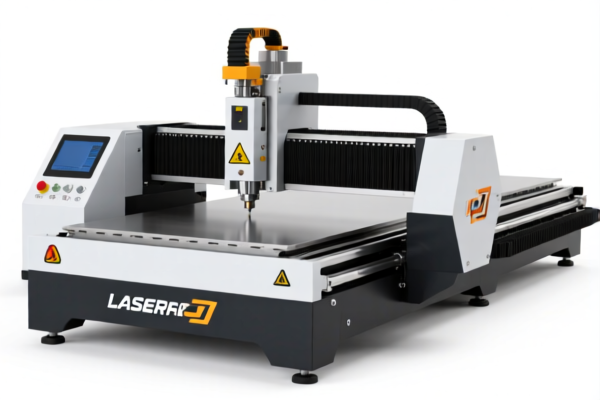
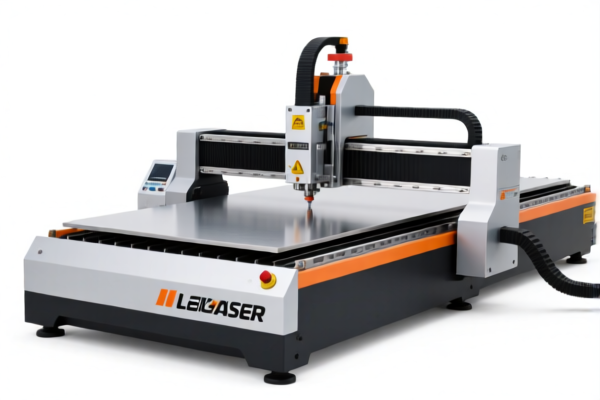
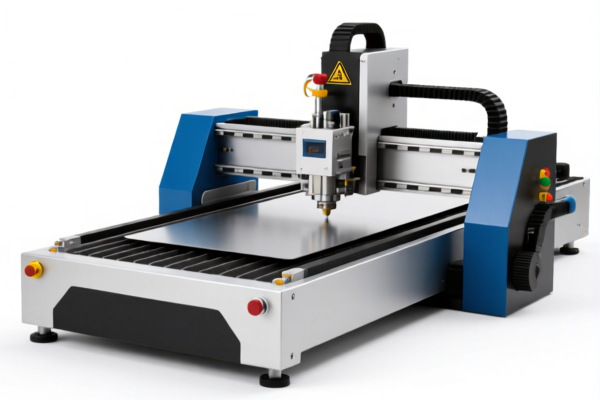
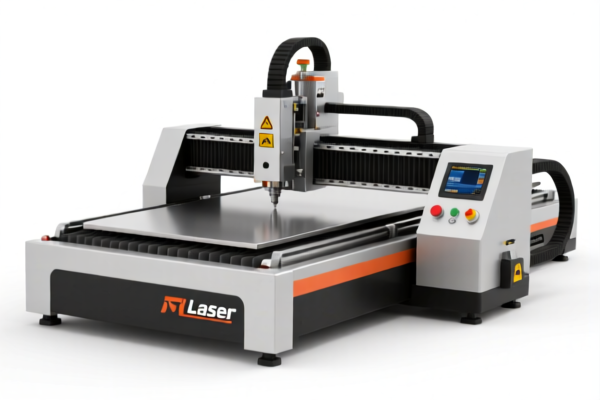
AI Analysis
✂️ Surgical Laser Cutting Machine (Medical Lasers)
🌐 HS Code Reference & Customs Clearance Guide | 2026 Latest Tariff Analysis | Professional Clearance Strategy
📌 I. Product Definition & Classification: What Exactly is a "Surgical Laser" ?
A Surgical Laser Cutting Machine is a specialized medical device that uses high-intensity laser beams to cut, ablate, or coagulate biological tissue. Unlike industrial lasers used for metal or wood, these devices are classified under Chapter 90 (Optical, Photographic, Cinematographic, Measuring, Checking, Precision, Medical or Surgical Instruments) because their primary purpose is therapeutic or diagnostic, not material processing.
⚠️ Critical Distinction:
- If the device is designed for cutting metal/plastic → It is an Industrial Machine Tool (Chapter 84).
- If the device is designed for cutting human/animal tissue → It is a Medical Instrument (Chapter 90).
- Misclassification Risk: Declaring a medical laser as an industrial machine to avoid high tariffs is considered customs fraud and can lead to seizure, heavy fines, and blacklisting.
📦 II. HS Code Classification Details (2026 Latest Tariff Authority)
Based on the provided data, the classification depends heavily on whether customs views the device as a pure medical instrument or a machine tool repurposed for medical use. There is a significant tax disparity between these two interpretations.
| HS Code | Product Description | Application Scenario | Tax Implication |
|---|---|---|---|
9018.90.75.60 |
Surgical Laser Knife, classified as therapeutic instruments and apparatus | Dedicated medical lasers for surgery (cutting/coagulation) | ✅ Lowest Tax (10.0%) |
9018.90.60.00 |
Surgical Laser Knife, categorized under electric surgical apparatus | Electrically driven surgical tools | ⚠️ High Tax (35.0%) due to Section 301 tariffs |
8456.11.10.10 |
Laser Cutting Machine, matched for CNC metal machining | Industrial laser cutter used in medical device manufacturing | ❌ Highest Tax (38.5%) – High risk if misdeclared |
8456.11.10.50 |
Laser Cutting Machine, other machine tools | General industrial laser cutting (metal removal) | ❌ Highest Tax (38.5%) – Do not use for medical devices |
8456.11.10.10 |
Surgical Laser Knife, purpose inferred as laser processing | Incorrect Classification: Treating medical laser as industrial | ❌ Highest Tax (38.5%) – High audit risk |
🔍 Key Insight:
-9018.90.75.60is the only code that offers a 10% total tax rate. This is the preferred and correct classification for devices specifically designed and marketed for surgical procedures. - Codes starting with8456are for industrial machine tools. Using them for medical lasers may trigger an immediate audit because the use case (biology) does not match the HS chapter (machinery).
💰 III. 2026 Latest Tariff Rate Breakdown (Detailed Tax Clauses)
✅ Applicable Country: United States (US)
✅ Origin: China (CN)
✅ Effective Date: Nov 10, 2025 (and ongoing)
🎯 1. 9018.90.75.60 – Surgical Laser Knife (Therapeutic Instruments) 🏆 RECOMMENDED
| Item | Details |
|---|---|
| Base Rate | 0.0% |
| Section 301 Additional Tariff | 0.0% (Exempt or not applicable for this specific subheading) |
| 122 Clause Tariff (IEEPA) | +10% (122 Section Tariff applicable to certain Chinese medical tech) |
| Total Tax Rate | 10.0% |
| Tax Calculation | CIF Value × 10% |
| De Minimis Eligibility | ❌ No (Medical devices generally excluded from de minimis) |
| Legal Authority Path | IEEPA:9903.01.25 → USITC:9018.90.75.60 → SECTION 122 |
📌 Explanation:
- This is the most cost-effective classification.
- The 10% comes from the 122 Clause (likely referring to specific IEEPA provisions for Chinese tech/medical goods).
- No 25% Section 301 tariff applies to this specific medical subheading, making it significantly cheaper than industrial lasers.
🎯 2. 9018.90.60.00 – Surgical Laser Knife (Electric Surgical Apparatus) ⚠️ HIGH COST
| Item | Details |
|---|---|
| Base Rate | 0.0% |
| Section 301 Additional Tariff | +25.0% |
| 122 Clause Tariff (IEEPA) | +10% |
| Total Tax Rate | 35.0% |
| Tax Calculation | CIF Value × 35% |
| De Minimis Eligibility | ❌ No |
| Legal Authority Path | IEEPA:9901.25 → IEEPA:9903.01.24 → USITC:9018.90.60.00 → FOOTNOTE:301 |
📌 Warning:
- Although still a medical device (Chapter 90), this subheading attracts the full 25% Section 301 tariff plus the 10% IEEPA tariff.
- This results in a 3.5x higher tax burden compared to9018.90.75.60.
- Avoid this code unless your product clearly fits "electric surgical apparatus" but not "therapeutic instruments."
🎯 3. 8456.11.10.10 / 8456.11.10.50 – Industrial Laser Cutting Machines ❌ DO NOT USE FOR MEDICAL
| Item | Details |
|---|---|
| Base Rate | 3.5% |
| Section 301 Additional Tariff | +25.0% |
| 122 Clause Tariff (IEEPA) | +10% |
| Total Tax Rate | 38.5% |
| Tax Calculation | CIF Value × 38.5% |
| De Minimis Eligibility | ❌ No |
| Legal Authority Path | IEEPA:9903.01.25 → IEEPA:9903.01.24 → USITC:8456.11.10.x0 → FOOTNOTE:301 |
📌 Critical Risk:
- 38.5% is the highest rate in the dataset.
- Misclassification Danger: If you declare a medical laser as an industrial laser (8456), customs may:
1. Audit you for under-declaring (if you paid 10% but should pay 38.5%).
2. Penalize you for misrepresenting the product’s primary function.
3. Seize goods if the use case (biology) contradicts the HS code (machinery).
🛠️ IV. Customs Clearance Practical Advice (Pitfall Avoidance Guide)
✅ 1. Documentation Checklist (Mandatory)
| Document | Required? | Purpose |
|---|---|---|
| ✅ FDA 510(k) Clearance or PMA | ✔️ YES | Proves the device is approved for medical/surgical use, supporting 9018 classification. |
| ✅ Product Brochure/Instructions | ✔️ YES | Must explicitly state "For Surgical Use" or "Medical Laser". |
| ✅ Technical Specifications | ✔️ YES | Detail wavelength, power output, and intended biological target. |
| ✅ Commercial Invoice | ✔️ YES | Clearly state: "Surgical Laser Cutter for Medical Use, HS 9018.90.75.60" |
| ✅ Country of Origin Certificate | ✔️ YES | To determine eligibility for any potential exemptions (though unlikely for China origin). |
| ✅ FCC Part 15 Certification | ✔️ YES | Required for electronic devices emitted in the US. |
✅ 2. Declaration Strategy (Key Tips)
🔥 Golden Rule:
"Use Case Defines Classification. Medical Intent = Chapter 90. Industrial Intent = Chapter 84."
| Scenario | Correct Declaration | Risk Level |
|---|---|---|
| Dedicated Surgical Laser | HS: 9018.90.75.60Name: "Surgical Laser Device for Tissue Ablation" |
✅ Lowest Cost & Risk |
| Industrial Laser Marked for Hospital | HS: 8456.11.10.10Name: "Laser Cutter for Metal" |
❌ High Risk: Customs will inspect and likely reclassify based on use, leading to penalties. |
| Dual-Use Laser (Medical + Industrial) | Consult Customs Broker | ⚠️ Medium Risk: Provide detailed justification for primary use. |
✅ 3. Special Considerations
| Issue | Solution |
|---|---|
| FDA Approval Missing | Without FDA clearance, customs may doubt the "medical" claim and default to industrial rates (8456) or detain the goods. |
| Component Imports | If importing only laser heads or cables, they may fall under 9018.90.80 (parts). Ensure they are not classified as industrial machine parts. |
| Training Materials | Include surgical training manuals in the shipment to reinforce the medical nature of the device. |
🌍 V. Global Market Comparison (2026 Update)
| Region | Recommended HS Code | Tax Rate (China Origin) | Key Requirement |
|---|---|---|---|
| 🇺🇸 USA | 9018.90.75.60 |
10.0% | FDA 510(k) + IEEPA Compliance |
| 🇨🇳 China | 9018.90.75.60 |
0% (Import Duty) | NMPA Registration |
| 🇪🇺 EU | 9018.41.00 |
0% (if CE marked) | CE Marking + MDR Compliance |
| 🇬🇧 UK | 9018.41.00 |
0% | UKCA Marking |
| 🇯🇵 Japan | 9018.41.00 |
0% | PMDA Approval |
📌 Conclusion:
- The USA has unique and aggressive tariff structures (122 Clause + 301 Tariff).
- Correctly classifying as9018.90.75.60saves 28.5% compared to industrial classification.
- Do not cut corners on documentation; medical devices face strict scrutiny.
📌 VI. Common Mistakes & Pitfalls (Lessons Learned)
❌ Mistake 1: Declaring a Surgical Laser as an "Industrial Laser Cutter" to avoid medical regulations.
👉 Result: Goods detained at border; FDA and CBP joint investigation; potential seizure.
❌ Mistake 2: Using 9018.90.60.00 (Electric Surgical) for a laser device.
👉 Result: Paying 35% tax instead of 10%. No added value for customs clarity.
❌ Mistake 3: Omitting "Surgical" or "Medical" in the product description.
👉 Result: Customs assumes industrial use → Classifies under 8456 → Charges 38.5% + penalties.
✅ Correct Practice:
"Surgical Laser System, Class IV, For Soft Tissue Cutting, FDA Cleared, Model XYZ, HS 9018.90.75.60"
🎯 VII. Conclusion: Precision Classification, Maximum Savings!
🎯 Remember the Golden Ratio:
🔹 Medical Intent =
9018.90.75.60= 10% Tax
🔹 Industrial Intent =8456.11.10.xx= 38.5% Tax
🔹 Wrong Medical Code =9018.90.60.00= 35% Tax
📌 Pro Tip:
Always secure FDA 510(k) clearance before shipment. This is your strongest evidence for the 10% tax rate. Without it, you risk being reclassified and paying nearly 4x the tax.
📣 Immediate Action:
📞 Contact a Licensed Customs Broker
📄 Prepare FDA Documents + Product Specs
🚀 Apply for an Advance Ruling if unsure
💼 Save 28.5% in Tariffs by Getting the HS Code Right!
✨ Smart Clearance, Higher Profits!
💼 Every Percent Saved is Pure Profit!
Customer Reviews
About HS Code Classification
The Harmonized System (HS) is an internationally standardized nomenclature developed by the World Customs Organization (WCO) to classify traded products. Over 200 countries use the HS system as the basis for customs tariffs, trade statistics, and import/export regulations.
Each HS code follows a hierarchical structure:
- Chapter (2 digits) — Broad category of goods (e.g., Chapter 84: Machinery and Mechanical Appliances)
- Heading (4 digits) — More specific grouping within the chapter
- Subheading (6 digits) — Internationally standardized breakdown, used by all WCO member countries
- National subdivisions (8-10 digits) — Country-specific extensions for further classification, such as US HTSUS 10-digit codes
Correct HS code classification is essential for smooth customs clearance, accurate duty payment, and compliance with trade regulations. Misclassification can lead to customs delays, overpayment of duties, or penalties.
When importing from CN to US, the applicable tariff rates may include:
- Most-Favored-Nation (MFN) rate — The standard duty rate applied to WTO members
- General rate — Applied to countries without trade agreements
- Trade remedy duties — Additional tariffs such as Section 301 (anti-dumping), Section 232 (national security), or countervailing duties
The information provided on this page is for reference purposes only. For official classification, please consult with your local customs authority or a licensed customs broker.