Sushi Set
CN → US| HS Code | Tariff Rate | Origin | Destination | Doc |
|---|---|---|---|---|
| 4419120000 | 13.2% | CN | US | Official Doc |
| 4419110000 | 13.2% | CN | US | Official Doc |
| 4823610020 | 35.0% | CN | US | Official Doc |
| 4823690020 | 35.0% | CN | US | Official Doc |
| 7323930080 | 62.0% | CN | US | Official Doc |
| 7323999030 | 88.4% | CN | US | Official Doc |
Product Images
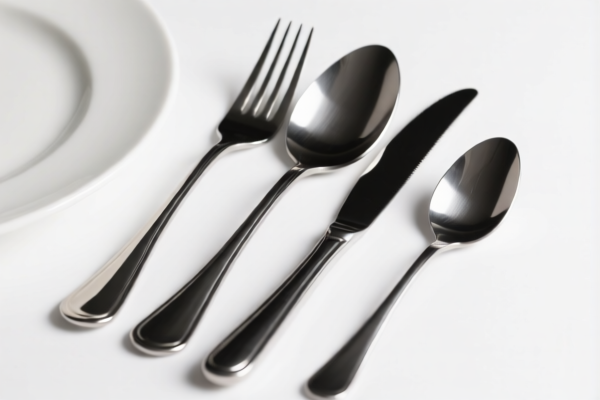
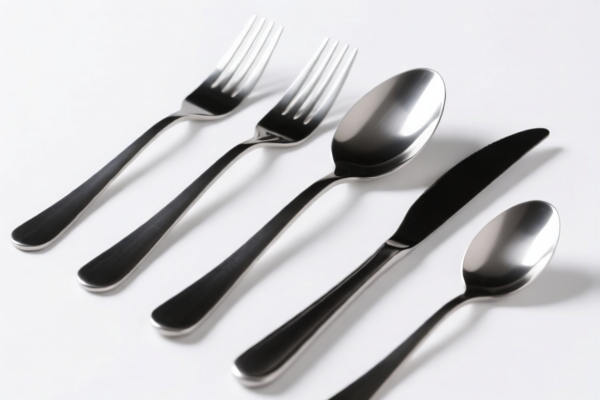
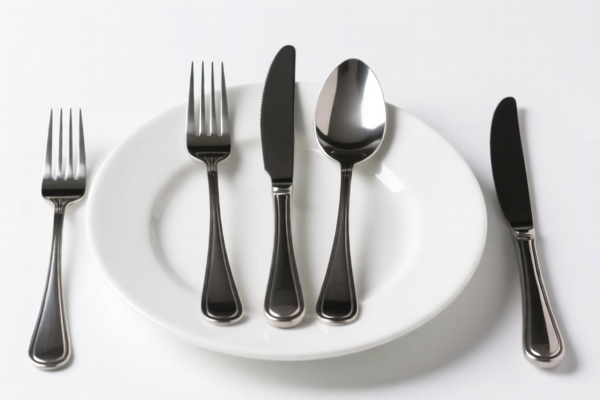
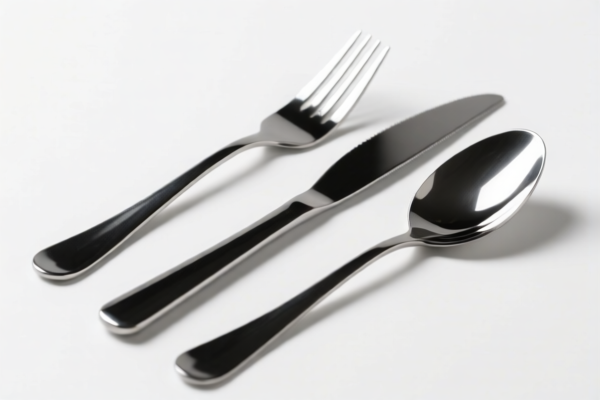
AI Analysis
🍣 Sushi Set (Kitchen/Tableware Articles)
🌐 HS Code Reference & Customs Clearance Guide | 2026 Latest Tariff Analysis | Professional Clearance Strategy
📌 One, Product Definition and Classification: Do You Really Know a “Sushi Set”?
A "Sushi Set" in international trade is not a single unified product but a collection of articles primarily used for serving or preparing sushi. It typically includes: 1. Cutlery: Chopsticks. 2. Serving Ware: Platters, bowls, plates. 3. Tools: Chopping boards, trays, or containers.
The critical factor for customs classification is the material of these items. Misclassification leads to massive tariff discrepancies (from 0% to 78.4%).
⚠️ Key Distinction:
- If the set contains wood/bamboo items (chopsticks/boards): Tariff is 0%.
- If the set contains stainless steel items (bowls/pots): Tariff is 52.0%.
- If the set contains paper/bamboo fiber containers: Tariff is 0% - 25.0%.
- You cannot combine different materials into one HS Code. Each item type must be declared separately according to its material.
📦 Two, HS Code Classification Details (2026 Latest Tariff Authority)
| HS Code | Product Description | Material Type | Tariff Rate (China Origin to US) |
|---|---|---|---|
| 4419.12.00.00 | Tableware and kitchenware, of wood: Of bamboo: Chopsticks | Bamboo/Wood | 0.0% |
| 4419.11.00.00 | Tableware and kitchenware, of wood: Of bamboo: Bread boards, chopping boards | Bamboo/Wood | 0.0% |
| 7323.93.00.80 | Table, kitchen or other household articles... of iron or steel...: Of stainless steel (Other) | Stainless Steel | 52.0% |
| 7323.99.90.30 | Table, kitchen or other household articles...: Other Kitchen or tableware suitable for food or drink contact | Iron/Steel (Not Stainless) | 78.4% |
| 4823.61.00.20 | Trays, dishes... of paper or paperboard: Of bamboo (Cups and round nested food containers) | Bamboo Fiber/Paper | 0.0% |
| 4823.69.00.20 | Trays, dishes... of paper or paperboard: Other (Cups and round nested food containers) | Paper/Cellulose | 25.0% |
🔍 Focus Alert:
- "Sushi Set" is not a valid HS Code description. You must break it down by material. - Stainless Steel (7323.93.00.80) attracts a heavy 52% duty due to "Steel, Aluminum, Copper Products Additional Tariff: 50%". - Wood/Bamboo (4419.11/12) is tax-free (0%). This is the most common and cost-effective material for sushi sets.
💰 Three, 2026 Latest Tariff Rate Details (Including Surcharges)
✅ Applicable Country: USA (US)
✅ Origin: China (CN)
✅ Effective Time: 2025/2026 Tariff Schedule
🎯 1. 7323.93.00.80 —— Stainless Steel Kitchen/Tableware
| Item | Content |
|---|---|
| Base Tariff | 2.0% |
| Additional Tariff | 50.0% (Steel, Aluminum, Copper Products Additional Tariff) |
| Total Tariff | 52.0% |
| Tax Calculation | CIF Value × 52.0% |
| De Minimis Exemption? | ❌ No |
| Legal Basis Path | Base Tariff → Steel/Al/Cu Additional Tariff Clause |
📌 Explanation:
- Stainless steel items (bowls, pots, trays) are heavily taxed. - The 50% surcharge is applied specifically to steel, aluminum, and copper products. - Total Cost Impact: High. A $100 stainless steel sushi set incurs $52 in duties alone.
🎯 2. 7323.99.90.30 —— Non-Stainless Steel Kitchen/Tableware
| Item | Content |
|---|---|
| Base Tariff | 3.4% |
| Section 301 Tariff | 25.0% |
| Additional Tariff | 50.0% (Steel, Aluminum, Copper Products Additional Tariff) |
| Total Tariff | 78.4% |
| Tax Calculation | CIF Value × 78.4% |
| De Minimis Exemption? | ❌ No |
📌 Warning:
- If the steel is not stainless (e.g., coated or plated), the tariff jumps to 78.4%. - This is the highest risk category. Avoid non-stainless steel if possible.
🎯 3. 4419.12.00.00 & 4419.11.00.00 —— Bamboo/Wood Chopsticks & Boards
| Item | Content |
|---|---|
| Base Tariff | 0.0% |
| Additional Tariff | 0.0% |
| Total Tariff | 0.0% |
📌 Advantage:
- Bamboo and wood products are completely tax-free. - This is the preferred material for sushi sets to minimize cost.
🎯 4. 4823.61.00.20 —— Bamboo Fiber Paper Containers
| Item | Content |
|---|---|
| Base Tariff | 0.0% |
| Additional Tariff | 0.0% |
| Total Tariff | 0.0% |
📌 Note:
- Eco-friendly bamboo fiber disposable containers (cups/nested boxes) are tax-free.
🎯 5. 4823.69.00.20 —— Other Paper Containers
| Item | Content |
|---|---|
| Base Tariff | 0.0% |
| Section 301 Tariff | 25.0% |
| Additional Tariff | 0.0% |
| Total Tariff | 25.0% |
📌 Caution:
- If the paper container is not made of bamboo (e.g., regular pulp), it faces a 25% surcharge.
🛠️ Four, Customs Clearance Practical Advice (Real-World Pitfall Avoidance)
✅ 1. Document Preparation Checklist (All Required)
| Document | Mandatory? | Notes |
|---|---|---|
| ✅ Product Specification Sheet | ✔️ | Must list material composition clearly (e.g., "100% Bamboo Chopsticks," "304 Stainless Steel Bowl"). |
| ✅ Product Photos | ✔️ | Show the items separately if materials differ. Do not just show a "set" photo. |
| ✅ Commercial Invoice | ✔️ | List items by material, not by "Sushi Set." Example: "Bamboo Chopsticks," "Stainless Steel Bowl." |
| ✅ Packing List | ✔️ | Separate quantities by HS Code. |
| ✅ Material Certificate | ✔️ | Critical for wood/bamboo to prove it's not endangered species (FSC certificate recommended). |
✅ 2. Declaration Tips (Key Mantra)
🔥 "Split by Material, Never Mix Codes, Bamboo is Free, Steel is Heavy!"
| Scenario | Correct Declaration | Wrong Practice | Consequence |
|---|---|---|---|
| Sushi Set with Bamboo Chopsticks + Steel Bowl | Declare two lines: 1. HS 4419.12 (Chopsticks) 2. HS 7323.93 (Bowl) |
Declare one line "Sushi Set" under 7323.93 | Over-tax on chopsticks, or Under-tax audit risk on bowl. |
| Disposable Bamboo Containers | HS 4823.61.00.20 | HS 4823.69.00.20 | 25% penalty on 100% of container value. |
| Wooden Chopping Board | HS 4419.11.00.00 | HS 7323.99 (if misidentified as metal) | 78.4% tax instead of 0%. |
✅ 3. Special Case Handling
| Situation | Handling Advice |
|---|---|
| "Set" Packaging | Even if packed together, split the declaration. Customs assesses by material, not by retail packaging. |
| Bamboo vs. Wood | Use "Bamboo" (4419.1x) for 0% tariff. "Wood" (4420/4419.99) may have different rates. Specify "Bamboo" clearly. |
| Stainless Steel Grade | Ensure invoice states "Stainless Steel." If it's just "Metal," it may be classified as non-stainless (78.4%). |
🌍 Five, Global Main Market Clearance Comparison (2026 Latest)
| Country/Region | Recommended HS Code | Tariff (China Origin) | Certification | Notes |
|---|---|---|---|---|
| 🇺🇸 USA | Split by Material | 0% (Bamboo) to 78.4% (Steel) | FDA (if food contact) | Highest risk due to steel surcharges. |
| 🇨🇳 China | Split by Material | Low (1%-13%) | None specific | Import duties vary, but generally lower than US. |
| 🇪🇺 EU | Split by Material | 0% - 6.5% | LFGB (Germany) / EU Food Contact | No Section 301-style surcharges. |
| 🇯🇵 Japan | Split by Material | 0% - 8% | Food Sanitation Act | Strict food contact material testing. |
📌 Conclusion:
- USA is the most challenging market due to 50-78% tariffs on steel. - EU/JP are more favorable with standard low tariffs. - Material Choice is Strategy: Switching from stainless steel to bamboo/paper can save 50%+ in duties.
📌 Six, Common Errors & Pitfall Guide (Blood Lessons)
❌ Error 1: Declaring a "Sushi Set" as a single item under one HS Code.
👉 Consequence: Customs will reject or reclassify. If reclassified as steel, you pay 52-78% on everything, including chopsticks.
❌ Error 2: Labeling "Bamboo Containers" as "Paper Containers."
👉 Consequence: Tax jumps from 0% to 25%.
❌ Error 3: Not specifying "Stainless Steel" on the invoice for steel items.
👉 Consequence: Customs may classify as "Other Iron/Steel" (7323.99), leading to 78.4% tariff instead of 52%.
❌ Error 4: Using "Sushi Set" as the product name without material details.
👉 Consequence: Customs cannot determine HS Code. Delayed clearance, storage fees, or return.
✅ Correct Practice:
"Line 1: Bamboo Chopsticks, HS 4419.12.00.00, Qty: 1000 sets, Value: $500"
"Line 2: Stainless Steel Sushi Bowl, HS 7323.93.00.80, Qty: 500 pcs, Value: $1000"
🎯 Seven, Conclusion: Professional Declaration Saves Money!
🎯 Remember the Mantra:
🔹 "Bamboo is Free, Steel is Heavy, Paper is Mixed, Split is Smart!"
🔹 "HS Code determines life and death, tax difference 50 points, declare wrongly, pay thousands!"
📌 Pro Tip:
If your sushi set is packaged for retail, ensure the inner components are declared separately. Do not declare the packaging material unless it's the primary article.
For food contact items, ensure FDA compliance documentation is ready to avoid inspection delays, even if duties are low.
📣 Immediate Action:
📞 Contact your freight forwarder with itemized material lists.
🚀 Optimize material choice: Choose Bamboo/Wood where possible to enjoy 0% Tariff.
✨ Professional Clearance, Start with Accurate Classification!
💼 Every dollar of duty saved is pure profit!
Customer Reviews
About HS Code Classification
The Harmonized System (HS) is an internationally standardized nomenclature developed by the World Customs Organization (WCO) to classify traded products. Over 200 countries use the HS system as the basis for customs tariffs, trade statistics, and import/export regulations.
Each HS code follows a hierarchical structure:
- Chapter (2 digits) — Broad category of goods (e.g., Chapter 84: Machinery and Mechanical Appliances)
- Heading (4 digits) — More specific grouping within the chapter
- Subheading (6 digits) — Internationally standardized breakdown, used by all WCO member countries
- National subdivisions (8-10 digits) — Country-specific extensions for further classification, such as US HTSUS 10-digit codes
Correct HS code classification is essential for smooth customs clearance, accurate duty payment, and compliance with trade regulations. Misclassification can lead to customs delays, overpayment of duties, or penalties.
When importing from CN to US, the applicable tariff rates may include:
- Most-Favored-Nation (MFN) rate — The standard duty rate applied to WTO members
- General rate — Applied to countries without trade agreements
- Trade remedy duties — Additional tariffs such as Section 301 (anti-dumping), Section 232 (national security), or countervailing duties
The information provided on this page is for reference purposes only. For official classification, please consult with your local customs authority or a licensed customs broker.