Sweatband
CN → US| HS Code | Tariff Rate | Origin | Destination | Doc |
|---|---|---|---|---|
| 6307909891 | 24.5% | CN | US | Official Doc |
| 6117106020 | 27.0% | CN | US | Official Doc |
| 6217108500 | 24.6% | CN | US | Official Doc |
| 6307909884 | 24.5% | CN | US | Official Doc |
| 6217109510 | 32.1% | CN | US | Official Doc |
Product Images
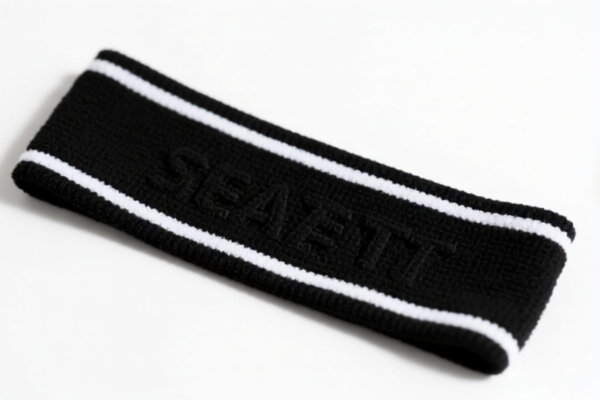
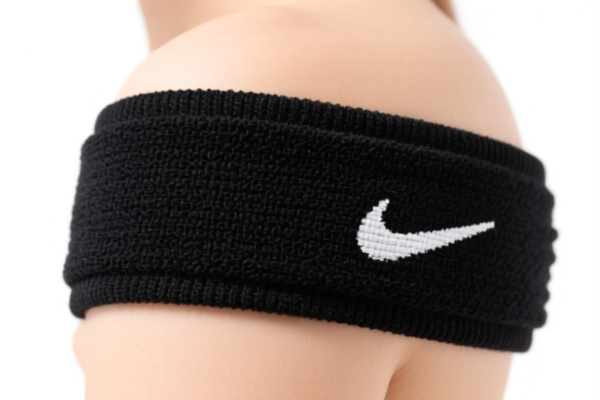
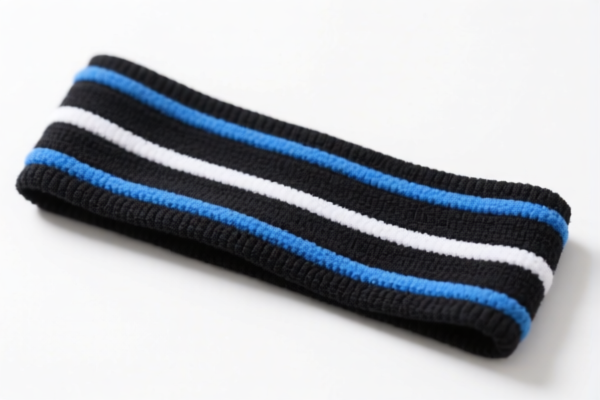

AI Analysis
🧢 Sweatband (Headbands / Wristbands / Athleisure Accessories)
🌐 HS Code Reference & Customs Clearance Guide | 2026 Latest Tariff Analysis | Professional-Level Clearance Strategy
📌 I. Product Definition & Classification: Do You Really Understand "Sweatbands"?
Sweatbands are essential accessories in the athletic and leisure industry, designed to absorb sweat, keep hair out of the face, or provide support to wrists. In international trade, they are not classified as "clothing" (worn for warmth/modesty) but as "Made-up Accessories" or "Textile Articles."
The classification heavily depends on: 1. Material: Cotton, Polyester, or Synthetic Fibers? 2. Construction: Knitted (Stretchy) vs. Woven (Rigid)? 3. Usage: Worn on the head (Hairband), wrist (Wristband), or as a generic textile accessory?
⚠️ Key Distinction Point:
- If it is a knitted headband (e.g., polyester athletic headband) → Chapter 61 (Knitted/Crocheted).
- If it is a woven or generic textile accessory (e.g., cotton loop, generic strap) → Chapter 62 (Non-Knitted) or Chapter 63 (Other Made-up Textile Articles).
📦 II. HS Code Classification Details (Based on Provided Data)
Below are the five potential HS Codes derived from your specific data set, with detailed explanations for why a sweatband might fall into each category.
| HS Code | Summary Description | Material/Structure Logic | Why This Code Fits a Sweatband |
|---|---|---|---|
| 6307.90.98.91 | Other made-up articles | Textile-based, stitched/sewn/belt-like form. | Fits generic woven sweatbands, fabric straps, or non-specific textile accessories that don't fit other subheadings. Often used for "catch-all" textile accessories. |
| 6117.10.60.20 | Clothing Accessories | Knitted or Crocheted; Cotton/Polyester fabric. | Ideal for knitted headbands (common in sports). If the sweatband is elastic, knitted, and worn as a clothing accessory (head/wrist), this is the primary candidate. |
| 6217.10.85.00 | Hairbands/Head Accessories | Textile/Fiber material. | Specifically for headbands/hairbands. If your product is marketed primarily as a "headband" to hold hair back (even if used for sweat), this code applies. |
| 6307.90.98.84 | Made-up Articles (Fiber) | Mostly Synthetic (Artificial Fibers); Towel/Textile form. | Best for terry-cloth sweatbands or synthetic fiber wristbands. If the material is artificial fiber (polyester/nylon) and fits the "other made-up" category, this is a strong contender. |
| 6217.10.95.10 | Clothing Accessories | Cotton, Polyester, etc. | Generic non-knitted textile accessories. If the sweatband is woven (not knitted) and categorized broadly as a clothing accessory, this code is used. |
🔍 Critical Insight:
- Knitted (6117) usually carries higher base tariffs but is specific to athletic wear accessories.
- Woven/Made-up (6217/6307) is often used for simpler, less complex textile straps or generic headbands.
- Material matters: Polyester (Synthetic) often falls under 6307.98.84 or 6117.10 depending on knit vs. weave. Cotton may fall under 6217.10.95.10.
💰 III. 2026 Latest Tariff Rate Breakdown (Including Surcharges & Policy Add-ons)
✅ Applicable Country: United States (US)
✅ Origin: China (CN)
✅ Effective Time: Current rates including Section 301 (122 Clause) & Additional Surcharges
🎯 1. 6307.90.98.91 — Other Made-up Textile Articles
| Item | Content |
|---|---|
| Base Tariff | 7.0% (ad valorem) |
| Surtax (Section 301/122 Clause) | 7.5% |
| 122 Clause Surcharge | 10.0% |
| Total Tariff Rate | 24.5% |
| Tax Calculation | CIF Value × 24.5% |
| De Minimis Eligibility | ❌ No (Deny De Minimis) |
📌 Explanation:
- Base rate is moderate (7.0%), but the addition of 7.5% and 10% surcharges brings it to 24.5%.
- This code is often used for generic synthetic fabric straps or non-specific textile accessories.
🎯 2. 6117.10.60.20 — Knitted/Crocheted Clothing Accessories
| Item | Content |
|---|---|
| Base Tariff | 9.5% (ad valorem) |
| Surtax (Section 301/122 Clause) | 7.5% |
| 122 Clause Surcharge | 10.0% |
| Total Tariff Rate | 27.0% |
| Tax Calculation | CIF Value × 27.0% |
| De Minimis Eligibility | ❌ No (Deny De Minimis) |
📌 Explanation:
- Higher base rate (9.5%) compared to 6307.90.98.91.
- Best for knitted athletic headbands (e.g., dry-fit polyester headbands).
- Total 27.0% is slightly higher than the generic made-up category.
🎯 3. 6217.10.85.00 — Hairbands/Head Accessories (Woven)
| Item | Content |
|---|---|
| Base Tariff | 14.6% (ad valorem) |
| Surtax (Section 301/122 Clause) | 0.0% |
| 122 Clause Surcharge | 10.0% |
| Total Tariff Rate | 24.6% |
| Tax Calculation | CIF Value × 24.6% |
| De Minimis Eligibility | ❌ No (Deny De Minimis) |
📌 Explanation:
- Highest Base Tariff (14.6%) but 0% Surtax on the 122 Clause portion for this specific subheading?
- Note: The data shows "Surtax: 0.0%" and "122 Clause: 10%".
- Total 24.6%. This is a strategic code if you can prove it is specifically a "hair accessory" rather than a generic textile article, as it avoids the extra 7.5% surtax found in other categories.
🎯 4. 6307.90.98.84 — Other Made-up Articles (Synthetic Fiber)
| Item | Content |
|---|---|
| Base Tariff | 7.0% (ad valorem) |
| Surtax (Section 301/122 Clause) | 7.5% |
| 122 Clause Surcharge | 10.0% |
| Total Tariff Rate | 24.5% |
| Tax Calculation | CIF Value × 24.5% |
| De Minimis Eligibility | ❌ No (Deny De Minimis) |
📌 Explanation:
- Same total rate as 6307.90.98.91 (24.5%).
- Specific to artificial fibers (polyester, nylon). If your sweatband is made of synthetic material and is not knitted, this is the precise fit.
🎯 5. 6217.10.95.10 — Other Clothing Accessories (Woven/Cotton/Poly)
| Item | Content |
|---|---|
| Base Tariff | 14.6% (ad valorem) |
| Surtax (Section 301/122 Clause) | 7.5% |
| 122 Clause Surcharge | 10.0% |
| Total Tariff Rate | 32.1% |
| Tax Calculation | CIF Value × 32.1% |
| De Minimis Eligibility | ❌ No (Deny De Minimis) |
📌 Explanation:
- Highest Total Rate (32.1%).
- High base (14.6%) + Surtax (7.5%) + 122 Clause (10%).
- Avoid this code unless necessary; it is the most expensive option for sweatbands. Usually applies to broader, less specific clothing accessories.
🛠️ IV. Customs Clearance Practical Advice (Avoiding Pitfalls)
✅ 1. Preparation Checklist (Non-Negotiable)
| Document | Required | Explanation |
|---|---|---|
| ✅ Product Description | ✔️ | Must specify: "Sweatband," "Headband," "Material: 100% Polyester," "Knitted/Woven." |
| ✅ Material Composition | ✔️ | Critical for distinguishing between 6117 (Knitted) and 6217/6307 (Woven/Made-up). |
| ✅ Photos (Clear) | ✔️ | Show texture (knit vs. woven), logo, and usage (on head/wrist). |
| ✅ HS Code Justification | ✔️ | Provide a rationale for why 6117 or 6307 was chosen (e.g., "Knitted loop structure"). |
| ✅ Commercial Invoice | ✔️ | Must match HS Code classification. Do not use vague terms like "Textile Accessory" without details. |
✅ 2. Declaration Strategy (Key Tips)
🔥 "Material Defines Chapter, Structure Defines Heading!"
| Scenario | Recommended HS Code | Why? |
|---|---|---|
| Elastic, Knitted Headband | 6117.10.60.20 |
Knitted fabric → Chapter 61. |
| Woven Cotton Headband | 6217.10.85.00 or 6217.10.95.10 |
Woven → Chapter 62. Check if it's specifically a "hair accessory" (85.00) vs. general accessory (95.10). |
| Synthetic Wristband/Sweatband | 6307.90.98.91 or 6307.90.98.84 |
Generic made-up textile article. 84 for synthetic, 91 for other. |
| Generic Fabric Strap | 6307.90.98.91 |
Fallback category for made-up textile goods. |
⚠️ Warning:
- Do NOT declare as "Clothing" (e.g., T-shirt) → Incorrect Chapter 61/62 apparel codes will lead to penalties.
- Do NOT use vague "Textile Parts" → Must specify "Made-up Article" (Chapter 63) or "Accessory" (Chapter 61/62).
✅ 3. Special Cases
| Case | Handling Advice |
|---|---|
| Mixed Materials | Declare the principal material (e.g., if 80% polyester, declare as synthetic). |
| Packaged as Set | If sweatband + towel is sold together, declare as a set based on the essential character (usually the sweatband). |
| OEM Custom Design | Provide design drawings to prove it's a "made-up article" and not a raw fabric. |
🌍 V. Global Market Comparison (2026)
| Country/Region | Recommended HS Code | Total Tariff (China Origin) | Notes |
|---|---|---|---|
| 🇺🇸 USA | 6117.10.60.20 / 6307.90.98.91 |
24.5% – 32.1% | High tariffs due to Section 301 & 122 Clause. De Minimis exempt. |
| 🇨🇳 China | 6117.10.60.20 |
~5-10% | Lower base rates, no surcharges. |
| 🇪🇺 EU | 6117.10.60.20 |
12-15% | No 122 Clause equivalent, but standard CET applies. |
| 🇬🇧 UK | 6117.10.60.20 |
12-15% | Post-Brexit rules apply. |
📌 Conclusion:
- USA is the most expensive market for sweatbands due to layered surcharges.
- Cost Optimization: Try to classify under6217.10.85.00(24.6%) if possible, as it avoids the 7.5% surtax, saving ~2.4% compared to6117.10.60.20(27.0%).
📌 VI. Common Mistakes & Pitfalls
❌ Mistake 1: Classifying Knitted Headbands as 6217 (Woven)
👉 Consequence: Customs may reclassify to 6117 and charge higher base rates or delay clearance.
❌ Mistake 2: Ignoring "De Minimis" Exemption
👉 Consequence: Since these goods are deny_de_minimis, even small shipments (under $800) must be formally declared and taxed. Do not use DHL/UPS standard小包 (small package) without proper HS declaration.
❌ Mistake 3: Vague Description "Textile Accessory"
👉 Consequence: High chance of audit. Provide specific material and construction details.
🎯 VII. Conclusion: Professional Declaration, Cost Saving, Efficiency!
🎯 Remember the Mantra:
🔹 "Knitted is 6117, Woven is 6217, Generic is 6307."
🔹 "Total Tax Varies: 24.5% to 32.1%."
🔹 "De Minimis is Closed for Textiles from China!"
📌 Pro Tip:
If you are importing into the US, apply for an Advance Ruling before shipping. The difference between 24.5% and 32.1% is significant for bulk orders.
✨ Professional Clearance Starts with Accurate Classification!
💼 Your Cost Efficiency Depends on the Last Digit of the HS Code!
Customer Reviews
About HS Code Classification
The Harmonized System (HS) is an internationally standardized nomenclature developed by the World Customs Organization (WCO) to classify traded products. Over 200 countries use the HS system as the basis for customs tariffs, trade statistics, and import/export regulations.
Each HS code follows a hierarchical structure:
- Chapter (2 digits) — Broad category of goods (e.g., Chapter 84: Machinery and Mechanical Appliances)
- Heading (4 digits) — More specific grouping within the chapter
- Subheading (6 digits) — Internationally standardized breakdown, used by all WCO member countries
- National subdivisions (8-10 digits) — Country-specific extensions for further classification, such as US HTSUS 10-digit codes
Correct HS code classification is essential for smooth customs clearance, accurate duty payment, and compliance with trade regulations. Misclassification can lead to customs delays, overpayment of duties, or penalties.
When importing from CN to US, the applicable tariff rates may include:
- Most-Favored-Nation (MFN) rate — The standard duty rate applied to WTO members
- General rate — Applied to countries without trade agreements
- Trade remedy duties — Additional tariffs such as Section 301 (anti-dumping), Section 232 (national security), or countervailing duties
The information provided on this page is for reference purposes only. For official classification, please consult with your local customs authority or a licensed customs broker.