Sweatpants
CN → US| HS Code | Tariff Rate | Origin | Destination | Doc |
|---|---|---|---|---|
| 6112201060 | 45.7% | CN | US | Official Doc |
| 6211206820 | 46.1% | CN | US | Official Doc |
| 6112201070 | 45.7% | CN | US | Official Doc |
| 6211201525 | 24.6% | CN | US | Official Doc |
| 6111206070 | 25.6% | CN | US | Official Doc |
Product Images


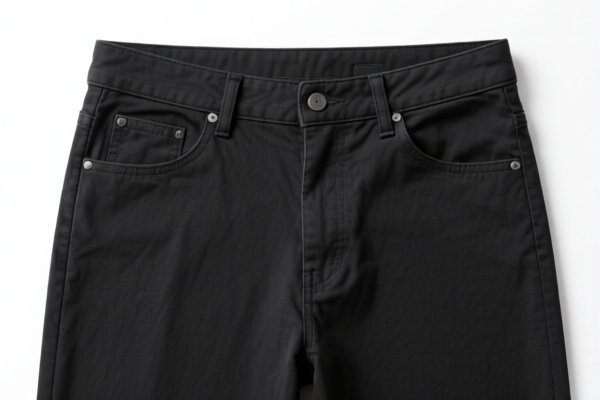
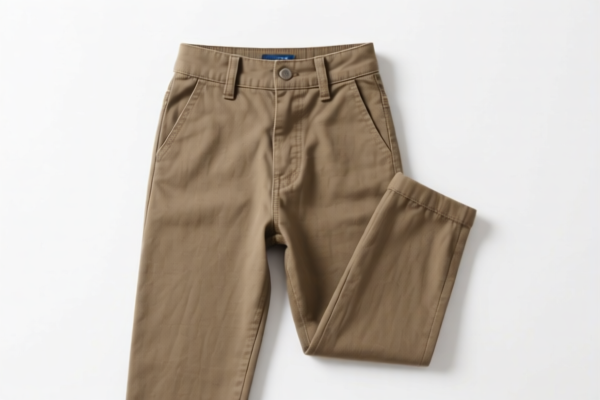
AI Analysis
Here is the comprehensive HS Code Classification Guide & Customs Clearance Strategy for "Sweatpants", presented in a vibrant, professional Wiki-style format based strictly on the provided data.
👖 Sweatpants (Training Trousers & Ski Pants)
International Trade Classification & Customs Strategy Guide | 2024-2025 Edition
🌐 HS Code Reference & Duty Breakdown | Professional Clearing Strategy
📌 Product Definition:
"Sweatpants" in international trade often falls into two distinct categories based on usage, material, and construction:
1. Sporting Ski Pants: Designed for winter sports, often synthetic/synthetic fiber, high-performance.
2. Training/Track Pants: Designed for gym, leisure, or casual wear, often knitted, mixed materials (cotton/synthetic).
⚠️ Critical Distinction:
The HS Code depends entirely on whether the item is a Ski Pant (knitted vs. woven) and the Material Composition (Cotton vs. Synthetic). A misclassification can lead to duty rates ranging from 24.6% to 46.1%.
📦 I. HS Code Classification Matrix (Strictly Based on Provided Data)
The following table details the 5 specific classifications derived from your dataset, explaining why a sweatpant might fit each code.
| HS Code | Product Description & Logic | Material Inference | Tax Complexity |
|---|---|---|---|
| 6112.20.10.60 | Sport Ski Pants (Knitted). ✅ Why: Fits the "Form & Purpose" for skiing. Inferred as Artificial/Synthetic Fiber. 👉 Note: Knitted sportswear, synthetic. |
Synthetic / Artificial Fiber | 🟠 45.7% |
| 6211.20.68.20 | Sport Ski Pants (Woven). ✅ Why: Fits "Purpose & Form" for skiing. Inferred as Chemical Fiber. 👉 Note: Woven sportswear, synthetic. |
Chemical Fiber (Woven) | 🟠 46.1% |
| 6112.20.10.70 | Sport Ski Pants (Knitted). ✅ Why: Matches "Form & Purpose". Default assumption is Artificial/Synthetic Fiber. 👉 Note: Similar to .60, distinct sub-heading for knitted synthetics. |
Synthetic / Artificial Fiber | 🟠 45.7% |
| 6211.20.15.25 | Sport Ski Pants (Woven). ✅ Why: Matches "Purpose & Form". Inferred as Non-Cotton (likely synthetic/wool blend). 👉 Note: Lowest Tax Bracket found in dataset. |
Non-Cotton (Woven) | 🟢 24.6% |
| 6111.20.60.70 | Training Pants (Knitted). ✅ Why: Explicitly "Training Pants". Matches "Form & Purpose". Inferred as Cotton or Synthetic Knit. 👉 Note: Casual/Training wear, not heavy skiing gear. |
Cotton or Synthetic (Knit) | 🟢 25.6% |
💰 II. Duty Rate Deep Dive: Why the Difference?
All classifications above include Three Layers of Taxation: 1. Base Tariff (MFN): Standard tariff for the category. 2. Additional Tariff (Section 301/Trump Tariff): Specific add-on (7.5%). 3. Section 122 Tariff: Additional policy tariff (10%).
🔥 Scenario A: High Tax (Synthetic Ski Pants)
Codes: 6112.20.10.60, 6112.20.10.70, 6211.20.68.20
| Component | Rate | Calculation Logic |
|---|---|---|
| Base Tariff | 28.2% (Knitted) or 28.6% (Woven) | Based on knitted vs. woven synthetic sportswear. |
| Additional Tariff | +7.5% | Fixed Section 301 add-on. |
| Section 122 | +10.0% | Fixed Policy add-on. |
| 🚀 TOTAL RATE | 45.7% - 46.1% | Extremely High! |
📌 Insight: If your sweatpants are heavy-duty Ski Pants made of Synthetic Fibers, you are facing nearly 50% tax. This is the most expensive category.
🟢 Scenario B: Low Tax (Non-Cotton Woven / Training Knit)
Codes: 6211.20.15.25, 6111.20.60.70
| Component | Rate | Calculation Logic |
|---|---|---|
| Base Tariff | 7.1% (Woven Non-Cotton) or 8.1% (Knit Training) | Much lower base rate for specific sub-categories. |
| Additional Tariff | +7.5% | Fixed Section 301 add-on. |
| Section 122 | +10.0% | Fixed Policy add-on. |
| 🚀 TOTAL RATE | 24.6% - 25.6% | Strategic Optimization! |
📌 Insight: The difference between ~46% and ~25% is huge. This depends entirely on proving the material is "Non-Cotton" (Woven) or the item is strictly "Training" (Knit) rather than heavy "Ski" gear.
🛠️ III. Customs Clearance Practical Advice (Action Plan)
✅ 1. Material Verification (The Golden Rule)
- Action: Do not simply label as "Sweatpants."
- Requirement: You must provide a Material Composition Certificate stating exact percentages of Cotton vs. Synthetic.
- Strategy: If the pants are 100% Polyester/Nylon, try to argue they are "Training Pants" (6111.20.60.70) rather than "Ski Pants" (6112...) to save ~20% in tax.
- Ski Pants = Heavy, waterproof, high protection.
- Training Pants = Soft, breathable, gym wear.
- Visual Proof: Provide photos showing lack of heavy insulation/waterproof membranes.
✅ 2. Knitted vs. Woven Distinction
- Knitted (61xx): Stretchy, soft, typical sweatpants.
- Woven (62xx): Structured, flat, typical ski pants.
- Tip: Ensure your invoice and packing list match the Construction Method. If it's knit but declared woven, customs will reject or reclassify it to the higher rate.
✅ 3. The "Section 122" & "Additional Tariff" Trap
- Fact: Regardless of the HS Code chosen (24.6% or 46.1%), the 7.5% + 10% = 17.5% add-on is mandatory.
- Strategy: You cannot avoid these fees. Focus entirely on minimizing the Base Tariff (from 28% down to 7-8%) by optimizing the HS Code selection based on usage.
✅ 4. Required Documentation for Clearance
| Document | Requirement | Why? |
|---|---|---|
| Commercial Invoice | Must specify: "Training Pants" OR "Ski Pants" + Material % | Determines Base Rate (28% vs 7%). |
| Packing List | Must list weight and volume accurately | Customs verifies "Form & Purpose". |
| Material Test Report | Crucial: Lab report proving % Cotton vs. Synthetic | Proves "Non-Cotton" status for 6211.20.15.25. |
| Product Photos | High-res images of fabric texture | Proves "Knitted" vs "Woven". |
⚠️ IV. Common Pitfalls & Solutions
❌ Mistake 1: Over-classifying as "Ski Pants"
- Scenario: You ship casual gym sweatpants but label them "Ski Pants" because the brand sounds sporty.
- Result: Duty jumps from 25.6% (Training) to 45.7% (Ski).
- Fix: Use clear terminology: "Men's Cotton Blend Training Pants for Gym/Loungewear" on the invoice.
❌ Mistake 2: Ignoring the "Non-Cotton" Opportunity
- Scenario: You ship Woven sweatpants that are a mix of 50% Cotton/50% Nylon.
- Result: Might be forced into the 28.6% base rate category.
- Fix: If the pants are 100% Synthetic and Woven, strictly declare as
6211.20.15.25(Non-Cotton) to hit the 24.6% total.
❌ Mistake 3: Confusing Knitted vs. Woven
- Scenario: Mixing up
6112(Knitted) and6211(Woven). - Result: Customs detention for "Incorrect Classification".
- Fix: Send a fabric swatch sample to the broker for pre-verification of the weave type.
🎯 V. Final Strategic Summary
| Goal | Target HS Code | Total Tax | Key Condition |
|---|---|---|---|
| Lowest Tax Possible | 6211.20.15.25 |
24.6% | Woven, Non-Cotton, Sport/Ski context. |
| Casual/Training | 6111.20.60.70 |
25.6% | Knitted, Cotton/Synthetic mix, Training use. |
| Standard Ski (Synthetic) | 6112.20.10.60/70 |
45.7% | Knitted, Synthetic, Ski use. |
| Standard Ski (Woven) | 6211.20.68.20 |
46.1% | Woven, Synthetic, Ski use. |
🚀 Final Advice:
Don't let the "Sweatpants" label trick you.
1. Is it for Skiing? (High Tax).
2. Is it for Training/Casual? (Lower Tax).
3. Is it Knitted or Woven? (Different Base Rates).
4. Is it Cotton or Synthetic? (Critical for Base Rate).By strategically declaring "Training Pants" (Knit) or "Non-Cotton Woven" goods, you can potentially save up to 20% in duties compared to standard Ski Pants!
Disclaimer: This guide is based on the specific data provided. Customs regulations change frequently. Always consult a licensed customs broker for the final classification.
Customer Reviews
About HS Code Classification
The Harmonized System (HS) is an internationally standardized nomenclature developed by the World Customs Organization (WCO) to classify traded products. Over 200 countries use the HS system as the basis for customs tariffs, trade statistics, and import/export regulations.
Each HS code follows a hierarchical structure:
- Chapter (2 digits) — Broad category of goods (e.g., Chapter 84: Machinery and Mechanical Appliances)
- Heading (4 digits) — More specific grouping within the chapter
- Subheading (6 digits) — Internationally standardized breakdown, used by all WCO member countries
- National subdivisions (8-10 digits) — Country-specific extensions for further classification, such as US HTSUS 10-digit codes
Correct HS code classification is essential for smooth customs clearance, accurate duty payment, and compliance with trade regulations. Misclassification can lead to customs delays, overpayment of duties, or penalties.
When importing from CN to US, the applicable tariff rates may include:
- Most-Favored-Nation (MFN) rate — The standard duty rate applied to WTO members
- General rate — Applied to countries without trade agreements
- Trade remedy duties — Additional tariffs such as Section 301 (anti-dumping), Section 232 (national security), or countervailing duties
The information provided on this page is for reference purposes only. For official classification, please consult with your local customs authority or a licensed customs broker.