Swim Trunks
CN → US| HS Code | Tariff Rate | Origin | Destination | Doc |
|---|---|---|---|---|
| 6112310010 | 35.9% | CN | US | Official Doc |
| 6112390010 | 30.7% | CN | US | Official Doc |
| 6211118010 | 25.0% | CN | US | Official Doc |
| 6211111010 | 37.8% | CN | US | Official Doc |
| 3926909989 | 22.8% | CN | US | Official Doc |
Product Images
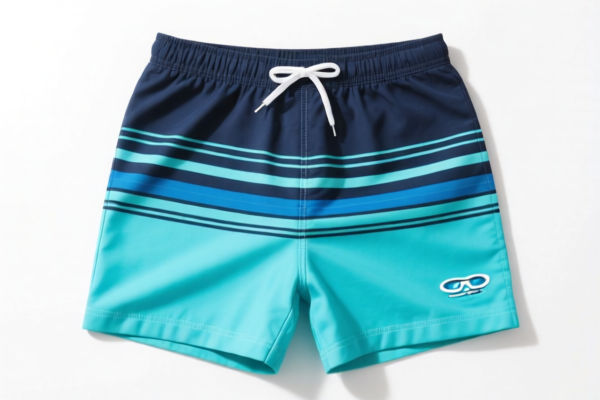
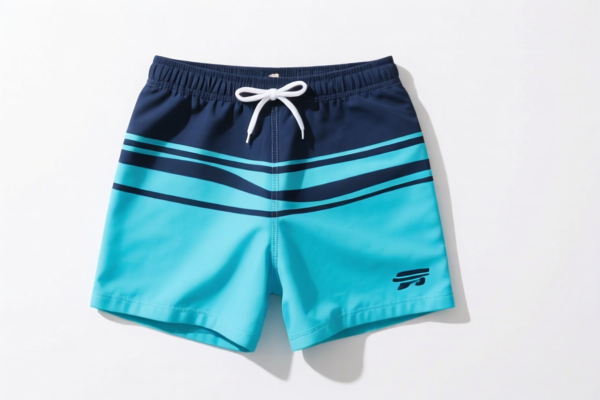
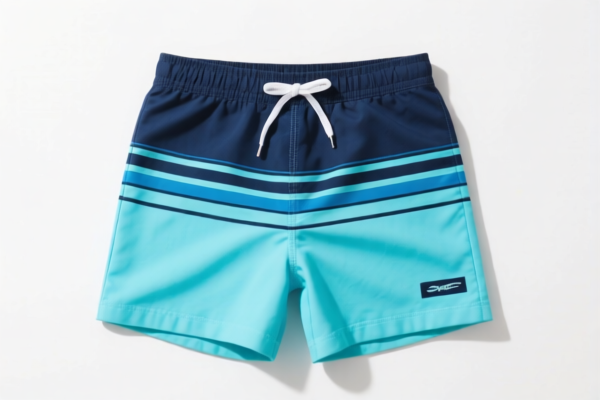
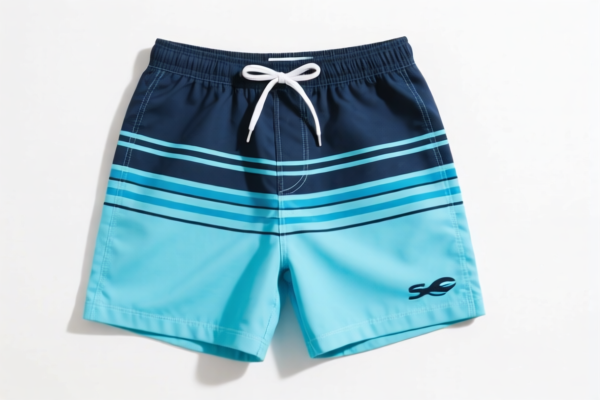
AI Analysis
🏊♂️ Swim Trunks (Men’s Swimsuit Shorts)
🌐 HS Code Reference & Clearance Guide | 2026 Latest Tariff Analysis | Professional Entry Strategy
📌 I. Product Definition & Classification: What Exactly Are "Swim Trunks"?
Swim trunks are specialized apparel designed for water sports and recreational bathing. In international trade, they fall primarily under Chapter 61 (Knitted/Crocheted Apparel) or Chapter 62 (Non-Knitted Apparel). The critical distinction lies in the material composition (knitted vs. woven) and fabric type (synthetic vs. man-made fibers vs. cotton).
Key Classification Criteria: 1. Form: Shorts style (briefs, board shorts, jammers). 2. Material: * Synthetic Fibers (Polyester/Nylon): Most common for durability and quick-drying. * Man-Made Fibers: Rayon, viscose, etc. * Cotton/Blends: Less common for performance, more for casual beachwear. 3. Gender: Specifically Men’s (as per the HS codes provided).
⚠️ Critical Distinction:
- If the fabric is Knitted and made of Synthetic Fibers → Look at 6112.31.00.10.
- If the fabric is Woven and made of Other Textile Materials → Look at 6211.39.00.10 or 6211.11.xxxx.
- If the product is a Plastic/Synthetic Article (e.g., PVC shorts or non-textile swimwear) → Look at 3926.90.99.89.
📦 II. HS Code Classification Details (2026 Latest Tariff Authority Comparison)
Based on the provided data, here are the four possible HS Codes for Men’s Swim Trunks, categorized by material and form.
| HS Code | Product Description | Material Inference | Form/Usage |
|---|---|---|---|
6112.31.00.10 |
Knitted Swim Trunks | Synthetic Fibers (Polyester, Nylon, etc.) | Knitted Shorts / Briefs |
6211.39.00.10 |
Woven Swim Trunks | Textile Materials (Cotton, Polyester, Nylon, etc.) | Woven Shorts / Briefs |
6211.11.80.10 |
Other Men’s Swimwear | Other Materials (Specified as "Other categories") | Men’s Swimsuits (General) |
6211.11.10.10 |
Men’s Swim Shorts | Artificial or Synthetic Fibers | Woven Shorts (Specific Sub-category) |
3926.90.99.89 |
Other Plastic/Synthetic Articles | Plastic / Synthetic Polymer | Unspecified Synthetic Articles (Non-textile) |
🔍 Key Insight:
- The lowest tax burden appears to be6211.11.80.10(25.0%).
- The highest tax burden is6211.11.10.10(37.8%).
- The Plastic category (3926.90.99.89) offers a mid-range rate (22.8%) but is only applicable if the item is NOT considered textile apparel.
💰 III. 2026 Latest Tariff Rate Details (Including Additional Duties & Policy Surcharges)
✅ Applicable Country: United States (US)
✅ Origin: China (CN)
✅ Effective Date: 2025/2026 (Including subsequent imports)
🎯 1. 6112.31.00.10 —— Knitted Swim Trunks (Synthetic Fibers)
| Item | Content |
|---|---|
| Base Tariff | 25.9% |
| Section 301 Additional Duty | 0.0% |
| Section 122 Tariff | 10.0% |
| Total Tax Rate | 35.9% |
| Tax Calculation | CIF Value × 35.9% |
| De Minimis Eligibility | ❌ Not Eligible (High total duty prevents de minimis exemption) |
| Legal Path | Base Tariff 25.9% + Section 122 10% = 35.9% |
📌 Explanation:
- This code applies to knitted swimwear made of synthetic fibers.
- Despite having 0% Section 301 duty, the high base tariff (25.9%) and the 10% Section 122 tariff result in a 35.9% total rate.
🎯 2. 6211.39.00.10 —— Woven Swim Trunks (Other Textile Materials)
| Item | Content |
|---|---|
| Base Tariff | 13.2% |
| Section 301 Additional Duty | 7.5% |
| Section 122 Tariff | 10.0% |
| Total Tax Rate | 30.7% |
| Tax Calculation | CIF Value × 30.7% |
| De Minimis Eligibility | ❌ Not Eligible |
| Legal Path | Base Tariff 13.2% + Section 301 7.5% + Section 122 10% = 30.7% |
📌 Explanation:
- This code applies to woven swimwear made of textile materials (like cotton or polyester blends).
- It includes a 7.5% Section 301 duty, which is lower than the base tariff of the synthetic knitted version, resulting in a lower total rate (30.7%) than6112.31.00.10.
🎯 3. 6211.11.80.10 —— Other Men’s Swimwear (Other Materials)
| Item | Content |
|---|---|
| Base Tariff | 7.5% |
| Section 301 Additional Duty | 7.5% |
| Section 122 Tariff | 10.0% |
| Total Tax Rate | 25.0% |
| Tax Calculation | CIF Value × 25.0% |
| De Minimis Eligibility | ❌ Not Eligible |
| Legal Path | Base Tariff 7.5% + Section 301 7.5% + Section 122 10% = 25.0% |
📌 Explanation:
- This is the MOST FAVORABLE code among the textile options provided.
- It has the lowest base tariff (7.5%) and a standard 7.5% Section 301 duty.
- ⚠️ Caution: This code is for "Other" materials. Ensure your product does not fit the specific definitions of synthetic fibers or man-made fibers that might force it into6211.11.10.10. Misclassification can lead to penalties.
🎯 4. 6211.11.10.10 —— Men’s Swim Shorts (Artificial/Synthetic Fibers)
| Item | Content |
|---|---|
| Base Tariff | 27.8% |
| Section 301 Additional Duty | 0.0% |
| Section 122 Tariff | 10.0% |
| Total Tax Rate | 37.8% |
| Tax Calculation | CIF Value × 37.8% |
| De Minimis Eligibility | ❌ Not Eligible |
| Legal Path | Base Tariff 27.8% + Section 122 10% = 37.8% |
📌 Explanation:
- This is the LEAST FAVORABLE textile code.
- High base tariff (27.8%) with 0% Section 301 still results in the highest total duty (37.8%).
- Only use this if the product strictly matches "Artificial/Synthetic Fibers" under this specific sub-heading.
🎯 5. 3926.90.99.89 —— Other Plastic/Synthetic Articles
| Item | Content |
|---|---|
| Base Tariff | 5.3% |
| Section 301 Additional Duty | 7.5% |
| Section 122 Tariff | 10.0% |
| Total Tax Rate | 22.8% |
| Tax Calculation | CIF Value × 22.8% |
| De Minimis Eligibility | ❌ Not Eligible |
| Legal Path | Base Tariff 5.3% + Section 301 7.5% + Section 122 10% = 22.8% |
📌 Explanation:
- This code applies if the swim trunks are made of plastic or non-textile synthetic materials (e.g., PVC, TPU, or rubberized fabrics that are not classified as textiles).
- It offers the LOWEST TOTAL RATE (22.8%) among all provided options.
- ⚠️ Risk: If Customs determines the item is actually textile-based (knitted or woven), they will reclassify it to a higher tariff code (e.g., 30.7% or 35.9%) and assess back duties + penalties. Only use this if the product is genuinely non-textile.
🛠️ IV. Clearance Practical Advice (Battle-Tested Pitfall Guide)
✅ 1. Document Checklist (Non-Negotiable)
| Document | Required | Notes |
|---|---|---|
| ✅ Product Specification Sheet | ✔️ | Must specify: Knitted vs. Woven, Fiber Composition (% Polyester, % Spandex, etc.), Gender, Intended Use. |
| ✅ Fabric Swatch/Photo | ✔️ | Show texture to prove knitted vs. woven. |
| ✅ Commercial Invoice | ✔️ | Clearly state "Men's Swim Trunks" and HS Code. |
| ✅ Bill of Lading/Air Waybill | ✔️ | Standard shipping documents. |
| ✅ Certificate of Origin | ✔️ | Confirm China origin for accurate duty calculation. |
✅ 2. Declaration Strategy (Key Mantra)
🔥 "Know the Weave, Know the Fiber, Avoid the 'Plastic' Trap!"
| Scenario | Correct HS Code | Mistake to Avoid |
|---|---|---|
| Knitted, Synthetic (e.g., Polyester) | 6112.31.00.10 (35.9%) |
Don't declare as "Plastic" to get 22.8% → High audit risk. |
| Woven, Cotton/Poly Blend | 6211.39.00.10 (30.7%) |
Don't declare as "Synthetic" if it's blended → May be forced to 37.8%. |
| Woven, Other Materials | 6211.11.80.10 (25.0%) |
Ensure it doesn't fit "Artificial/Synthetic" specific definitions. |
| Non-Textile (PVC/Rubber) | 3926.90.99.89 (22.8%) |
Only use if NOT textile. Provide material data sheet. |
| Woven, Artificial/Synthetic | 6211.11.10.10 (37.8%) |
Highest risk. Avoid if possible by checking fiber content. |
✅ 3. Special Handling
| Situation | Advice |
|---|---|
| Mixed Shipment | If you have both knitted and woven shorts, split the declaration. Do not combine them. |
| Custom Dyeing/Printing | Ensure the fabric composition remains unchanged. Printing does not change the HS code. |
| Sample vs. Bulk | Samples still require accurate HS code declaration for duty assessment, even if low value. |
| Plastic Claim | If using 3926.90.99.89, be prepared to prove the material is not a textile fiber (e.g., PVC sheeting). Customs may request lab tests. |
🌍 V. Global Market Comparison (2026 Latest)
| Country/Region | Recommended HS Code | Approx. Duty (China Origin) | Notes |
|---|---|---|---|
| 🇺🇸 USA | 6211.11.80.10 |
25.0% (Best for Textile) | Includes Section 301 & 122. |
| 🇺🇸 USA | 3926.90.99.89 |
22.8% (Best for Non-Textile) | Only if truly plastic/synthetic non-textile. |
| 🇪🇺 EU | 6112/6211 | Varies (Usually 12% - 16%) | No Section 301/122. |
| 🇨🇳 China | 6112/6211 | 12% - 15% | Standard import duty. |
📌 Conclusion:
- For textile swim trunks,6211.11.80.10(25.0%) is the most cost-effective.
- For non-textile plastic swimwear,3926.90.99.89(22.8%) is the best.
- Avoid6211.11.10.10(37.8%) unless absolutely necessary.
📌 VI. Common Errors & Pitfall Guide (Blood & Tears Lessons)
❌ Error 1: Declaring Knitted Swimwear as "Plastic" (3926.90.99.89)
👉 Consequence: Customs rejects, demands reclassification, applies higher duty (35.9%) + penalty.
👉 Solution: Only use plastic code for non-textile items.
❌ Error 2: Mixing "Synthetic Fiber" and "Man-Made Fiber" definitions
👉 Consequence: Misclassification leads to 37.8% duty instead of 25.0%.
👉 Solution: Provide exact fabric composition (e.g., 80% Polyester, 20% Spandex).
❌ Error 3: Ignoring Section 122 Tariff
👉 Consequence: Underestimating total cost. Section 122 adds 10% to ALL codes provided.
👉 Solution: Always add 10% to your base + Section 301 calculation.
❌ Error 4: Declaring "Swimwear" generically
👉 Consequence: Customs has discretion to choose the highest applicable rate.
👉 Solution: Be specific: "Men's Knitted Synthetic Swim Trunks."
✅ Correct Declaration Example:
"Men's Knitted Swim Trunks, 80% Polyester, 20% Spandex, Synthetic Fiber, HS 6112.31.00.10"
🎯 VII. Conclusion: Professional Declaration, Save Money, Avoid Risks!
🎯 Remember the Mantra:
🔹 "Knitted Synthetic? 6112 (35.9%). Woven Cotton? 6211.39 (30.7%). Woven Other? 6211.11.80 (25.0%). Plastic? 3926 (22.8%)."
🔹 "Section 122 adds 10% to all. Section 301 varies. Don't guess, test!"
📌 Pro Tip:
If your product is not made in China (e.g., Vietnam, Bangladesh), Section 301 (7.5%) and Section 122 (10%) may not apply.
Example: If made in Vietnam, 6211.39.00.10 might drop to 13.2% (Base only) or similar, depending on FTAs.
Recommendation: Always check the Country of Origin before declaring!
📣 Immediate Action:
📞 Contact a professional customs broker + Provide Fabric Composition Report + Apply for Pre-Ruling if unsure.
🚀 Let your swim trunks clear smoothly, efficiently, and profitably!
✨ Professional clearance starts with accurate classification!
💼 Every percentage point matters in global trade!
Customer Reviews
About HS Code Classification
The Harmonized System (HS) is an internationally standardized nomenclature developed by the World Customs Organization (WCO) to classify traded products. Over 200 countries use the HS system as the basis for customs tariffs, trade statistics, and import/export regulations.
Each HS code follows a hierarchical structure:
- Chapter (2 digits) — Broad category of goods (e.g., Chapter 84: Machinery and Mechanical Appliances)
- Heading (4 digits) — More specific grouping within the chapter
- Subheading (6 digits) — Internationally standardized breakdown, used by all WCO member countries
- National subdivisions (8-10 digits) — Country-specific extensions for further classification, such as US HTSUS 10-digit codes
Correct HS code classification is essential for smooth customs clearance, accurate duty payment, and compliance with trade regulations. Misclassification can lead to customs delays, overpayment of duties, or penalties.
When importing from CN to US, the applicable tariff rates may include:
- Most-Favored-Nation (MFN) rate — The standard duty rate applied to WTO members
- General rate — Applied to countries without trade agreements
- Trade remedy duties — Additional tariffs such as Section 301 (anti-dumping), Section 232 (national security), or countervailing duties
The information provided on this page is for reference purposes only. For official classification, please consult with your local customs authority or a licensed customs broker.