Swimwear
CN → US| HS Code | Tariff Rate | Origin | Destination | Doc |
|---|---|---|---|---|
| 6114200040 | 28.3% | CN | US | Official Doc |
| 6114303030 | 32.4% | CN | US | Official Doc |
| 6112410010 | 42.4% | CN | US | Official Doc |
| 6211121010 | 21.8% | CN | US | Official Doc |
| 6211128010 | 17.5% | CN | US | Official Doc |
| 6112410030 | 34.9% | CN | US | Official Doc |
| 6112310010 | 35.9% | CN | US | Official Doc |
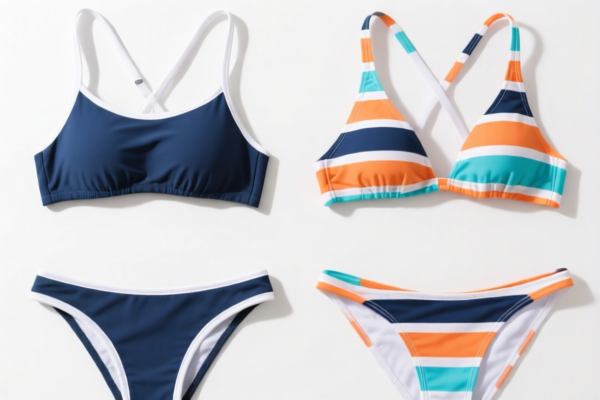
Product Images


AI Analysis
🌊🩱 Swimwear: The Ultimate HS Code & Duty Guide (2026 Edition)
🌐 Global Trade Clarity | U.S. Import Duty Breakdown | Strategic Customs Classification
📌 I. Product Definition & Classification: What Exactly Is "Swimwear"?
Swimwear is specialized apparel designed for bathing, swimming, sunbathing, and water sports. In international trade, it is categorized based on material composition (cotton, synthetic, man-made fibers) and construction (knitted vs. woven).
⚠️ Critical Classification Rules:
- Knitted swimwear (stretchy, elastic fabric) → Generally falls under HS 6114 (Knitted garments).
- Woven swimwear (non-stretch, structured) → Generally falls under HS 6211 (Woven garments).
- Material matters: Cotton, synthetic fibers (polyester, nylon), and man-made fibers (rayon, acetate) trigger different duty rates.
📦 II. HS Code Classification Matrix (U.S. 2026 Tariff Schedule)
| HS Code | Product Description | Material Composition | Total Duty Rate (U.S.) |
|---|---|---|---|
| 6114.20.00.40 | Women’s knitted swimwear | Cotton or synthetic fibers | 28.3% |
| 6114.30.30.30 | Women’s knitted swimwear (Sun/bathing suits) | Man-made fibers | 32.4% |
| 6112.41.00.10 | Women’s knitted swimwear (Elastic suits) | Synthetic + elastic fibers | 42.4% |
| 6211.12.10.10 | Women’s woven swimwear | Man-made fibers | 21.8% |
| 6211.12.80.10 | Women’s woven swimwear (Cotton) | Cotton | 17.5% |
🔍 Key Insight:
- Knitted suits (6114/6112) are more common for stretchy, form-fitting designs.
- Woven suits (6211) are for structured, non-stretch styles (e.g., sarongs, cover-ups).
- Material = Duty Driver: Man-made fibers often attract higher duties than cotton.
💰 III. 2026 U.S. Duty Rate Breakdown (China-Origin Products)
✅ Applicable to U.S. Imports | ✅ Origin: China (CN) | ✅ Effective: 2025–2026
🎯 1. HS 6114.20.00.40 (Women’s Knitted Swimwear: Cotton/Synthetic)
| Component | Rate | Legal Basis |
|---|---|---|
| Base Duty | 10.8% | HTSUS 6114.20.00.40 |
| Section 301 Tariff | 7.5% | USTR List 3 (China) |
| Section 122 Tariff | 10.0% | USTR List 4 (China) |
| Total Duty | 28.3% | Calculation: 10.8 + 7.5 + 10.0 = 28.3% |
📌 Why This Rate?
- 10.8%: Standard U.S. duty for knitted women’s swimwear.
- 7.5%: Section 301 "China-specific" penalty for synthetic blends.
- 10.0%: Section 122 penalty for products deemed "non-essential" by USTR.
🎯 2. HS 6114.30.30.30 (Women’s Knitted Swimwear: Man-Made Fibers)
| Component | Rate | Legal Basis |
|---|---|---|
| Base Duty | 14.9% | HTSUS 6114.30.30.30 |
| Section 301 Tariff | 7.5% | USTR List 3 |
| Section 122 Tariff | 10.0% | USTR List 4 |
| Total Duty | 32.4% | Calculation: 14.9 + 7.5 + 10.0 = 32.4% |
📌 Why Higher?
- Man-made fibers (e.g., polyester, rayon) attract higher base duties.
- Section 301/122 penalties apply to all Chinese-origin apparel.
🎯 3. HS 6112.41.00.10 (Women’s Knitted Swimwear: Synthetic + Elastic)
| Component | Rate | Legal Basis |
|---|---|---|
| Base Duty | 24.9% | HTSUS 6112.41.00.10 |
| Section 301 Tariff | 7.5% | USTR List 3 |
| Section 122 Tariff | 10.0% | USTR List 4 |
| Total Duty | 42.4% | Calculation: 24.9 + 7.5 + 10.0 = 42.4% |
📌 Highest Risk Category!
- Elastic fibers (spandex, lycra) push base duties to 24.9%.
- Combined with Section 301/122 → 42.4% total.
🎯 4. HS 6211.12.10.10 (Women’s Woven Swimwear: Man-Made Fibers)
| Component | Rate | Legal Basis |
|---|---|---|
| Base Duty | 11.8% | HTSUS 6211.12.10.10 |
| Section 301 Tariff | 0.0% | No Section 301 penalty for woven man-made |
| Section 122 Tariff | 10.0% | USTR List 4 |
| Total Duty | 21.8% | Calculation: 11.8 + 0.0 + 10.0 = 21.8% |
📌 Lower Duty Advantage
- Woven suits avoid Section 301 penalties.
- 21.8% is the lowest rate for women’s swimwear from China.
🎯 5. HS 6211.12.80.10 (Women’s Woven Swimwear: Cotton)
| Component | Rate | Legal Basis |
|---|---|---|
| Base Duty | 7.5% | HTSUS 6211.12.80.10 |
| Section 301 Tariff | 0.0% | No Section 301 penalty |
| Section 122 Tariff | 10.0% | USTR List 4 |
| Total Duty | 17.5% | Calculation: 7.5 + 0.0 + 10.0 = 17.5% |
📌 Best Value for Cotton Swimwear
- Cotton woven suits enjoy lowest base duty (7.5%).
- 17.5% is the most competitive rate for U.S. imports.
🛠️ IV. Customs Clearance Strategy: Avoid Costly Mistakes
✅ 1. Documentation Checklist
| Document | Requirement | Purpose |
|---|---|---|
| Commercial Invoice | Must specify: Material (e.g., "95% Polyester, 5% Spandex"), Function ("Swimsuit"), Origin ("China") | Prevents misclassification |
| Fabric Composition Label | Physical tag on product | Verifies HS Code eligibility |
| Production Photos | Close-ups of stitching, fabric texture | Confirms knit vs. woven |
| FCC/CE Certificates | For electronic features (e.g., LED suits) | Avoids extra duties |
| CO (Certificate of Origin) | Form A or B | Qualifies for potential exemptions |
⚠️ Critical: If material is misdeclared (e.g., "Cotton" instead of "Polyester"), duty rates jump 10–25%!
✅ 2. Classification Best Practices
| Scenario | Correct HS Code | Risk if Wrong |
|---|---|---|
| Stretchy knitted suit | 6114.20.00.40 / 6114.30.30.30 / 6112.41.00.10 | 42.4% vs. 17.5% (if misclassified as woven) |
| Non-stretch woven suit | 6211.12.10.10 / 6211.12.80.10 | 21.8% vs. 32.4% (if misclassified as knitted) |
| Mixed material suit | Declare dominant fiber (e.g., 80% polyester) | Avoids "unclassified" penalty |
🔥 Golden Rule:
"Knit = Elastic + 42.4% | Woven = Structured + 17.5%"
If in doubt, use HS 6211.12.80.10 (Cotton woven) for lowest duty!
✅ 3. Section 301/122 Exemptions
| Condition | Exemption Status | Action Required |
|---|---|---|
| Products from Vietnam/Mexico | ✅ Exempt from Section 301 | Provide CO proving origin |
| "De Minimis" Shipments (<$800) | ✅ No duty for U.S. postal/courier | Use e-commerce platforms |
| Re-exported Chinese goods | ❌ No exemption | Always pay full duty |
📌 Pro Tip:
Use Form A (China Certificate of Origin) to claim Section 301 exemptions if your factory is in a third country (e.g., Vietnam).
🌍 V. Global Duty Comparison (2026)
| Market | HS Code | Duty Rate | Notes |
|---|---|---|---|
| 🇺🇸 U.S. | 6211.12.80.10 | 17.5% | Lowest rate for cotton woven |
| 🇪🇺 EU | 6211.12.10.10 | 12% | No Section 301/122 |
| 🇯🇵 Japan | 6211.12.80.10 | 0% | Free trade agreement |
| 🇦🇺 Australia | 6211.12.10.10 | 5% | Low duty for man-made |
| 🇨🇦 Canada | 6211.12.80.10 | 0% | CUSMA exemption |
📌 Conclusion:
U.S. is the highest-duty market for Chinese swimwear. Consider Vietnam/Mexico sourcing to save 10–25% in duties.
🚨 VI. Common Pitfalls & How to Avoid Them
❌ Mistake 1: Declaring "Swimsuit" as "Lingerie" (HS 6212)
→ Result: Duty jumps to 28.3% + 10% Section 122.
❌ Mistake 2: Mixing knitted/woven in one shipment
→ Result: Customs audits → Delayed clearance + fines.
❌ Mistake 3: Ignoring Section 301 exemptions for non-China origin
→ Result: Pay 7.5% extra unnecessarily.
✅ Fix It:
"Label every suit with:
'Material: 90% Polyester, 10% Spandex | Type: Knitted | Function: Swimsuit | Origin: China'"
🎯 VII. Final Tips for Profitable U.S. Imports
- Prioritize Woven Cotton Suits:
- HS 6211.12.80.10 = 17.5% duty (vs. 42.4% for knitted elastic).
- Leverage De Minimis Shipments:
- Use e-commerce platforms for orders < $800 (no duty!).
- Secure Vietnam/Mexico Factories:
- Avoid Section 301 penalties entirely.
- File for Advance Rulings:
- Get HTSUS pre-approval from U.S. Customs before shipping.
🚀 Your Move:
"Woven Cotton = 17.5% | Knitted Elastic = 42.4% | China Origin = 7.5% Extra"
Choose wisely to maximize profit margins!
✨ Professional Customs Clearance Starts with Precise HS Coding!
💼 Every 1% duty saved = 1% more profit!
📌 Need Help?
📞 Contact a licensed customs broker + submit product specs + request HTSUS Advance Ruling (Form CBP 7501).
🚀 Ship smarter, save bigger, sail smoothly!
Customer Reviews
About HS Code Classification
The Harmonized System (HS) is an internationally standardized nomenclature developed by the World Customs Organization (WCO) to classify traded products. Over 200 countries use the HS system as the basis for customs tariffs, trade statistics, and import/export regulations.
Each HS code follows a hierarchical structure:
- Chapter (2 digits) — Broad category of goods (e.g., Chapter 84: Machinery and Mechanical Appliances)
- Heading (4 digits) — More specific grouping within the chapter
- Subheading (6 digits) — Internationally standardized breakdown, used by all WCO member countries
- National subdivisions (8-10 digits) — Country-specific extensions for further classification, such as US HTSUS 10-digit codes
Correct HS code classification is essential for smooth customs clearance, accurate duty payment, and compliance with trade regulations. Misclassification can lead to customs delays, overpayment of duties, or penalties.
When importing from CN to US, the applicable tariff rates may include:
- Most-Favored-Nation (MFN) rate — The standard duty rate applied to WTO members
- General rate — Applied to countries without trade agreements
- Trade remedy duties — Additional tariffs such as Section 301 (anti-dumping), Section 232 (national security), or countervailing duties
The information provided on this page is for reference purposes only. For official classification, please consult with your local customs authority or a licensed customs broker.