Switch Card Storage Rack
CN → US| HS Code | Tariff Rate | Origin | Destination | Doc |
|---|---|---|---|---|
| 7326908630 | 87.9% | CN | US | Official Doc |
| 3926909989 | 22.8% | CN | US | Official Doc |
| 4820300040 | 35.0% | CN | US | Official Doc |
| 7326908688 | 87.9% | CN | US | Official Doc |
Product Images
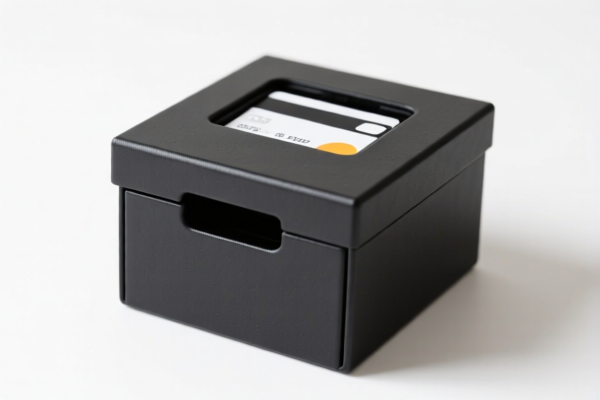
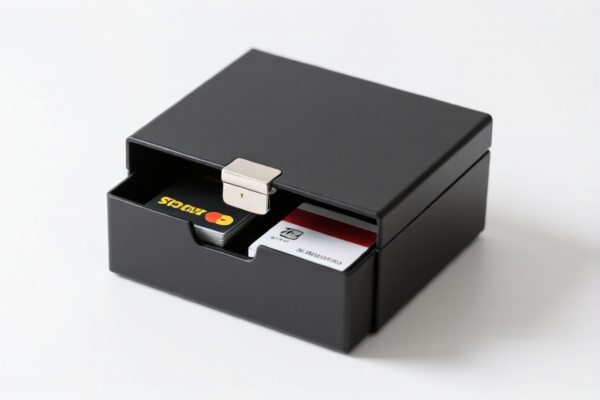


AI Analysis
🏗️ Switch Card Storage Racks: HS Code, Tariff Breakdown & Clearance Strategy
🌐 Global Trade Classification Guide | 2026 Tariff Analysis | High-Cost Clearance Strategy 📌 Product Category: Industrial Storage & Support Hardware (Metal & Plastic)
⚠️ Critical Warning: Storage racks, particularly those made of metal or specific plastic/composite structures intended for industrial/office use, are subject to significant tariff layers when imported into the United States from China. The total tax burden can exceed 80-90% due to the combination of Base, Section 301, and Section 232 tariffs.
📦 1. HS Code Classification & Detailed Tax Analysis (2026)
Based on the provided data, there are four distinct HS Code categories for storage racks. The classification depends strictly on the material composition (Metal vs. Plastic) and the specific structural design.
🅰️ Category 1: Metal Storage Racks (The "Heavy" Tariff Cluster)
Primary HS Codes:
1. 7326.90.86.30 – Metal Storage Racks / Stands
2. 7326.90.86.88 – Other Iron/Steel Articles (Stands)
| Tax Component | Rate | Explanation |
|---|---|---|
| Base Tariff | 2.9% | Standard Most Favored Nation (MFN) rate for articles of iron or steel. |
| Section 301 Tariff | 25.0% | Additional duty imposed on Chinese-origin goods under the US Trade Act of 1974. |
| Section 232 Tariff | 50.0% | CRITICAL: Additional duty for Steel, Aluminum, and Copper articles. This applies if the rack is classified under steel-specific headings. |
| 122 Clause | 10.0% | Additional duty under specific trade remedy provisions. |
| 🚨 TOTAL TAX RATE | 87.9% | Sum: 2.9% + 25.0% + 50.0% + 10.0% = 87.9% |
📌 Classification Logic: -
7326.90.86.30: Specifically for "Metal storage racks" falling under supports/stands. -7326.90.86.88: For "Other iron/steel articles" that function as stands. - Why so high? These codes fall under Chapter 73 (Articles of Iron or Steel). The 50% Section 232 tariff is the dominant cost driver for steel products from China.
🅱️ Category 2: Plastic Storage Racks
Primary HS Code:
- 3926.90.99.89 – Other Plastic Articles
| Tax Component | Rate | Explanation |
|---|---|---|
| Base Tariff | 5.3% | Standard MFN rate for plastic articles. |
| Section 301 Tariff | 7.5% | Note: Some plastic items may have lower 301 rates than steel, but data indicates 7.5% here. |
| 122 Clause | 10.0% | Additional duty under specific trade remedy provisions. |
| 🚨 TOTAL TAX RATE | 22.8% | Sum: 5.3% + 7.5% + 10.0% = 22.8% |
📌 Classification Logic: -
3926.90.99.89: Classified as "Other plastic articles." - Why lower? Plastic is not subject to the Section 232 (Steel/Aluminum) tariff. However, it still carries significant 301 and 122 duties.
©️ Category 3: Folder/Accessory Type Stands (Paper/Composite)
Primary HS Code:
- 4820.30.00.40 – Storage Racks (Folder/Accessory Type)
| Tax Component | Rate | Explanation |
|---|---|---|
| Base Tariff | 0.0% | Often duty-free or minimal for certain paper/product accessories. |
| Section 301 Tariff | 25.0% | High Section 301 duty applies to this specific sub-category. |
| 122 Clause | 10.0% | Additional duty under specific trade remedy provisions. |
| 🚨 TOTAL TAX RATE | 35.0% | Sum: 0.0% + 25.0% + 10.0% = 35.0% |
📌 Classification Logic: -
4820.30.00.40: Classified under "Other spare parts/stories," specifically for folder-like or accessory storage structures. - Key Distinction: Even though the base is 0%, the 25% Section 301 tariff makes it expensive. Do not assume "low base" means "low total."
🛠️ 2. Clearance & Operational Advice
✅ 1. Material Verification is Key
- Steel/Aluminum Racks: If your rack is metallic, you must prepare for ~87.9% in duties. This is likely prohibitive for low-margin goods.
- Plastic Racks: Consider switching to plastic composites if the structural integrity allows. This reduces the total tax from 87.9% to 22.8%, saving 65.1% in tariff costs.
- Folder/Accessory Type: If the rack is primarily a paper organizer or light-duty accessory,
4820.30.00.40(35%) is a middle-ground option, but verify it doesn't get reclassified as metal if it has metal reinforcements.
✅ 2. Documentation Requirements for Section 232 (Steel) Clearance
For codes 7326.90.86.30 and 7326.90.86.88:
- Steel Confirmation: Provide detailed material composition reports (Mill Test Certificates) confirming the steel grade.
- Product Description: Clearly state "Storage Rack" or "Support Stand." Avoid vague terms like "Hardware" which may trigger broader scrutiny.
- Origin Declaration: Must explicitly state "Made in China" to apply the correct Section 301 and 232 rates. Incorrect origin claims lead to severe penalties.
✅ 3. Avoiding Misclassification Traps
- Trap: Trying to classify a metal rack as a "Plastic Article" (
3926.90.99.89) by adding minor plastic components.- Risk: CBP (Customs and Border Protection) will look at the essential character of the good. If the structural strength comes from steel, it must be classified under Chapter 73.
- Trap: Classifying a heavy-duty metal rack as a "Folder/Accessory" (
4820.30.00.40) to save on the 50% Section 232 tariff.- Risk: This code is for paper/file organization. Industrial storage racks will be rejected, leading to hold-ups, audits, and potential seizure.
✅ 4. Cost Optimization Strategy
- Pre-Order Assessment: Before shipping, calculate the landed cost with the 87.9% rate for metal. If the margin is thin, consider:
- Redesign: Switch to aluminum alloy (if Section 232 applies, check current exclusions) or reinforced plastic.
- Third-Country Assembly: Source components from Vietnam/Mexico for final assembly (subject to Rules of Origin compliance).
- Duty Drawback: If re-exporting, explore duty drawback programs.
🌍 3. Global Market Comparison (2026)
| Destination | HS Code Example | Base Tariff | US-Specific Surcharges | Total Est. Tax (China Origin) | Notes |
|---|---|---|---|---|---|
| 🇺🇸 USA | 7326.90.86.30 |
2.9% | +25% (301) + 50% (232) + 10% (122) | 87.9% | Highest Barrier. Steel racks are heavily penalized. |
| 🇺🇸 USA | 3926.90.99.89 |
5.3% | +7.5% (301) + 10% (122) | 22.8% | Preferred Alternative. Plastic racks are significantly cheaper to import. |
| 🇪🇺 EU | 7326.90.89 |
6.5% | None (WTO) | ~6.5% | No Section 301/232 equivalent. Standard MFN applies. |
| 🇨🇳 China | 7326.90.89 |
6.0% | None | ~6.0% | Import into China is low-cost; focus on US export strategy. |
📌 4. Summary & Final Recommendation
- Metal Racks (
7326...): Expect 87.9% total tax. This is a high-cost category. Only viable for high-margin, industrial-grade products. - Plastic Racks (
3926...): Expect 22.8% total tax. Strongly recommended if product design allows. Saves over 65% in duties compared to steel. - Folder/Accessory Racks (
4820...): Expect 35.0% total tax. Suitable only for light-duty, paper-based storage solutions.
🔥 Pro Tip: "Material is Destiny." In US-China trade, Steel = ~88% Tax. Plastic = ~23% Tax. Always evaluate if your product can be engineered using non-ferrous materials to bypass the Section 232 steel tariff.
✨ Professional Clearance Starts with Accurate Classification! 💼 Your Bottom Line Depends on This 3-Character Difference: Steel vs. Plastic.
Customer Reviews
About HS Code Classification
The Harmonized System (HS) is an internationally standardized nomenclature developed by the World Customs Organization (WCO) to classify traded products. Over 200 countries use the HS system as the basis for customs tariffs, trade statistics, and import/export regulations.
Each HS code follows a hierarchical structure:
- Chapter (2 digits) — Broad category of goods (e.g., Chapter 84: Machinery and Mechanical Appliances)
- Heading (4 digits) — More specific grouping within the chapter
- Subheading (6 digits) — Internationally standardized breakdown, used by all WCO member countries
- National subdivisions (8-10 digits) — Country-specific extensions for further classification, such as US HTSUS 10-digit codes
Correct HS code classification is essential for smooth customs clearance, accurate duty payment, and compliance with trade regulations. Misclassification can lead to customs delays, overpayment of duties, or penalties.
When importing from CN to US, the applicable tariff rates may include:
- Most-Favored-Nation (MFN) rate — The standard duty rate applied to WTO members
- General rate — Applied to countries without trade agreements
- Trade remedy duties — Additional tariffs such as Section 301 (anti-dumping), Section 232 (national security), or countervailing duties
The information provided on this page is for reference purposes only. For official classification, please consult with your local customs authority or a licensed customs broker.