Synthetic Fiber Animal Hair
CN → US| HS Code | Tariff Rate | Origin | Destination | Doc |
|---|---|---|---|---|
| 6704110000 | 17.5% | CN | US | Official Doc |
| 6704190000 | 17.5% | CN | US | Official Doc |
| 5402451000 | 35.0% | CN | US | Official Doc |
| 5402499115 | 43.0% | CN | US | Official Doc |
Product Images
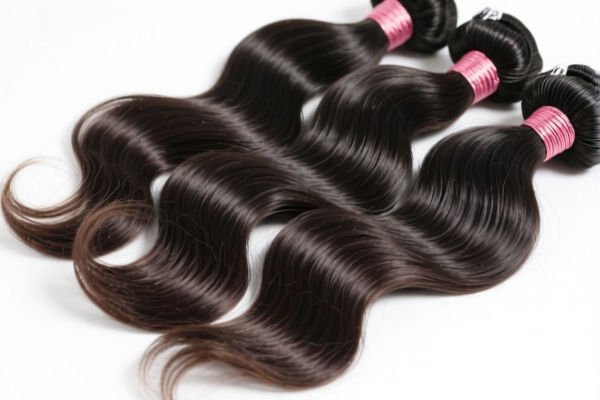

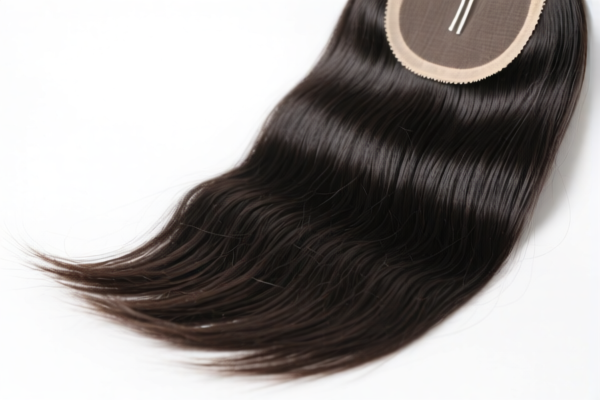
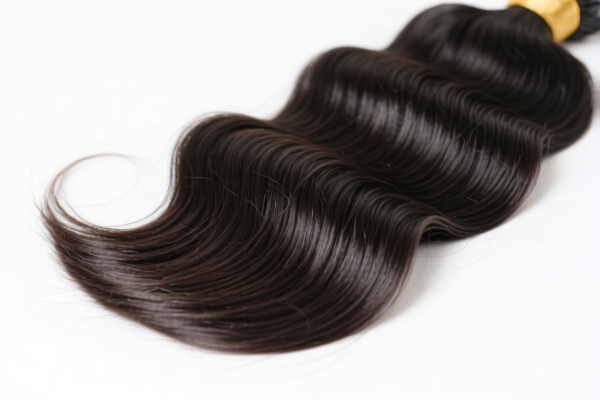
AI Analysis
🧶 Synthetic Fiber Animal Hair (Wigs, False Beards, Eyelashes, etc.)
🌐 HS Code Reference & Customs Clearance Guide | 2026 Latest Tariff Analysis | Professional-Level Strategy
📌 Part 1: Product Definition & Classification: What Exactly is "Synthetic Fiber Animal Hair"?
In international trade, "Synthetic Fiber Animal Hair" generally refers to synthetic textile materials used to mimic human or animal hair for the production of wigs, false beards, eyebrows, eyelashes, and hair switches. The key distinction lies in whether the product is a finished article (like a complete wig) or a raw material (like unprocessed synthetic yarn).
Crucial Distinction: * Finished Articles (Wigs/Accessories): Pre-made products ready for use (e.g., a completed synthetic wig). These fall under Chapter 67. * Raw Materials (Yarn/Filament): Unprocessed synthetic filaments used to manufacture wigs. These fall under Chapter 54.
⚠️ Critical Note for Importers:
- If you are importing complete wigs, use HS 6704.
- If you are importing raw synthetic yarn specifically certified for doll wig manufacturing, use HS 5402.
- Misclassification can lead to severe penalties or seizure!
📦 Part 2: HS Code Classification Details (2026 Latest Tariff Authority)
| HS Code | Product Description | Application Scenario | Tax Rate (China Origin to US) |
|---|---|---|---|
6704.11.00.00 |
Complete Wigs of synthetic textile materials | Finished wigs ready for wear (human or doll) | 7.5% |
6704.19.00.00 |
Other articles (false beards, eyebrows, eyelashes, switches) of synthetic textile materials | False lashes, beards, hairpieces (not complete wigs) | 7.5% |
5402.45.10.00 |
Synthetic filament yarn (nylon/polyamide), colored multifilament, untwisted/<5 turns/m, ≥22 decitex/filament, certified for doll wig manufacture | Raw material for making doll wigs | 25.0% |
5402.49.91.15 |
Synthetic filament yarn (monofilament/multifilament, untwisted/<5 turns/m) of polyethylene | Raw material (general synthetic filament) | 0.0% |
🔍 Key Clarification:
- HS 6704.11.00.00: Specifically for "Complete Wigs". If it’s a wig, this is the code.
- HS 6704.19.00.00: For other synthetic hair accessories (lashes, beards).
- HS 5402.45.10.00: A very specific raw material code. It requires importer certification that the yarn is for doll wigs. It is made of nylon/polyamide.
- HS 5402.49.91.15: For polyethylene synthetic filaments. No special certification needed.
💰 Part 3: 2026 Latest Tariff Rate Breakdown (Including Surtaxes)
✅ Applicable Country: United States (US)
✅ Country of Origin: China (CN)
✅ Effective Date: Current rates apply as per 2026 tariff schedule
🎯 1. 6704.11.00.00 – Complete Wigs (Synthetic)
| Item | Detail |
|---|---|
| Base Tariff | 0.0% |
| Section 301 Surtax | +7.5% |
| Total Tariff | 7.5% |
| Tax Calculation | CIF Value × 7.5% |
| De Minimis Exemption | ❌ Not Applicable (Value must be declared) |
| Legal Basis | USITC HTS 6704.11.00.00 + Section 301 List 3 |
📌 Explanation:
- Base duty is 0%, but due to trade tensions, a 7.5% surtax applies to Chinese-made synthetic wigs.
- This is a moderate tariff compared to electronics or steel.
🎯 2. 6704.19.00.00 – Other Synthetic Hair Articles (Lashes, Beards, etc.)
| Item | Detail |
|---|---|
| Base Tariff | 0.0% |
| Section 301 Surtax | +7.5% |
| Total Tariff | 7.5% |
| Tax Calculation | CIF Value × 7.5% |
| De Minimis Exemption | ❌ Not Applicable |
| Legal Basis | USITC HTS 6704.19.00.00 + Section 301 List 3 |
📌 Note:
- Same tax treatment as complete wigs.
- Applies to false eyelashes, eyebrows, and beard extensions made of synthetic fibers.
🎯 3. 5402.45.10.00 – Nylon/Polyamide Yarn for Doll Wigs (Special Certified Material)
| Item | Detail |
|---|---|
| Base Tariff | 0.0% |
| Section 301 Surtax | +25.0% |
| Total Tariff | 25.0% |
| Tax Calculation | CIF Value × 25.0% |
| De Minimis Exemption | ❌ Not Applicable |
| Legal Basis | USITC HTS 5402.45.10.00 + Section 301 List 4 |
📌 Warning:
- This code has a much higher tariff (25%) because it is classified as synthetic filament yarn.
- Mandatory Requirement: You MUST provide a certificate from the importer stating that the yarn is "used in the manufacture of wigs for dolls." Without this certification, it may be misclassified or denied entry.
- Only applies to nylon or polyamide yarn, colored, untwisted/twist <5 turns/m, and ≥22 decitex/filament.
🎯 4. 5402.49.91.15 – Polyethylene Synthetic Filament
| Item | Detail |
|---|---|
| Base Tariff | 0.0% |
| Section 301 Surtax | 0.0% |
| Total Tariff | 0.0% |
| Tax Calculation | CIF Value × 0% |
| De Minimis Exemption | ❌ Not Applicable (but tax is zero) |
| Legal Basis | USITC HTS 5402.49.91.15 |
📌 Opportunity:
- If your raw material is polyethylene filament (not nylon/polyamide), the tariff is 0%!
- This is a significant cost-saving advantage for manufacturers using PE-based synthetic fibers.
🛠️ Part 4: Customs Clearance Practical Advice
✅ 1. Required Documentation Checklist
| Document | Required? | Notes |
|---|---|---|
| ✅ Product Specification Sheet | ✔️ | Must specify material (synthetic fiber type: nylon, PE, etc.) and end-use. |
| ✅ Importer Certification Statement | ✔️ | Critical for HS 5402.45.10.00: Must explicitly state: "Certified for use in manufacturing wigs for dolls." |
| ✅ Commercial Invoice | ✔️ | Clearly describe goods as "Synthetic Wig" or "Synthetic Filament Yarn." |
| ✅ Packing List | ✔️ | Show weight, dimensions, and number of pieces. |
| ✅ Certificate of Origin (CO) | ✔️ | To prove China origin (if applicable). |
✅ 2. Declaration Tips (Key Strategy)
🔥 "Finished Wigs = 7.5%, Raw Nylon Yarn = 25%, Raw PE Yarn = 0%. Know your product!"
| Scenario | Correct HS Code | Risk |
|---|---|---|
| Importing finished wigs | 6704.11.00.00 |
Low risk if described as "Complete Wig." |
| Importing false eyelashes | 6704.19.00.00 |
Low risk. |
| Importing nylon yarn for doll wigs | 5402.45.10.00 |
High Risk if no certification provided. |
| Importing nylon yarn for human wigs | NOT 5402.45.10.00 | Must use generic yarn code (higher tax/risk). |
| Importing polyethylene yarn | 5402.49.91.15 |
Low risk, 0% tax. |
✅ 3. Special Circumstances
| Situation | Recommendation |
|---|---|
| Misclassification | Do not declare "wig" when it’s raw yarn. It will be flagged. |
| Mixed Shipments | Declare wigs and yarn separately. Do not combine in one line item. |
| Customs Inspection | Be prepared to show samples. Customs may ask for fiber composition test reports. |
| Doll Wig Yarn | Ensure the certification statement is on the commercial invoice or as a separate attached document. |
🌍 Part 5: Global Market Comparison (2026)
| Country | Recommended HS Code | Tariff Rate | Notes |
|---|---|---|---|
| 🇺🇸 USA | 6704.11.00.00 |
7.5% | High demand for synthetic wigs. |
| 🇨🇳 China | 6704.11.00.00 |
0% (Export) | China is a major exporter. |
| 🇪🇺 EU | 6704.10.00 |
6% | VAT applies on top. |
| 🇬🇧 UK | 6704.10.00 |
6% | Post-Brexit rules apply. |
📌 Conclusion:
- The US tariff of 7.5% is competitive compared to other markets.
- However, the raw material tariff for nylon doll wig yarn (25%) is very high in the US. Consider sourcing PE yarn if possible for 0% tariff.
📌 Part 6: Common Errors & Pitfalls (Blood & Tears Lessons)
❌ Error 1: Declaring synthetic wig yarn as "wigs" to avoid the 25% tax.
👉 Consequence: Customs inspection will reveal raw materials → Seizure + Heavy Fines.
❌ Error 2: Failing to provide the "doll wig" certification for 5402.45.10.00.
👉 Consequence: Rejected entry or forced reclassification to a higher-tax code.
❌ Error 3: Confusing "synthetic hair" with "human hair."
👉 Consequence: Human hair wigs have different HS codes (6704.20). Misdeclaration leads to penalties.
❌ Error 4: Assuming all synthetic yarn is 0% tax.
👉 Consequence: Nylon/polyamide yarn for doll wigs is 25%. PE yarn is 0%. Know your polymer!
✅ Correct Practice:
For wigs: "100% Synthetic Fiber Wig, Model XYZ, Assembled."
For yarn: "Synthetic Nylon Filament Yarn, Colored, Uncertified for Doll Wigs" → Use generic yarn code.
For doll wig yarn: "Nylon Filament Yarn, Certified for Doll Wig Manufacture, Model ABC."
🎯 Part 7: Conclusion: Smart Classification Saves Money!
🎯 Remember the Golden Rules:
🔹 Finished Wigs/Lashes = 7.5%
🔹 Nylon Yarn for Dolls = 25% (Needs Certificate)
🔹 Polyethylene Yarn = 0%
📌 Pro Tip:
If you are manufacturing wigs, consider using polyethylene synthetic fibers to benefit from the 0% tariff in the US. If you must use nylon, ensure you have the importer certification to justify the 25% rate and avoid classification disputes.
📣 Immediate Action:
📞 Consult with a customs broker before shipping.
📄 Prepare the Import Certification Statement for doll wig yarn.
🚀 Optimize your supply chain by choosing 0% tariff PE yarn where possible.
✨ Professional Classification, Zero Surprises!
💼 Every Percent of Tariff Matters in the Wig Industry!
Customer Reviews
About HS Code Classification
The Harmonized System (HS) is an internationally standardized nomenclature developed by the World Customs Organization (WCO) to classify traded products. Over 200 countries use the HS system as the basis for customs tariffs, trade statistics, and import/export regulations.
Each HS code follows a hierarchical structure:
- Chapter (2 digits) — Broad category of goods (e.g., Chapter 84: Machinery and Mechanical Appliances)
- Heading (4 digits) — More specific grouping within the chapter
- Subheading (6 digits) — Internationally standardized breakdown, used by all WCO member countries
- National subdivisions (8-10 digits) — Country-specific extensions for further classification, such as US HTSUS 10-digit codes
Correct HS code classification is essential for smooth customs clearance, accurate duty payment, and compliance with trade regulations. Misclassification can lead to customs delays, overpayment of duties, or penalties.
When importing from CN to US, the applicable tariff rates may include:
- Most-Favored-Nation (MFN) rate — The standard duty rate applied to WTO members
- General rate — Applied to countries without trade agreements
- Trade remedy duties — Additional tariffs such as Section 301 (anti-dumping), Section 232 (national security), or countervailing duties
The information provided on this page is for reference purposes only. For official classification, please consult with your local customs authority or a licensed customs broker.