Synthetic Fiber Bedding Fabric
CN → US| HS Code | Tariff Rate | Origin | Destination | Doc |
|---|---|---|---|---|
| 5513130090 | 49.9% | CN | US | Official Doc |
| 5407420030 | 49.9% | CN | US | Official Doc |
| 5407522020 | 49.9% | CN | US | Official Doc |
| 5512190005 | 48.6% | CN | US | Official Doc |
| 5512110090 | 24.0% | CN | US | Official Doc |
Product Images
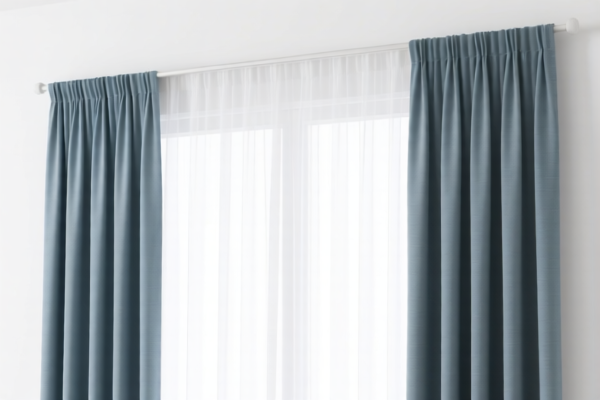
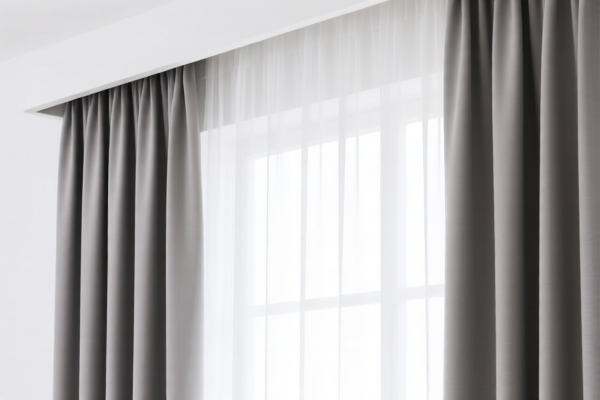
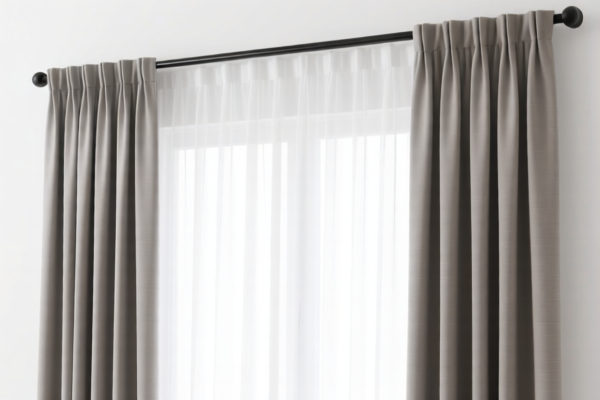
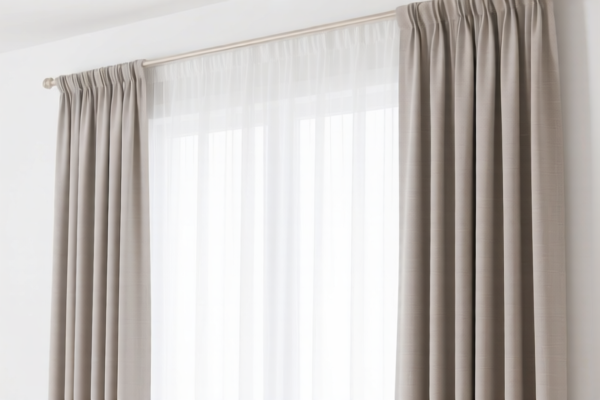
AI Analysis
🛏️ Synthetic Fiber Bedding Fabric
🌐 HS Code Reference & Customs Clearance Guide | 2026 Latest Tariff Analysis | Professional Clearance Strategy
📌 I. Product Definition & Classification: What Exactly is "Synthetic Fiber Bedding Fabric"?
"Synthetic Fiber Bedding Fabric" is a broad term in international trade covering textiles used for sheets, comforters, duvet covers, and pillowcases. It is not a single HS Code but depends on the material composition (Polyester vs. Nylon vs. Other) and fabric structure (Woven vs. Non-woven, Long Fiber vs. Staple Fiber).
⚠️ Critical Distinction Points:
- Material Type: Is it Polyester (PET)? Nylon? Or other man-made fibers?
- Fiber Form: Are the fibers Long Filaments (continuous threads, smooth, shiny like satin) or Staple Fibers (short fibers, cotton-like feel, matte)?
- Fabric Structure: Is it Woven (interlaced yarns) or Knitted/Non-woven?
General Rule for Bedding Fabrics:
- If it’s a woven fabric made of synthetic staple fibers (e.g., polyester cotton blend feel), it typically falls under Chapter 55.
- If it’s a woven fabric made of synthetic filament yarns (e.g., silk-like satin), it typically falls under Chapter 54.
📦 II. HS Code Classification Details (2026 Latest Tariff Alignment)
Based on the provided data, here are the specific HS Codes and their logical grouping for synthetic bedding fabrics. All items listed are Woven Fabrics.
| HS Code | Product Description (Summary) | Key Characteristics | Material Match |
|---|---|---|---|
5513.13.00.90 |
Apparel Fabric of Synthetic Fibers | Woven, <85g/m², Poly/acetate staple fibers | Polyester/Acetate blend staple fiber |
5407.42.00.30 |
Synthetic Filament Woven Fabric | Woven, other synthetic filaments | Polyester/Nylon filament (satin/silk-like) |
5407.52.20.20 |
Polyester/Synthetic Woven Fabric | Woven, polyester staple or filament | Specific polyester woven variant |
5512.19.00.05 |
Synthetic Staple Fiber Fabric | Woven, other synthetic staple fibers | General synthetic staple (no conflict) |
5512.11.00.90 |
Other Synthetic Staple Woven Fabric | Woven, other types | Specific synthetic staple variant |
🔍 Key Insight:
- Chapter 54 (5407) applies to fabrics made from synthetic filament yarns (long, continuous threads). These are often used for high-end, silky-smooth bedding.
- Chapter 55 (5512/5513) applies to fabrics made from synthetic staple fibers (short fibers spun into yarn). These feel more like cotton or flannel and are common for everyday bedding.
- Do not confuse "Bedding" (finished goods, Chapter 63) with "Bedding Fabric" (raw textile, Chapter 54/55). This guide is for the fabric only.
💰 III. 2026 Latest Tariff Rate Breakdown (Including Surcharge & Policy Add-ons)
✅ Applicable Country: United States (US)
✅ Origin: China (CN)
✅ Effective Date: 2025/2026 (Current Import Cycle)
🎯 1. High-Tax Category: 5513.13.00.90, 5407.42.00.30, 5407.52.20.20
| Item | Detail |
|---|---|
| Base Tariff | 14.9% |
| Section 301 Surcharge | 25.0% |
| Section 122 Tariff | 10.0% |
| Total Tariff Rate | 49.9% |
| Tax Calculation | CIF Value × 49.9% |
| De Minimis Eligibility | ❌ Not Eligible (Deny De Minimis) |
| Legal Basis Path | Section 301 → Section 122 → HTSUS 5513/5407 |
📌 Explanation:
- These codes attract the maximum combined tariff burden.
- Base (14.9%) is the standard MFN rate.
- Section 301 (25%) is the punitive tariff on Chinese goods.
- Section 122 (10%) is an additional safeguard duty applied to certain textiles/apparel inputs.
- Total: 49.9% is extremely high. Profit margins will be severely impacted unless costs are absorbed or prices are raised.
🎯 2. Medium-Tax Category: 5512.19.00.05
| Item | Detail |
|---|---|
| Base Tariff | 13.6% |
| Section 301 Surcharge | 25.0% |
| Section 122 Tariff | 10.0% |
| Total Tariff Rate | 48.6% |
| Tax Calculation | CIF Value × 48.6% |
| De Minimis Eligibility | ❌ Not Eligible |
| Legal Basis Path | Section 301 → Section 122 → HTSUS 5512 |
📌 Note:
- Slightly lower base rate (13.6% vs 14.9%) reduces the total by 1.3%.
- Still subject to full 301 and 122 surcharges.
🎯 3. Low-Tax Category: 5512.11.00.90
| Item | Detail |
|---|---|
| Base Tariff | 12.0% |
| Section 301 Surcharge | 2.0% |
| Section 122 Tariff | 10.0% |
| Total Tariff Rate | 24.0% |
| Tax Calculation | CIF Value × 24.0% |
| De Minimis Eligibility | ❌ Not Eligible (Check specific exclusions) |
| Legal Basis Path | Section 301 (Low Rate) → Section 122 → HTSUS 5512.11 |
📌 Critical Advantage:
- This is the ONLY code in the list with a reduced Section 301 rate (2.0% instead of 25%).
- Total Tariff: 24.0% is less than half of the 49.9% rate.
- Eligibility: This code must specifically fall under "Other" synthetic staple fibers that qualify for the lower 301 rate. Ensure your product exactly matches the description for5512.11to claim this benefit. Misclassification here leads to severe penalties.
🛠️ IV. Customs Clearance Practical Advice (Avoiding Pitfalls)
✅ 1. Document Checklist (Non-Negotiable)
| Document | Required? | Purpose |
|---|---|---|
| ✅ Fabric Specification Sheet | ✔️ | Must detail: Fiber content (% Polyester/Staple), Weight (GSM), Width, Weave Type (Satin/Twill/Plain). |
| ✅ Commercial Invoice | ✔️ | Must explicitly state: "Synthetic Fiber Woven Fabric for Bedding Use," NOT "Bedding Set." |
| ✅ Packing List | ✔️ | Show net/gross weight, number of rolls/bales. |
| ✅ Certificate of Origin (CO) | ✔️ | Proof of China origin triggers the tariffs. |
| ✅ Test Report | ✔️ | Fiber composition test (ASTM D276) from a third-party lab to prove % of synthetic fiber. |
✅ 2. Classification Strategy (The Golden Rule)
🔥 "Match Fiber to Chapter: Filament → Ch 54, Staple → Ch 55. Then Match Weave & Weight!"
| Scenario | Recommended HS Code | Tariff Risk |
|---|---|---|
| Polyester Satin (Silk-like) | 5407.42.00.30 or 5407.52.20.20 |
⚠️ High (49.9%) |
| Polyester Canvas/Duck (Heavy) | 5513.13.00.90 |
⚠️ High (49.9%) |
| Polyester Brushed/Fleece (Staple) | 5512.11.00.90 |
✅ Low (24.0%) IF eligible |
| Other Synthetic Staple (e.g., Acrylic) | 5512.19.00.05 |
⚠️ High (48.6%) |
📌 Warning:
- Do not use5512.11.00.90unless your fabric is confirmed to be a synthetic staple fiber (not filament) and meets the specific subheading criteria for the 2% Section 301 rate.
- If you use the wrong code, you risk back taxes, penalties, and cargo detention.
✅ 3. Special Handling for "Bedding" Claims
| Situation | Action |
|---|---|
| Selling as "Raw Fabric" | Declare as "Textile Fabric," not "Bedding." Avoid "Bedding" in the commercial name to prevent customs from checking Chapter 63 (finished goods). |
| Selling as "Cut Panels" | If cut into sheets/pillowcases, it may be considered "Finished Goods" → Chapter 63, which has different tariffs. Clarify with your broker. |
| OEM Private Label | Provide brand authorization if requested, but tariff classification remains based on material, not brand. |
🌍 V. Global Market Comparison (2026)
| Country | Recommended HS Code | Tariff Rate (China Origin) | Notes |
|---|---|---|---|
| 🇺🇸 USA | 5512.11.00.90 (Best) or 5407.x |
24.0% (Low) or 49.9% (High) | Heavy Section 301 + 122 duties. Cost Driver! |
| 🇨🇳 China | Same HS Code | ~5-10% | No Section 301/122. Lower cost for domestic use. |
| 🇪🇺 EU | Same HS Code | 4-6% | No Section 301. Only standard EU customs duty. |
| 🇬🇧 UK | Same HS Code | 4-6% | Post-Brexit, similar to EU but separate rules. |
| 🇯🇵 Japan | Same HS Code | 5-9% | Generally moderate tariffs. |
📌 Conclusion:
- The US market is the most expensive due to the unique combination of Base + 301 + 122 tariffs.
- Optimization Strategy: Try to classify under5512.11.00.90(24.0%) if your fabric meets the criteria. Avoid5407codes (49.9%) for standard polyester fabrics if possible, unless the product is high-value silk-like satin.
📌 VI. Common Errors & Pitfalls (Blood & Tears Lessons)
❌ Error 1: Declaring "Bedding Fabric" as "Bedding Set" (Chapter 63)
👉 Consequence: Higher duty rate, additional requirements (e.g., labeling for finished goods), potential rejection.
❌ Error 2: Using 5512.11.00.90 for Filament Fabric (Satin)
👉 Consequence: Customs will reclassify to 5407 → Tariff jumps from 24% to 49.9% + Penalties.
❌ Error 3: Ignoring "Section 122"
👉 Consequence: Forgetting the extra 10% adds to the cost. Always include it in cost models.
❌ Error 4: Vague Description: "Synthetic Fabric"
👉 Consequence: Customs exam delay. Provide exact fiber composition (e.g., "100% Polyester Staple Fiber Woven Fabric, 150 GSM").
✅ Correct Practice:
"100% Polyester Staple Fiber Woven Fabric, Plain Weave, 120 GSM, White, For Bedding Use, Model XYZ, China Origin"
🎯 VII. Conclusion: Precise Classification Saves Money!
🎯 Remember the Mantra:
🔹 "Filament = Ch 54 (High Tax), Staple = Ch 55 (Check for Low Tax)."
🔹 "Target5512.11for 24% Total Tariff, Avoid5407unless necessary for 49.9%."
🔹 "Section 122 is always +10%. Don't forget it!"
📌 Pro Tip:
If your fabric is 100% Polyester Staple and fits 5512.11, insist on this code. It saves ~26% in tariff costs compared to other codes. Get a pre-ruling (Advance Ruling) from CBP if unsure.
📣 Immediate Action:
📞 Consult your customs broker with fabric specs.
📋 Verify fiber content with a lab test.
💰 Calculate landed cost using the 24.0% vs 49.9% scenarios.
✨ Professional Clearance Starts with Accurate Classification!
💼 Your Profit Margin Depends on Getting This Right!
Customer Reviews
About HS Code Classification
The Harmonized System (HS) is an internationally standardized nomenclature developed by the World Customs Organization (WCO) to classify traded products. Over 200 countries use the HS system as the basis for customs tariffs, trade statistics, and import/export regulations.
Each HS code follows a hierarchical structure:
- Chapter (2 digits) — Broad category of goods (e.g., Chapter 84: Machinery and Mechanical Appliances)
- Heading (4 digits) — More specific grouping within the chapter
- Subheading (6 digits) — Internationally standardized breakdown, used by all WCO member countries
- National subdivisions (8-10 digits) — Country-specific extensions for further classification, such as US HTSUS 10-digit codes
Correct HS code classification is essential for smooth customs clearance, accurate duty payment, and compliance with trade regulations. Misclassification can lead to customs delays, overpayment of duties, or penalties.
When importing from CN to US, the applicable tariff rates may include:
- Most-Favored-Nation (MFN) rate — The standard duty rate applied to WTO members
- General rate — Applied to countries without trade agreements
- Trade remedy duties — Additional tariffs such as Section 301 (anti-dumping), Section 232 (national security), or countervailing duties
The information provided on this page is for reference purposes only. For official classification, please consult with your local customs authority or a licensed customs broker.