Synthetic Fiber Braided Handbag
CN → US| HS Code | Tariff Rate | Origin | Destination | Doc |
|---|---|---|---|---|
| 4202224020 | 42.4% | CN | US | Official Doc |
| 4602112100 | 41.2% | CN | US | Official Doc |
| 4602192920 | 40.3% | CN | US | Official Doc |
| 4202228980 | 52.6% | CN | US | Official Doc |
| 6001102000 | 52.2% | CN | US | Official Doc |
Product Images
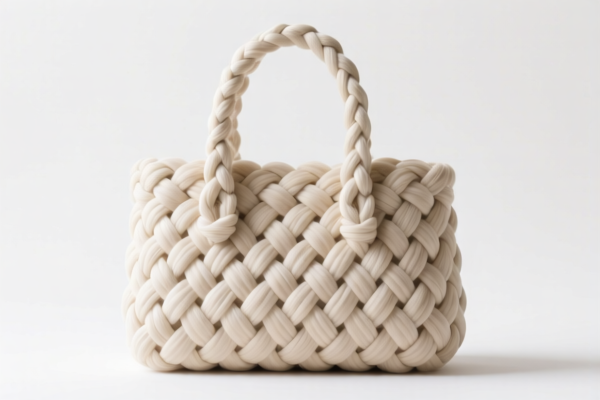
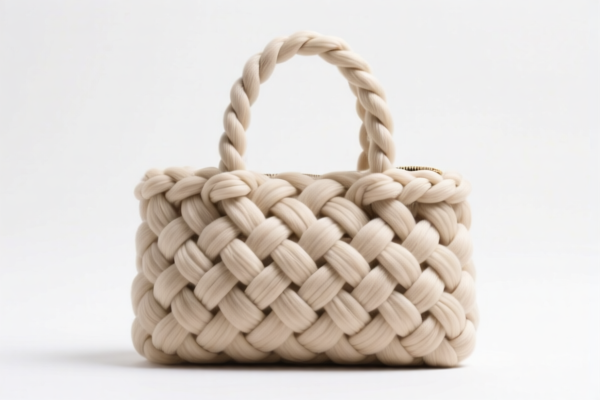
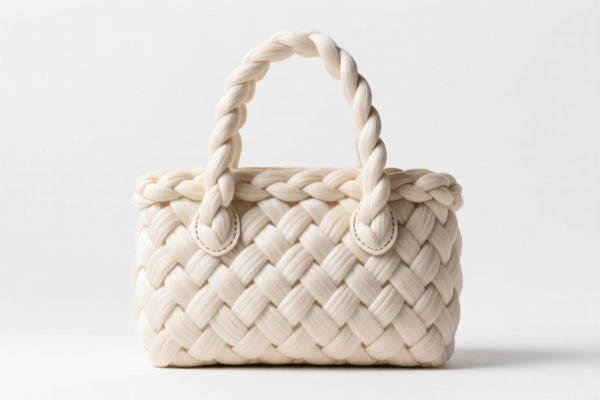
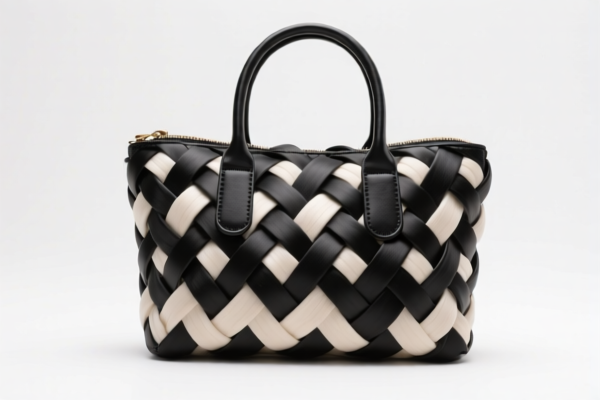
AI Analysis
👜 Synthetic Fiber Braided Handbags (The "Textile Trap" & Bamboo Alternatives)
🌐 HS Code Reference & Customs Clearance Guide | 2026 Latest Tariff Analysis | Professional Strategy
📌 1. Product Definition: What Exactly Are We Talking About?
A "Synthetic Fiber Braided Handbag" typically refers to bags made from woven plastic strips, PP (polypropylene) rope, or synthetic fibers that mimic natural materials. However, in international trade, material composition is king.
The term "Synthetic Fiber" is ambiguous. Customs will look at the primary material and structure: * Is it pure textile? → Group 42 (Articles of leather/travel goods) or Group 60 (Knitted fabrics). * Is it plant-based (bamboo/rattan) but labeled wrongly? → Group 46 (Plaiting materials). * Is it a mix? → Primary material dictates classification.
⚠️ Critical Distinction:
- If the bag is made of woven synthetic fibers (like PP rope), it often falls under Leather Goods Articles (4202) because it is a "handbag" made of materials not specifically listed elsewhere, OR under Textiles (6001/6307) if it's just fabric.
- If it claims to be "bamboo" or "plant-based," it falls under 4602.
- Misclassification Risk: High. Declaring a plastic/bamboo mix as "textile" to avoid Section 301 tariffs can lead to severe penalties.
📦 2. HS Code Classification Matrix (2026 Latest Tariffs for US Imports from China)
| HS Code | Product Description | Material/Structure | Total Tax Rate* | Key Tax Components |
|---|---|---|---|---|
4202.22.40.20 |
Handbags, incl. shoulder bags with outer surface of woven materials | Synthetic woven strips (e.g., PP rope, plastic weave) | 42.4% | Base: 7.4% + Sec. 301: 25.0% + IEEPA: 10% |
4602.11.21.00 |
Handbags made of bamboo, rattan, or similar plant materials | Bamboo, Rattan, Reed, Straw | 41.2% | Base: 6.2% + Sec. 301: 25.0% + IEEPA: 10% |
4602.19.29.20 |
Other plaited goods, incl. handbags made of other plant materials | Misc. plant fibers (non-bamboo) | 40.3% | Base: 5.3% + Sec. 301: 25.0% + IEEPA: 10% |
4202.22.89.80 |
Handbags with outer surface of textile materials | Cotton, Polyester, Nylon fabrics (woven/knitted) | 52.6% | Base: 17.6% + Sec. 301: 25.0% + IEEPA: 10% |
6001.10.20.00 |
Knitted pile fabrics (Raw material, not a bag) | Synthetic fiber pile/knitted fabric | 52.2% | Base: 17.2% + Sec. 301: 25.0% + IEEPA: 10% |
📌 Note on "Synthetic Fiber Braided":
- If the bag is made of PP rope (polypropylene), it is most commonly classified under4202.22.40.20(Woven materials handbags).
- If it is made of textile fabric (e.g., woven polyester ribbon), it falls under4202.22.89.80.
- Crucial: Do NOT use4602codes unless the material is genuinely plant-based (bamboo, rattan, straw). Using plant codes for synthetic goods is fraud.
💰 3. Detailed Tariff Breakdown (US Market, China Origin)
🎯 Case A: 4202.22.40.20 – Woven Material Handbag (e.g., PP Rope Bag)
| Item | Detail |
|---|---|
| Base Tariff | 7.4% |
| Section 301 (Trade War) | +25.0% (Footnote 9903.88.01) |
| IEEPA (China Specific) | +10.0% (Effective Nov 2025) |
| Total Effective Rate | 42.4% |
| De Minimis Eligibility | ❌ NO (Value > $800 required for exemption; small parcels taxed) |
📌 Explanation:
- This is the most common code for "eco-friendly" woven plastic bags.
- The 25% Section 301 tariff is the biggest cost driver.
- The 10% IEEPA is a new layer on top of the 301 tariff for most Chinese goods.
🎯 Case B: 4202.22.89.80 – Textile Material Handbag (e.g., Polyester Ribbon Bag)
| Item | Detail |
|---|---|
| Base Tariff | 17.6% |
| Section 301 | +25.0% |
| IEEPA | +10.0% |
| Total Effective Rate | 52.6% |
| De Minimis Eligibility | ❌ NO |
📌 Warning:
- This rate is 10.2% HIGHER than the woven plastic bag (4202.22.40.20).
- Many manufacturers try to declare textile bags as "woven materials" to save money, but if the bag is made of knit/woven fabric strips, customs may reclassify it.
🎯 Case C: 4602.11.21.00 – Bamboo/Rattan Handbag (Legitimate Plant-Based)
| Item | Detail |
|---|---|
| Base Tariff | 6.2% |
| Section 301 | +25.0% |
| IEEPA | +10.0% |
| Total Effective Rate | 41.2% |
| De Minimis Eligibility | ❌ NO |
📌 Strategy:
- If your bag is genuinely made of bamboo or rattan, this is the cheapest option (41.2%).
- Proof Required: You must provide material certificates showing plant origin. If it’s plastic, you cannot use this code.
🛠️ 4. Customs Clearance Practical Advice (Avoiding Pitfalls)
✅ 1. Documentation Checklist
| Document | Requirement | Why? |
|---|---|---|
| Material Composition Report | Must specify % of synthetic vs. natural fibers | To justify HS Code choice (4202 vs. 4602) |
| Product Photos | Clear view of weave texture, lining, hardware | Customs inspectors check if it’s "textile" or "plastic weave" |
| Commercial Invoice | Describe as "Handbag, Outer Surface: Woven Polypropylene" | Avoid vague terms like "Braided Bag" |
| Origin Certificate | Certificate of Origin (CO) | Required for 301/IEEPA calculations |
✅ 2. Naming & Description Tips
🔥 Golden Rule: "Be Specific About Material, Not Just Shape."
| Wrong Description | Right Description | Impact |
|---|---|---|
| "Braided Bag" | "Handbag, Outer Material: Woven Polypropylene Rope" | ✅ Accurate (4202.22.40.20) |
| "Plastic Bag" | "Handbag, Outer Material: Synthetic Textile Fabric" | ✅ Accurate (4202.22.89.80) |
| "Bamboo Bag" | "Handbag, Outer Material: Natural Bamboo Strip" | ✅ Accurate (4602.11.21.00) |
✅ 3. Common Errors & Penalties
| Error | Consequence |
|---|---|
| Declaring Plastic Bag as "Bamboo" | Customs rejects, fines up to 2x duty value, seizure |
| Ignoring IEEPA 10% | Underpayment of duties, interest + penalties upon audit |
| Using 6001 (Fabric) for Finished Bag | Incorrect classification (finished goods go to 4202), penalty |
🌍 5. Global Market Comparison
| Country | Recommended HS Code | Est. Total Duty | Notes |
|---|---|---|---|
| 🇺🇸 USA | 4202.22.40.20 (Woven) |
42.4% | High tariffs due to 301 + IEEPA |
| 🇺🇸 USA | 4202.22.89.80 (Textile) |
52.6% | Highest among these options |
| 🇪🇺 EU | 4202.22 |
~4-12% | No Section 301/IEEPA. Much cheaper. |
| 🇨🇳 China | 4202.22 |
~10-15% | Domestic import duties apply. |
📌 Key Takeaway:
- The US market is expensive for these bags due to trade policies.
- If you are selling to the US, optimize material cost or consider Vietnam/Mexico sourcing to avoid Section 301/IEEPA tariffs (check specific country rules).
📌 6. Final Recommendations
- Verify Material: Is it plastic (PP) or textile (polyester/cotton)? This decides between
4202.22.40and4202.22.89. - Check for Plant Content: If >50% natural plant fiber (bamboo/rattan), use
4602.11.21for lower base duty (though 301/IEEPA still apply). - Calculate Landed Cost:
- Woven Plastic Bag: CIF × 1.424
- Textile Bag: CIF × 1.526
- Bamboo Bag: CIF × 1.412
- Pre-Ruling: For large volumes, request a Binding Ruling from CBP to confirm classification and avoid audits.
🎯 Pro Tip:
"Don’t let 'Braided' confuse you. Look at the thread. Plastic? Go 4202.22.40. Fabric? Go 4202.22.89. Bamboo? Go 4602.11.21. Save the 10%, avoid the 52% trap!"
✨ Accurate Classification = Lower Duties = Higher Profit
💼 Consult a licensed customs broker before shipping!
Customer Reviews
About HS Code Classification
The Harmonized System (HS) is an internationally standardized nomenclature developed by the World Customs Organization (WCO) to classify traded products. Over 200 countries use the HS system as the basis for customs tariffs, trade statistics, and import/export regulations.
Each HS code follows a hierarchical structure:
- Chapter (2 digits) — Broad category of goods (e.g., Chapter 84: Machinery and Mechanical Appliances)
- Heading (4 digits) — More specific grouping within the chapter
- Subheading (6 digits) — Internationally standardized breakdown, used by all WCO member countries
- National subdivisions (8-10 digits) — Country-specific extensions for further classification, such as US HTSUS 10-digit codes
Correct HS code classification is essential for smooth customs clearance, accurate duty payment, and compliance with trade regulations. Misclassification can lead to customs delays, overpayment of duties, or penalties.
When importing from CN to US, the applicable tariff rates may include:
- Most-Favored-Nation (MFN) rate — The standard duty rate applied to WTO members
- General rate — Applied to countries without trade agreements
- Trade remedy duties — Additional tariffs such as Section 301 (anti-dumping), Section 232 (national security), or countervailing duties
The information provided on this page is for reference purposes only. For official classification, please consult with your local customs authority or a licensed customs broker.