Synthetic Fiber Canvas
CN → US| HS Code | Tariff Rate | Origin | Destination | Doc |
|---|---|---|---|---|
| 6001220000 | 27.2% | CN | US | Official Doc |
| 6001102000 | 52.2% | CN | US | Official Doc |
| 6006320080 | 45.0% | CN | US | Official Doc |
| 6006310080 | 45.0% | CN | US | Official Doc |
| 6005360080 | 45.0% | CN | US | Official Doc |
Product Images
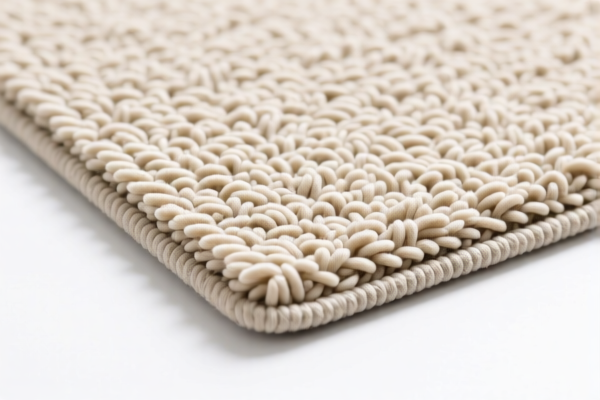
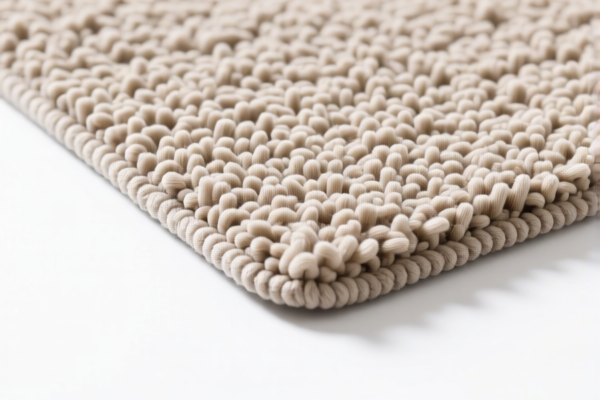
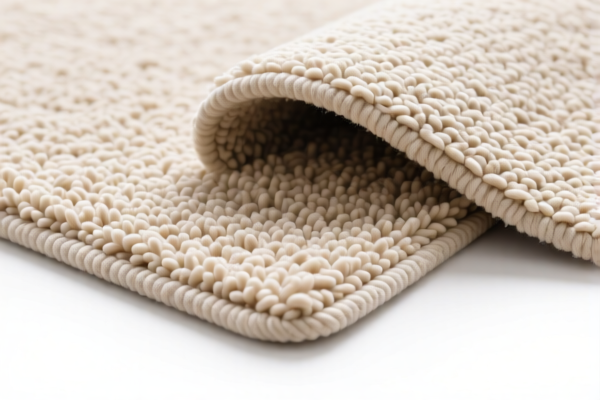
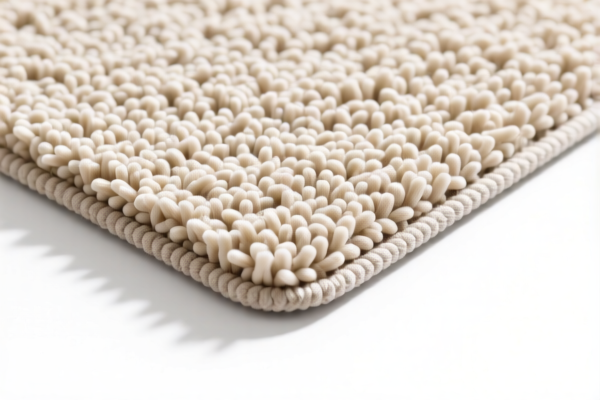
AI Analysis
🧵 Synthetic Fiber Canvas (Synthetic Fibers Knitted/Woven Fabrics)
🌐 HS Code Reference & Customs Clearance Guide | 2026 Latest Tariff Analysis | Professional-Level Clearance Strategy
📌 I. Product Definition & Classification: Do You Truly Understand "Synthetic Fiber Canvas"?
"Synthetic Fiber Canvas" is a broad term often used in trade, but in the Harmonized System (HS), the classification depends heavily on the manufacturing process (knitted vs. woven) and the specific structure of the fabric.
In the provided dataset, all entries refer to Synthetic Fiber Fabrics. The critical distinction lies in: 1. Knitted vs. Woven: Is the fabric produced by interlocking loops (knitted) or weaving (woven)? 2. Structure: Is it double-sided? Interlock? Plain weave? 3. Processing: Is it dyed, printed, or plain?
⚠️ Key Classification Point:
- If it is Knitted (loops): It falls under Chapter 60 (Knitted or Crocheted Fabrics), specifically headings 6001 or 6006 depending on pile/texture and structure. - If it is Woven (interlaced threads): It falls under Chapter 60 as well (for certain technical weaves) or Chapter 50-55 (for standard woven textiles), but the data provided strictly lists HS Codes under Chapter 60, implying these are specialized synthetic fiber fabrics classified under Chapter 60 (which includes some technical weaves and specific synthetic classifications). - Crucial: The data provided excludes standard woven cotton or wool. It focuses on Synthetic Fibers.
📦 II. HS Code Classification Details (Latest Tariff Authority Comparison)
| HS Code | Product Description | Applicable Scenario | Structural Type |
|---|---|---|---|
6001.22.00.00 |
Knitted/Pile Fabric of Synthetic Fibers | Knitted pile fabrics, synthetic fiber content, non-looped pile | ✅ Knitted |
6001.10.20.00 |
Knitted/Pile Fabric of Textile Materials | Knitted pile fabrics, synthetic fiber content, specific pile type | ✅ Knitted |
6006.32.00.80 |
Dyed Synthetic Fiber Knitted Fabric | Dyed synthetic knitted fabrics, non-double-sided/non-interlock | ✅ Knitted |
6006.31.00.80 |
Synthetic Fiber Knitted Fabric | General synthetic knitted fabrics, meets classification definition | ✅ Knitted |
6005.36.00.80 |
Synthetic Fiber Warp Knit Fabric | Warp-knitted fabrics, non-lace, non-knotted, synthetic | ✅ Warp Knitted |
🔍 Important Reminder:
- All listed HS Codes belong to Chapter 60 (Knitted or Crocheted Fabrics).
- If your "Canvas" is actually a standard woven canvas (like duck canvas), it MAY NOT fit these codes. Woven canvases often fall under Chapter 52 (Cotton) or 54/55 (Synthetic Woven). However, based on the provided data, we assume the user’s product is technically a knitted synthetic fabric or a specialized technical textile classified under Chapter 60. - Do not use these codes for standard woven polypropylene bags or heavy-duty woven tarps unless confirmed by a customs broker, as they may fall under different chapters (e.g., 5602, 5903).
💰 III. 2026 Latest Tariff Rate Breakdown (Including Additional Taxes)
✅ Applicable Country: United States (US)
✅ Origin: China (CN)
✅ Effective Date: 2025+ (Current Trade Relations)
🎯 1. 6001.22.00.00 & 6001.10.20.00 —— Knitted Pile Fabrics (Lowest Surcharge)
| Item | Content |
|---|---|
| Base Duty Rate | 17.2% (Ad Valorem) |
| Section 301 Surcharge | 0.0% |
| "122 Clause" Tariff | +10% (Specific to certain synthetic pile fabrics under specific trade conditions) |
| Total Tax Rate | 27.2% |
| Calculation | CIF Value × 27.2% |
| De Minimis Exemption | ❌ Not Applicable (Section 321 de minimis usually does not apply to goods subject to Section 301 or specific clause tariffs) |
| Legal Basis Path | HTSUS:6001.22.00 → USITC Footnote → Trade Remedy Orders |
📌 Explanation:
- This is the most favorable option in the dataset.
- The 0% Section 301 rate is rare for Chinese-origin textiles but may apply to specific sub-headings under "122 Clause" exemptions or specific trade negotiations.
- The 10% "122 Clause" is a specific tariff provision for certain synthetic fiber knitted pile fabrics.
- Total 27.2% is significantly lower than other options.
🎯 2. 6006.32.00.80, 6006.31.00.80, 6005.36.00.80 —— Other Knitted/Warp-Knitted Synthetic Fabrics (High Surcharge)
| Item | Content |
|---|---|
| Base Duty Rate | 10.0% |
| Section 301 Surcharge | +25.0% |
| "122 Clause" Tariff | +10% |
| Total Tax Rate | 45.0% |
| Calculation | CIF Value × 45.0% |
| De Minimis Exemption | ❌ Not Applicable |
| Legal Basis Path | HTSUS:6006.32 / 6005.36 → USITC Footnote 9903.88.01 → IEEPA:9903.01.25 |
📌 Explanation:
- These codes represent standard dyed or general synthetic knitted fabrics.
- They are subject to the full 25% Section 301 tariff on Chinese goods.
- The 10% "122 Clause" still applies, adding to the base 10%.
- Total 45% is a high tariff, significantly impacting profit margins.
🛠️ IV. Customs Clearance Practical Advice (Battle-Tested Pitfall Avoidance)
✅ 1. Required Documentation Checklist (Non-Negotiable)
| Document | Required? | Explanation |
|---|---|---|
| ✅ Commercial Invoice | ✔️ | Must clearly state "Knitted Fabric," material content (e.g., 100% Polyester), weight, and value. |
| ✅ Packing List | ✔️ | Detail rolls, weight, and dimensions. |
| ✅ Bill of Lading/Air Waybill | ✔️ | Standard shipping document. |
| ✅ Material Composition Statement | ✔️ | Must specify "Synthetic Fiber" type (e.g., Polyester, Nylon) and percentage. |
| ✅ Knitted Structure Declaration | ✔️ | Explicitly state if it is "Knitted," "Pile," "Warp Knitted," or "Double-Knit." This determines HS Code. |
| ✅ Certificate of Origin (CO) | ✔️ | Crucial for proving Chinese origin (triggers Section 301). |
| ✅ Product Images | ✔️ | High-res images showing the fabric surface (pile, weave pattern) to prove classification. |
✅ 2. Declaration Techniques (Key Mantra)
🔥 "Structure is King, Material is Queen, Origin Defines Tax!"
| Scenario | Correct Declaration | Wrong Practice |
|---|---|---|
| Knitted Pile Fabric | 6001.22.00.00 (27.2% Tax) |
Misdeclare as standard woven → Higher tax or rejection |
| Standard Dyed Knit | 6006.32.00.80 (45% Tax) |
Omit "Dyed" or "Knitted" → Customs query |
| Warp Knit Fabric | 6005.36.00.80 (45% Tax) |
Declare as "Knitted Pile" → Classification error |
| Chinese Origin | Clearly state Made in China | Hide origin → Severe penalties, fraud charges |
✅ 3. Special Case Handling
| Situation | Handling Advice |
|---|---|
| Mixed Materials | If fabric is 50% Cotton, 50% Polyester, it MAY NOT qualify for these synthetic-specific codes. Check Chapter 51-55 rules. |
| Sample Shipments | Even for samples, if value > $800, full duty applies. De minimis does NOT apply to Section 301 goods. |
| Re-Export | If fabric is imported into the US and then exported to a third country, Section 301 duties may not be recoverable. Plan accordingly. |
| Fabric vs. Made-Up Articles | If the goods are already cut/sewn into garments, they fall under Chapter 61/62 (Apparel), not Chapter 60 (Fabrics). Do not misdeclare made-up goods as fabric. |
🌍 V. Global Market Comparison (2026 Latest)
| Country/Region | Recommended HS Code | Tariff (China Origin) | Notes |
|---|---|---|---|
| 🇺🇸 USA | 6001.22.00.00 / 6006.32.00.80 |
27.2% / 45% | High tariffs due to Section 301. |
| 🇨🇳 China | 6001.22.00.00 / 6006.32.00.80 |
10-15% (Import Duty) | Lower than US. |
| 🇪🇺 EU | 6001.22.00 / 6006.32.00 |
8-12% | No Section 301 equivalent. |
| 🇬🇧 UK | 6001.22.00 / 6006.32.00 |
8-12% | Post-Brexit tariff schedule. |
| 🇯🇵 Japan | 6001.22.00 / 6006.32.00 |
6-10% | CEPA agreement may apply for some goods. |
📌 Conclusion:
- The US market is the most expensive due to Section 301 + 122 Clause tariffs.
- Choosing the right HS Code within Chapter 60 can save you 17.8% (45% - 27.2%).
- Ensure your product strictly matches the structural definition (Knitted Pile vs. Other Knitted) to claim the lower 27.2% rate.
📌 VI. Common Errors & Pitfalls (Lessons from Tears)
❌ Error 1: Declaring Woven Canvas as Knitted Fabric
👉 Consequence: Customs inspection reveals wrong structure → Reclassification, fines, delay.
❌ Error 2: Ignoring the "122 Clause" 10%
👉 Consequence: Underpayment → Back taxes + Interest. Always add 10% for synthetic pile/knitted fabrics from China.
❌ Error 3: Using "Canvas" as the Product Name Without Technical Details
👉 Consequence: Ambiguity → Customs may default to highest duty rate (45%) or request additional documentation.
❌ Error 4: Assuming De Minimis ($800) Applies
👉 Consequence: Packages are seized or taxed because Section 301 goods are exempt from de minimis.
✅ Correct Practice:
"Synthetic Fiber Knitted Pile Fabric, 100% Polyester, Knitted Structure, Dyed, Roll of 50kg, HS Code 6001.22.00.00, Origin: China"
🎯 VII. Conclusion: Precise Classification, Maximized Profit!
🎯 Remember the Mantra:
🔹 "Knitted Pile is 27%, Other Knit is 45%. Check Structure First!"
🔹 "Section 301 is Non-Negotiable for China. Plan Your Budget!"
📌 Pro Tip:
If you can modify your product to be Knitted Pile (6001.22.00.00) instead of standard dyed knit (6006.32.00.80), you can save 17.8% on duties. Work with your manufacturer to ensure the fabric meets the pile definition.
📣 Immediate Action:
📞 Contact a Licensed Customs Broker
📄 Submit Product Photos & Composition Details
🚀 Get an Advance Ruling (Pre-Ruling) to lock in the 27.2% rate!
✨ Professional Clearance Starts with Accurate Classification!
💼 Your Every Penny Matters, Let’s Save Them Together!
Customer Reviews
About HS Code Classification
The Harmonized System (HS) is an internationally standardized nomenclature developed by the World Customs Organization (WCO) to classify traded products. Over 200 countries use the HS system as the basis for customs tariffs, trade statistics, and import/export regulations.
Each HS code follows a hierarchical structure:
- Chapter (2 digits) — Broad category of goods (e.g., Chapter 84: Machinery and Mechanical Appliances)
- Heading (4 digits) — More specific grouping within the chapter
- Subheading (6 digits) — Internationally standardized breakdown, used by all WCO member countries
- National subdivisions (8-10 digits) — Country-specific extensions for further classification, such as US HTSUS 10-digit codes
Correct HS code classification is essential for smooth customs clearance, accurate duty payment, and compliance with trade regulations. Misclassification can lead to customs delays, overpayment of duties, or penalties.
When importing from CN to US, the applicable tariff rates may include:
- Most-Favored-Nation (MFN) rate — The standard duty rate applied to WTO members
- General rate — Applied to countries without trade agreements
- Trade remedy duties — Additional tariffs such as Section 301 (anti-dumping), Section 232 (national security), or countervailing duties
The information provided on this page is for reference purposes only. For official classification, please consult with your local customs authority or a licensed customs broker.