Synthetic Fiber Mask Fabric
CN → US| HS Code | Tariff Rate | Origin | Destination | Doc |
|---|---|---|---|---|
| 5513130090 | 49.9% | CN | US | Official Doc |
| 5407420030 | 49.9% | CN | US | Official Doc |
| 5407522020 | 49.9% | CN | US | Official Doc |
| 5512190005 | 48.6% | CN | US | Official Doc |
| 5512110090 | 24.0% | CN | US | Official Doc |
Product Images
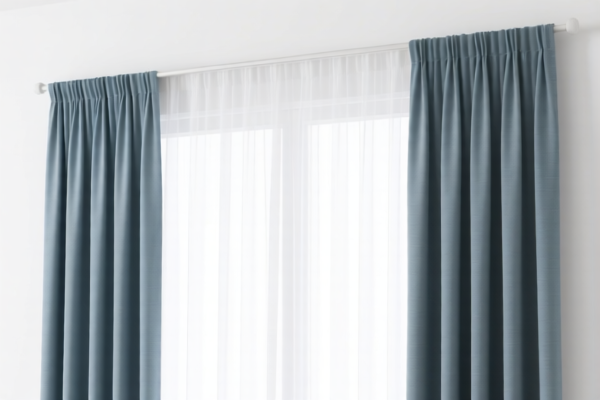
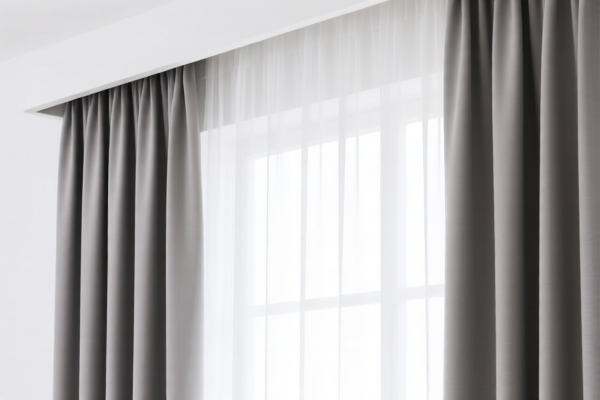
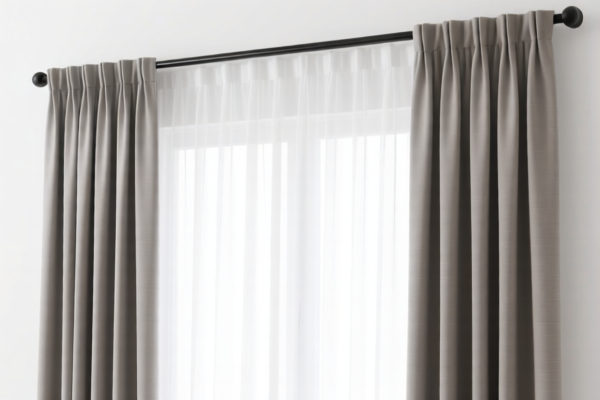
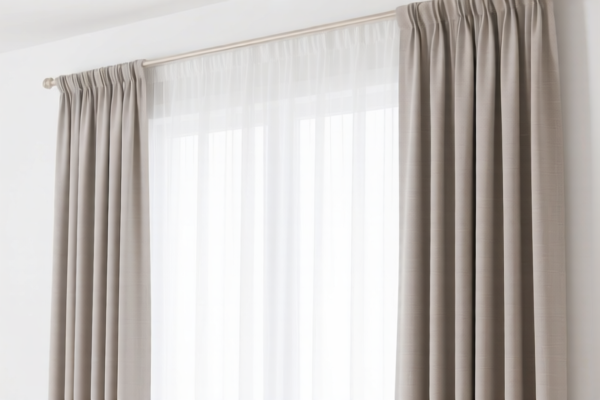
AI Analysis
🎭 Synthetic Fiber Mask Fabric (Textiles for Face Masks)
🌐 HS Code Reference & Clearance Guide | 2026 Latest Tariff Analysis | Professional Level Entry Strategy
📌 I. Product Definition & Classification: Do You Really Understand "Synthetic Mask Fabric"?
Synthetic fiber mask fabric is the core raw material for personal protective equipment (PPE) and fashion masks. In international trade, it is classified not by its final "mask" form, but by its material composition (synthetic fibers) and structure (woven/knitted fabric).
Key Distinction: * Non-Woven Fabrics (e.g., Melt-blown): Often classified under Chapter 59 or 63 depending on treatment. * Woven/Knitted Fabrics (e.g., Polyester, Nylon, Spandex blends): Classified under Chapter 54 (Long Filaments) or Chapter 55 (Staple Fibers).
⚠️ Critical Classification Logic:
- If the fabric is made from continuous filaments (long synthetic fibers like standard polyester yarn) → Chapter 54
- If the fabric is made from staple fibers (chopped synthetic fibers like cotton-like polyester or acrylic) → Chapter 55
- Do NOT classify as "Mask" (Chapter 63) if imported as fabric rolls; only classified as "Mask" if cut and sewn into final finished goods.
📦 II. HS Code Classification Details (2026 Latest Tariff Authority Comparison)
Based on your input data, here are the precise classifications for synthetic fiber mask fabrics, categorized by fiber type and structure.
| HS Code | Product Description | Application Scenario | Fiber Type | Tax Rate (Total) |
|--------|----------|----------|----------------|
| 5407.42.00.30 | Synthetic Filament Fabric | Woven polyester/nylon fabrics with long filaments; high durability for reusable masks. | Long Filament (Synthetic) | 49.9% |
| 5407.52.20.20 | Polyester/Synthetic Fabric | Specific polyester woven fabrics; matches "synthetic" description broadly. | Long Filament (Polyester) | 49.9% |
| 5513.13.00.90 | Other Synthetic Fabric | Catch-all for synthetic woven fabrics not specified elsewhere; general-purpose mask lining/fabric. | Long Filament (Synthetic) | 49.9% |
| 5512.19.00.05 | Synthetic Staple Fiber Fabric | Fabrics made from chopped synthetic fibers (e.g., polyester staple); softer feel. | Staple Fiber (Synthetic) | 48.6% |
| 5512.11.00.90 | Synthetic Staple Woven Fabric | Specific category for synthetic staple woven fabrics; Lowest Tax Option. | Staple Fiber (Synthetic) | 24.0% |
🔍 Key Insight:
- High Tariff Group (49.9%): Applies to Long Filament (Chapter 54) and some general synthetic weaves (Chapter 55). This includes most standard polyester woven mask fabrics.
- Low Tariff Group (24.0%): Applies to Synthetic Staple Fibers (Chapter 55) under specific subheadings. If your mask fabric is made from short-cut synthetic fibers (not continuous filaments), this is the optimal classification.
- Why the difference? The US imposes heavier Section 301 duties on specific synthetic filament imports compared to certain staple fiber categories.
💰 III. 2026 Latest Tariff Rate Breakdown (Including Duties & Surcharges)
✅ Applicable Country: United States (US)
✅ Origin: China (CN)
✅ Effective Date: November 10, 2025 (and subsequent imports)
🎯 1. High Tariff Group: 5407.42.00.30 / 5407.52.20.20 / 5513.13.00.90
Total Tax: 49.9%
| Item | Detail |
|---|---|
| Base Tariff | 14.9% (Most Favored Nation / MFN Rate) |
| Section 301 Add-on | +25.0% (USITC Footnote 9903.88.01 – Section 301 Duties) |
| IEEPA Add-on | +10.0% (International Emergency Economic Powers Act – China-specific) |
| Total Rate | 49.9% |
| Tax Calculation | CIF Value × 49.9% |
| De Minimis Eligibility | ❌ NO (Denied under 500.0.108 / IEEPA restrictions) |
| Legal Basis Path | IEEPA:9903.01.25 → USITC:5407/5513 → FOOTNOTE:9903.88.01 |
📌 Explanation:
- The 14.9% is the standard WTO-based base duty for synthetic fabrics.
- The 25% is the permanent Section 301 tariff on Chinese textiles/synthetics.
- The 10% is the new IEEPA surcharge for Chinese-origin goods.
- Total Impact: Nearly 50% of the CIF value is duty. This significantly impacts cost structures for reusable mask manufacturers.
🎯 2. Mid Tariff Group: 5512.19.00.05
Total Tax: 48.6%
| Item | Detail |
|---|---|
| Base Tariff | 13.6% |
| Section 301 Add-on | +25.0% |
| IEEPA Add-on | +10.0% |
| Total Rate | 48.6% |
| Tax Calculation | CIF Value × 48.6% |
| De Minimis Eligibility | ❌ NO |
📌 Note: Slightly lower than the 5407/5513.13 group due to a 1.3% lower base tariff (13.6% vs 14.9%). Still subject to full 301/IEEPA penalties.
🎯 3. Low Tariff Group: 5512.11.00.90
Total Tax: 24.0%
| Item | Detail |
|---|---|
| Base Tariff | 12.0% |
| Section 301 Add-on | +2.0% (Significantly Reduced!) |
| IEEPA Add-on | +10.0% |
| Total Rate | 24.0% |
| Tax Calculation | CIF Value × 24.0% |
| De Minimis Eligibility | ❌ NO (Still denied, but lower total burden) |
| Legal Basis Path | IEEPA:9901.25 → USITC:5512.11 → FOOTNOTE:9903.88.01 (Partial Exemption Context) |
📌 Critical Advantage:
- The Section 301 surcharge is only +2.0% instead of 25%!
- Why? Certain synthetic staple fiber woven fabrics under 5512.11 are exempt from the full 25% Section 301 duty, likely due to specific exclusion lists or lesser trade impact designation.
- Savings: This is a ~25.9% tax rate reduction compared to the high group.
- Requirement: The fabric MUST be made of staple fibers (not continuous filaments) and fit the specific description of 5512.11.
🛠️ IV. Clearance Practical Advice (Real-World Pitfall Guide)
✅ 1. Documentation Checklist (Non-Negotiable)
| Document | Required | Notes |
|---|---|---|
| ✅ Product Specification Sheet | ✔️ | Must specify: Fiber Type (Filament vs. Staple), Weight (GSM), Weave/Knit Structure, Finish (e.g., antibacterial, dyeing). |
| ✅ Laboratory Test Report | ✔️ | Crucial: Must prove fiber composition (e.g., "100% Polyester Staple Fiber" vs. "100% Polyester Filament"). ASTM D276 standard test recommended. |
| ✅ Fabric Swatch/Photo | ✔️ | Show cross-section if possible (staple vs. filament). |
| ✅ Commercial Invoice | ✔️ | Clearly state "Woven Fabric" or "Knitted Fabric", NOT "Face Mask". Include HS Code and Origin (China). |
| ✅ Packing List | ✔️ | Specify roll length, width, and total weight. |
| ✅ Bill of Lading/Air Waybill | ✔️ | Consignee details must match invoice. |
✅ 2. Declaration Strategy (Key Mantras)
🔥 "Fiber Type Defines Duty: Filament = 49%, Staple = 24%! Do Not Guess!"
| Scenario | Correct Declaration | Risk of Error |
|---|---|---|
| Continuous Polyester Yarn Woven | 5407.42.00.30 / 5513.13.00.90 |
If misdeclared as staple → Penalty + Back Taxes |
| Chopped Polyester Fiber Woven | 5512.11.00.90 |
If misdeclared as filament → Pay 49.9% instead of 24% |
| Final Sewn Mask | 6307.90.98.98 (Other Made Up Articles) |
Importing as "fabric" but sending "sewn masks" → Customs Seizure |
| Non-Woven Melt-Blown | 5911.90.00.00 or 6307.90 |
Do NOT use Chapter 54/55 codes for non-wovens |
✅ 3. Special Considerations
| Situation | Advice |
|---|---|
| Blended Fabrics | If the fabric is 90% Polyester Filament + 10% Spandex, it still falls under Chapter 54 (Filament). Check the predominant fiber by weight. |
| Colored vs. Bleached | Coloration does not change the HS code classification but must be declared accurately on the invoice. |
| Antibacterial Finish | If the fabric is impregnated with chemicals, it may be classified under 5911 (Technical Textiles) instead of 54/55. This changes the tax profile. Consult a specialist! |
| De Minimis (Section 321) | ❌ NO DE MINIMIS: All these HS codes are subject to IEEPA restrictions. Cannot use $800 de minimis exemption for individual shipments. Must file formal entry. |
🌍 V. Global Market Clearance Comparison (2026)
| Country/Region | Recommended HS Code | Estimated Duty (China Origin) | Key Certification | Notes |
|---|---|---|---|---|
| 🇺🇸 USA | 5512.11.00.90 (Staple) |
24.0% | None typically | 5407 codes = 49.9% |
| 🇺🇸 USA | 5407.42.00.30 (Filament) |
49.9% | None typically | High tariff risk |
| 🇪🇺 EU | 5512.11 / 5407.42 |
~10-12% | REACH Compliance | No Section 301/IEEPA |
| 🇨🇳 China | Same HS Codes | 5-8% | None | Low base duty |
| 🇬🇧 UK | Same HS Codes | ~10% | UKCA (if treated) | Post-Brexit rules apply |
📌 Conclusion:
- The US market is the most punitive due to the combination of MFN + Section 301 + IEEPA.
- Strategic Opportunity: If your mask fabric can be technically classified as Synthetic Staple Fiber (Chapter 55, Heading 5512), you save 25.9% in duties.
- Action: Verify your fabric’s fiber structure with a lab test. If it is staple, aggressively pursue5512.11.00.90.
📌 VI. Common Mistakes & Pitfalls (Lessons Learned)
❌ Mistake 1: Declaring "Polyester Fabric" without specifying Filament vs. Staple.
👉 Consequence: Customs will apply the highest default rate or conduct a detailed examination, causing delays.
❌ Mistake 2: Using "Face Mask" in the product description for fabric rolls.
👉 Consequence: Customs may reclassify as finished goods or suspect smuggling, leading to hold-ups.
❌ Mistake 3: Assuming De Minimis ($800) applies.
👉 Consequence: Shipment seizure or forced formal entry. These goods are explicitly excluded from de minimis.
❌ Mistake 4: Ignoring the IEEPA 10% surcharge.
👉 Consequence: Underpayment of duties, leading to penalties and interest upon audit.
✅ Correct Practice:
"Woven Fabric, 100% Polyester Staple Fiber, Bleached, 150 GSM, for Mask Production. HS Code: 5512.11.00.90. Origin: China."
🎯 VII. Conclusion: Precision in Classification Saves 25%+!
🎯 Key Takeaway:
🔹 "Filament is Expensive (49.9%), Staple is Smarter (24.0%)."
🔹 "Test your fiber type! Don't let 25% Section 301 kill your margin."
🔹 "No De Minimis – Plan your logistics accordingly!"
📌 Pro Tip:
If you are importing large volumes, consider Supply Chain Diversification. Sourcing synthetic fabric from Vietnam, Bangladesh, or Turkey may avoid the Section 301 (25%) and IEEPA (10%) surcharges, reducing total tax to ~10-15% (Base Duty only).
📣 Immediate Action:
📞 Contact a Customs Broker with your lab test report.
🧪 Verify Fiber Structure (Filament vs. Staple).
📄 Update Commercial Invoice to reflect accurate HS Code and Description.
✨ Professional Clearance Starts with Accurate Classification!
💼 Every Percent of Duty Saved is Pure Profit!
Customer Reviews
About HS Code Classification
The Harmonized System (HS) is an internationally standardized nomenclature developed by the World Customs Organization (WCO) to classify traded products. Over 200 countries use the HS system as the basis for customs tariffs, trade statistics, and import/export regulations.
Each HS code follows a hierarchical structure:
- Chapter (2 digits) — Broad category of goods (e.g., Chapter 84: Machinery and Mechanical Appliances)
- Heading (4 digits) — More specific grouping within the chapter
- Subheading (6 digits) — Internationally standardized breakdown, used by all WCO member countries
- National subdivisions (8-10 digits) — Country-specific extensions for further classification, such as US HTSUS 10-digit codes
Correct HS code classification is essential for smooth customs clearance, accurate duty payment, and compliance with trade regulations. Misclassification can lead to customs delays, overpayment of duties, or penalties.
When importing from CN to US, the applicable tariff rates may include:
- Most-Favored-Nation (MFN) rate — The standard duty rate applied to WTO members
- General rate — Applied to countries without trade agreements
- Trade remedy duties — Additional tariffs such as Section 301 (anti-dumping), Section 232 (national security), or countervailing duties
The information provided on this page is for reference purposes only. For official classification, please consult with your local customs authority or a licensed customs broker.