Synthetic Fiber Woven Twill Fabric
CN → US| HS Code | Tariff Rate | Origin | Destination | Doc |
|---|---|---|---|---|
| 5515999040 | 43.5% | CN | US | Official Doc |
| 5513130020 | 49.9% | CN | US | Official Doc |
| 5516930020 | 43.5% | CN | US | Official Doc |
| 5516920060 | 47.0% | CN | US | Official Doc |
| 5515190040 | 47.0% | CN | US | Official Doc |
Product Images
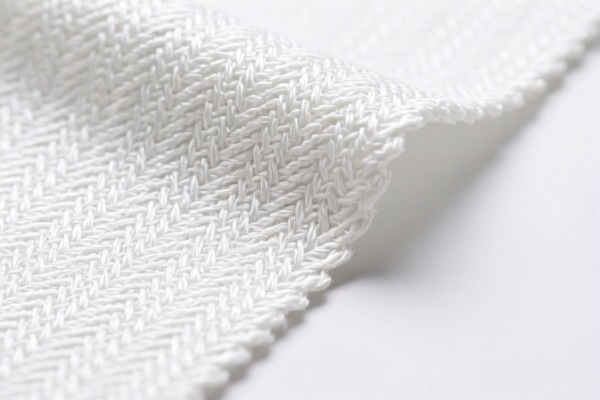
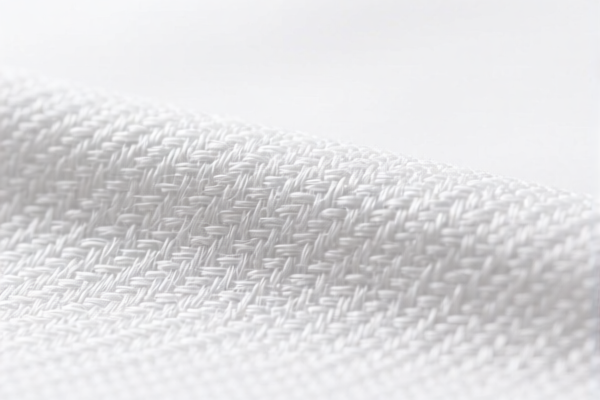
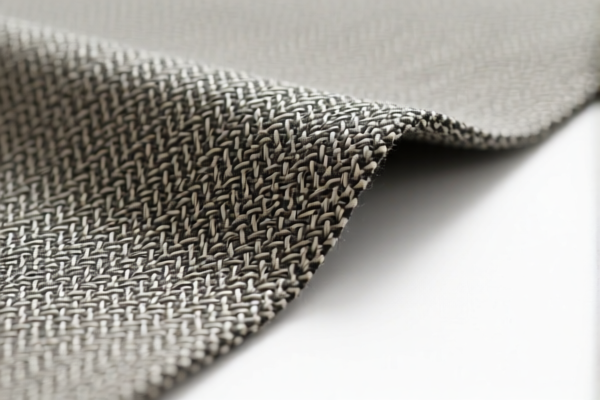
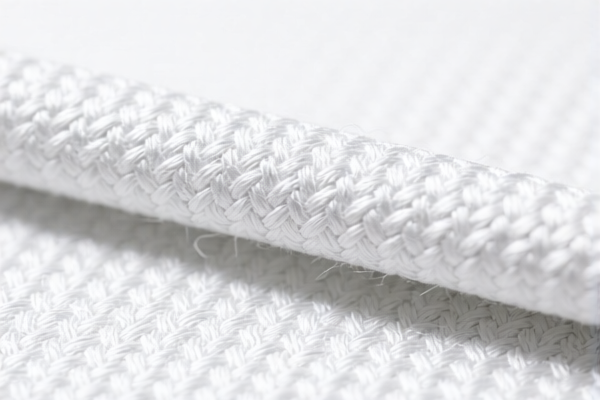
AI Analysis
🧵 Synthetic Fiber Woven Twill Fabric: The Ultimate HS Code & Tariff Guide (2026)
🌐 HS Code Reference & Customs Clearance Guide | 2026 Latest Tariff Analysis | Strategic Clearance Strategy
📌 I. Product Definition & Classification: Do You Really Understand "Synthetic Fiber Woven Twill Fabric"?
"Synthetic Fiber Woven Twill Fabric" is a broad term in the textile industry. In international trade, specifically under the US Harmonized Tariff Schedule (HTSUS), it is not a single code. It is split based on the specific synthetic material (e.g., Polyester vs. Other Man-Made Fibers) and the weaving structure (Twill vs. Satin/Dobby).
Key Distinction: * Polyester (PET): Regulated under Chapter 55, Section XI, often in headings 5513 or 5515. * Other Man-Made Staple Fibers (e.g., Viscose, Acrylic, Modal): Regulated under headings 5516 or 5515. * Weave Structure: "Twill" (diagonal ribs) vs. "Jacquard" (patterned) vs. "Dobby".
⚠️ Critical Warning:
Misclassifying the base material (e.g., calling Poly-blend "Viscose") or the weave structure can lead to incorrect duty assessments, potential audits, and shipment delays. The tax rates vary significantly between these codes due to specific US trade remedies (Section 301 and 122).
📦 II. HS Code Classification Matrix (2026 Latest Authoritative Mapping)
The following HS Codes are derived strictly from the provided data for "High-Ratio Synthetic Fiber Woven Twill Fabric."
| HS Code | Summary Description | Material Basis | Structure/Type | Total Tax Rate | Tax Breakdown Details |
|---|---|---|---|---|---|
| 5515.99.90.40 | High-ratio artificial short fiber twill jacquard woven fabric | Artificial Short Fibers | Twill / Jacquard Woven | 43.5% | Base: 8.5% Add-on: 25.0% Section 122: 10% |
| 5513.13.00.20 | High-ratio artificial short fiber twill jacquard woven fabric | Artificial Short Fiber (e.g., Polyester) | Twill Woven | 49.9% | Base: 14.9% Add-on: 25.0% Section 122: 10% |
| 5516.93.00.20 | High-ratio artificial short fiber twill jacquard woven fabric | Artificial Short Fibers | Jacquard Fabric | 43.5% | Base: 8.5% Add-on: 25.0% Section 122: 10% |
| 5516.92.00.60 | High-ratio artificial short fiber twill jacquard woven fabric | Artificial Short Fibers | Dyed-Style Twill/Satin | 47.0% | Base: 12.0% Add-on: 25.0% Section 122: 10% |
| 5515.19.00.40 | High-ratio artificial short fiber twill jacquard woven fabric | Synthetic Short Fiber (e.g., Polyester) | Twill Woven | 47.0% | Base: 12.0% Add-on: 25.0% Section 122: 10% |
🔍 Key Observation:
Lowest Tax:5515.99.90.40and5516.93.00.20(43.5%) * Highest Tax:5513.13.00.20(49.9%) – This code typically applies to Polyester-based fabrics with a specific base rate of 14.9%. * Common Factor: All codes include a 25.0% Additional Duty (Section 301) and a 10% Section 122 Duty*.
💰 III. 2026 Latest Tariff Rate Breakdown (With附加税 & Policy Surcharges)
✅ Applicable Country: United States (US)
✅ Origin: China (CN) (Implied by the specific tax structure of 25% + 10%)
✅ Effective Date: 2025/2026 Current Rates
🎯 1. 5515.99.90.40 & 5516.93.00.20 —— The 43.5% Tier
Best for non-polyester artificial short fibers or specific jacquard structures.
| Item | Content |
|---|---|
| Base Tariff | 8.5% (ad valorem) |
| Section 301 Add-on | +25.0% (USITC Footnote 9903.88.01 equivalent for textiles) |
| Section 122 Tariff | +10.0% (China-specific provision for certain textile/apparel) |
| Total Effective Rate | 43.5% |
| Tax Calculation | CIF Value × 43.5% |
| De Minimis Eligibility | ❌ No (Textiles generally excluded from de minimis) |
| Legal Basis Path | USITC:5515.99.90.40 / 5516.93.00.20 → SECTION 301: 25% → SECTION 122: 10% |
📌 Explanation:
- The Base 8.5% is standard for many other man-made fiber fabrics. - The 25% is the heavy Section 301 tariff on Chinese goods. - The 10% is the specific "122" tariff targeting Chinese textiles/apparel. - Total 43.5% is high but 6.4% lower than the polyester-heavy codes below.
🎯 2. 5513.13.00.20 —— The 49.9% Tier (Highest)
Specifically for Polyester (PET) based twill fabrics.
| Item | Content |
|---|---|
| Base Tariff | 14.9% (ad valorem) |
| Section 301 Add-on | +25.0% |
| Section 122 Tariff | +10.0% |
| Total Effective Rate | 49.9% |
| Tax Calculation | CIF Value × 49.9% |
| De Minimis Eligibility | ❌ No |
| Legal Basis Path | USITC:5513.13.00.20 → SECTION 301: 25% → SECTION 122: 10% |
📌 Warning:
- Polyester (PET) is heavily scrutinized. The Base Rate of 14.9% is significantly higher than the 8.5% or 12.0% in other codes. - This results in the highest total duty (49.9%). - If your fabric is Polyester, expect to pay nearly 50 cents on the dollar in duties.
🎯 3. 5516.92.00.60 & 5515.19.00.40 —— The 47.0% Tier
Mid-range tariffs for specific twill/satin or polyester blends.
| Item | Content |
|---|---|
| Base Tariff | 12.0% (ad valorem) |
| Section 301 Add-on | +25.0% |
| Section 122 Tariff | +10.0% |
| Total Effective Rate | 47.0% |
| Tax Calculation | CIF Value × 47.0% |
| De Minimis Eligibility | ❌ No |
| Legal Basis Path | USITC:5516.92.00.60 / 5515.19.00.40 → SECTION 301: 25% → SECTION 122: 10% |
📌 Note:
-5516.92.00.60is for "Dyed-style Twill/Satin." -5515.19.00.40is for "Polyester/Other Synthetic Short Fiber Twill." - Both sit at 47.0%, which is 3.5% cheaper than the main Polyester code (5513.13.00.20) but 3.5% more expensive than the lowest codes.
🛠️ IV. Customs Clearance Practical Advice (Real-World Pitfall Avoidance)
✅ 1. Essential Documentation Checklist
| Document | Required? | Description |
|---|---|---|
| ✅ Fabric Specification Sheet | ✔️ | Must specify: Material (Polyester? Viscose?), Fiber Length (Staple vs. Filament), Weave (Twill/Satin), Pattern (Jacquard/Dobby). |
| ✅ Commercial Invoice | ✔️ | Must clearly state "Woven Fabric, Synthetic Fiber" and match HS Code description. |
| ✅ Packing List | ✔️ | Detail rolls, weight, and dimensions. |
| ✅ Letter of Guarantee | ✔️ | If claiming "Artificial Short Fiber" for lower rates, ensure it doesn't contain filament fibers that might trigger different codes. |
| ✅ Certificate of Origin | ✔️ | Required to apply Section 301 and 122 duties correctly. |
✅ 2. Classification Strategy (Key Mnemonic)
🔥 “Check Material, Then Weave, Then Pattern!”
| Scenario | Correct Classification Strategy | Risk if Wrong |
|---|---|---|
| Polyester (PET) Twill | Likely 5513.13.00.20 (49.9%) or 5515.19.00.40 (47.0%) |
Misclassifying as "Other Fiber" (5516) to save tax = Fraud/Seizure |
| Viscose/Modal Twill | Likely 5516.93.00.20 (43.5%) or 5516.92.00.60 (47.0%) |
Ensure it's not blended with Polyester >50% (which would shift to 5515/5513) |
| Jacquard Pattern | Check if it falls under 5515.99.90.40 (43.5%) |
Generic "Twill" vs. "Jacquard" matters. Jacquard can sometimes have different base rates. |
| Dyed/Satin Style | 5516.92.00.60 (47.0%) |
Do not confuse "Twill" with "Satin" if the weave structure differs. |
✅ 3. Special Situation Handling
| Situation | Handling Advice |
|---|---|
| Blended Fabrics (e.g., 60% Polyester, 40% Cotton) | If synthetic >50%, it goes to Chapter 55. If Cotton >50%, it goes to Chapter 52 (Different HS, Different Tax!). Do not misclassify blends. |
| Sample Shipments | Even samples are subject to the full 43.5%-49.9% duty. No de minimis for textiles from China. |
| Color Variations | Ensure the invoice specifies "Colored/Woven" vs. "Yarn-Dyed" if applicable, as some codes differentiate by dyeing method. |
| Section 122 Exemptions | Currently, most synthetic fabrics from China are not exempt from the 122% tariff. Verify if your specific product type has any temporary exclusion. |
🌍 V. Global Market Comparison (2026 Latest)
| Country/Region | Recommended HS Code (Example) | Base Tariff | Additional Taxes | Total Estimated Cost | Notes |
|---|---|---|---|---|---|
| 🇺🇸 USA | 5515.99.90.40 |
8.5% | 25% (301) + 10% (122) | 43.5% | Highest tax burden. Strict enforcement. |
| 🇨🇳 China | 5515.99.90.40 |
9.0% | 0% | 9.0% | Import into China is cheaper. |
| 🇪🇺 EU | 5515.99.00 (General) |
4.4% - 6.5% | 0% (Generally) | ~6.5% | No Section 301/122 equivalents. |
| 🇲🇽 Mexico | 5515.99.99 |
0% - 6% | 0% (USMCA if eligible) | ~0-6% | Check USMCA eligibility for lower rates. |
📌 Conclusion:
- USA is the most expensive market for synthetic twill fabrics due to multiple layers of punitive tariffs. - EU and Mexico are significantly more competitive for duty purposes. - If selling to the US, cost planning must include ~45-50% duty on CIF value.
📌 VI. Common Errors & Pitfalls (Blood & Tears Lessons)
❌ Error 1: Calling "Polyester Fabric" "Cotton Fabric" to avoid high duties.
👉 Consequence: Customs audit, seizure, fines, and loss of importer reputation.
❌ Error 2: Using 5515.99.90.40 (43.5%) for a Polyester fabric (5513.13.00.20 is 49.9%).
👉 Consequence: Underpayment of 6.4% duty. Customs will assess back-taxes + interest + penalties.
❌ Error 3: Ignoring "Section 122".
👉 Consequence: Missing the 10% charge leads to immediate hold-up by CBP.
❌ Error 4: Not specifying "Jacquard" vs. "Plain Twill".
👉 Consequence: Ambiguity leads to CBP re-classification, potentially to the highest rate (49.9%) or delay.
✅ Correct Practice:
"Woven Fabric, 100% Polyester, 120 GSM, 2x1 Twill Weave, Plain Dyed, Roll Packaging, Origin: China"
Declared as:5513.13.00.20or5515.19.00.40(depending on exact blend/structure).
🎯 VII. Conclusion: Professional Classification Saves Money!
🎯 Remember the Mantra:
🔹 "Material First, Weave Second, Pattern Third."
🔹 "Polyester pays 49.9%, Others pay 43.5% or 47.0%."
🔹 "Section 301 (25%) and Section 122 (10%) are unavoidable for China."
🔹 "Get a Pre-Ruling! Don't Guess!"
📌 Pro Tip:
If your fabric is blended (e.g., Polyester/Spandex, Polyester/Cotton), the classification changes entirely. Do not use these codes for complex blends without verifying the dominant fiber.
📣 Immediate Action:
📞 Consult a Licensed Customs Broker before shipping.
📄 Provide Fabric Swatches for verification.
🚀 Accurate Classification = Predictable Costs = Profit Protection!
✨ Professional Customs Clearance Starts with Precision!
💼 Every Percent of Duty Saved is Pure Profit!
Customer Reviews
About HS Code Classification
The Harmonized System (HS) is an internationally standardized nomenclature developed by the World Customs Organization (WCO) to classify traded products. Over 200 countries use the HS system as the basis for customs tariffs, trade statistics, and import/export regulations.
Each HS code follows a hierarchical structure:
- Chapter (2 digits) — Broad category of goods (e.g., Chapter 84: Machinery and Mechanical Appliances)
- Heading (4 digits) — More specific grouping within the chapter
- Subheading (6 digits) — Internationally standardized breakdown, used by all WCO member countries
- National subdivisions (8-10 digits) — Country-specific extensions for further classification, such as US HTSUS 10-digit codes
Correct HS code classification is essential for smooth customs clearance, accurate duty payment, and compliance with trade regulations. Misclassification can lead to customs delays, overpayment of duties, or penalties.
When importing from CN to US, the applicable tariff rates may include:
- Most-Favored-Nation (MFN) rate — The standard duty rate applied to WTO members
- General rate — Applied to countries without trade agreements
- Trade remedy duties — Additional tariffs such as Section 301 (anti-dumping), Section 232 (national security), or countervailing duties
The information provided on this page is for reference purposes only. For official classification, please consult with your local customs authority or a licensed customs broker.