Synthetic Leather Pouch
CN → US| HS Code | Tariff Rate | Origin | Destination | Doc |
|---|---|---|---|---|
| 6307909891 | 24.5% | CN | US | Official Doc |
| 6307908995 | 17.0% | CN | US | Official Doc |
| 3926903300 | 16.5% | CN | US | Official Doc |
| 3926905900 | 37.4% | CN | US | Official Doc |
| 4202128980 | 52.6% | CN | US | Official Doc |
| 4202929100 | 52.6% | CN | US | Official Doc |
Product Images
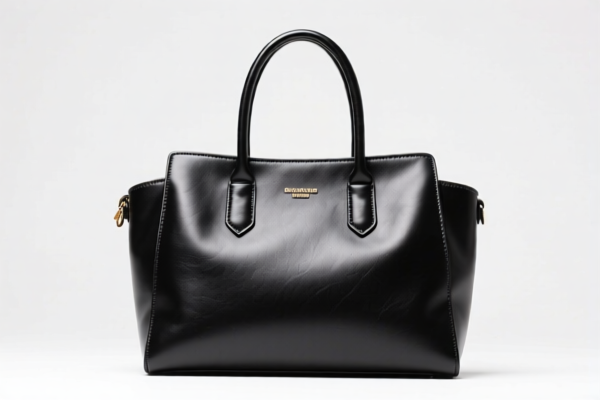
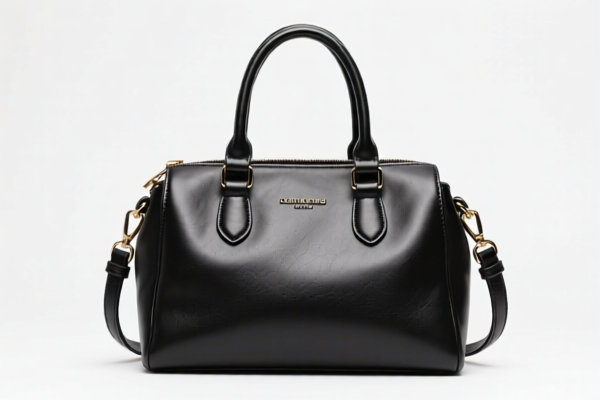
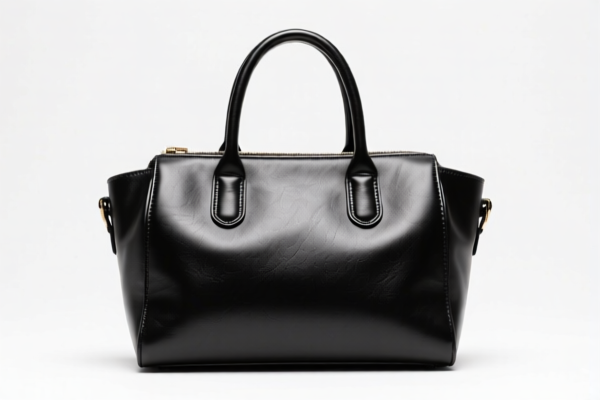
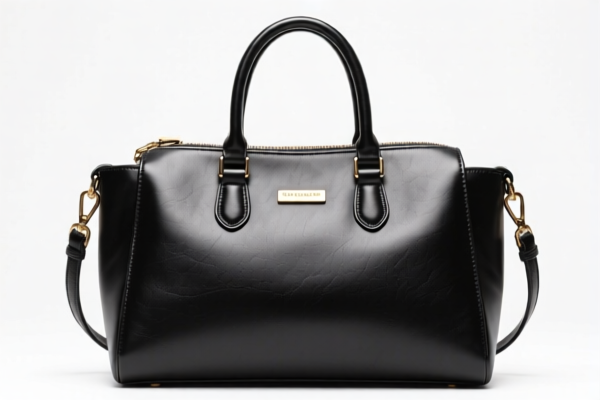
AI Analysis
👜 Synthetic Leather Pouch (Artificial Leather Cases & Containers)
🌐 HS Code Reference & Customs Clearance Guide | 2026 Latest Tariff Analysis | Professional-Level Clearance Strategy
📌 One, Product Definition and Classification: Do You Really Understand "Synthetic Leather Pouch"?
A "Synthetic Leather Pouch" is a broad term covering various containers made from artificial materials that mimic leather. In international trade, the classification depends heavily on the material composition, specific use, and structural design.
Key Distinctions: 1. General Containers (Headings 4202/6307): If the item is a travel bag, wallet, handbag, or general accessory made of plastics/textiles with an outer surface of synthetic materials, it typically falls under Chapter 42 (Articles of Leather) or Chapter 63 (Other Made-Up Articles). 2. Plastic Articles (Headings 3926): If the pouch is made primarily of plastics (e.g., PVC, PU coated fabrics treated as plastics) and does not meet the specific definitions of leather goods in Chapter 42, it may fall under Chapter 39 (Articles of Plastics). 3. Other Textile Accessories: Small, simple pouches not specifically named in Chapter 42 may be classified under Chapter 63 (Other made-up articles).
⚠️ Critical Differentiation Point:
- Is it a structured container with handles/straps (like a handbag)? → Likely 4202.92.91.00
- Is it a small, unstructured pouch or simple case? → Likely 6307.90.98.91 or 6307.90.89.95
- Is it made of plastic sheets/materials not meeting Chapter 42 criteria? → Likely 3926.90.33.00
📦 Two, HS Code Classification Details (2026 Latest Tariff Authority Comparison)
| HS Code | Product Description | Applicable Scenario | Material/Structure |
|---|---|---|---|
6307.90.98.91 |
Other made-up articles, including dress patterns: Other | General small pouches, generic soft cases not specified elsewhere | Textile/Non-woven/Composite, no specific structure |
6307.90.89.95 |
Surgical towels, cotton towels, pillow shells, quilts shells... Other | Note: This code is for textile household articles like pillow/quilt shells. Misclassification Risk if applied to fashion pouches. | Cotton/Textile, Household use |
3926.90.33.00 |
Articles of plastics: Handbags | Pouches classified as "handbags" made of plastics/plastic-coated textiles | Plastic outer surface, rigid or semi-rigid structure |
3926.90.59.00 |
Belting and belts for machinery... | Irrelevant for pouches. Included in data but excluded from recommendation. | Textile-Mechanical |
4202.12.89.80 |
Trunks, suitcases, handbags, wallets... With outer surface of textile materials: Other | Structured synthetic leather handbags, cosmetic cases, wallet-style pouches | Outer surface: Textile (Synthetic Leather counts as textile if not genuine leather) |
4202.92.91.00 |
Other containers: With outer surface of sheeting of plastics or textile materials: Other | General purpose synthetic leather bags, travel organizers, cosmetic pouches | Outer surface: Plastics/Textile (Synthetic Leather), not handbags/trunks |
🔍 Key Reminder:
- Synthetic Leather (PU/PVC) is generally classified under Chapter 42 if it meets the definition of "leather or composition leather" articles.
- If the item is a simple, unstructured soft pouch without a defined shape, it may fall under 6307.
- Avoid3926.90.59.00: This is for industrial belts, not consumer pouches.
- Avoid6307.90.89.95: This is for household textile items like pillow shells, not fashion pouches.
💰 Three, 2026 Latest Tariff Rate Details (Including Surtaxes, Policy Surcharges)
✅ Applicable Country: United States (US)
✅ Origin: China (CN)
✅ Effective Date: 2025-11-10 onwards (including subsequent imports)
🎯 1. 6307.90.98.91 —— Other Made-Up Articles (Simple Pouches)
| Item | Content |
|---|---|
| Base Tariff | 7.0% (ad valorem) |
| Additional Tariff (Section 301) | 7.5% |
| Total Tariff | 14.5% |
| Calculation | CIF Value × 14.5% |
| De Minimis Eligibility | ❌ No (Deny de_minimis) |
| Legal Path | USITC:6307.90.98.91 + Section 301 Footnote |
📌 Explanation:
- Simple, unstructured synthetic pouches often fall here.
- 14.5% is moderate. Not as high as electronics or steel, but significant for low-margin goods.
🎯 2. 6307.90.89.95 —— Household Textile Articles (Pillow/Shells)
| Item | Content |
|---|---|
| Base Tariff | 0.0% |
| Additional Tariff | 0.0% |
| Total Tariff | 0.0% |
| Calculation | None |
| De Minimis Eligibility | ✅ Yes (If under $800) |
| Legal Path | USITC:6307.90.89.95 |
⚠️ Warning:
- This code has 0% tax, but it is strictly for household textile items (pillow shells, cotton quilts).
- Using this for fashion pouches is customs fraud. Risk of seizure, fines, and back-taxes.
🎯 3. 3926.90.33.00 —— Plastic Handbags
| Item | Content |
|---|---|
| Base Tariff | 6.5% |
| Additional Tariff | 0.0% |
| Total Tariff | 6.5% |
| Calculation | CIF Value × 6.5% |
| De Minimis Eligibility | ❌ No |
| Legal Path | USITC:3926.90.33.00 |
📌 Note:
- If the pouch is classified as a "handbag" made of plastic/plastic-coated material, this code applies.
- 6.5% is favorable compared to Chapter 42 items with surtaxes.
🎯 4. 4202.12.89.80 —— Synthetic Leather Handbags/Wallets (Textile Outer Surface)
| Item | Content |
|---|---|
| Base Tariff | 0.0% |
| Additional Tariff | 0.0% |
| Total Tariff | 0.0% |
| Calculation | None |
| De Minimis Eligibility | ✅ Yes (If under $800) |
| Legal Path | USITC:4202.12.89.80 |
📌 Advantage:
- If the synthetic leather pouch is structured (like a wallet or small handbag) and has a textile outer surface, it may qualify for 0% tariff.
- Critical: Must meet the definition of "handbag/wallet" under Chapter 42.
🎯 5. 4202.92.91.00 —— Other Synthetic Leather Containers (Textile/Plastic Outer)
| Item | Content |
|---|---|
| Base Tariff | 0.0% |
| Additional Tariff | 0.0% |
| Total Tariff | 0.0% |
| Calculation | None |
| De Minimis Eligibility | ✅ Yes (If under $800) |
| Legal Path | USITC:4202.92.91.00 |
📌 Advantage:
- This is the most common code for structured synthetic leather bags (non-handbag specific, e.g., cosmetic cases, tech organizers).
- 0% tariff makes it highly desirable for importers.
🛠️ Four, Customs Clearance Practical Advice (Battle-Tested Pitfall Guide)
✅ 1. Document Preparation Checklist (Must-Haves)
| Document | Required? | Notes |
|---|---|---|
| ✅ Product Spec Sheet | ✔️ | Detail material: "Polyurethane (PU) Synthetic Leather", "PVC", etc. |
| ✅ Photos (Front/Back/Inside) | ✔️ | Show structure, zippers, handles, lining. |
| ✅ Commercial Invoice | ✔️ | Clear description: "Synthetic Leather Cosmetic Pouch, Model XYZ" |
| ✅ Material Composition Certificate | ✔️ | Confirm % of plastic vs. textile to justify Chapter 39 vs 42. |
| ✅ Packaging List | ✔️ | Include packaging details to avoid de minimis misuse. |
✅ 2. Declaration Strategy (Key Mantras)
🔥 “Structure Defines Code, Material Determines Chapter, Name Must Match!”
| Scenario | Correct Declaration | Wrong Practice |
|---|---|---|
| Simple, unstructured soft pouch | 6307.90.98.91 |
Misclassifying as 4202 → Risk of 0% claim rejection |
| Structured bag with handles/zippers | 4202.92.91.00 |
Using 6307 → Under-declaration of duty |
| Plastic-coated pouch, no textile core | 3926.90.33.00 (if handbag) |
Using 4202 → Incorrect chapter |
| Household textile item (pillow case) | 6307.90.89.95 |
Using 6307 for fashion pouches |
✅ 3. Special Case Handling
| Situation | Advice |
|---|---|
| OEM Custom Pouches | Provide design drawings to prove structure (e.g., reinforced base, specific closures) to support 4202 classification. |
| Mixed Materials | If >50% plastic by weight/volume, argue for 3926. If >50% textile, argue for 4202 or 6307. |
| Small Samples | If value < $800, ensure HS code allows de minimis. 4202 and 6307 codes generally allow it. 6307.90.98.91 does not. |
| High-Value Luxury Pouches | Ensure description matches luxury status to avoid being downgraded to "general articles." |
🌍 Five, Global Market Comparison (2026 Latest)
| Country/Region | Recommended HS Code | Tariff | Certification | Notes |
|---|---|---|---|---|
| 🇺🇸 USA | 4202.92.91.00 |
0% | None | Best for structured synthetic bags |
| 🇪🇺 EU | 4202.92 |
12% | REACH | Higher base rate, no surtax |
| 🇨🇳 China | 4202.92.91.00 |
20% | None | High import tariff |
| 🇬🇧 UK | 4202.92 |
12% | UKCA | Post-Brexit rules apply |
| 🇯🇵 Japan | 4202.92 |
10% | None | Moderate tariff |
📌 Conclusion:
- USA is the most tariff-friendly for structured synthetic leather bags (4202.92.91.00) at 0%.
- EU and China have higher base rates, so focus on value-added claims to justify higher pricing.
- De Minimis ($800) is a key strategy for US imports of small pouches.
📌 Six, Common Mistakes & Pitfalls (Lessons Learned)
❌ Mistake 1: Classifying all synthetic pouches as 6307.90.89.95 (0% tax)
👉 Consequence: Customs rejects for wrong use (household vs. fashion), fines, and back-taxes.
❌ Mistake 2: Declaring structured handbags as 6307 to save tax
👉 Consequence: Under-declaration. Risk of 14.5% + penalties.
❌ Mistake 3: Using 3926.90.59.00 (Industrial Belts) for pouches
👉 Consequence: 27.4% tax and immediate rejection. Useless code for this product.
❌ Mistake 4: Vague descriptions like "Leather Case"
👉 Consequence: If it’s synthetic, customs may reclassify to higher-tariff genuine leather codes or dispute origin.
✅ Correct Practice:
“Synthetic Leather Cosmetic Pouch, PU Material, Zipper Closure, Lined, Model XYZ, 100% Polyester Lining”
🎯 Seven, Conclusion: Professional Declaration, Cost Savings!
🎯 Remember Mantras:
🔹 “Structured = 4202 (0%), Simple = 6307 (14.5%), Plastic = 3926 (6.5%)”
🔹 “De Minimis is your friend for small values, but check the code first!”
🔹 “Don’t use Household Codes for Fashion Goods!”
📌 Pro Tip:
If your synthetic leather pouch is structured (has shape, handles, zippers), always aim for 4202.92.91.00 for 0% US Tariff.
For simple soft pouches, prepare for 14.5% under 6307.90.98.91.
📣 Immediate Action:
📞 Contact a licensed customs broker + Provide product photos + Apply for Pre-Ruling if shipment value > $800
🚀 Ensure 0% tariff compliance for structured bags, save up to 14.5% on imports!
✨ Professional Customs Clearance Starts with Precise Classification!
💼 Every dollar of duty saved is profit earned!
Customer Reviews
About HS Code Classification
The Harmonized System (HS) is an internationally standardized nomenclature developed by the World Customs Organization (WCO) to classify traded products. Over 200 countries use the HS system as the basis for customs tariffs, trade statistics, and import/export regulations.
Each HS code follows a hierarchical structure:
- Chapter (2 digits) — Broad category of goods (e.g., Chapter 84: Machinery and Mechanical Appliances)
- Heading (4 digits) — More specific grouping within the chapter
- Subheading (6 digits) — Internationally standardized breakdown, used by all WCO member countries
- National subdivisions (8-10 digits) — Country-specific extensions for further classification, such as US HTSUS 10-digit codes
Correct HS code classification is essential for smooth customs clearance, accurate duty payment, and compliance with trade regulations. Misclassification can lead to customs delays, overpayment of duties, or penalties.
When importing from CN to US, the applicable tariff rates may include:
- Most-Favored-Nation (MFN) rate — The standard duty rate applied to WTO members
- General rate — Applied to countries without trade agreements
- Trade remedy duties — Additional tariffs such as Section 301 (anti-dumping), Section 232 (national security), or countervailing duties
The information provided on this page is for reference purposes only. For official classification, please consult with your local customs authority or a licensed customs broker.