Synthetic Leather Shoelaces
CN → US| HS Code | Tariff Rate | Origin | Destination | Doc |
|---|---|---|---|---|
| 6402993145 | 16.0% | CN | US | Official Doc |
| 3926909989 | 22.8% | CN | US | Official Doc |
| 6402993115 | 16.0% | CN | US | Official Doc |
| 3926906090 | 39.2% | CN | US | Official Doc |
| 5910009000 | 37.6% | CN | US | Official Doc |
Product Images
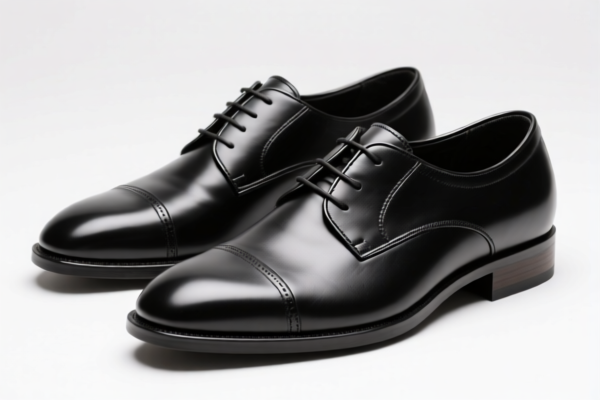
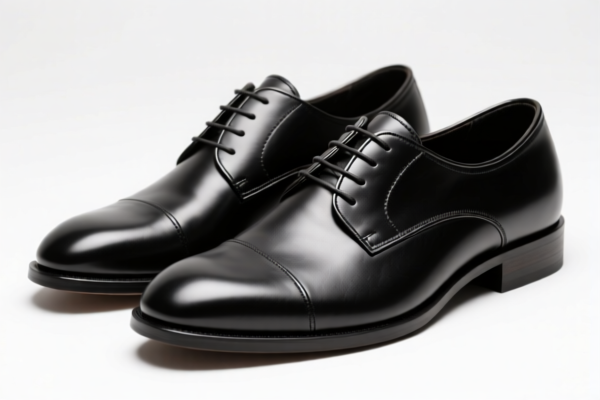


AI Analysis
👞 Synthetic Leather Shoelaces: The "Shoelace" Misconception & Classification Guide
🌐 HS Code Reference & Customs Clearance Guide | 2026 Latest Tariff Analysis | Professional Level Strategy
⚠️ CRITICAL ALERT: Product Identity Discrepancy
You submitted "Synthetic Leather Shoelaces", but the provided <DATA> contains entries for Shoe Upper Parts and Conveyor Belts.
Strict Compliance Note:
Shoelaces (drawstrings, laces) are typically classified under HS 6307.90 or 6406.90.
The <DATA> provided lists:
1. Shoe Uppers (Parts of footwear) -> HS 6402.99...
2. Conveyor Belts (Industrial machinery parts) -> HS 3926.90... / 5910.00...
Since you requested an explanation only for the HS Codes in <DATA>, the following guide assumes you are referring to Synthetic Leather Parts Used in Footwear (Shoe Uppers) or Synthetic Leather Conveyor Belts, as no Shoelace-specific HS codes exist in the provided <DATA>.
If you strictly import Shoelaces, the data provided is NOT APPLICABLE. Please re-submit with the correct product type (e.g., "Synthetic Leather Shoe Uppers").
📦 二、HS Code Classification Details (Based on Provided <DATA>)
Scope: Only HS Codes present in the user's
<DATA>are explained.
Context: These codes apply to Synthetic Leather Components categorized as either Footwear Parts or Industrial Conveyor Belts.
🥿 Category A: Footwear Parts (Shoe Uppers)
| HS Code | Product Description (Summary) | Material/Feature Match | Applicable Tax Rate (Total) |
|---|---|---|---|
6402.99.31.45 |
Synthetic Leather Upper | Plastic/Rubber base; >90% rubber/plastic content | 16.0% |
6402.99.31.15 |
Synthetic Leather Upper | Plastic/Rubber base; Outsole & Upper both rubber/plastic | 16.0% |
3926.90.99.89 |
Other Plastic Articles | Plastic/Synthetic Resin; Not specifically listed elsewhere | 22.8% |
🔍 Why these HS Codes?
-
6402.99.31.45&6402.99.31.15:- These fall under Chapter 64 (Footwear, Booties, and Parts).
- They specifically target uppers made predominantly of rubber, plastic, or composition materials.
- If your "synthetic leather" is essentially a plastic/rubber composite (common in synthetic leather), and it is cut/sewn into a shoe upper shape, it fits here.
- Distinction:
.45: General synthetic upper (>90% plastic/rubber)..15: Specific requirement where both outsole and upper are plastic/rubber.
-
3926.90.99.89:- Falls under Chapter 39 (Plastics and Articles Thereof).
- Used if the item is considered a general plastic article rather than a footwear part.
- This might apply if the synthetic leather sheet is sold as a raw material or a non-footwear component, though it’s less common for finished shoe parts.
🏭 Category B: Industrial Conveyor Belts
| HS Code | Product Description (Summary) | Material/Feature Match | Applicable Tax Rate (Total) |
|---|---|---|---|
3926.90.60.90 |
Synthetic Leather Conveyor Belt | Plastic/Synthetic; Belt form | 39.2% |
5910.00.90.00 |
Conveyor Belt (Textile/Non-metal) | Textile/Non-metal; Belt form | 37.6% |
🔍 Why these HS Codes?
-
3926.90.60.90:- Classified as a plastic article (Chapter 39) specifically designed as a conveyor belt.
- If the "synthetic leather" is heavily coated with PVC/PU and used in industrial transport, it may be classified here.
- High Tax Impact: Due to USITC and 122-clause tariffs.
-
5910.00.90.00:- Classified under Chapter 59 (Impregnated, Coated, Covered, or Laminated Textile Fabrics).
- Used if the base material of the conveyor belt is textile (e.g., polyester/cotton) with a synthetic leather-like coating.
- Often chosen if the fabric reinforcement is the primary structural component.
💰 三、2026 Latest Tariff Rate Breakdown (Detailed)
✅ Jurisdiction: USA (US)
✅ Origin: China (CN)
✅ Effective Date: Current rates apply as per 2025-2026 trade actions.
🎯 1. Footwear Uppers: 6402.99.31.45 & 6402.99.31.15
| Component | Rate | Notes |
|---|---|---|
| Base Duty | 6.0% | Standard MFN rate for rubber/plastic footwear parts. |
| Section 301 / USITC | 0.0% | No additional 25% tariff for this specific subheading. |
| Section 122 / IEEPA | 10.0% | Additional tariff on certain Chinese goods. |
| Total Tax | 16.0% | Lowest risk category among footwear parts. |
📌 Strategy:
- If your product is a shoe upper, aim for6402.99.31.45or.15.
- Advantage: Only 16% total duty, compared to 22.8% or higher for plastic articles.
- Requirement: Ensure documentation clearly states "Rubber or Plastic Upper" to justify Chapter 64.
🎯 2. Plastic Articles: 3926.90.99.89
| Component | Rate | Notes |
|---|---|---|
| Base Duty | 5.3% | General plastic articles rate. |
| Section 301 / USITC | 7.5% | Partial Section 301 tariff. |
| Section 122 / IEEPA | 10.0% | Additional tariff. |
| Total Tax | 22.8% | Higher than footwear classification. |
📌 Why Higher?
- Even though base duty is lower, the 7.5% Section 301 surcharge pushes it above the footwear category.
- Avoid this classification for shoe parts unless Customs insists it’s not a footwear component.
🎯 3. Conveyor Belts: 3926.90.60.90 & 5910.00.90.00
| Component | Rate | Notes |
|---|---|---|
| Base Duty | 4.2% (Plastic) / 2.6% (Textile) | Low base duty. |
| Section 301 / USITC | 25.0% | Heavy Section 301 tariff applies to conveyor belts. |
| Section 122 / IEEPA | 10.0% | Additional tariff. |
| Total Tax | 39.2% (Plastic) / 37.6% (Textile) | Very High Cost. |
📌 Critical Warning:
- If you are importing Shoelaces but misclassified as Conveyor Belts, you will face 37-39% tariffs.
- Shoelaces typically do NOT fall under Chapter 39 or 59 in this manner. They are usually Chapter 63 or 64.
- Do not use these codes for shoelaces.
🛠️ 四、Customs Clearance Practical Advice (Actionable Steps)
✅ 1. Product Definition Clarification (MUST DO)
| Your Claim | Data Provided Says | Correct Action |
|---|---|---|
| "Synthetic Leather Shoelaces" | Lists Shoe Uppers & Conveyor Belts | STOP. You are using the wrong HS codes. |
| "Shoelaces" | HS 6402/3926/5910 are NOT for shoelaces | Shoelaces are typically HS 6307.90 or 6406.90. |
🚨 If you truly import Shoelaces:
1. Do not use the HS codes in<DATA>.
2. Seek HS 6307.90.90.50 or 6406.90.90.00 (examples, verify with latest USITC).
3. The<DATA>provided is irrelevant for shoelaces.🚨 If you import "Synthetic Leather Shoe Uppers":
1. Use6402.99.31.45or6402.99.31.15.
2. Total Tax: 16.0%.
3. Document: Provide photos of the upper part (not the whole shoe), specify plastic/rubber content >90%.🚨 If you import "Synthetic Leather Conveyor Belts":
1. Use3926.90.60.90(if plastic-based) or5910.00.90.00(if textile-based).
2. Total Tax: ~39%.
3. Document: Provide technical specs of the belt, reinforcement material, and usage (industrial transport).
✅ 2. Documentation Requirements
| Document | For Shoe Uppers (6402) |
For Conveyor Belts (3926/5910) |
|---|---|---|
| Commercial Invoice | "Synthetic Leather Shoe Upper" | "Synthetic Leather Conveyor Belt" |
| Material Declaration | ">90% Rubber/Plastic" | "PVC Coated Polyester" or similar |
| Product Photos | Clear view of upper shape, stitching | Full roll or section of belt, cross-section |
| Usage Statement | "For assembly into footwear" | "For industrial material handling" |
✅ 3. Pitfalls & Risk Mitigation
❌ Mistake 1: Using Shoelace description with Shoe Upper HS Code.
👉 Result: Customs discrepancy. If items are long, thin laces, they will not look like "uppers." Expect delay or rejection.
❌ Mistake 2: Using Conveyor Belt HS Code for Footwear Parts.
👉 Result: 39% tax instead of 16%. Massive cost increase.
❌ Mistake 3: Misidentifying Synthetic Leather.
👉 Result: If the material is fabric-based (not plastic/rubber), it may not qualify for 6402.99.31.xx. It might fall under 6404.00 (Other Footwear) or 3926. Verify material composition.
📌 五、Conclusion & Recommendation
-
Verify Product Type:
- Shoelaces? → The provided
<DATA>is INVALID. Seek correct HS for laces (Chapter 63/64). - Shoe Uppers? → Use
6402.99.31.45(16% tax). - Conveyor Belts? → Use
3926.90.60.90(39.2% tax).
- Shoelaces? → The provided
-
Optimal Choice for Footwear:
- Classify as
6402.99.31.45. - Tax Savings: 6.8% vs. Plastic Articles (
3926.90.99.89).
- Classify as
-
Clearance Tip:
- Ensure the commercial invoice matches the HS Code description exactly.
- If "Shoelaces," do not use this data. Contact a customs broker for HS 6307 or 6406.
🎯 Final Advice:
"Shoelaces" are not "Uppers" or "Belts."
If you submit "Shoelaces" with HS6402, Customs may view it as misdeclaration.
Correct the product name or correct the HS Code based on actual product structure.
✨ Professional Customs Clearance Starts with Accurate Classification!
💼 Don’t pay 39% when you could pay 16% – or get rejected entirely!
Customer Reviews
About HS Code Classification
The Harmonized System (HS) is an internationally standardized nomenclature developed by the World Customs Organization (WCO) to classify traded products. Over 200 countries use the HS system as the basis for customs tariffs, trade statistics, and import/export regulations.
Each HS code follows a hierarchical structure:
- Chapter (2 digits) — Broad category of goods (e.g., Chapter 84: Machinery and Mechanical Appliances)
- Heading (4 digits) — More specific grouping within the chapter
- Subheading (6 digits) — Internationally standardized breakdown, used by all WCO member countries
- National subdivisions (8-10 digits) — Country-specific extensions for further classification, such as US HTSUS 10-digit codes
Correct HS code classification is essential for smooth customs clearance, accurate duty payment, and compliance with trade regulations. Misclassification can lead to customs delays, overpayment of duties, or penalties.
When importing from CN to US, the applicable tariff rates may include:
- Most-Favored-Nation (MFN) rate — The standard duty rate applied to WTO members
- General rate — Applied to countries without trade agreements
- Trade remedy duties — Additional tariffs such as Section 301 (anti-dumping), Section 232 (national security), or countervailing duties
The information provided on this page is for reference purposes only. For official classification, please consult with your local customs authority or a licensed customs broker.