Synthetic Leather Ski Gloves
CN → US| HS Code | Tariff Rate | Origin | Destination | Doc |
|---|---|---|---|---|
| 6216001900 | 0.0% | CN | US | Official Doc |
| 6116930800 | 20.3% | CN | US | Official Doc |
| 6216000800 | 18.3% | CN | US | Official Doc |
| 6116100800 | 20.3% | CN | US | Official Doc |
| 6216003500 | 12.8% | CN | US | Official Doc |
Product Images
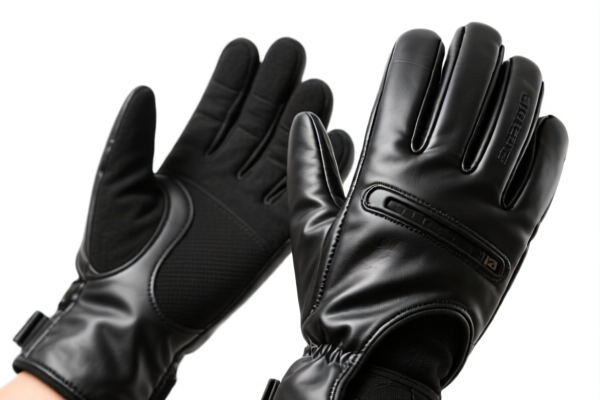
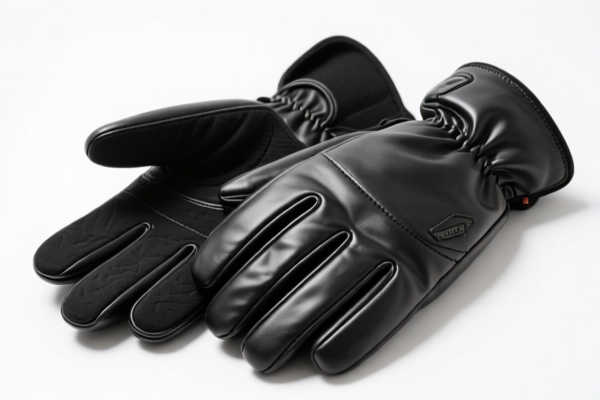
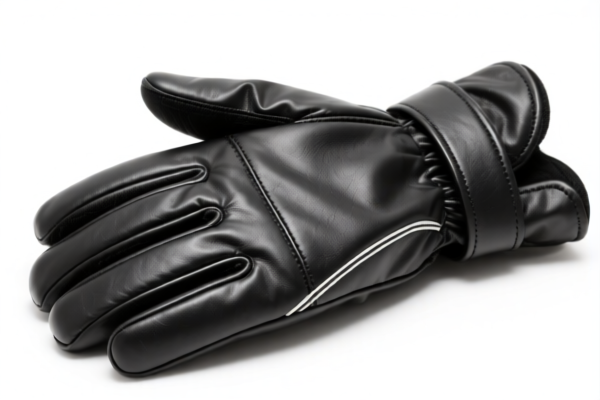
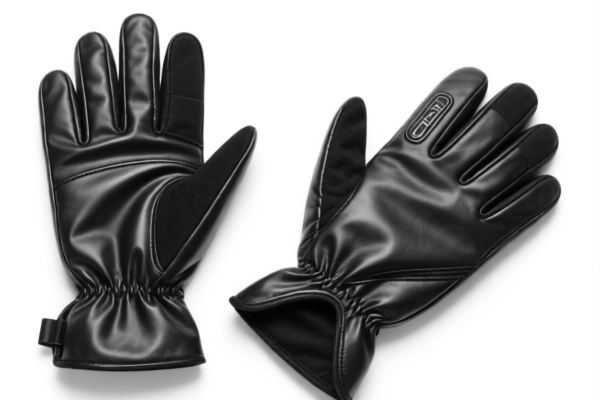
AI Analysis
🧤 Synthetic Leather Ski Gloves (Winter Gloves)
🌐 HS Code Reference & Customs Clearance Guide | 2026 Latest Tariff Analysis | Professional-Level Clearance Strategy
📌 I. Product Definition & Classification: Do You Really Understand "Synthetic Leather Ski Gloves"?
"Synthetic Leather Ski Gloves" are specialized winter wear designed for cold-weather sports. In international trade, the classification hinges on three critical factors: Material Composition, Surface Treatment (Coating/Impregnation), and Specific Use Case.
There is a common misconception that "Ski Gloves" automatically fall into one specific category. However, US Customs and Border Protection (CBP) distinguishes them based on whether they are knitted/crocheted (Chapter 61) or non-knitted/sewn (Chapter 62), and whether they are coated with plastic/rubber or simply made of synthetic leather fabric.
⚠️ Key Distinction Points:
- If the glove is knitted and coated with plastic/rubber for waterproofing → Likely 6116.10.08.00
- If the glove is knitted but made of synthetic fibers (no specific coating mentioned, or general purpose) → Likely 6116.93.08.00
- If the glove is non-knitted (sewn from synthetic leather panels) → Likely 6216.00 series
- Specifically, if it has an impregnation, coating, or covering of plastic/rubber → 6216.00.19.00 or 6216.00.08.00
📦 II. HS Code Classification Details (2026 Latest Tariff Authority Cross-Reference)
Based on the product name "Synthetic Leather Ski Gloves," here are the possible HS Codes derived from the provided data, along with the logical reasoning for each.
| HS Code | Product Description | Application Scenario | Key Classification Logic |
|---|---|---|---|
6216.00.19.00 |
Gloves, other than fitted gloves and mittens, of plastics or of rubber | Winter gloves, non-knitted | Synthetic Leather Logic: If the "synthetic leather" is considered a plastic/rubber material and the glove is impregnated, coated, or covered (e.g., waterproof layer), it falls here. |
6116.93.08.00 |
Other gloves, knitted or crocheted, of synthetic fibers, not coated or impregnated | Ski Gloves (General) | Knitted Logic: If the gloves are knitted and made of synthetic fibers but NOT specifically defined as coated for waterproofing, they fall under "Other." Common for standard winter sports gloves. |
6216.00.08.00 |
Gloves, other than fitted gloves and mittens, of plastics or of rubber | Ski Gloves (Coated) | Non-Knitted Logic: If non-knitted and contains impregnation/coating of plastic/rubber. This is a common code for waterproof synthetic leather ski gloves. |
6116.10.08.00 |
Gloves coated or covered with plastics or rubber, knitted or crocheted | Ski Gloves (Knitted + Coated) | Knitted + Coated: If the gloves are knitted but have a plastic/rubber coating for water resistance. |
6216.00.35.00 |
Gloves, other than fitted gloves and mittens, of cotton | Ski Gloves (Cotton Blend) | Material Exception: If the "synthetic leather" is actually a cotton-based fabric with synthetic coating, or if the primary material is cotton. Less likely for pure synthetic leather but possible if blended. |
🔍 Critical Reminder:
- "Synthetic Leather" is often classified as "Plastics" or "Textile Materials" depending on the base fabric.
- If the glove is knitted, use 6116 series.
- If the glove is sewn/weaved (non-knitted), use 6216 series.
- Waterproofing/Coating significantly impacts the sub-heading (e.g., .10 vs .93).
💰 III. 2026 Latest Tariff Rate Breakdown (Including Additional Taxes & Policy Surcharges)
✅ Applicable Country: United States (US)
✅ Country of Origin: China (CN)
✅ Effective Date: November 10, 2025 (and subsequent imports)
🎯 1. 6216.00.19.00 – Gloves of Plastics/Rubber (Non-Knitted, Coated/Impregnated)
| Item | Detail |
|---|---|
| Base Tariff | 11.1¢/kg + 5.5% (Ad Valorem) |
| Section 301 Additional Tariff | +7.5% |
| Section 122 Tariff (IEEPA) | +10% |
| Total Effective Rate | ~19.1% + Specific Duty |
| Tax Calculation | (CIF Value × 18%) + (Weight × $0.111) |
| De Minimis Exemption | ❌ Not Eligible |
| Legal Basis Path | Base Tariff: 6216.00.19.00 → Section 301: +7.5% → Section 122: +10% |
📌 Explanation:
- This code applies to non-knitted gloves made of plastic/rubber (synthetic leather) that are coated or impregnated.
- The specific duty (11.1¢/kg) is added to the ad valorem rate.
- Total tax burden is high due to multiple surcharges.
🎯 2. 6116.93.08.00 – Other Knitted Gloves of Synthetic Fibers (Not Coated)
| Item | Detail |
|---|---|
| Base Tariff | 2.8% |
| Section 301 Additional Tariff | +7.5% |
| Section 122 Tariff (IEEPA) | +10% |
| Total Effective Rate | 20.3% |
| Tax Calculation | CIF Value × 20.3% |
| De Minimis Exemption | ❌ Not Eligible |
| Legal Basis Path | Base Tariff: 6116.93.08.00 → Section 301: +7.5% → Section 122: +10% |
📌 Note:
- This is for knitted gloves made of synthetic fibers, without specific plastic/rubber coating for waterproofing.
- If your "synthetic leather" is just a fabric texture without a waterproof coating, this may apply.
- Higher base rate (20.3%) compared to coated rubber goods in some cases due to lack of specific duty exemption.
🎯 3. 6216.00.08.00 – Gloves of Plastics/Rubber (Non-Knitted, Coated)
| Item | Detail |
|---|---|
| Base Tariff | 0.8% |
| Section 301 Additional Tariff | +7.5% |
| Section 122 Tariff (IEEPA) | +10% |
| Total Effective Rate | 18.3% |
| Tax Calculation | CIF Value × 18.3% |
| De Minimis Exemption | ❌ Not Eligible |
| Legal Basis Path | Base Tariff: 6216.00.08.00 → Section 301: +7.5% → Section 122: +10% |
📌 Comparison:
- This is often the most favorable code for non-knitted, coated synthetic leather gloves.
- The base rate is very low (0.8%), resulting in a lower total tax (18.3%) compared to6216.00.19.00(19.1% + weight duty).
- Recommendation: If your gloves are sewn (non-knitted) and coated, prioritize this code.
🎯 4. 6116.10.08.00 – Knitted Gloves Coated/Covered with Plastics/Rubber
| Item | Detail |
|---|---|
| Base Tariff | 2.8% |
| Section 301 Additional Tariff | +7.5% |
| Section 122 Tariff (IEEPA) | +10% |
| Total Effective Rate | 20.3% |
| Tax Calculation | CIF Value × 20.3% |
| De Minimis Exemption | ❌ Not Eligible |
| Legal Basis Path | Base Tariff: 6116.10.08.00 → Section 301: +7.5% → Section 122: +10% |
📌 Note:
- If your gloves are knitted (e.g., fleece inner lining) and coated on the outside for waterproofing, this is the correct code.
- Same total rate as6116.93.08.00(20.3%), but different base logic.
🎯 5. 6216.00.35.00 – Gloves of Cotton (Non-Knitted)
| Item | Detail |
|---|---|
| Base Tariff | 2.8% |
| Section 301 Additional Tariff | 0.0% |
| Section 122 Tariff (IEEPA) | +10% |
| Total Effective Rate | 12.8% |
| Tax Calculation | CIF Value × 12.8% |
| De Minimis Exemption | ❌ Not Eligible |
| Legal Basis Path | Base Tariff: 6216.00.35.00 → Section 122: +10% |
📌 Special Case:
- Only applicable if the glove is primarily cotton-based (e.g., cotton lining + synthetic outer).
- Lowest Total Rate (12.8%) due to 0% Section 301 tariff on some cotton gloves.
- Risk: Misclassifying synthetic leather as cotton can lead to severe penalties.
🛠️ IV. Customs Clearance Practical Advice (Avoiding Pitfalls)
✅ 1. Documentation Checklist (Essential)
| Document | Required? | Description |
|---|---|---|
| ✅ Product Specification Sheet | ✔️ | Must specify: Knitted vs. Non-Knitted, Material Composition (e.g., 100% PU Synthetic Leather), Coating Type. |
| ✅ Photos | ✔️ | Clear images showing stitching (knitted loops vs. sewn seams), texture, and any waterproof coating. |
| ✅ Commercial Invoice | ✔️ | Describe item as "Synthetic Leather Ski Gloves, Knitted/Non-Knitted, Coated with Polyurethane." |
| ✅ Bill of Lading/Air Waybill | ✔️ | Standard shipping docs. |
| ✅ Declaration of Origin | ✔️ | Confirm CN origin for accurate Section 301 & 122 application. |
✅ 2. Declaration Tips (Crucial Mnemonics)
🔥 "Knitted vs. Sewn, Coated vs. Uncoated, Define Clearly!"
| Scenario | Correct HS Code | Incorrect Practice |
|---|---|---|
| Sewn (Non-Knitted) + Coated | 6216.00.08.00 |
Misclassifying as Knitted → 6116 (Wrong Chapter) |
| Knitted + Coated | 6116.10.08.00 |
Missing "Coated" in description → 6116.93 (Higher Rate) |
| Knitted + No Coating | 6116.93.08.00 |
Claiming "Waterproof" without proof → Audit Risk |
| Cotton Blend | 6216.00.35.00 |
Claiming "Synthetic" for cotton gloves → False Declaration |
✅ 3. Special Situations
| Situation | Handling Advice |
|---|---|
| OEM Custom Gloves | Provide design specs showing the construction method (knitted vs. sewn). |
| Mixed Materials | If glove has knitted cuff and sewn palm, classify based on essential character (usually the palm for gloves). |
| Waterproof Certification | Provide test reports (e.g., ASTM F2413) to support "Coated/Impregnated" claim for 6116.10 or 6216.00. |
| Sample Inspection | CBP may request a sample. Ensure the sample matches the declared HS Code (e.g., if declaring 6216.00.08.00, it must be non-knitted and coated). |
🌍 V. Global Market Comparison (2026 Latest)
| Country/Region | Recommended HS Code | Tariff (China Origin) | Notes |
|---|---|---|---|
| 🇺🇸 USA | 6216.00.08.00 |
18.3% | Includes Section 301 & 122. Lowest among coated options. |
| 🇪🇺 EU | 6116.10.00 |
0% - 4% | No Section 301/122. Lower overall cost. |
| 🇨🇳 China | 6116.10.00 |
5% - 8% | Domestic trade. No export duties. |
| 🇬🇧 UK | 6116.10.00 |
0% | Post-Brexit, generally 0% for gloves. |
| 🇨🇦 Canada | 6116.10.00 |
0% - 5% | No Section 301. CUSMA benefits if Canadian origin. |
📌 Conclusion:
- USA is the most expensive market for gloves due to Section 301 (+7.5%) and Section 122 (+10%) surcharges.
- Optimization Strategy: Choose6216.00.08.00if non-knitted, as it has a 0.8% base rate.
- If knitted,6116.10.08.00is better if coated, but6116.93.08.00if not.
📌 VI. Common Mistakes & Pitfalls (Lessons Learned)
❌ Mistake 1: Calling all "Ski Gloves" 6116.10.08.00
👉 Consequence: If the glove is sewn (non-knitted), it’s misclassified → Penalty + Back Taxes.
👉 Fix: Check stitching. Knitted = Loops. Non-Knitted = Seams.
❌ Mistake 2: Ignoring the "Coated" status
👉 Consequence: Declaring 6116.93.08.00 (20.3%) for a coated glove should be 6116.10.08.00 (20.3%) – same rate but wrong legal basis.
👉 Fix: Always declare "Coated with Plastic/Rubber" if applicable.
❌ Mistake 3: Misinterpreting "Synthetic Leather"
👉 Consequence: Some synthetic leathers are textile-based (Chapter 61/62), others are plastic films (Chapter 39/61).
👉 Fix: Provide material composition sheet (e.g., "Polyurethane-coated Polyester Knitted Fabric").
✅ Correct Declaration Example:
"Ski Gloves, Synthetic Leather, Non-Knitted, Coated with Polyurethane for Water Resistance, Model XYZ, CN Origin"
🎯 VII. Conclusion: Precise Classification Saves Money!
🎯 Key Takeaways:
🔹 "Knitted = Chapter 61; Sewn = Chapter 62"
🔹 "Coated = Lower Base Rate (often 0.8%-2.8%); Uncoated = Higher Base Rate"
🔹 "USA Tax = Base + 7.5% (301) + 10% (122)"📌 Pro Tip:
If you can design the glove as Non-Knitted + Coated (6216.00.08.00), you save 2% vs. Knitted + Coated (6116.10.08.00) on the base rate.
If you can design it as Cotton (6216.00.35.00), you save 5.5% on Section 301.
📣 Immediate Action:
📞 Contact a Customs Broker to review your glove’s stitching and material composition.
🚀 Apply for Advance Ruling if your product is unique.
💼 Your Profit Margin Depends on Accurate HS Codes!
✨ Professional Clearance Starts with Accurate Classification!
💼 Every Percent Saved is Profit Earned!
Customer Reviews
About HS Code Classification
The Harmonized System (HS) is an internationally standardized nomenclature developed by the World Customs Organization (WCO) to classify traded products. Over 200 countries use the HS system as the basis for customs tariffs, trade statistics, and import/export regulations.
Each HS code follows a hierarchical structure:
- Chapter (2 digits) — Broad category of goods (e.g., Chapter 84: Machinery and Mechanical Appliances)
- Heading (4 digits) — More specific grouping within the chapter
- Subheading (6 digits) — Internationally standardized breakdown, used by all WCO member countries
- National subdivisions (8-10 digits) — Country-specific extensions for further classification, such as US HTSUS 10-digit codes
Correct HS code classification is essential for smooth customs clearance, accurate duty payment, and compliance with trade regulations. Misclassification can lead to customs delays, overpayment of duties, or penalties.
When importing from CN to US, the applicable tariff rates may include:
- Most-Favored-Nation (MFN) rate — The standard duty rate applied to WTO members
- General rate — Applied to countries without trade agreements
- Trade remedy duties — Additional tariffs such as Section 301 (anti-dumping), Section 232 (national security), or countervailing duties
The information provided on this page is for reference purposes only. For official classification, please consult with your local customs authority or a licensed customs broker.