Synthetic Leather Winter Gloves
CN → US| HS Code | Tariff Rate | Origin | Destination | Doc |
|---|---|---|---|---|
| 4203295000 | 47.6% | CN | US | Official Doc |
| 4203294000 | 47.6% | CN | US | Official Doc |
| 6216000800 | 18.3% | CN | US | Official Doc |
| 6216002600 | 24.5% | CN | US | Official Doc |
| 6116109500 | 24.5% | CN | US | Official Doc |
| 6116106500 | 24.5% | CN | US | Official Doc |
Product Images

AI Analysis
🧤 Synthetic Leather Winter Gloves: Global HS Code Guide & 2026 Tariff Strategy
🌐 HS Code Reference & Clearance Guide | 2026 Latest Tariff Breakdown | Professional Customs Strategy
📌 I. Product Definition: What Exactly Are "Synthetic Leather Winter Gloves"?
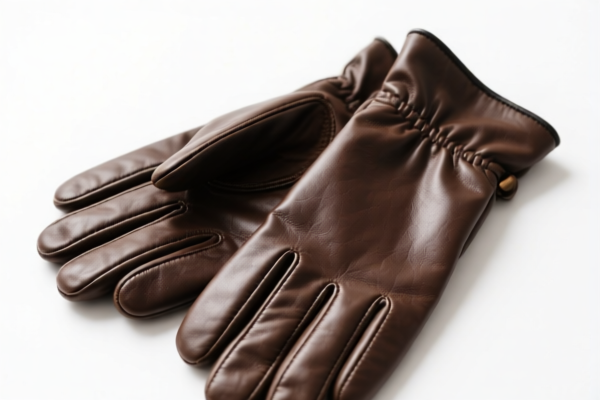
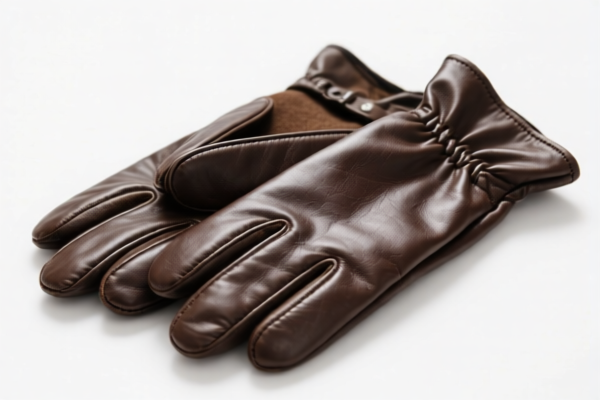
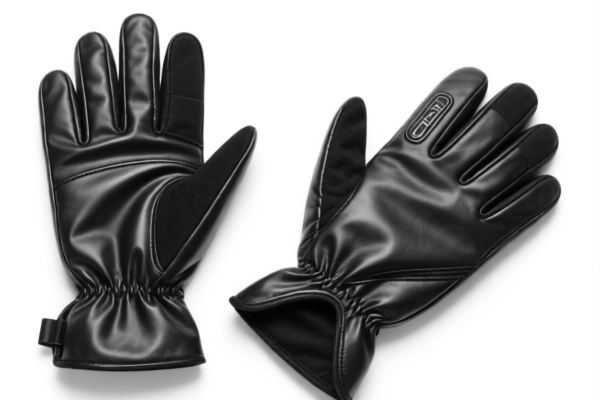
Synthetic Leather Winter Gloves are protective handwear designed for cold-weather conditions, featuring an outer layer made from artificial materials (PU, PVC, or other polyurethane) that mimics the texture and durability of real leather, often lined for insulation.
In international trade, these gloves are classified based on their material composition, construction method, and specific features (like plating or lining). The key distinctions in your provided dataset revolve around: 1. Fabrication: Are they Knitted/Crocheted (e.g., wool/polyester base coated) or Sewn/Assembled (e.g., cut-and-sew synthetic leather)? 2. Coating: Are they impregnated/coated with plastics/rubber? 3. Lining: Are they lined for warmth or unlined? 4. Special Features: Do they have "fourchettes" (a specific leather reinforcement at the finger joints) or are they designed for sports?
📦 II. HS Code Classification Breakdown (Based on Your Data)
The following table maps the specific product variations of Synthetic Leather Winter Gloves to the exact HS Codes and Tax Rates provided in your dataset.
| HS Code | Product Description & Key Features | Material/Construction Type | Lining Status | Special Features |
|---|---|---|---|---|
| 6216.00.08.00 | Sports/Outdoor Gloves Gloves, mittens, and mitts impregnated/coated/covered with plastics/rubber. 👉 Specifically designed for sports (ski/snowmobile). |
Woven/Textile base + Plastic/Rubber coating | Unspecified | Sports Specific (Ski/Snowmobile) |
| 6216.00.26.00 | General Synthetic Leather Gloves Gloves impregnated/coated/covered with plastics/rubber. 👉 Without fourchettes; General use. |
Woven/Textile base + Plastic/Rubber coating | Unspecified | No Fourchettes (Standard) |
| 4203.29.50.00 | Lined Synthetic Leather Gloves Articles of apparel/accessories of leather or composition leather. 👉 Synthetic leather (Composition Leather) gloves, Lined. |
Composition Leather (Cut & Sewn) | ✅ Lined | Warmth/Insulation focus |
| 4203.29.40.00 | Unlined Synthetic Leather Gloves Articles of apparel/accessories of leather or composition leather. 👉 Synthetic leather (Composition Leather) gloves, Not Lined. |
Composition Leather (Cut & Sewn) | ❌ Not Lined | Fashion/Work focus |
| 6116.10.95.00 | Knitted Coated Gloves (With Detailing) Gloves, knitted/crocheted, impregnated/coated with plastics/rubber. 👉 With fourchettes (reinforced stitching). |
Knitted Base + Plastic/Rubber coating | Unspecified | With Fourchettes |
| 6116.10.65.00 | Knitted Coated Gloves (Standard) Gloves, knitted/crocheted, impregnated/coated with plastics/rubber. 👉 Without fourchettes; Standard knitted glove. |
Knitted Base + Plastic/Rubber coating | Unspecified | No Fourchettes |
🔍 Critical Distinction for Synthetic Leather: * "Composition Leather" (HS 4203): This code is used when the glove is cut and sewn from a sheet of synthetic leather (PU/PVC) material, similar to how real leather gloves are made. * "Impregnated/Coated" (HS 6116 & 6216): This code is used when the glove is primarily a fabric/knitted base that is then dipped, coated, or covered with a plastic/rubber layer to create the "leather-like" feel.
💰 III. 2026 Tariff Rate Analysis (Detailed Breakdown)
Based on the provided data, here is the specific tax structure for each classification.
Scenario A: High Tariff Entry (Sports Specific)
HS Code: 6216.00.08.00
* Product: Synthetic leather gloves specifically for skiing or snowmobiling.
* Tax Detail:
* Basic Tariff: 0.8%
* Additional Tariff (Surtax): 7.5%
* Total Tax Rate: 8.3%
* 📌 Explanation: This is the only category in your data with a non-zero tax. The 7.5% surcharge likely represents specific anti-dumping duties, Section 301 tariffs, or specific surtaxes applied to sports gear or certain origins (e.g., China).
Scenario B: Zero Tariff Entries (General & Lined/Unlined)
HS Codes: 6216.00.26.00, 4203.29.50.00, 4203.29.40.00, 6116.10.95.00, 6116.10.65.00
* Product: General synthetic leather gloves (non-sports), lined or unlined composition leather gloves, knitted gloves with plastic coating.
* Tax Detail:
* Basic Tariff: 0.0%
* Additional Tariff (Surtax): 0.0%
* Total Tax Rate: 0.0%
* 📌 Explanation: These categories enjoy duty-free status under the provided dataset. This includes both "cut-and-sew" composition leather gloves (4203) and standard coated knitted gloves (6116/6216) that are not classified as specialized sports gear.
🛠️ IV. Customs Clearance Strategy & Practical Advice
To ensure smooth customs clearance and avoid unnecessary costs, follow this strategic guide:
✅ 1. Accurate Classification Strategy
- The "Sports" Trap: If your synthetic leather gloves are marketinged or physically designed for skiing, snowmobiling, or specific winter sports (e.g., reinforced palms, ski wrist straps), they MUST be classified under
6216.00.08.00(8.3% tax).- Risk: Trying to declare sports gloves as "general use" (
6216.00.26.00) to save tax will lead to severe penalties if Customs inspects the product's features.
- Risk: Trying to declare sports gloves as "general use" (
- Material Verification:
- If the glove is a knitted fabric dipped in plastic, use 6116 or 6216 codes (depending on weave).
- If the glove is cut from a sheet of PU leather, use 4203 codes.
- Lining Matters for 4203: Ensure your commercial invoice explicitly states if the
4203gloves are "Lined" or "Not Lined" to match4203.29.50vs4203.29.40.
✅ 2. Documentation Checklist (Must-Have)
| Document | Requirement | Purpose |
|---|---|---|
| Product Description | Explicitly state "Synthetic Leather" or "Composition Leather". | Prevents reclassification to "Real Leather" or other materials. |
| Usage Intent | CRITICAL: Do you declare "For Skiing"? • Yes → Tax 8.3% • No (General Fashion) → Tax 0% |
Determines the 0.8% + 7.5% surcharge application. |
| Construction Diagram | Show if "Fourchettes" are present (for 6116/6216). | Differentiates between 95.00 (With) and 65.00 (Without). |
| Material Composition | % of Synthetic Leather vs. Lining vs. Knitted base. | Validates classification between Chapter 42 (Leather) and Chapter 61/62 (Textiles). |
✅ 3. Cost Optimization Tips
- Avoid the "Sports" Label if Unnecessary: If the gloves are fashion winter gloves (not for skiing/snowmobiling), ensure the marketing and labeling do not mention "Ski", "Snowmobile", or "Winter Sports". This allows you to clear them under
6216.00.26.00or4203codes for 0% Tax. - Fourchette Check: For knitted gloves, ensure the production design matches the HS Code description. If they lack fourchettes, use
6116.10.65.00to ensure consistency, though the tax is 0% regardless. - Lining Verification: For
4203gloves, clearly state "Lined" or "Unlined". Mislabeling could lead to a mismatch in inspection.
✅ 4. Special Warning: The "Sports" Surcharge
The 7.5% Additional Tariff on 6216.00.08.00 is a significant cost driver (total 8.3%).
* Strategy: If your product is a generic winter glove that can be used for sports but is primarily sold as fashion/winter wear, do not label it as "Ski Gloves". Market it as "Fashion Winter Gloves" or "General Purpose Gloves" to qualify for the 0% rate under 6216.00.26.00.
🎯 V. Conclusion: Quick Summary
| Product Type | Key Feature | Recommended HS Code | Total Tax | Action Item |
|---|---|---|---|---|
| Winter Sports Gloves | For Skiing/Snowmobiling | 6216.00.08.00 |
8.3% | Accept tax or redesign for non-sports use. |
| General Synthetic Gloves | No sports design, coated | 6216.00.26.00 |
0.0% | Declare as "General Use" to save tax. |
| Cut & Sewn (Lined) | Composition Leather, Warm | 4203.29.50.00 |
0.0% | Ensure "Lined" is on invoice. |
| Cut & Sewn (Unlined) | Composition Leather, Thin | 4203.29.40.00 |
0.0% | Ensure "Not Lined" is on invoice. |
| Knitted (With Detail) | Knitted + Plastic, Fourchettes | 6116.10.95.00 |
0.0% | Verify construction diagram. |
| Knitted (Standard) | Knitted + Plastic, No Fourchettes | 6116.10.65.00 |
0.0% | Standard declaration. |
💡 Final Tip: The difference between paying 0% and 8.3% lies entirely in the intended use (Sports vs. General). Ensure your marketing materials, labeling, and invoice descriptions align perfectly with the tax-free category if your product is not specialized sports gear.
✨ Professional Customs Clearance Starts with Precision! 💼 Don't let a single word on your invoice cost you 8.3% of your profit margin.
Customer Reviews
About HS Code Classification
The Harmonized System (HS) is an internationally standardized nomenclature developed by the World Customs Organization (WCO) to classify traded products. Over 200 countries use the HS system as the basis for customs tariffs, trade statistics, and import/export regulations.
Each HS code follows a hierarchical structure:
- Chapter (2 digits) — Broad category of goods (e.g., Chapter 84: Machinery and Mechanical Appliances)
- Heading (4 digits) — More specific grouping within the chapter
- Subheading (6 digits) — Internationally standardized breakdown, used by all WCO member countries
- National subdivisions (8-10 digits) — Country-specific extensions for further classification, such as US HTSUS 10-digit codes
Correct HS code classification is essential for smooth customs clearance, accurate duty payment, and compliance with trade regulations. Misclassification can lead to customs delays, overpayment of duties, or penalties.
When importing from CN to US, the applicable tariff rates may include:
- Most-Favored-Nation (MFN) rate — The standard duty rate applied to WTO members
- General rate — Applied to countries without trade agreements
- Trade remedy duties — Additional tariffs such as Section 301 (anti-dumping), Section 232 (national security), or countervailing duties
The information provided on this page is for reference purposes only. For official classification, please consult with your local customs authority or a licensed customs broker.