Synthetic Leather and Plastic Products
CN → US| HS Code | Tariff Rate | Origin | Destination | Doc |
|---|---|---|---|---|
| 4203104085 | 41.0% | CN | US | Official Doc |
| 4205008000 | 35.0% | CN | US | Official Doc |
| 4203104095 | 41.0% | CN | US | Official Doc |
Product Images
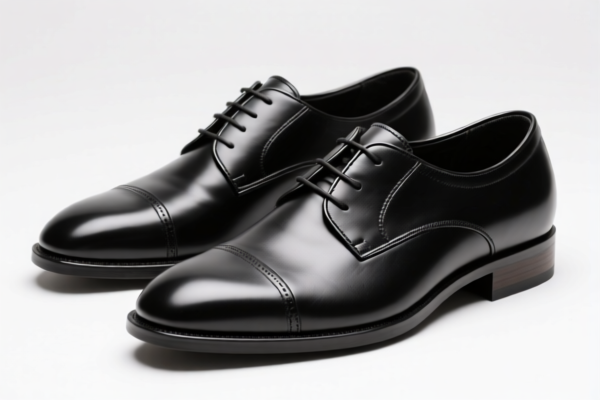
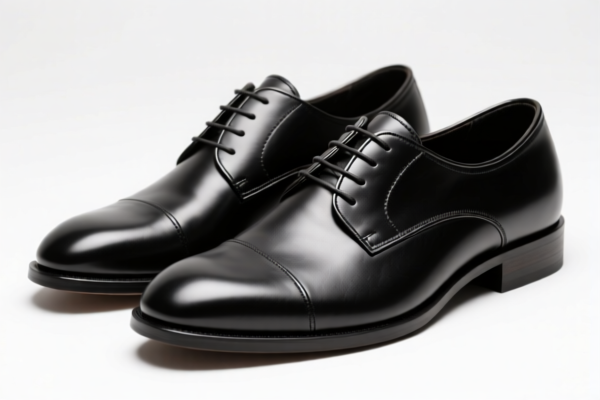


AI Analysis
🧤 Synthetic Leather & Plastic Products (Artificial Leather Goods)
🌐 HS Code Reference & Customs Clearance Guide | 2026 Latest Tariff Analysis | Professional Strategy for Compliance
📌 I. Product Definition & Classification: What Are You Really Importing?
Products described as "Synthetic Leather and Plastic Products" generally fall under Chapter 42: Articles of Leather; Saddle and Harness Working; Travel Goods, Handbags and Similar Containers; Articles of Animal Gut (Other than Silk).
In international trade, these items are strictly divided based on their primary material composition and function:
- Apparel & Accessories (Outerwear/Gloves):
- Items designed to be worn (jackets, gloves, belts, bags) made primarily of synthetic leather or composite leather.
- Core Characteristic: Designed for human wear or carrying personal items.
- Other Leather Articles (Industrial/Utility):
- Items not primarily for wear (e.g., straps, reinforced leather goods, specific industrial grips) or composite leather articles not fitting the apparel definition.
- Core Characteristic: Utility, durability, or specific material composition (composite/synthetic).
⚠️ Key Distinction Point: - If the item is clothing or personal accessories (jackets, gloves, bags) made of synthetic leather → Head 42.03 (Articles of Leather). - If the item is a composite or other leather article (not apparel/bags/gloves) made of synthetic/plastic leather → Head 42.05 (Other articles of leather or composition leather).
📦 II. HS Code Classification Details (2026 Latest Tariff Authority Mapping)
Based on your provided data, here are the precise classifications for "Synthetic Leather and Plastic Products":
| HS Code | Product Description | Material Match Logic | Primary Use Case |
|---|---|---|---|
4203.10.40.85 |
Leather Apparel Articles (Specific Subcategory) | Material Match: The summary confirms "leather" and "synthetic leather" align with the core definition of "Articles of leather or composition leather." | Jackets, suits, and other apparel items made of synthetic/composite leather. |
4205.00.80.00 |
Other Articles of Leather or Composition Leather | Material Match: Explicitly matches "leather" and "synthetic leather" with the classification explanation for "articles of leather or composition leather." | Belts, straps, industrial leather goods, or accessories not classified as apparel/gloves/bags. |
4203.10.40.95 |
Leather Apparel Articles (Base Material/Semi-finished) | Material Match: Matches "leather and synthetic leather" with "articles of leather or composition leather," classified under basic raw/semi-finished attributes within apparel articles. | Base layers, semi-finished apparel components, or specific sub-category of leather apparel. |
🔍 Critical Reminder: -
4203.10.40.85&.95are for Apparel (worn on the body). -4205.00.80.00is for Non-Apparel (other leather articles). - Misclassification (e.g., declaring a jacket as "other articles") leads to severe penalties due to the 6% base tariff difference and potential audit flags.
💰 III. 2026 Latest Tariff Rate Details (Detailed Breakdown)
✅ Applicable Country: United States (US)
✅ Origin: China (CN)
✅ Effective Time: 2025/2026 Import Cycle
🎯 1. 4203.10.40.85 & 4203.10.40.95 — Leather Apparel Articles
Both codes share the same tariff structure in the provided data. These are high-cost classifications due to higher base tariffs.
| Item | Content |
|---|---|
| Base Tariff | 6.0% (Ad Valorem) |
| Section 301 Tariff | +25.0% (Retaliation Tariff) |
| Section 122 Tariff | +10.0% (Specific US Trade Measure) |
| Total Tariff Rate | 41.0% |
| Calculation Method | CIF Value × 41.0% |
| De Minimis Exemption | ❌ NOT Applicable (High value risk) |
| Legal Path | HTSUS:4203.10.40.85/95 → Section 301: Footnote 9903.88.01 → Section 122 Authority |
📌 Explanation: - The 6% base rate is standard for leather apparel. - The 25% Section 301 tariff applies to most Chinese-made leather goods. - The 10% Section 122 tariff is an additional layer targeting specific imports. - Total 41% is a significant cost burden. Ensure your FOB pricing accounts for this to maintain margin.
🎯 2. 4205.00.80.00 — Other Articles of Leather
This classification is cost-effective compared to apparel articles, as it benefits from a zero base tariff.
| Item | Content |
|---|---|
| Base Tariff | 0.0% (Ad Valorem) |
| Section 301 Tariff | +25.0% (Retaliation Tariff) |
| Section 122 Tariff | +10.0% (Specific US Trade Measure) |
| Total Tariff Rate | 35.0% |
| Calculation Method | CIF Value × 35.0% |
| De Minimis Exemption | ❌ NOT Applicable |
| Legal Path | HTSUS:4205.00.80.00 → Section 301: Footnote 9903.88.01 → Section 122 Authority |
📌 Advantage: - 6% Savings: Compared to apparel articles (
4203.10.40.85/95), this code saves you 6% on the CIF value. - Strategy: If your product can legally be classified as "other leather articles" (e.g., straps, harnesses, non-apparel accessories), use4205.00.80.00to reduce costs. - ⚠️ Warning: Do NOT misdeclare apparel as "other articles." Customs checks material composition and function strictly.
🛠️ IV. Customs Clearance Practical Advice (Pitfall Avoidance Guide)
✅ 1. Documentation Checklist (Must-Haves)
| Document | Required? | Notes |
|---|---|---|
| ✅ Product Spec Sheet | ✔️ | Must specify material: "100% Synthetic Leather," "PU Leather," or "Composite Leather." Avoid vague terms like "Plastic Material." |
| ✅ Material Composition Statement | ✔️ | Detailed breakdown: Outer material, lining, padding. Crucial for 4203 vs 4205 distinction. |
| ✅ Commercial Invoice | ✔️ | Clearly state "Synthetic Leather Jacket/Belt" or "Composite Leather Strap." |
| ✅ Packing List | ✔️ | Quantity and weight. |
| ✅ Photos of Product | ✔️ | Show texture, tags, and construction to prove it is "leather-like" and not PVC plastic (which falls under Chapter 39). |
| ✅ Country of Origin Certificate | ✔️ | Mandatory for Section 301/122 tariff application. |
✅ 2. Classification Strategy (Key Mnemonics)
🔥 "Apparel is 41%, Other is 35%. Don't Guess, Define!"
| Scenario | Correct HS Code | Risk if Wrong |
|---|---|---|
| Synthetic Leather Jacket | 4203.10.40.85 |
❌ If declared as 4205, you face penalties + back taxes + audit. |
| Synthetic Leather Gloves | 4203.10.40.85 |
❌ Same as above. Gloves are apparel accessories. |
| Leather Belt | 4205.00.80.00 |
✅ Lower tariff. Ensure it's not part of a "suit set" (which might trigger apparel classification). |
| PVC/Vinyl Sheet (No Leather Look) | Chapter 39 | ❌ Not Chapter 42. Misclassification leads to rejection. |
✅ 3. Special Considerations
| Situation | Advice |
|---|---|
| Composite Leather | If it contains both natural leather and synthetic layers, it may still fall under 4203 or 4205 depending on the principal material. Provide a material flow chart. |
| "Plastic" Products | If the item is 100% plastic/PVC and does not look like leather, it likely belongs to Chapter 39 (Plastics). Do not force it into Chapter 42. |
| Section 122 Impact | The 10% Section 122 tariff is non-negotiable for Chinese-origin goods in this category. Do not assume exemptions without written ruling from CBP. |
🌍 V. Global Market Comparison (2026 Snapshot)
| Market | Recommended HS | Total Tariff (China Origin) | Key Requirement |
|---|---|---|---|
| 🇺🇸 USA | 4203.10.40.85 / 4205.00.80.00 |
41% / 35% | FCC (if electronic), CBP Precise Description |
| 🇪🇺 EU | 4203.10 / 4205.00 | 4% - 12% | CE Mark (if applicable), REACH Compliance |
| 🇨🇳 China (Export) | N/A | 0% (Export Duty) | Certificate of Origin for Preferential Treatment |
📌 Conclusion: - The US market is the most expensive for synthetic leather goods due to the 25% Section 301 + 10% Section 122叠加. - Cost Optimization: Verify if your product can be classified under
4205.00.80.00(35%) instead of4203.10.40.85(41%). A 6% difference is significant for high-volume shipments.
📌 VI. Common Errors & Pitfalls (Blood & Tears Lessons)
❌ Error 1: Calling "Synthetic Leather" "Plastic" to avoid Chapter 42 tariffs. 👉 Consequence: Customs will inspect and reclassify to Chapter 42, applying higher tariffs + fines.
❌ Error 2: Declaring a "Synthetic Leather Jacket" under 4205.00.80.00 to save tax.
👉 Consequence: High audit risk. CBP distinguishes apparel by function. Jackets are inherently 4203. Expect back taxes + interest.
❌ Error 3: Ignoring the "Section 122" tariff. 👉 Consequence: Unexpected 10% cost at customs. Budgeting fails.
✅ Correct Practice:
"100% Synthetic Leather Jacket, Polyurethane Coated Fabric, Model XYZ, Made in China" Use this precise description in the commercial invoice to support the
4203.10.40.85classification.
🎯 VII. Conclusion: Precision Saves Money!
🎯 Remember the Rule:
🔹 "Apparel = 41% (4203); Other = 35% (4205)." 🔹 "Synthetic = Leather Chapter. Plastic = Plastic Chapter." 🔹 "Don't guess. Define material. Save 6%."
📌 Pro Tip: If your product is complex (e.g., a leather bag with plastic hardware), consult a licensed customs broker for a Pre-Ruling (APA) with CBP. This provides legal certainty for your 35% or 41% tariff rate.
📣 Immediate Action:
📞 Contact a Customs Broker → Provide Material Composition → Confirm Function (Apparel vs. Other) → Declare Accurately. 🚀 Clear Customs Smoothly. Protect Your Margins.
✨ Professional Clearance Starts with Accurate Classification! 💼 Every Percent Counts in Leather Trade!
Customer Reviews
About HS Code Classification
The Harmonized System (HS) is an internationally standardized nomenclature developed by the World Customs Organization (WCO) to classify traded products. Over 200 countries use the HS system as the basis for customs tariffs, trade statistics, and import/export regulations.
Each HS code follows a hierarchical structure:
- Chapter (2 digits) — Broad category of goods (e.g., Chapter 84: Machinery and Mechanical Appliances)
- Heading (4 digits) — More specific grouping within the chapter
- Subheading (6 digits) — Internationally standardized breakdown, used by all WCO member countries
- National subdivisions (8-10 digits) — Country-specific extensions for further classification, such as US HTSUS 10-digit codes
Correct HS code classification is essential for smooth customs clearance, accurate duty payment, and compliance with trade regulations. Misclassification can lead to customs delays, overpayment of duties, or penalties.
When importing from CN to US, the applicable tariff rates may include:
- Most-Favored-Nation (MFN) rate — The standard duty rate applied to WTO members
- General rate — Applied to countries without trade agreements
- Trade remedy duties — Additional tariffs such as Section 301 (anti-dumping), Section 232 (national security), or countervailing duties
The information provided on this page is for reference purposes only. For official classification, please consult with your local customs authority or a licensed customs broker.