Synthetic Rubber Polymer Material
CN → US| HS Code | Tariff Rate | Origin | Destination | Doc |
|---|---|---|---|---|
| 4002190019 | 35.0% | CN | US | Official Doc |
| 4002190014 | 35.0% | CN | US | Official Doc |
| 3901901000 | 35.0% | CN | US | Official Doc |
| 3901909000 | 41.5% | CN | US | Official Doc |
| 3901909000 | 41.5% | CN | US | Official Doc |
Product Images
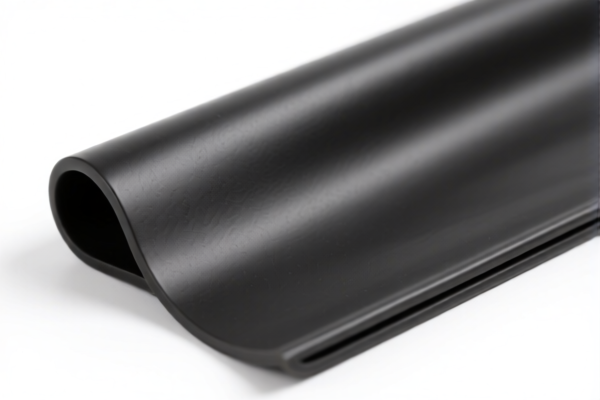
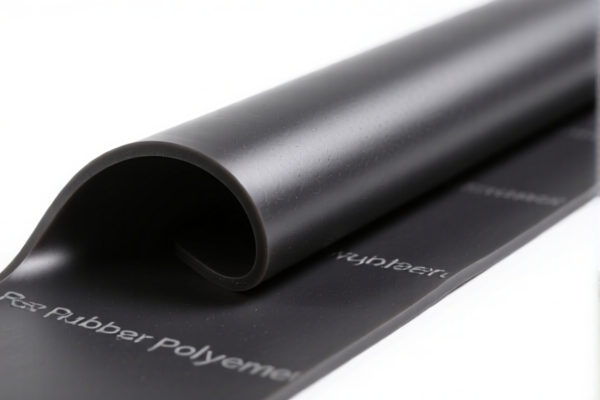
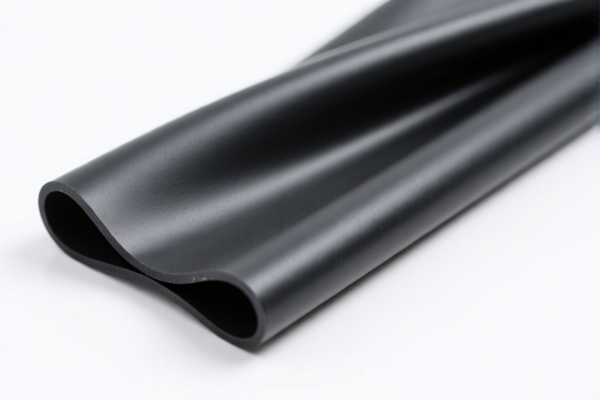
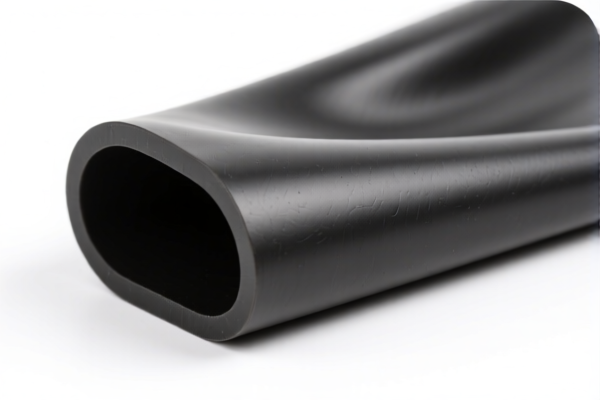
AI Analysis
🧪 Synthetic Rubber Polymer Material (Synthetic Rubber Powder/Pellets)
🌐 HS Code Reference & Customs Clearance Guide | 2026 Latest Tariff Analysis | Professional Strategy for US Imports
📌 I. Product Definition & Classification: What Exactly is "Synthetic Rubber"?
Synthetic rubber polymers are man-made elastomers designed to mimic or exceed the properties of natural rubber. In international trade, the classification depends strictly on chemical composition, physical form (powder, pellet, crumb), and whether it is conductive.
Key Distinctions: * Basic Synthetic Rubber (Non-Conductive): Typically classified under Chapter 40 if it is raw polymer material, or Chapter 39 if it is an ethylene polymer (elastomer). * Conductive Synthetic Rubber: If the rubber is modified to conduct electricity, it often falls under specific subheadings in Chapter 39 or is treated differently due to its functional additives. * Physical Form: The data provided specifically highlights "Powder", "Granules", and "Crumbs". The physical state is critical for determining the correct 10-digit HTS code.
⚠️ Critical Note for Importers:
- If the product is pure synthetic rubber polymer in powder/pellet form, it likely falls under 4002.19.
- If the product is an ethylene polymer elastomer (like EPDM, EPR), it may fall under 3901.90.
- If it is conductive, it is explicitly categorized under 3901.90.90.00.
- Misclassification risk: Confusing "Ethylene Polymer" (Ch. 39) with generic "Synthetic Rubber" (Ch. 40) leads to significant tax discrepancies.
📦 II. HS Code Classification Details (2026 Latest Tariff Authority Match)
Based on the provided data, here are the exact HS Codes and their logical justifications.
| HS Code | Product Description | Physical Form | Key Characteristics | Tax Rate |
|---|---|---|---|---|
4002.19.00.19 |
Synthetic Rubber Powder | Powder | Raw synthetic rubber polymer, primary form. | 35.0% |
4002.19.00.14 |
Synthetic Rubber Granules/Powder | Powder/Granules/Crumbs | Synthetic rubber in granular, crumb, or powder form. | 35.0% |
3901.90.10.00 |
Synthetic Rubber (Ethylene Polymer) | Powder | Ethylene polymer elastomer in primary form. | 35.0% |
3901.90.90.00 |
Synthetic Rubber Powder / Conductive | Powder/Other | General ethylene polymer category OR Conductive synthetic rubber. | 41.5% |
🔍 Why these codes?
-4002.19: Specifically covers "Other synthetic rubber" in primary forms or in plates, sheets, or strips. The subcodes.14and.19differentiate based on specific physical states (granules/crumbs vs. other powders).
-3901.90: Covers "Other ethylene polymers." This is used when the synthetic rubber is chemically classified as an ethylene polymer (e.g., EPDM) or when it has special properties like conductivity. The.90subheading is a "catch-all" for non-specific ethylene polymers or conductive variants.
💰 III. 2026 Latest Tariff Rate Breakdown (Including Surtaxes & Policy Add-ons)
✅ Applicable Country: United States (US)
✅ Origin: China (CN)
✅ Effective Date: From November 10, 2025 (including subsequent imports)
🎯 1. 4002.19.00.19 & 4002.19.00.14 — Synthetic Rubber (Non-Ethylene Primary Forms)
| Item | Detail |
|---|---|
| Base Tariff | 0.0% (Ad Valorem) |
| Section 301 Surcharge | +25.0% (USITC Footnote) |
| 122 Clause Tariff | +10.0% (Specific policy add-on for certain goods) |
| Total Tax Rate | 35.0% |
| Tax Calculation | CIF Value × 35% |
| De Minimis Exemption | ❌ Not Available (Denied) |
| Legal Basis Path | USITC:4002.19.00.19 / 4002.19.00.14 → Section 301: 25% → 122 Clause: 10% |
📌 Explanation:
- These codes are for generic synthetic rubber polymers that are not primarily ethylene-based or are classified under Chapter 40.
- The 0% base rate is deceptive; the 35% effective rate is driven entirely by punitive tariffs.
- 122 Clause refers to specific US trade enforcement actions (often related to circumvention or specific material lists).
🎯 2. 3901.90.10.00 — Ethylene Polymer Synthetic Rubber (Primary Form)
| Item | Detail |
|---|---|
| Base Tariff | 0.0% (Ad Valorem) |
| Section 301 Surcharge | +25.0% (USITC Footnote) |
| 122 Clause Tariff | +10.0% (Specific policy add-on) |
| Total Tax Rate | 35.0% |
| Tax Calculation | CIF Value × 35% |
| De Minimis Exemption | ❌ Not Available (Denied) |
| Legal Basis Path | USITC:3901.90.10.00 → Section 301: 25% → 122 Clause: 10% |
📌 Explanation:
- This code is for ethylene-based synthetic rubbers (like EPDM) in their primary powdered form.
- Despite being in Chapter 39 (Plastics), it is taxed at the same rate as Chapter 40 rubber due to the surcharges.
🎯 3. 3901.90.90.00 — Ethylene Polymer (General/Catch-All) & Conductive Synthetic Rubber
| Item | Detail |
|---|---|
| Base Tariff | 6.5% (Ad Valorem) |
| Section 301 Surcharge | +25.0% (USITC Footnote) |
| 122 Clause Tariff | +10.0% (Specific policy add-on) |
| Total Tax Rate | 41.5% |
| Tax Calculation | CIF Value × 41.5% |
| De Minimis Exemption | ❌ Not Available (Denied) |
| Legal Basis Path | USITC:3901.90.90.00 → Section 301: 25% → 122 Clause: 10% |
📌 Explanation:
- This is the most expensive category.
- It applies to conductive synthetic rubber (as explicitly stated in the data) OR ethylene polymers that do not fit the specific "primary form" description of.10.00.
- The 6.5% base tariff is the primary driver of the higher total rate compared to the other codes.
- Conductive rubber is often treated more strictly due to its dual-use potential (civilian/industrial), hence the higher base rate and inclusion in this catch-all.
🛠️ IV. Customs Clearance Practical Advice (Pitfall Avoidance Guide)
✅ 1. Documentation Checklist (Mandatory)
| Document | Required? | Details |
|---|---|---|
| ✅ Material Safety Data Sheet (MSDS) | ✔️ | Essential for chemical substances. Must list polymer type. |
| ✅ Certificate of Origin (CO) | ✔️ | To confirm Chinese origin for surtax calculation. |
| ✅ Product Specification Sheet | ✔️ | Must explicitly state: "Synthetic Rubber," "Ethylene Polymer," or "Conductive." |
| ✅ Physical Form Declaration | ✔️ | Clearly state: "Powder," "Granules," or "Crumbs." Mislabeling "Pellets" as "Powder" can cause delays. |
| ✅ Commercial Invoice | ✔️ | Describe goods as "Synthetic Rubber Powder, HS Code: [Insert Code]." |
| ✅ Conductivity Certification | ✔️ | CRITICAL: If the rubber is conductive, you MUST declare it. Hiding conductivity to avoid the 41.5% rate is fraud and leads to severe penalties. |
✅ 2. Declaration Tips (Key Mnemonics)
🔥 "Form Determines Code, Conductivity Determines Price!"
| Scenario | Correct Declaration | Wrong Declaration | Risk |
|---|---|---|---|
| Generic Rubber Powder | 4002.19.00.19 |
4002.19.00.14 (if not granules) |
Minor classification error, potential re-classification delay. |
| EPDM (Ethylene) Powder | 3901.90.10.00 |
4002.19.00.19 |
Tax Discrepancy: May be accepted, but could be challenged if chemical analysis differs. |
| Conductive Rubber | 3901.90.90.00 |
4002.19.00.19 |
Severe: Underpayment of 6.5% base tariff + penalties. |
| Mixed Forms (Pellets + Powder) | Declare the dominant form or split lines | Single line with vague description | Customs may seize or appraise the entire shipment at the highest rate (41.5%). |
✅ 3. Special Cases & Mitigation
| Case | Handling Advice |
|---|---|
| OEM Custom Rubber | Provide formula sheet or patent reference to prove material composition (Ethylene vs. Non-Ethylene). |
| Conductive Rubber Claims | If you claim it is not conductive but tests show it is, you face fraud allegations. Only declare "Conductive" if certified. |
| Powder vs. Granules | Ensure your physical samples match the declared form. 4002.19.00.14 is for granules/crumbs; 4002.19.00.19 is for other powders. |
| High-Value Shipments | Consider Advance Ruling (Preliminary Ruling) from CBP to lock in the HS Code and tax rate before shipping. |
🌍 V. Global Market Comparison (2026 Latest)
| Country/Region | Recommended HS Code | Tariff (China Origin) | Key Requirements | Remarks |
|---|---|---|---|---|
| 🇺🇸 USA | 4002.19.00.19 / 3901.90.90.00 |
35.0% - 41.5% | MSDS, CO, 122 Clause Compliance | Highest effective rate due to Section 301 + 122 Clause. |
| 🇨🇳 China | 4002.19.00.00 |
Varies (5-10%) | Standard Import | No punitive surtaxes. |
| 🇪🇺 EU | 4002.19.00 |
0-6.5% | REACH Registration | No Section 301 equivalents. |
| 🇬🇧 UK | 4002.19.00 |
0-6.5% | UK REACH | Post-Brexit standards apply. |
| 🇯🇵 Japan | 4002.19.00 |
0-5.0% | JIS Certification | Low base tariffs. |
📌 Conclusion:
- The US is the most expensive market for synthetic rubber imports due to the cumulative 35-41.5% tariff burden.
- Europe and Asia offer significantly lower costs, but may have stricter chemical registration (REACH) or safety standards (JIS).
- Supply Chain Strategy: If exporting to the US, ensure accurate classification to avoid 41.5% surprises. If possible, explore duty drawback programs if the rubber is further processed into duty-free end products.
📌 VI. Common Errors & Pitfall Guide (Lessons Learned)
❌ Error 1: Declaring "Conductive Rubber" as "Standard Synthetic Rubber" to save 6.5% base tax.
👉 Consequence: CBP lab tests will reveal conductivity. Penalties, back taxes, and potential seizure.
❌ Error 2: Confusing "Ethylene Polymer" (Ch. 39) with "Other Synthetic Rubber" (Ch. 40).
👉 Consequence: Misdeclaration of chemical nature. Customs may demand chemical analysis, delaying shipment by weeks.
❌ Error 3: Ignoring the "122 Clause" surcharge.
👉 Consequence: The total tax is not just Section 301 (25%) but also includes the 122 Clause (10%). Underpaying leads to CBP audits.
❌ Error 4: Using vague descriptions like "Rubber Powder" without specifying form or conductivity.
👉 Consequence: Customs assigns the highest possible rate (41.5%) as a reserve until clarified.
✅ Correct Practice:
"Synthetic Rubber Powder, Ethylene Polymer, Primary Form, Non-Conductive, HS Code: 3901.90.10.00, Origin: China"
🎯 VII. Conclusion: Precision in Classification Saves Costs!
🎯 Remember the Mantra:
🔹 "Form Matters: Powder vs. Granules."
🔹 "Chemistry Matters: Ethylene vs. Other."
🔹 "Conductivity Matters: It’s the 41.5% Trap!"
🔹 "122 Clause is the Hidden 10% Killer."
📌 Pro Tip:
If your synthetic rubber is not of Chinese origin (e.g., from South Korea, Germany, or Malaysia), you may avoid the Section 301 25% and 122 Clause 10% surtaxes, reducing the total tax to the base rate (0% or 6.5%).
Action: Verify country of origin and apply for preferential tariff treatment if applicable.
📣 Immediate Action Required:
📞 Contact your customs broker with the MSDS and product specs.
📝 Apply for a CBP Preliminary Ruling if the product is new to your company.
🚀 Ensure accurate declaration to avoid costly delays and penalties at the US port of entry.
✨ Professional Customs Clearance Starts with Accurate Classification!
💼 Your Profit Margin Depends on Getting the HS Code Right!
Customer Reviews
About HS Code Classification
The Harmonized System (HS) is an internationally standardized nomenclature developed by the World Customs Organization (WCO) to classify traded products. Over 200 countries use the HS system as the basis for customs tariffs, trade statistics, and import/export regulations.
Each HS code follows a hierarchical structure:
- Chapter (2 digits) — Broad category of goods (e.g., Chapter 84: Machinery and Mechanical Appliances)
- Heading (4 digits) — More specific grouping within the chapter
- Subheading (6 digits) — Internationally standardized breakdown, used by all WCO member countries
- National subdivisions (8-10 digits) — Country-specific extensions for further classification, such as US HTSUS 10-digit codes
Correct HS code classification is essential for smooth customs clearance, accurate duty payment, and compliance with trade regulations. Misclassification can lead to customs delays, overpayment of duties, or penalties.
When importing from CN to US, the applicable tariff rates may include:
- Most-Favored-Nation (MFN) rate — The standard duty rate applied to WTO members
- General rate — Applied to countries without trade agreements
- Trade remedy duties — Additional tariffs such as Section 301 (anti-dumping), Section 232 (national security), or countervailing duties
The information provided on this page is for reference purposes only. For official classification, please consult with your local customs authority or a licensed customs broker.