Synthetic Rubber and Fake Rubber Granules
CN → US| HS Code | Tariff Rate | Origin | Destination | Doc |
|---|---|---|---|---|
| 4005990000 | 35.0% | CN | US | Official Doc |
| 4002110000 | 35.0% | CN | US | Official Doc |
| 4002910000 | 35.0% | CN | US | Official Doc |
| 4005200000 | 35.0% | CN | US | Official Doc |
| 4002190019 | 35.0% | CN | US | Official Doc |
Product Images
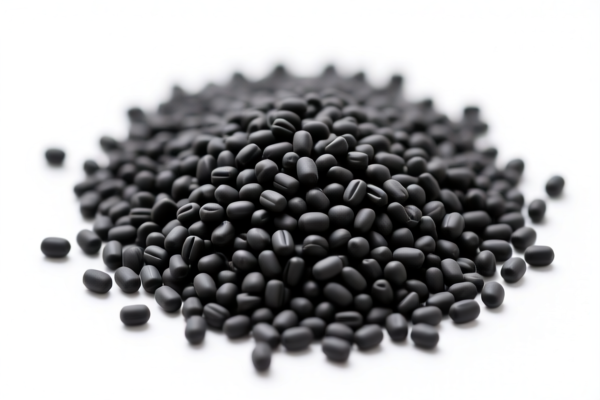
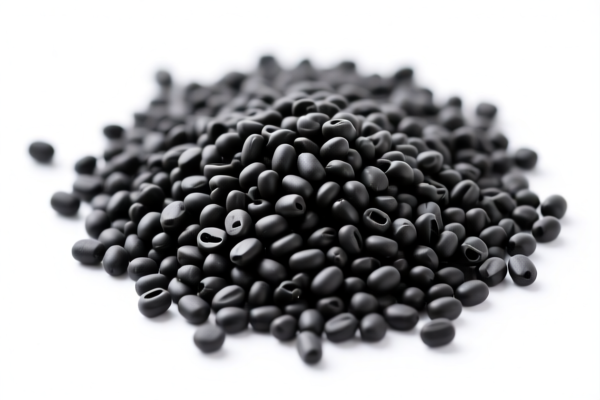
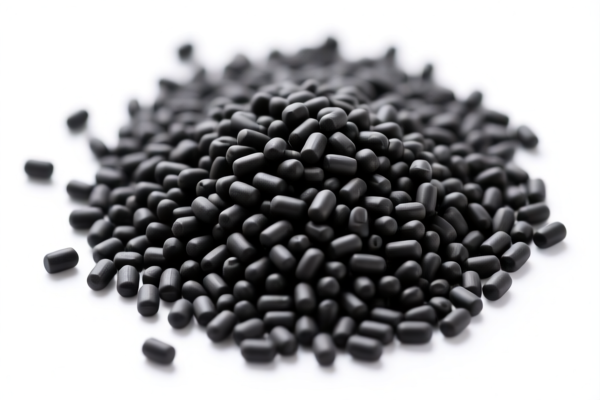
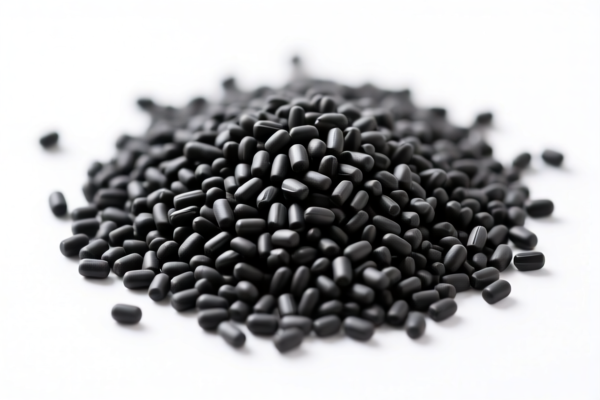
AI Analysis
🏭 Synthetic Rubber & Fake Rubber Granules (Synthetic Rubber & Compounds)
🌐 HS Code Reference & Customs Clearance Guide | 2026 Latest Tariff Analysis | Professional Clearance Strategy
📌 I. Product Definition & Classification: What Exactly Are "Synthetic Rubber and Fake Rubber Granules"?
In international trade, "Synthetic Rubber and Fake Rubber Granules" generally refers to vulcanized or unvulcanized synthetic rubber compounds, latexes, or powder forms. The key is distinguishing between raw material forms (latex/emulsion), intermediate forms (unvulcanized mixtures/solutions), and specialized forms (powders).
Key Distinction Points: * Unvulcanized Mixture (Compounds): Rubber that has been mixed with additives but not yet cured into its final shape. * Latex/Emulsion: Liquid form of synthetic rubber. * Powder: Synthetic rubber in granular or powdered primary form.
⚠️ Critical Classification Logic: - If it is a liquid/emulsion → Check for 4002 (Latex) or 4005.20 (Solution/Dispersion). - If it is an unvulcanized solid mixture → Check for 4005.99 (Other Unvulcanized). - If it is powder → Check for 4002.19 (Primary Form/Powder fallback).
📦 II. HS Code Classification Details (2026 Latest Tariff Authority Comparison)
| HS Code | Product Description | Applicable Scenario | Physical State/Form |
|---|---|---|---|
4005.99.00.00 |
Unvulcanized Compound Rubber (Other) | Synthetic rubber compounds not specified elsewhere; based on material consistency. | Solid/Unvulcanized Mix |
4002.11.00.00 |
SBR Latex (Styrene-Butadiene Rubber) | Matches material (SBR) and emulsion state; fits Styrene-Butadiene Rubber category. | Liquid/Emulsion |
4002.91.00.00 |
Other Synthetic Rubber Latex | Material matches completely; latex state belongs to emulsion category. | Liquid/Emulsion |
4005.20.00.00 |
Unvulcanized Rubber in Primary Forms (Solution/Dispersion) | Fits unvulcanized compound characteristics; solution or dispersion state. | Solution/Dispersion |
4002.19.00.19 |
Synthetic Rubber Powder | Primary form; based on synthetic rubber material attributes as a fallback category. | Powder/Granules |
🔍 Key Reminder: - "Fake Rubber Granules" is not a standard HS term. If these are actual synthetic rubber granules, they fall under Unvulcanized Compounds (
4005.99) or Powders (4002.19). - If the "granules" are actually latex particles in suspension, they may fall under4005.20. - Do not confuse with natural rubber (Chapter 40, Heading 4001) or vulcanized rubber articles (Chapter 40, Heading 4016).
💰 III. 2026 Latest Tariff Rate Details (Including Surcharges & Policy Add-ons)
✅ Applicable Country: United States (US)
✅ Origin: China (CN)
✅ Effective Date: November 10, 2025 (and onwards)
🎯 1. 4005.99.00.00 —— Unvulcanized Compound Rubber (Other)
| Item | Details |
|---|---|
| Base Duty Rate | 0.0% (ad valorem) |
| Section 301 Surcharge | +25.0% (Section 301 Tariffs) |
| Section 122 Surcharge | +10.0% (Section 122 Tariffs) |
| Total Tax Rate | 35.0% |
| Tax Calculation | CIF Value × 35% |
| De Minimis Exemption | ❌ Not Applicable (deny_de_minimis) |
| Legal Basis Path | Section 301:9903.01.24 → Section 122:9903.01.25 → USITC:4005.99.00.00 |
📌 Explanation: - "Section 301 25%": Standard retaliatory tariff on Chinese goods under US Trade Law Section 301. - "Section 122 10%": Additional tariff under Section 122 of the Trade Act of 1974 (often applied to steel/aluminum or specific strategic goods, here applied to synthetic rubber compounds). - Total 35%: High tariff burden. Cost calculation must include this fully.
🎯 2. 4002.11.00.00 —— SBR Latex (Styrene-Butadiene Rubber)
| Item | Details |
|---|---|
| Base Duty Rate | 0.0% |
| Section 301 Surcharge | +25.0% |
| Section 122 Surcharge | +10.0% |
| Total Tax Rate | 35.0% |
| Tax Calculation | CIF Value × 35% |
| De Minimis Exemption | ❌ Not Applicable |
| Legal Basis Path | Section 301:9903.01.24 → Section 122:9903.01.25 → USITC:4002.11.00.00 |
📌 Note: - SBR is the most common synthetic rubber. If imported as latex (liquid), this code applies. - Same 35% total rate as unvulcanized compounds.
🎯 3. 4002.91.00.00 —— Other Synthetic Rubber Latex
| Item | Details |
|---|---|
| Base Duty Rate | 0.0% |
| Section 301 Surcharge | +25.0% |
| Section 122 Surcharge | +10.0% |
| Total Tax Rate | 35.0% |
| Tax Calculation | CIF Value × 35% |
| De Minimis Exemption | ❌ Not Applicable |
| Legal Basis Path | Section 301:9903.01.24 → Section 122:9903.01.25 → USITC:4002.91.00.00 |
📌 Note: - Covers other synthetic rubber latexes (e.g., NBR, CR, IIR in latex form). - Identical tariff structure.
🎯 4. 4005.20.00.00 —— Unvulcanized Rubber in Primary Forms (Solution/Dispersion)
| Item | Details |
|---|---|
| Base Duty Rate | 0.0% |
| Section 301 Surcharge | +25.0% |
| Section 122 Surcharge | +10.0% |
| Total Tax Rate | 35.0% |
| Tax Calculation | CIF Value × 35% |
| De Minimis Exemption | ❌ Not Applicable |
| Legal Basis Path | Section 301:9903.01.24 → Section 122:9903.01.25 → USITC:4005.20.00.00 |
📌 Note: - For solution polymers or dispersions that are unvulcanized. - If "fake rubber granules" are actually polymer solutions, this code is correct.
🎯 5. 4002.19.00.19 —— Synthetic Rubber Powder (Other)
| Item | Details |
|---|---|
| Base Duty Rate | 0.0% |
| Section 301 Surcharge | +25.0% |
| Section 122 Surcharge | +10.0% |
| Total Tax Rate | 35.0% |
| Tax Calculation | CIF Value × 35% |
| De Minimis Exemption | ❌ Not Applicable |
| Legal Basis Path | Section 301:9903.01.24 → Section 122:9903.01.25 → USITC:4002.19.00.19 |
📌 Note: - This is the fallback code for synthetic rubber powders/granules not specifically listed elsewhere. - If your "fake rubber granules" are dry powders, this is likely the most appropriate code.
🛠️ IV. Customs Clearance Practical Advice (Real-World Pitfall Guide)
✅ 1. Required Documentation Checklist (Non-Negotiable)
| Document | Required | Explanation |
|---|---|---|
| ✅ Product Specification Sheet | ✔️ | Must specify: Type (SBR/NBR/etc.), Form (Latex/Powder/Solution), Unvulcanized status. |
| ✅ Material Safety Data Sheet (MSDS) | ✔️ | Crucial for liquid/dispersion products to verify chemical composition. |
| ✅ Product Photos | ✔️ | Clear images showing physical state (liquid vs. solid granules). |
| ✅ Commercial Invoice | ✔️ | Must explicitly state "Synthetic Rubber, Unvulcanized" or "Synthetic Rubber Latex". |
| ✅ Packing List | ✔️ | Detail packaging type (drums for liquid, bags for powder). |
| ✅ Certificate of Origin (CO) | ✔️ | If originating from non-China countries, may affect tariff (but Section 301/122 still apply if processed/origin attributes trigger them). |
✅ 2. Declaration Tips (Key Mnemonics)
🔥 “State Matters: Liquid is Latex, Powder is Powder, Mix is Compound!”
| Scenario | Correct HS Code | Incorrect Declaration | Consequence |
|---|---|---|---|
| Liquid Rubber Emulsion | 4002.11.00.00 / 4002.91.00.00 |
"Rubber Granules" | Misclassification → Audit/Retax |
| Dry Powder/Granules | 4002.19.00.19 |
"Rubber Latex" | Misclassification → Delayed Clearance |
| Unvulcanized Compound Blocks | 4005.99.00.00 |
"Rubber Powder" | Wrong code → 35% still applies but may trigger compliance review |
| Solution Polymer | 4005.20.00.00 |
"Synthetic Rubber" | Vague description → Customs rejection |
📌 Critical Advice: - Do NOT use vague terms like "Fake Rubber" or "Rubber Filler" in declarations. Use precise technical names: "Styrene-Butadiene Rubber Latex" or "Unvulcanized SBR Compound". - "Fake Rubber" is a red flag for customs. It may imply counterfeit goods or non-compliant materials. Always use "Synthetic Rubber".
✅ 3. Special Cases Handling
| Scenario | Handling Advice |
|---|---|
| OEM Synthetic Rubber | Provide customer PO + technical data sheet. Specify "Unvulcanized" clearly. |
| Mixed Shipments (Latex + Powder) | Separate declarations for each HS Code. Do not mix liquid and solid forms in one line item. |
| High Content of Fillers | If >50% filler, may be classified differently. Consult with a customs broker. |
| Recycled Rubber Granules | If truly recycled (not synthetic), different codes apply. Ensure "Synthetic" is declared if it is virgin synthetic rubber. |
🌍 V. Global Market Comparison (2026 Latest)
| Country/Region | Recommended HS Code | Tariff (China Origin) | Certification | Remarks |
|---|---|---|---|---|
| 🇺🇸 USA | 4005.99.00.00 / 4002.19.00.19 |
35% (25% + 10%) | SDS, MSDS | High tariffs apply to all synthetic rubber forms from China. |
| 🇨🇳 China | 4005.99.00.00 |
0-5% | GB Standards | No Section 301/122. |
| 🇪🇺 EU | 4005.99.00 / 4002.19 |
0-6.5% | REACH, SVHC | No additional punitive tariffs. REACH registration required. |
| 🇦🇺 Australia | 4005.99.00 |
5% | AUSTAL | No additional punitive tariffs. |
| 🇯🇵 Japan | 4005.99.00 |
0-5% | JIS | No additional punitive tariffs. |
📌 Conclusion: - USA is the only major market with 35% punitive tariffs on synthetic rubber from China. - EU, Japan, Australia have standard MFN rates (0-6.5%) and require chemical safety certifications (REACH in EU). - Cost Impact: 35% tariff significantly reduces profit margins. Consider supply chain diversification or duty drawbacks if eligible.
📌 VI. Common Mistakes & Pitfalls (Lessons Learned)
❌ Mistake 1: Declaring "Rubber Granules" without specifying "Synthetic" or "Unvulcanized". 👉 Consequence: Customs may classify as "Used Rubber" or "Recycled Rubber" with different duties or restrictions.
❌ Mistake 2: Mixing Latex (Liquid) and Powder in one HS Code. 👉 Consequence: Customs may reject the entry or apply the highest duty rate to the entire shipment.
❌ Mistake 3: Ignoring Section 122 Tariffs. 👉 Consequence: Underpayment of 10%. Audits can result in penalties and back taxes.
❌ Mistake 4: Using "Fake Rubber" in commercial invoices. 👉 Consequence: Flagged for counterfeit goods investigation. Shipment delayed or confiscated.
✅ Correct Approach:
"Synthetic Rubber Compound, Unvulcanized, SBR Type, in Unvulcanized State, HS Code 4005.99.00.00, Origin: China"
🎯 VII. Conclusion: Professional Declaration, Cost Control, Efficiency!
🎯 Remember the Mantra:
🔹 "State Defines Code: Latex=4002, Powder=4002.19, Compound=4005.99."
🔹 "35% Total Tax in USA: 25% Section 301 + 10% Section 122."
🔹 "Never use 'Fake Rubber'. Use 'Synthetic Rubber'."
📌 Pro Tip:
If your synthetic rubber is originating from Vietnam, Mexico, Thailand, or Malaysia, you may be eligible for IEEPA Exemptions or lower tariffs (0-5%).
Recommendation:
🔹 Apply for Advance Ruling from US Customs to confirm HS Code.
🔹 Ensure Supply Chain Transparency to avoid Section 301/122 if origin rules are met.
🔹 Consult a Licensed Customs Broker for complex formulations (e.g., compounds with high filler content).
📣 Immediate Action:
📞 Contact a Customs Broker + Provide MSDS + Apply for HS Code Advance Ruling
🚀 Let your synthetic rubber clear customs smoothly, control costs, and maximize profits!
✨ Professional clearance starts with accurate classification!
💼 Every cent of your cost deserves precise calculation!
Customer Reviews
About HS Code Classification
The Harmonized System (HS) is an internationally standardized nomenclature developed by the World Customs Organization (WCO) to classify traded products. Over 200 countries use the HS system as the basis for customs tariffs, trade statistics, and import/export regulations.
Each HS code follows a hierarchical structure:
- Chapter (2 digits) — Broad category of goods (e.g., Chapter 84: Machinery and Mechanical Appliances)
- Heading (4 digits) — More specific grouping within the chapter
- Subheading (6 digits) — Internationally standardized breakdown, used by all WCO member countries
- National subdivisions (8-10 digits) — Country-specific extensions for further classification, such as US HTSUS 10-digit codes
Correct HS code classification is essential for smooth customs clearance, accurate duty payment, and compliance with trade regulations. Misclassification can lead to customs delays, overpayment of duties, or penalties.
When importing from CN to US, the applicable tariff rates may include:
- Most-Favored-Nation (MFN) rate — The standard duty rate applied to WTO members
- General rate — Applied to countries without trade agreements
- Trade remedy duties — Additional tariffs such as Section 301 (anti-dumping), Section 232 (national security), or countervailing duties
The information provided on this page is for reference purposes only. For official classification, please consult with your local customs authority or a licensed customs broker.