Synthetic Rubber for Research
CN → US| HS Code | Tariff Rate | Origin | Destination | Doc |
|---|---|---|---|---|
| 3901909000 | 41.5% | CN | US | Official Doc |
| 4002990000 | 35.0% | CN | US | Official Doc |
| 4002800000 | 35.0% | CN | US | Official Doc |
| 4001220025 | 35.0% | CN | US | Official Doc |
| 4001220015 | 35.0% | CN | US | Official Doc |
Product Images
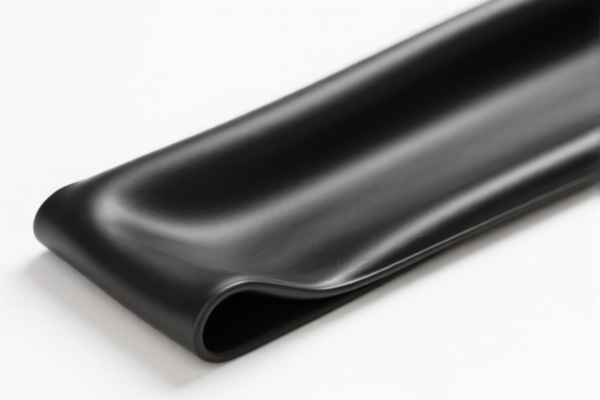
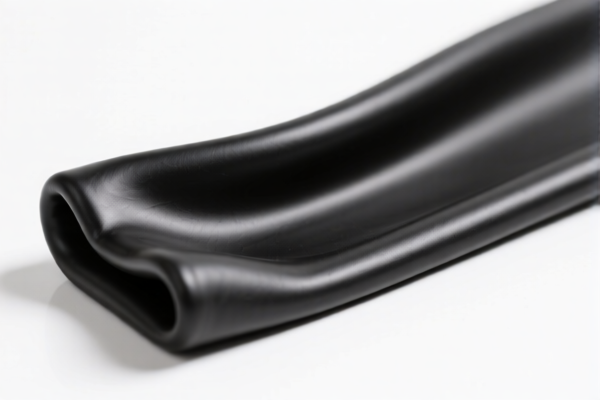
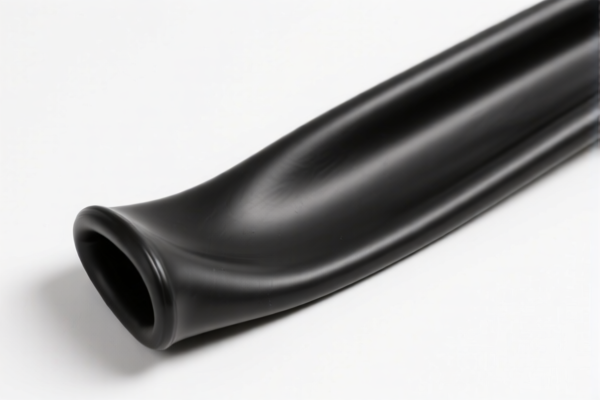
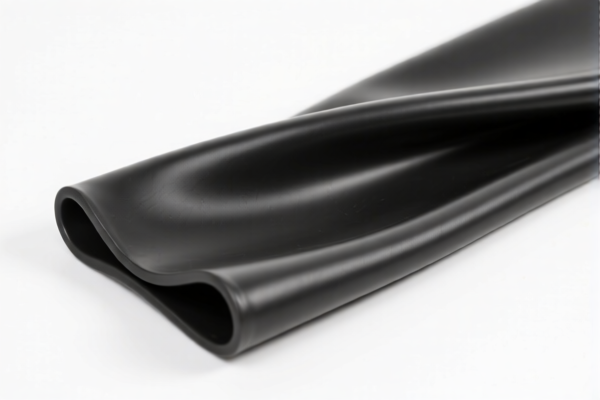
AI Analysis
🧪 Synthetic Rubber for Research
🌐 HS Code Reference & Customs Clearance Guide | 2026 Latest Tariff Analysis | Professional-Level Clearance Strategy
📌 I. Product Definition and Classification: Do You Really Understand "Synthetic Rubber"?
"Synthetic Rubber for Research" refers to elastomeric materials produced through polymerization processes, specifically intended for laboratory testing, material science experiments, or R&D purposes. In international trade, classification hinges on three critical factors:
- Material Composition: Is it pure synthetic rubber? Is it a mixture with natural rubber? Or is it raw material in primary form?
- Form/State: Is it in primary forms (lumps, powders, plates, rolls)?
- Intended Use: While "research" describes the use, customs classification primarily looks at the physical characteristics. However, the specific HS codes listed below are derived from the detailed summaries provided in the data, distinguishing between pure synthetic, mixtures, and natural rubber variants.
⚠️ Key Distinction Point:
- Pure Synthetic Rubber (e.g., SBR, IR, BR) → Generally falls under 3901.90.90.00 (Plastics) OR 4002.xxxxxx (Rubber). Note: The provided data specifically assigns it to 3901.90.90.00. - Mixtures of Synthetic & Natural Rubber → Falls under 4002.99.00.00 or 4002.80.00.00. - Natural Rubber (even if labeled "for research") → Falls under 4001.22.00.25 or 4001.22.00.15.
📦 II. HS Code Classification Details (Based on Provided Data)
| HS Code | Product Description (Per Data) | Application Scenario | Taxation Profile |
|---|---|---|---|
3901.90.90.00 |
Synthetic Rubber: Used for research, material is synthetic rubber, form is primary or semi-finished. Fits polymer classification logic. | Pure synthetic elastomers for lab studies. | Highest Tax Rate: 41.5% |
4002.99.00.00 |
Mixture: Synthetic rubber mixed with natural rubber, used for research. Fits "other mixtures" description. | Blended rubber compounds for testing compatibility. | 35.0% |
4002.80.00.00 |
Mixture: Synthetic rubber mixed with natural rubber, research grade. Material matches, no form conflict. | Research-grade blends, specific polymer mixtures. | 35.0% |
4001.22.00.25 |
Natural Rubber: Research grade. Material is natural rubber, fits primary shape or specific grade范畴. | Pure natural rubber latex or sheets for R&D. | 35.0% |
4001.22.00.15 |
Natural Rubber: Research grade. Non-conflicting description, inferred as primary shape or specific grade. | Specific grade natural rubber for analysis. | 35.0% |
🔍 Critical Reminder:
- Even though the product is "for research," it does not automatically qualify for duty-free status under general research exemptions unless specific documents (like a recognized research institution certificate) are presented and the HS code allows it.
- Misclassification Risk: Declaring a synthetic rubber mixture as "pure synthetic" (3901) vs. "mixture" (4002) changes the tax burden from 41.5% to 35.0%. Accuracy in composition is vital.
💰 III. 2026 Latest Tariff Rate Breakdown (Including Surtaxes & Policy Add-ons)
✅ Applicable Country: United States (US)
✅ Origin: China (CN) (Implied by "122 Clause" and typical surtax structures in the data)
✅ Effective Date: Ongoing (Based on 2025/2026 policies)
🎯 1. 3901.90.90.00 — Synthetic Rubber (Pure)
| Item | Content |
|---|---|
| Base Duty Rate | 6.5% (Ad Valorem) |
| Section 301 Surtax (USITC) | +25.0% |
| Section 122 Clause Tariff | +10.0% (Specific provision for certain materials) |
| Total Effective Tax Rate | 41.5% |
| Tax Calculation | CIF Value × 41.5% |
| De Minimis Exemption | ❌ NOT AVAILABLE |
| Legal Path | Base Tariff → USITC Footnote 301 → Section 122 Addition |
📌 Explanation:
- This is the most expensive classification in the dataset. - The combination of Base (6.5%) + 301 (25%) + Section 122 (10%) creates a heavy tariff burden. - Warning: Many importers mistakenly use this code for all synthetic rubbers, but if the product contains any natural rubber, it may be misclassified here, leading to penalties if corrected later.
🎯 2. 4002.99.00.00 & 4002.80.00.00 — Synthetic/Natural Rubber Mixtures
| Item | Content |
|---|---|
| Base Duty Rate | 0.0% |
| Section 301 Surtax (USITC) | +25.0% |
| Section 122 Clause Tariff | +10.0% |
| Total Effective Tax Rate | 35.0% |
| Tax Calculation | CIF Value × 35.0% |
| De Minimis Exemption | ❌ NOT AVAILABLE |
| Legal Path | USITC Footnote 301 → Section 122 Addition |
📌 Note:
- Although the base duty is 0%, the surtaxes still apply, resulting in a 35% total rate. - This is 6.5% cheaper than the pure synthetic rubber classification (3901.90.90.00). - Strategy: If your product is a blend, ensure the documentation explicitly states "Synthetic/Natural Rubber Mixture" to qualify for this lower rate.
🎯 3. 4001.22.00.25 & 4001.22.00.15 — Natural Rubber (Research Grade)
| Item | Content |
|---|---|
| Base Duty Rate | 0.0% |
| Section 301 Surtax (USITC) | +25.0% |
| Section 122 Clause Tariff | +10.0% |
| Total Effective Tax Rate | 35.0% |
| Tax Calculation | CIF Value × 35.0% |
| De Minimis Exemption | ❌ NOT AVAILABLE |
| Legal Path | USITC Footnote 301 → Section 122 Addition |
📌 Note:
- Even though it is "Natural Rubber," it is still subject to the same surtaxes as the mixtures. - Ensure the product is genuine natural rubber (e.g., RSS, Latex Concentrate). If it is synthetic, declaring it as natural rubber is fraud.
🛠️ IV. Customs Clearance Practical Advice (Real-World Pitfall Avoidance)
✅ 1. Required Documentation List (Non-Negotiable)
| Document | Must Provide? | Description |
|---|---|---|
| ✅ Product Specification Sheet | ✔️ | Must detail chemical composition (synthetic vs. natural ratio), polymer type (SBR, BR, IR, etc.), and form (powder, sheet, liquid). |
| ✅ Certificate of Analysis (COA) | ✔️ | For "research grade" claims, a COA proves purity and intended use. |
| ✅ Commercial Invoice | ✔️ | Must clearly state: "Synthetic Rubber / Rubber Mixture for Research Only – Not for Commercial Sale". |
| ✅ Proof of End-User | ✔️ | Letter from the research institution confirming the goods are for R&D, not commercial production. |
| ✅ Packing List | ✔️ | Detailed weight and volume breakdown. |
✅ 2. Declaration Tips (Key Mantra)
🔥 "Know Your Base, Check the Mix, Declare the Form, Avoid the 41.5% Trap!"
| Scenario | Correct Declaration | Wrong Action |
|---|---|---|
| Pure Synthetic Rubber (e.g., SBR) | 3901.90.90.00 (41.5%) |
Mislabeling as "Mixture" to avoid tax → Audit Risk |
| 50/50 Blend of Syn/Nat Rubber | 4002.99.00.00 (35%) |
Declaring as Pure Synthetic → Overpaying 6.5% |
| 100% Natural Rubber (Latex/Sheet) | 4001.22.00.25 (35%) |
Declaring as Synthetic → Misclassification Penalty |
| Research Sample (Small Quantity) | Still subject to full tariff | Assuming "Research" = Duty Free → Confiscation |
✅ 3. Special Case Handling
| Scenario | Handling Advice |
|---|---|
| Import for Academic University | Provide the university’s tax-exempt status document if applicable, but note that Section 301 and Section 122 tariffs often bypass general exemptions for rubber products. |
| Small Samples (< $800) | No De Minimis: The data explicitly states deny_de_minimis. Even small research samples are subject to the full 35-41.5% tax. |
| Mixtures with Unknown Ratios | If the synthetic/natural ratio is unknown, Customs may default to the highest applicable rate (41.5%) or demand a full chemical analysis. Disclose ratios clearly. |
🌍 V. Global Market Comparison (2026 Latest)
| Country/Region | Recommended HS Code | Tariff (China Origin) | Certification | Note |
|---|---|---|---|---|
| 🇺🇸 USA | 3901.90.90.00 / 4002.xxxx |
35% - 41.5% | None Specific | High surtaxes apply. |
| 🇨🇳 China | 4001.22 / 4002.99 |
5% - 6.5% | None | No Section 122/301 add-ons. |
| 🇪🇺 EU | 4002.99 / 4001.22 |
0% - 2% (Check CE) | REACH Registration | REACH compliance is critical for chemical/rubber imports. |
| 🇬🇧 UK | 4002.99 / 4001.22 |
0% - 3% | UK REACH | Post-Brexit rules apply. |
📌 Conclusion:
- The US market is significantly more expensive for rubber imports due to Section 301 and Section 122 tariffs. - EU/UK may require REACH registration, which is a separate, costly compliance hurdle compared to US tariffs.
📌 VI. Common Errors & Pitfall Guide (Blood & Tears Lessons)
❌ Error 1: Assuming "For Research" means Duty-Free.
👉 Consequence: Customs rejects the exemption claim; full 41.5% tax applies + storage fees.
Correction: Research status does not override Section 301/122 tariffs for rubber.
❌ Error 2: Misclassifying a Rubber Mixture as Pure Synthetic (3901).
👉 Consequence: You pay 41.5% instead of 35.0%.
Correction: Always declare the exact composition. If it's a mix, use 4002.99 or 4002.80.
❌ Error 3: Ignoring Section 122.
👉 Consequence: Underpayment by 10%.
Correction: Ensure your tariff calculator includes the +10% Section 122 clause for all rubber products from China.
❌ Error 4: Using vague descriptions like "Rubber Sample".
👉 Consequence: Customs delays for inspection; possible reclassification to the highest duty code.
Correction: Use precise terms: "Styrene-Butadiene Rubber (SBR) Latex, 60% Solid, for Polymer Research."
✅ Correct Practice:
"Synthetic Rubber Mixture (SBR/BR), 50/50 Blend, Primary Shape, for R&D Use Only. Origin: China. HS: 4002.99.00.00."
🎯 VII. Conclusion: Precision Classification Saves Money!
🎯 Remember the Mantra:
🔹 "Base Rate is Low, Surtax is High. Mix it Right, Pay Less."
🔹 "Pure Synthetic = 41.5%, Mixture/Nat = 35.0%. Don't Leave 6.5% on the Table."
🔹 "Research is Not a Duty-Free Pass for Rubber!"
📌 Pro Tip:
If you are importing large volumes for R&D, consider applying for an HTS Exclusion (if available for specific rubber products) or consult a licensed customs broker to verify if Section 122 applies to your specific polymer type. Always request a Pre-Ruling from CBP if the classification is ambiguous.
📣 Immediate Action:
📞 Verify the exact chemical composition of your rubber sample.
📄 Prepare a Certificate of Analysis.
🚀 Declare the correct HS Code to avoid the 41.5% penalty trap.
✨ Professional Clearance Starts with Accurate Classification!
💼 Your R&D Budget deserves to be protected from unnecessary tariff costs!
Customer Reviews
About HS Code Classification
The Harmonized System (HS) is an internationally standardized nomenclature developed by the World Customs Organization (WCO) to classify traded products. Over 200 countries use the HS system as the basis for customs tariffs, trade statistics, and import/export regulations.
Each HS code follows a hierarchical structure:
- Chapter (2 digits) — Broad category of goods (e.g., Chapter 84: Machinery and Mechanical Appliances)
- Heading (4 digits) — More specific grouping within the chapter
- Subheading (6 digits) — Internationally standardized breakdown, used by all WCO member countries
- National subdivisions (8-10 digits) — Country-specific extensions for further classification, such as US HTSUS 10-digit codes
Correct HS code classification is essential for smooth customs clearance, accurate duty payment, and compliance with trade regulations. Misclassification can lead to customs delays, overpayment of duties, or penalties.
When importing from CN to US, the applicable tariff rates may include:
- Most-Favored-Nation (MFN) rate — The standard duty rate applied to WTO members
- General rate — Applied to countries without trade agreements
- Trade remedy duties — Additional tariffs such as Section 301 (anti-dumping), Section 232 (national security), or countervailing duties
The information provided on this page is for reference purposes only. For official classification, please consult with your local customs authority or a licensed customs broker.