Synthetic Staple Fiber Yarn
CN → US| HS Code | Tariff Rate | Origin | Destination | Doc |
|---|---|---|---|---|
| 5511100060 | 42.5% | CN | US | Official Doc |
| 5509110000 | 44.4% | CN | US | Official Doc |
| 5509210000 | 44.7% | CN | US | Official Doc |
| 5508200000 | 46.0% | CN | US | Official Doc |
Product Images
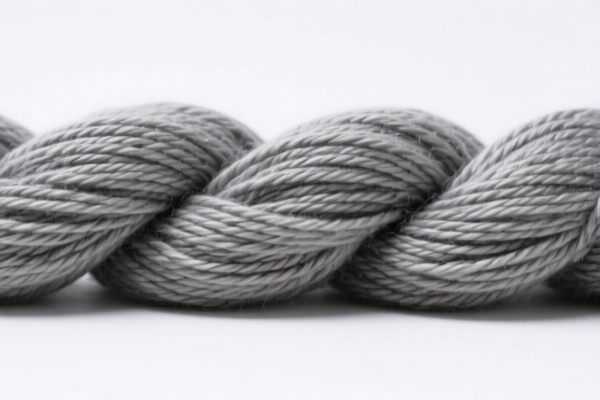
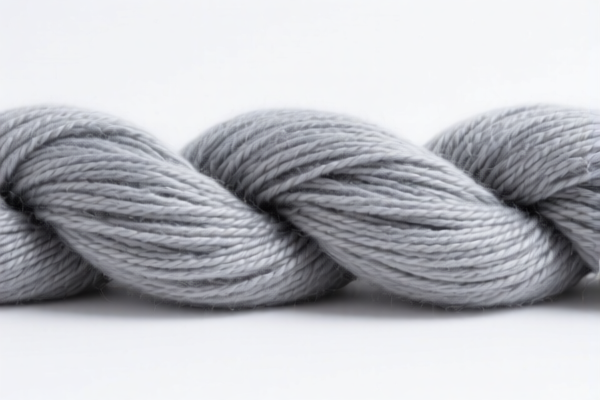
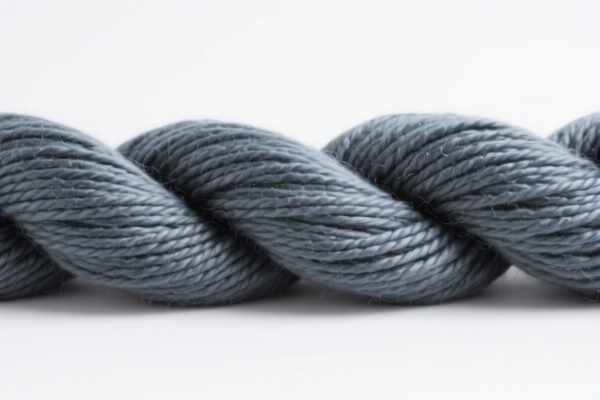
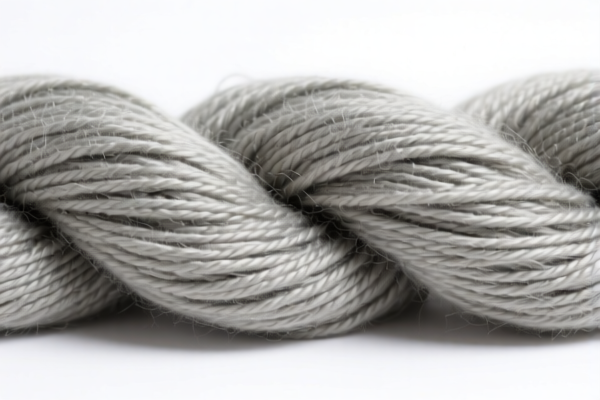
AI Analysis
🧵 Synthetic Staple Fiber Yarn: The Ultimate HS Code & Tariff Breakdown (2026 Edition)
🌐 HS Code Reference & Customs Clearance Guide | 2026 Latest Tariff Analysis | Professional Strategy
📌 One Product, Four Classifications: Why Does It Matter?
"Synthetic Staple Fiber Yarn" is a broad term in international trade. It refers to yarns made from cut synthetic fibers (like polyester, nylon, or acrylic) rather than continuous filaments. However, not all synthetic staple yarns are created equal. The exact material composition (Polyester vs. Nylon vs. Artificial) and physical form (Spun vs. Sewing Thread) dictate the HS Code, which directly impacts your customs duties.
Below is the precise classification based on the 2026 US Tariff Schedule, tailored specifically for the provided data.
⚠️ Key Distinction Point:
- Polyester (PET) vs. Nylon/Polyamide vs. Artificial/Synthetic Blends: Each has a unique HS Code.
- Sewing Thread Exception: Standard spinning yarns are not sewing thread. If it’s specifically for sewing, the code changes (though our data focuses on standard spun yarns).
- Trade Wars Impact: All listed codes attract significant additional tariffs due to Section 301 and Section 122 measures.
📦 Part I: HS Code Classification Matrix (2026 Latest)
| HS Code | Material Composition | Summary & Application | Tax Detail Breakdown |
|---|---|---|---|
5511.10.00.60 |
Polyester (Synthetic Staple) | Matches polyester staple fiber yarn requirements. Explicitly excludes sewing thread. | Total: 42.5% • Base: 7.5% • Section 301: 25.0% • Sec. 122: 10% |
5509.11.00.00 |
Nylon / Polyamide (Synthetic Staple) | Specifically for nylon or other polyamide staple fiber yarns. | Total: 44.4% • Base: 9.4% • Section 301: 25.0% • Sec. 122: 10% |
5509.21.00.00 |
Synthetic Staple (General) | Fully compliant with synthetic staple fiber yarn material & form requirements. | Total: 44.7% • Base: 9.7% • Section 301: 25.0% • Sec. 122: 10% |
5508.20.00.00 |
Artificial / Synthetic Blend | Matches artificial staple fiber material. Related to spinning thread forms. | Total: 46.0% • Base: 11.0% • Section 301: 25.0% • Sec. 122: 10% |
🔍 Critical Note:
- No "Sewing Thread": The data for5511.10.00.60explicitly states it does not include sewing thread. Ensure your product is defined as "spun yarn" or "textile yarn," not "sewing thread." - Material Specificity: You must declare the exact polymer type (e.g., "100% Polyester Staple Yarn") to match the correct HS Code. Misclassification leads to penalties.
💰 Part II: 2026 Tariff Rate Deep Dive (US Market)
✅ Applicable Market: United States (US)
✅ Origin: China (CN) (Implied by the "Section 122" and high Section 301 rates)
✅ Effective Date: 2026 Tax Year
🎯 1. 5511.10.00.60 — Polyester Staple Fiber Yarn
| Item | Details |
|---|---|
| Base Duty | 7.5% (Standard MFN rate) |
| Section 301 Duty | +25.0% (Retaliatory tariff on Chinese goods) |
| Section 122 Duty | +10.0% (Specific legislative addition for this category) |
| Total Effective Rate | 42.5% |
| Calculation | CIF Value × 42.5% |
| De Minimis Exemption | ❌ NO (Section 301 and 122 duties apply to all shipments, regardless of value) |
| Legal Basis | HTSUS 5511.10.00.60 + USITC Footnotes + IEEPA Sections |
📌 Explanation:
- Polyester is the most common synthetic fiber. The base rate is lower (7.5%) than nylon, but the total remains high due to trade measures. - Section 122 is a specific tariff line often applied to certain textile/fiber categories under specific trade acts.
🎯 2. 5509.11.00.00 — Nylon/Polyamide Staple Fiber Yarn
| Item | Details |
|---|---|
| Base Duty | 9.4% |
| Section 301 Duty | +25.0% |
| Section 122 Duty | +10.0% |
| Total Effective Rate | 44.4% |
| Calculation | CIF Value × 44.4% |
| De Minimis Exemption | ❌ NO |
| Legal Basis | HTSUS 5509.11.00.00 + USITC Footnotes + IEEPA Sections |
📌 Explanation:
- Nylon (Polyamide) has a higher base duty (9.4%) compared to polyester. - Commonly used for hosiery, upholstery, and technical textiles.
🎯 3. 5509.21.00.00 — General Synthetic Staple Fiber Yarn
| Item | Details |
|---|---|
| Base Duty | 9.7% |
| Section 301 Duty | +25.0% |
| Section 122 Duty | +10.0% |
| Total Effective Rate | 44.7% |
| Calculation | CIF Value × 44.7% |
| De Minimis Exemption | ❌ NO |
| Legal Basis | HTSUS 5509.21.00.00 + USITC Footnotes + IEEPA Sections |
📌 Explanation:
- This code captures synthetic staple fibers that fit the general definition but may not fall specifically into the Nylon (5509.11) or other specific subheadings. - Highest base rate among the synthetic options.
🎯 4. 5508.20.00.00 — Artificial/Accompaniment Staple Yarn
| Item | Details |
|---|---|
| Base Duty | 11.0% |
| Section 301 Duty | +25.0% |
| Section 122 Duty | +10.0% |
| Total Effective Rate | 46.0% |
| Calculation | CIF Value × 46.0% |
| De Minimis Exemption | ❌ NO |
| Legal Basis | HTSUS 5508.20.00.00 + USITC Footnotes + IEEPA Sections |
📌 Explanation:
- This code often applies to yarns that are "accompanying" or mixed with artificial fibers, or specific staple forms that don't fit the main synthetic categories. - Highest Total Tariff (46.0%): Requires strict material verification.
🛠️ Part III: Customs Clearance Practical Advice
✅ 1. Documentation Checklist (Must-Haves)
| Document | Required? | Why It Matters |
|---|---|---|
| ✅ Product Specification Sheet | ✔️ | Must explicitly state: "Synthetic Staple Fiber Yarn," fiber content (e.g., 100% Polyester), and confirm it is NOT sewing thread. |
| ✅ Commercial Invoice | ✔️ | Clearly describe the product using the exact summary from the HS Code data above. |
| ✅ Bill of Lading | ✔️ | Ensure weight and quantity match the invoice exactly. |
| ✅ Certificate of Origin | ✔️ | Proves Chinese origin (if applicable), triggering the Section 301/122 duties. |
| ✅ Photos of Product | ✔️ | Show the yarn spools/bobbins. Must look like spun yarn, not continuous filament or finished sewing thread. |
✅ 2. Declaration Strategy (Key Tips)
🔥 "Be Specific, Be Accurate, Avoid Ambiguity!"
| Scenario | Correct Declaration | Incorrect Declaration |
|---|---|---|
| Product Type | "100% Polyester Staple Fiber Yarn, Spun" | "Yarn" or "Textile Material" (Too vague) |
| Form | "Spun Yarn on Bobbins" | "Sewing Thread" (Wrong code, different tariff) |
| Material | "Polyester Staple" | "Synthetic Fiber" (Could be misclassified as Nylon/Accompaniment) |
✅ 3. Special Considerations
| Issue | Advice |
|---|---|
| Sewing Thread Confusion | If your product is used for sewing, do NOT use 5511.10.00.60. You must identify if it’s a different HS code for sewing thread, which may have different duty rates. The data explicitly excludes sewing thread from this code. |
| Hybrid Shippers | If you mix different fiber types in one shipment, each type must be declared separately with its own HS Code. Do not average the duties. |
| Section 122 Compliance | Since all codes include a 10% Section 122 tariff, ensure your importer of record is aware of this specific levy. It is not optional. |
| De Minimis (Section 321) | ❌ Do NOT rely on De Minimis ($800 exemption). Section 301 and Section 122 tariffs block the de minimis exemption for these goods. Even small samples are subject to full duty. |
🌍 Part IV: Global Market Comparison (2026)
| Market | HS Code | Base Rate | Additional Duties (China Origin) | Total Est. Rate | Notes |
|---|---|---|---|---|---|
| 🇺🇸 USA | 5511.10.00.60 (Poly) |
7.5% | +35% (301 + 122) | 42.5% | Highest cost due to trade war. |
| 🇪🇺 EU | Varies by Fiber | ~6-9% | 0% | ~6-9% | No Section 301 tariffs. Standard MFN applies. |
| 🇨🇳 China | Varies | ~5-8% | 0% | ~5-8% | For imports into China. |
| 🇬🇧 UK | Varies | ~6-9% | 0% | ~6-9% | Post-Brexit tariff rates similar to EU pre-Brexit. |
📌 Conclusion:
- The US market is exceptionally costly for synthetic staple yarns due to layered tariffs (Base + 301 + 122). - Consider supply chain diversification (e.g., sourcing from Vietnam, India, or Bangladesh) to avoid Section 301/122 duties if shipping to the US.
📌 Part V: Common Pitfalls & Avoidance
❌ Pitfall 1: Calling "Staple Yarn" simply "Yarn"
👉 Risk: Customs may classify it under the most restrictive code (e.g., 5508.20.00.00 at 46%).
✅ Fix: Always specify the fiber type (Polyester/Nylon) and form (Staple/Spun).
❌ Pitfall 2: Confusing Staple Yarn with Sewing Thread
👉 Risk: Misclassification. 5511.10.00.60 explicitly excludes sewing thread.
✅ Fix: If it’s for sewing machines, investigate the specific "Sewing Thread" HS codes, which may differ.
❌ Pitfall 3: Assuming De Minimis Applies
👉 Risk: Smaller shipments ($500) will still be hit with 42.5% duty if not declared correctly or if prohibited.
✅ Fix: Prepare for full duty payment on all shipments to the US, regardless of value.
🎯 Part VI: Final Recommendations
- Pre-Ruling: If unsure about the specific fiber content or form, request an Advance Ruling from US Customs and Border Protection (CBP).
- Supplier Communication: Ensure your supplier provides a Fiber Content Declaration that matches the HS Code definition exactly.
- Cost Calculation: Always budget for 42.5% – 46.0% duty for US imports. This significantly impacts profit margins.
- Labeling: Clearly label products as "Synthetic Staple Fiber Yarn" and avoid ambiguous terms like "Thread" unless intended.
📢 Action Plan:
📞 Verify Fiber Content: Polyester? Nylon? Artificial?
📄 Select Correct HS Code: Match the 4 codes in this guide.
💸 Calculate Landed Cost: Include the full 42.5%+ tariff in your pricing.
🚀 Clear Customs Smoothly: With accurate docs and correct HS Codes!
✨ Precision in Classification Saves Thousands!
💼 Don't let tariff surprises eat your profits. Know your HS Code!
Customer Reviews
About HS Code Classification
The Harmonized System (HS) is an internationally standardized nomenclature developed by the World Customs Organization (WCO) to classify traded products. Over 200 countries use the HS system as the basis for customs tariffs, trade statistics, and import/export regulations.
Each HS code follows a hierarchical structure:
- Chapter (2 digits) — Broad category of goods (e.g., Chapter 84: Machinery and Mechanical Appliances)
- Heading (4 digits) — More specific grouping within the chapter
- Subheading (6 digits) — Internationally standardized breakdown, used by all WCO member countries
- National subdivisions (8-10 digits) — Country-specific extensions for further classification, such as US HTSUS 10-digit codes
Correct HS code classification is essential for smooth customs clearance, accurate duty payment, and compliance with trade regulations. Misclassification can lead to customs delays, overpayment of duties, or penalties.
When importing from CN to US, the applicable tariff rates may include:
- Most-Favored-Nation (MFN) rate — The standard duty rate applied to WTO members
- General rate — Applied to countries without trade agreements
- Trade remedy duties — Additional tariffs such as Section 301 (anti-dumping), Section 232 (national security), or countervailing duties
The information provided on this page is for reference purposes only. For official classification, please consult with your local customs authority or a licensed customs broker.