Synthetic Staple Fibers
CN → US| HS Code | Tariff Rate | Origin | Destination | Doc |
|---|---|---|---|---|
| 5511100060 | 42.5% | CN | US | Official Doc |
| 5508200000 | 46.0% | CN | US | Official Doc |
| 5509110000 | 44.4% | CN | US | Official Doc |
| 5509210000 | 44.7% | CN | US | Official Doc |
Product Images
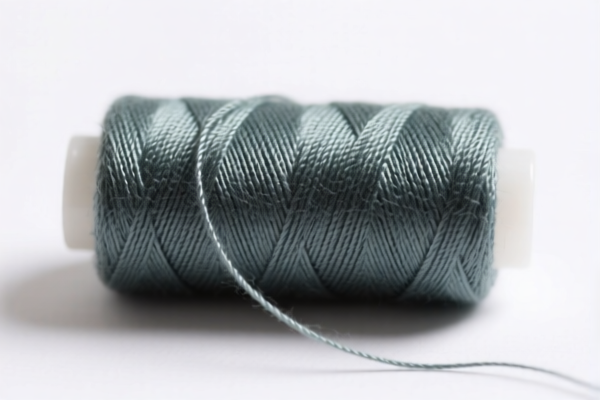
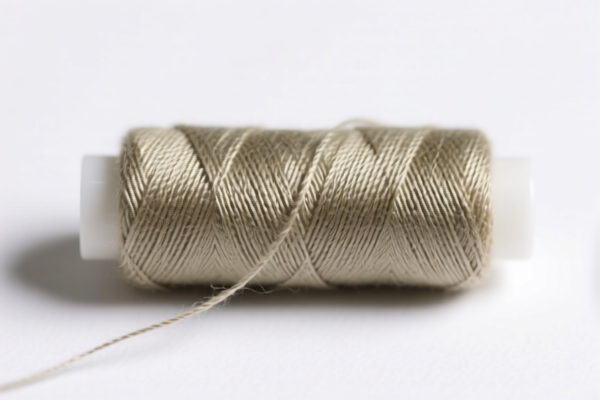
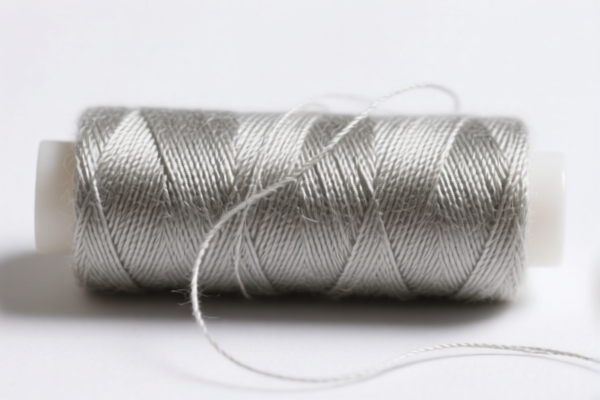
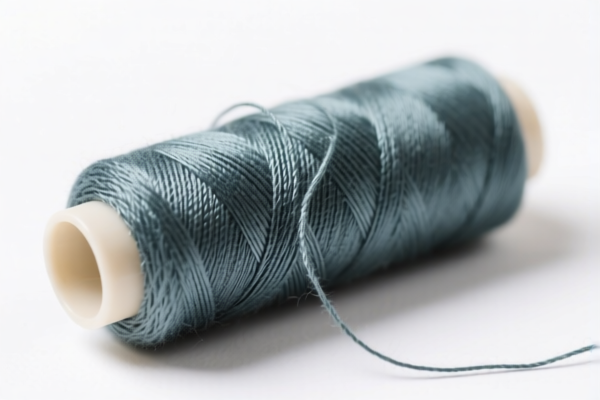
AI Analysis
🧵 Synthetic Staple Fibers (Synthetic Short-Fiber Yarns)
🌐 HS Code Reference & Customs Clearance Guide | 2026 Latest Tariff Analysis | Professional Entry Strategy
📌 I. Product Definition & Classification: What Exactly Are "Synthetic Staple Fibers"?
In international trade, Synthetic Staple Fibers refer to short-length fibers made from synthetic polymers (such as polyester, nylon/polyamide, acrylic, etc.), typically spun into yarns for weaving or knitting. Unlike continuous filaments, these fibers are cut into specific lengths (staples) and then twisted together.
The classification depends heavily on: 1. The Chemical Composition (e.g., Polyester vs. Nylon/Polyamide). 2. The Manufacturing Process/State (e.g., single yarn, mixed yarn, sewing thread form).
⚠️ Key Distinction Point:
- If the yarn is made from Polyester (most common), it often falls under 5509.
- If the yarn is made from Nylon/Polyamide, it falls under 5509.11.
- If the yarn is specifically in the form of Sewing Thread, it may fall under 5508.
- If the yarn is a generic blend or other synthetic short fibers, it may fall under 5511.
📦 II. HS Code Classification Details (2026 Latest Tariff Authority Comparison)
| HS Code | Product Description | Application Scenario | Tax Rate Breakdown (China Origin → US) |
|---|---|---|---|
5511.10.00.60 |
Other synthetic short-fiber yarns, matching synthetic filament material requirements | Generic synthetic blends, non-specific short fibers, miscellaneous synthetic yarns | Total: 42.5% |
5508.20.00.00 |
Synthetic short-fiber yarns, matched with artificial short fibers, related to sewing thread form | Sewing threads made from synthetic staples, specialized thread forms | Total: 46.0% |
5509.11.00.00 |
Synthetic short-fiber yarns, matched with nylon or other polyamide/synthetic fiber short fiber yarns | Yarns made primarily from Nylon (Polyamide) staples | Total: 44.4% |
5509.21.00.00 |
Synthetic short-fiber yarns, fully meeting material and form requirements for synthetic fiber short fiber yarns | Standard Polyester staple fiber yarns (most common) | Total: 44.7% |
🔍 Critical Reminder:
- Nylon/Polyamide yarns are classified under 5509.11, not the general polyester code.
- Sewing Thread made from short fibers has a unique classification (5508.20) and a higher tax rate.
- All codes listed above include China-origin goods subject to additional tariffs.
💰 III. 2026 Latest Tariff Rate Details (Including Surcharge & Policy Add-ons)
✅ Applicable Country: United States (US)
✅ Origin: China (CN)
✅ Effective Date: Current tariffs apply (Section 301 & IEEPA measures)
🎯 1. 5511.10.00.60 —— Other Synthetic Short-Fiber Yarns (General/Bland)
| Item | Content |
|---|---|
| Base Tariff | 7.5% |
| Section 301 Surcharge | +25.0% |
| IEEPA Surcharge (122 Clause) | +10.0% |
| Total Tax Rate | 42.5% |
| Tax Calculation | CIF Value × 42.5% |
| De Minimis Exemption | ❌ Not Eligible (Due to Section 301 & IEEPA) |
| Legal Basis Path | Base: 5511.10.00.60 → Section 301: 25% → IEEPA: 10% |
📌 Explanation:
- This code is for general synthetic short fibers that don’t fit neatly into polyester or nylon specifics, or are mixed blends.
- The 42.5% total rate makes it expensive; ensure your product truly fits this "other" category and not a more specific one like polyester.
🎯 2. 5508.20.00.00 —— Synthetic Short-Fiber Yarns (Sewing Thread Form)
| Item | Content |
|---|---|
| Base Tariff | 11.0% |
| Section 301 Surcharge | +25.0% |
| IEEPA Surcharge (122 Clause) | +10.0% |
| Total Tax Rate | 46.0% |
| Tax Calculation | CIF Value × 46.0% |
| De Minimis Exemption | ❌ Not Eligible |
| Legal Basis Path | Base: 5508.20.00.00 → Section 301: 25% → IEEPA: 10% |
📌 Warning:
- This is the highest tax rate among the listed codes.
- Only use this code if your product is explicitly sewing thread made from synthetic short fibers. Misclassifying general yarn as sewing thread to avoid higher base rates is risky and often audited.
🎯 3. 5509.11.00.00 —— Nylon/Polyamide Staple Fiber Yarn
| Item | Content |
|---|---|
| Base Tariff | 9.4% |
| Section 301 Surcharge | +25.0% |
| IEEPA Surcharge (122 Clause) | +10.0% |
| Total Tax Rate | 44.4% |
| Tax Calculation | CIF Value × 44.4% |
| De Minimis Exemption | ❌ Not Eligible |
| Legal Basis Path | Base: 5509.11.00.00 → Section 301: 25% → IEEPA: 10% |
📌 Key Point:
- If your product is made from Nylon (Polyamide) short fibers, you MUST use this code.
- Do not misclassify Nylon yarn as Polyester (5509.21) or Generic (5511). Customs requires accurate chemical composition.
🎯 4. 5509.21.00.00 —— Polyester Staple Fiber Yarn (Most Common)
| Item | Content |
|---|---|
| Base Tariff | 9.7% |
| Section 301 Surcharge | +25.0% |
| IEEPA Surcharge (122 Clause) | +10.0% |
| Total Tax Rate | 44.7% |
| Tax Calculation | CIF Value × 44.7% |
| De Minimis Exemption | ❌ Not Eligible |
| Legal Basis Path | Base: 5509.21.00.00 → Section 301: 25% → IEEPA: 10% |
📌 Key Point:
- This is the standard code for Polyester (PET) staple fiber yarns.
- Polyester is the most common synthetic fiber, so this code is widely used.
- Slightly higher base rate than Nylon, but lower than Sewing Thread.
🛠️ IV. Customs Clearance Practical Advice (Battle-Tested Pitfall Avoidance)
✅ 1. Required Documentation Checklist (Non-Negotiable)
| Document | Required | Explanation |
|---|---|---|
| ✅ Product Specification Sheet | ✔️ | Must specify fiber type (Polyester, Nylon, Acrylic, etc.), staple length, denier, twist direction. |
| ✅ Material Composition Certificate | ✔️ | Proof of synthetic origin (not cotton/wool). |
| ✅ Product Photos | ✔️ | Clear images of the yarn, labeling, and packaging. |
| ✅ Commercial Invoice | ✔️ | Must clearly state "Synthetic Staple Fiber Yarn" and correct HS Code. |
| ✅ Packing List | ✔️ | Net/Gross weight, number of spools/bobbins. |
| ✅ Origin Certificate (CO) | ✔️ | Essential for determining applicability of IEEPA/Section 301. |
✅ 2. Declaration Tips (Key Mantra)
🔥 “Fiber Type First, Form Second, Code Exact, Tax Clear!”
| Scenario | Correct Declaration | Wrong Practice |
|---|---|---|
| Nylon Yarn | 5509.11.00.00 |
Misclassifying as Polyester (5509.21) → Audit risk |
| Polyester Yarn | 5509.21.00.00 |
Misclassifying as "Other" (5511) → May trigger lower rate but incorrect if specific |
| Sewing Thread | 5508.20.00.00 |
Misclassifying as general yarn → Underpayment of duties |
| Mixed Blends | 5511.10.00.60 (if no primary fiber) |
Forcing a specific fiber code → Inaccurate classification |
✅ 3. Special Circumstances Handling
| Situation | Handling Advice |
|---|---|
| OEM Custom Yarn | Provide customer specs + material data sheet. Ensure fiber content matches HS code exactly. |
| Yarn Used for Knitting | Still classified as yarn (55xx), not as finished knitted fabric (60xx). |
| Yarn Used for Weaving | Still classified as yarn (55xx), not as woven fabric (52xx/54xx). |
| Blended Fibers | If >50% Polyester → 5509.21. If >50% Nylon → 5509.11. If mixed evenly → Check "Other" or primary use. |
🌍 V. Global Market Customs Comparison (2026 Latest)
| Country/Region | Recommended HS Code | Tariff (China Origin) | Certification Requirements | Notes |
|---|---|---|---|---|
| 🇺🇸 USA | 5509.21.00.00 (Polyester) |
44.7% (Total) | No specific cert for yarn, but label laws apply | High tariff due to Section 301 + IEEPA |
| 🇨🇳 China | 5509.21.00.00 |
9.7% (Base) | N/A (Export side) | No additional surcharges for export |
| 🇪🇺 EU | 5509.21.00 |
0-12% (Varies) | REACH Compliance | No Section 301; lower tariffs |
| 🇬🇧 UK | 5509.21.00 |
0-12% (Varies) | UKCA/REACH | Post-Brexit trade terms apply |
| 🇦🇺 Australia | 5509.21.00 |
5% | N/A | Generally low tariffs |
📌 Conclusion:
- USA is the most expensive market for synthetic staple fibers due to 44.4%-46% total tariffs.
- EU/UK/Australia are more cost-effective for tariffs, but require chemical compliance (REACH).
- Supply Chain Strategy: Consider sourcing from Vietnam, Bangladesh, or India to avoid China-specific surcharges (check FTA rules).
📌 VI. Common Mistakes & Pitfall Guide (Lessons Learned)
❌ Mistake 1: Misidentifying Nylon as Polyester
👉 Consequence: Wrong HS code → Potential penalty + incorrect duty payment.
❌ Mistake 2: Declaring Sewing Thread as General Yarn
👉 Consequence: Underpayment of duties → Back taxes + interest + fines.
❌ Mistake 3: Ignoring Staple Length for Classification
👉 Consequence: Some codes distinguish by length; incorrect declaration may lead to customs holds.
❌ Mistake 4: Using "Textile Yarn" as a Generic Description
👉 Consequence: Customs may reject vague descriptions → Delays + Demurrage Charges.
✅ Correct Practice:
"100% Polyester Staple Fiber Yarn, 30 Denier, 50mm Length, Spooled, Model XYZ"
OR
"Nylon (Polyamide) Staple Fiber Yarn, Knitting Grade, 40s"
🎯 VII. Conclusion: Professional Declaration Saves Money!
🎯 Remember the Mantra:
🔹 "Nylon is 5509.11, Polyester is 5509.21, Sewing Thread is 5508.20, Other is 5511.10."
🔹 "Base Tax + 25% Section 301 + 10% IEEPA = Total Duty. Know Your Fiber, Know Your Tax."
📌 Pro Tip:
If your synthetic staple fibers are originating from Vietnam, Bangladesh, India, or Turkey, check for FTA (Free Trade Agreement) benefits. You may qualify for 0% or reduced tariffs, bypassing the heavy US surcharges.
Recommendation: Apply for Advance Ruling (PBH) before shipment if unsure about fiber composition or end-use.
📣 Immediate Action:
📞 Contact a licensed customs broker + Provide Material Safety Data Sheet (MSDS) + Verify HS Code Pre-Ruling
🚀 Ensure your synthetic staple fibers clear customs smoothly, avoid delays, and protect your profit margins!
✨ Professional Classification Starts with Precision!
💼 Every percentage point of tax saved is pure profit!
Customer Reviews
About HS Code Classification
The Harmonized System (HS) is an internationally standardized nomenclature developed by the World Customs Organization (WCO) to classify traded products. Over 200 countries use the HS system as the basis for customs tariffs, trade statistics, and import/export regulations.
Each HS code follows a hierarchical structure:
- Chapter (2 digits) — Broad category of goods (e.g., Chapter 84: Machinery and Mechanical Appliances)
- Heading (4 digits) — More specific grouping within the chapter
- Subheading (6 digits) — Internationally standardized breakdown, used by all WCO member countries
- National subdivisions (8-10 digits) — Country-specific extensions for further classification, such as US HTSUS 10-digit codes
Correct HS code classification is essential for smooth customs clearance, accurate duty payment, and compliance with trade regulations. Misclassification can lead to customs delays, overpayment of duties, or penalties.
When importing from CN to US, the applicable tariff rates may include:
- Most-Favored-Nation (MFN) rate — The standard duty rate applied to WTO members
- General rate — Applied to countries without trade agreements
- Trade remedy duties — Additional tariffs such as Section 301 (anti-dumping), Section 232 (national security), or countervailing duties
The information provided on this page is for reference purposes only. For official classification, please consult with your local customs authority or a licensed customs broker.