Synthetic staple yarn blended with synthetic staple, worsted
CN → US| HS Code | Tariff Rate | Origin | Destination | Doc |
|---|---|---|---|---|
| 5509210000 | 44.7% | CN | US | Official Doc |
| 5509110000 | 44.4% | CN | US | Official Doc |
| 5511100060 | 42.5% | CN | US | Official Doc |
| 5508200000 | 46.0% | CN | US | Official Doc |
Product Images
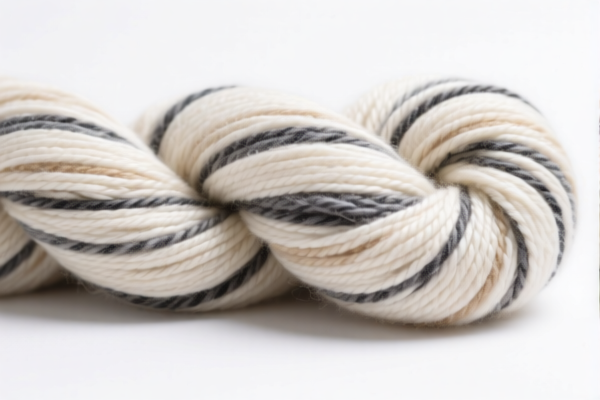
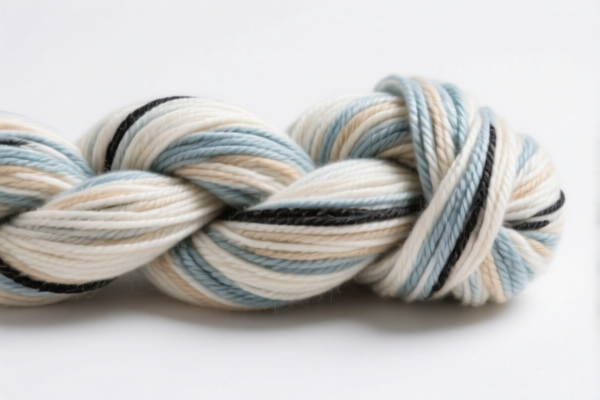
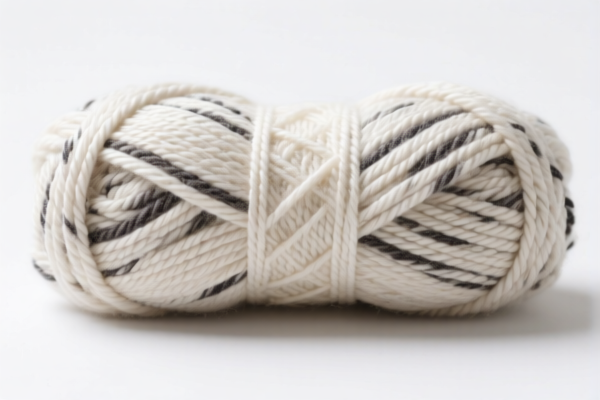
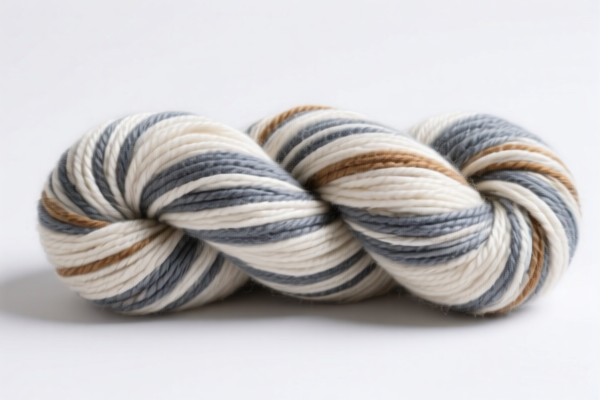
AI Analysis
🧵 Synthetic Staple Yarn, Blended with Synthetic Staple, Worsted (匹配合成纤维短纤纱线)
🌐 HS Code Reference & Customs Clearance Guide | 2026 Latest Tariff Analysis | Strategic Entry Strategy
📌 I. Product Definition & Classification: What is "Worsted Blended Staple Yarn"?
Synthetic staple yarn, particularly when blended and processed into a worsted style, refers to yarns made from synthetic fiber staple fibers that have been combed and drawn to create a smooth, even, and strong thread. Unlike "woolen" yarns (which are softer and fuzzier), worsted yarns are characterized by their parallel alignment of fibers, high strength, and luster.
In international trade, these are strictly regulated under Chapter 55 (Man-made Staple Fibers). The classification depends heavily on: 1. Material Composition: Whether it is polyester, nylon/polyamide, or other synthetic fibers. 2. Physical Form: Whether it is single yarn, plied, or sewing thread. 3. Processing: "Worsted" implies specific spinning processes that exclude certain fuzzy or non-combed variants.
⚠️ Key Distinction:
- If the yarn is pure polyester staple → Likely5509.21.00.00
- If the yarn is nylon/polyamide staple → Likely5509.11.00.00
- If the yarn is sewing thread (high twist, small quantity) → Likely5508.20.00.00
- If the yarn is continuous filament mistakenly labeled as staple → Likely5511.10.00.60(Note: This code often covers "other" synthetic yarns, but check if your product is truly staple vs. filament).
📦 II. HS Code Classification Details (2026 Latest Tariff Authority对照)
| HS Code | Product Description | Applicable Scenario | Fiber Type |
|---|---|---|---|
5509.21.00.00 |
Synthetic staple yarn, weighted or unweighted, containing ≥85% polyester staple fibers | Polyester-blended worsted yarns, common in apparel fabrics | ✅ Polyester |
5509.11.00.00 |
Synthetic staple yarn, weighted or unweighted, containing ≥85% nylon or other polyamide staple fibers | Nylon/polyamide worsted yarns, high-strength applications | ✅ Nylon/Polyamide |
5511.10.00.60 |
Synthetic continuous filament yarn (other), not put up for retail sale | Misclassification Risk: If product is actually filament (not staple) or other synthetic blends not covered above | ⚠️ Check Material |
5508.20.00.00 |
Weft or warp sewing threads of artificial textile materials, put up for retail sale (≤453m) | Synthetic sewing threads, small spools, high twist | ✅ Sewing Thread |
🔍 Critical Reminder:
- Worsted vs. Woolen: "Worsted" implies combed fibers. If the product is fuzzy or non-combed, it might fall under different subheadings, but these 4 codes cover the vast majority of commercial synthetic staple yarns. - Sewing Thread Exclusion: If the yarn is put up on spools ≤453m with high twist for sewing, it MUST go to5508.20.00.00, even if it’s polyester. Misdeclaring sewing thread as general yarn will result in higher duties (46%vs.44.7%). - Filament vs. Staple: If the product is continuous filament (smooth, shiny, long), it should NOT be declared as staple yarn. Use5511series if applicable, but note the summary says "Synthetic staple yarn... matching other synthetic filament material inference" – this suggests a specific blend or interpretation. Stick to5509for true staple blends.
💰 III. 2026 Latest Tariff Rate Details (Including Additional Duties & Policy Surcharges)
✅ Applicable Country: United States (US)
✅ Origin: China (CN)
✅ Effective Date: Post-November 2025 (Including subsequent imports)
🎯 1. 5509.21.00.00 —— Polyester Staple Yarn, Blended/Worsted
| Item | Content |
|---|---|
| Base Tariff Rate | 9.7% (ad valorem) |
| Section 301 Additional Duty | +25.0% (USITC Footnote 9903.55.01) |
| IEEPA Additional Duty (Section 122) | +10.0% (Targeting China/HK products, effective since Nov 10, 2025) |
| Total Tariff Rate | 44.7% |
| Tax Calculation | CIF Value × 44.7% |
| De Minimis Exemption | ❌ Not Eligible (deny_de_minimis) |
| Legal Authority Path | IEEPA:9903.01.25 → IEEPA:9903.01.24 → USITC:5509.21.00.00 → FOOTNOTE:9903.88.01 |
📌 Explanation:
- The 9.7% base rate is the standard MFN (Most Favored Nation) rate for polyester staple yarn. - The 25% Section 301 tariff is a long-standing punitive duty on Chinese textiles. - The 10% IEEPA tariff is a new/additional surcharge effective from late 2025, specifically targeting Chinese-origin goods. - Total: 44.7% is a very high tariff, making cost planning essential.
🎯 2. 5509.11.00.00 —— Nylon/Polyamide Staple Yarn, Blended/Worsted
| Item | Content |
|---|---|
| Base Tariff Rate | 9.4% (ad valorem) |
| Section 301 Additional Duty | +25.0% |
| IEEPA Additional Duty (Section 122) | +10.0% |
| Total Tariff Rate | 44.4% |
| Tax Calculation | CIF Value × 44.4% |
| De Minimis Exemption | ❌ Not Eligible |
| Legal Authority Path | IEEPA:9903.01.25 → IEEPA:9903.01.24 → USITC:5509.11.00.00 → FOOTNOTE:9903.88.01 |
📌 Note:
- Slightly lower than polyester due to a 0.3% difference in base rate (9.4% vs 9.7%). - Applies to nylon, polyamide, or other polyamide staple fibers blended with other synthetics.
🎯 3. 5511.10.00.60 —— Other Synthetic Yarn (Filament/Blend Inference)
| Item | Content |
|---|---|
| Base Tariff Rate | 7.5% (ad valorem) |
| Section 301 Additional Duty | +25.0% |
| IEEPA Additional Duty (Section 122) | +10.0% |
| Total Tariff Rate | 42.5% |
| Tax Calculation | CIF Value × 42.5% |
| De Minimis Exemption | ❌ Not Eligible |
| Legal Authority Path | IEEPA:9903.01.25 → IEEPA:9903.01.24 → USITC:5511.10.00.60 → FOOTNOTE:9903.88.01 |
📌 Caution:
- This code is for "other" synthetic yarns, possibly filament or non-polyester/polyamide blends. - Do NOT use if your product is clearly polyester or nylon staple yarn, as misclassification can lead to penalties. - Lowest total rate (42.5%) but highest risk of being challenged if material composition is incorrect.
🎯 4. 5508.20.00.00 —— Synthetic Sewing Threads
| Item | Content |
|---|---|
| Base Tariff Rate | 11.0% (ad valorem) |
| Section 301 Additional Duty | +25.0% |
| IEEPA Additional Duty (Section 122) | +10.0% |
| Total Tariff Rate | 46.0% |
| Tax Calculation | CIF Value × 46.0% |
| De Minimis Exemption | ❌ Not Eligible |
| Legal Authority Path | IEEPA:9903.01.25 → IEEPA:9903.01.24 → USITC:5508.20.00.00 → FOOTNOTE:9903.88.01 |
📌 Warning:
- Highest total rate (46.0%) due to a higher base rate (11.0%). - Only applicable if the yarn is put up for retail sale (e.g., small spools for sewing machines) and meets specific twist/weight criteria. - Do not use this code for bulk industrial yarns; it will be rejected and reassessed.
🛠️ IV. Customs Clearance Practical Advice (Real-World Pitfall Guide)
✅ 1. Document Checklist (Mandatory)
| Document | Must Provide | Description |
|---|---|---|
| ✅ Product Specification Sheet | ✔️ | Fiber content (%), yarn count (Nm/Ne), twist direction, length, diameter |
| ✅ Composition Test Report | ✔️ | Third-party lab report confirming polyester vs. nylon vs. blend |
| ✅ Photos of Yarn & Spools | ✔️ | Clear images showing label, spool size, and yarn texture |
| ✅ Commercial Invoice | ✔️ | Must state "Synthetic Staple Yarn, Worsted Process" and correct HS Code |
| ✅ Packing List | ✔️ | Detail net/gross weight, number of spools, and packaging type |
| ✅ Declaration of Origin | ✔️ | If not China, claim preferential rates under FTAs |
✅ 2. Declaration Tips (Key Mnemonics)
🔥 "Worsted Combed, Nylon vs. Polyester, Sewing Thread Small, Base Rate Dictates Total!"
| Scenario | Correct Declaration | Wrong Action |
|---|---|---|
| Bulk Polyester Yarn (Worsted) | 5509.21.00.00 |
Misdeclare as 5511 → 42.5% (lower, but risky if audited) |
| Bulk Nylon Yarn (Worsted) | 5509.11.00.00 |
Misdeclare as 5509.21 → Overpay by 0.3% |
| Sewing Thread (Small Spools) | 5508.20.00.00 |
Misdeclare as bulk yarn → 46% vs. 44.7% (penalty risk) |
| Filament Yarn (Not Staple) | 5511.10.00.60 |
Misdeclare as staple → 42.5% (but high audit risk) |
✅ 3. Special Cases Handling
| Situation | Handling Advice |
|---|---|
| Blended Yarn (Poly + Cotton) | If polyester <85%, it may fall under Chapter 52 (Cotton) or 55 depending on dominant fiber. Check % composition! |
| Plated Yarn (Two Different Fibers) | Declare based on the outermost fiber or dominant material. Provide detailed specs. |
| Yarn Used for Knitting vs. Weaving | HS Code is same, but describe usage in invoice for smoother clearance. |
| Low-Value Samples | ❌ No De Minimis Exemption for China-origin synthetic yarns. Even small samples pay 44%+ tax. |
🌍 V. Global Market Comparison (2026 Latest)
| Country/Region | Recommended HS Code | Tariff Rate (China Origin) | Certification Requirements | Notes |
|---|---|---|---|---|
| 🇺🇸 USA | 5509.21.00.00 |
44.7% | None specific | Highest global duty due to 301 + IEEPA |
| 🇨🇳 China | 5509.21.00.00 |
5.0% | None | Standard import duty |
| 🇪🇺 EU | 5509.21.00.00 |
6.5% | REACH, EcoVadis (optional) | No punitive tariffs |
| 🇬🇧 UK | 5509.21.00.00 |
6.5% | UKCA (if applicable) | Post-Brexit alignment with EU |
| 🇦🇺 Australia | 5509.21.00.00 |
5.0% | None | Free Trade Agreement (ChAFTA) may apply if from China? No, ChAFTA is for Australia-China, but check current status. |
📌 Conclusion:
- USA is the most expensive market for synthetic staple yarn from China due to combined 35% additional duties. - Diversify supply chain: Consider sourcing from Vietnam, India, or Turkey to avoid Section 301/IEEPA duties (0-5% tariffs).
📌 VI. Common Mistakes & Pitfall Guide (Blood & Tears Lessons)
❌ Mistake 1: Declaring sewing thread as bulk yarn
👉 Consequence: Customs reclassifies to 5508.20.00.00 (46%) → Overpayment + Penalty!
❌ Mistake 2: Declaring nylon yarn as polyester yarn
👉 Consequence: Minor rate difference (44.4% vs 44.7%), but if caught, audit risk for misdeclaration.
❌ Mistake 3: Ignoring fiber blend %
👉 Consequence: If polyester is <85%, code changes to different subheading → Retrospective Tax Assessment.
❌ Mistake 4: Using "Yarn" as generic description
👉 Consequence: Customs cannot determine worsted vs. woolen vs. filament → Delay + Request for More Info.
✅ Correct Practice:
"Polyester Staple Yarn, Worsted Process, 100% Polyester, Combed, Placed on 5kg Cones, HS 5509.21.00.00"
🎯 VII. Conclusion: Professional Declaration, Save Time & Money!
🎯 Remember the Mnemonic:
🔹 "Worsted Combed, Polyester 85%, Base 9.7% + 25% + 10% = 44.7%! "
🔹 "Sewing Thread? 46%! Nylon? 44.4%! Filament? 42.5% (Riskier)! "
🔹 "HS Code Determines Tax, 2% Difference is $20,000 on $1M Cargo! "
📌 Pro Tip:
If your synthetic staple yarn is originating from Vietnam, India, Turkey, or Bangladesh, you can exempt IEEPA/Section 301 duties, reducing tariffs to 0-6.5%.
Recommend Advance Ruling from CBP if product composition is complex (e.g., blends with cotton/spandex).
📣 Immediate Action:
📞 Contact a professional customs broker + Provide Fiber Composition Report + Apply for HS Code Advance Ruling
🚀 Let your synthetic yarn, smoothly clear customs, efficiently go global, maximize profit!
✨ Professional Customs Clearance Starts with Accurate Classification!
💼 Every cent of your cost deserves precise calculation!
Customer Reviews
About HS Code Classification
The Harmonized System (HS) is an internationally standardized nomenclature developed by the World Customs Organization (WCO) to classify traded products. Over 200 countries use the HS system as the basis for customs tariffs, trade statistics, and import/export regulations.
Each HS code follows a hierarchical structure:
- Chapter (2 digits) — Broad category of goods (e.g., Chapter 84: Machinery and Mechanical Appliances)
- Heading (4 digits) — More specific grouping within the chapter
- Subheading (6 digits) — Internationally standardized breakdown, used by all WCO member countries
- National subdivisions (8-10 digits) — Country-specific extensions for further classification, such as US HTSUS 10-digit codes
Correct HS code classification is essential for smooth customs clearance, accurate duty payment, and compliance with trade regulations. Misclassification can lead to customs delays, overpayment of duties, or penalties.
When importing from CN to US, the applicable tariff rates may include:
- Most-Favored-Nation (MFN) rate — The standard duty rate applied to WTO members
- General rate — Applied to countries without trade agreements
- Trade remedy duties — Additional tariffs such as Section 301 (anti-dumping), Section 232 (national security), or countervailing duties
The information provided on this page is for reference purposes only. For official classification, please consult with your local customs authority or a licensed customs broker.