Syringe Bulb Non Subcutaneous Injection
CN → US| HS Code | Tariff Rate | Origin | Destination | Doc |
|---|---|---|---|---|
| 3926902100 | 21.7% | CN | US | Official Doc |
| 3926904510 | 38.5% | CN | US | Official Doc |
| 9018310080 | 110.0% | CN | US | Official Doc |
| 9018310090 | 110.0% | CN | US | Official Doc |
Product Images
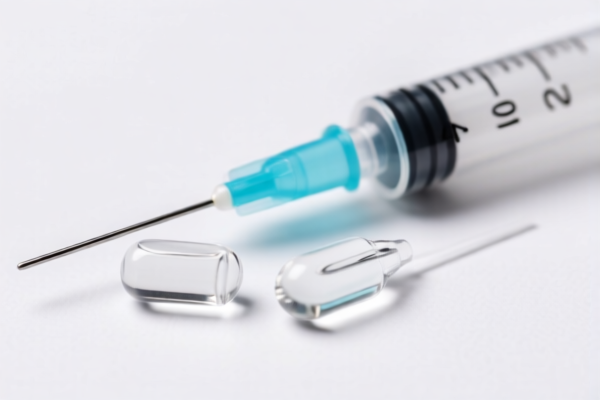
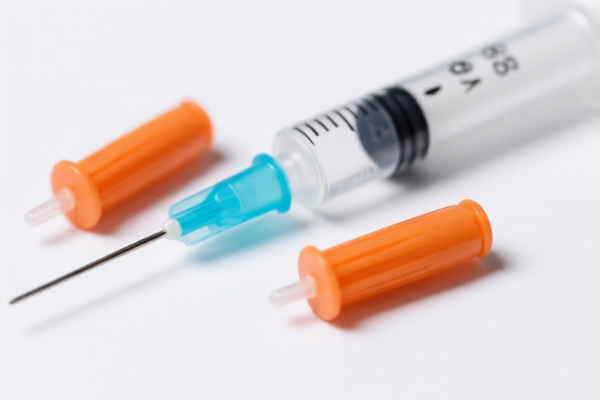
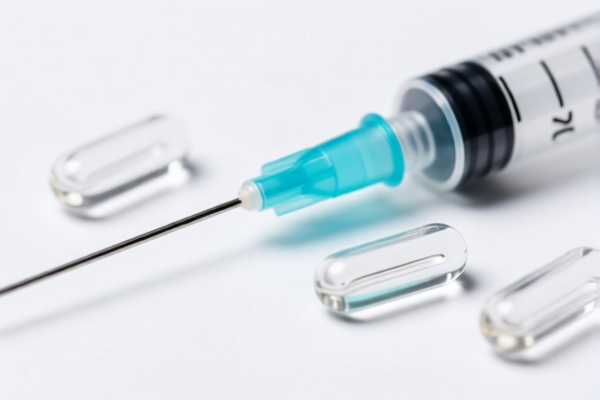
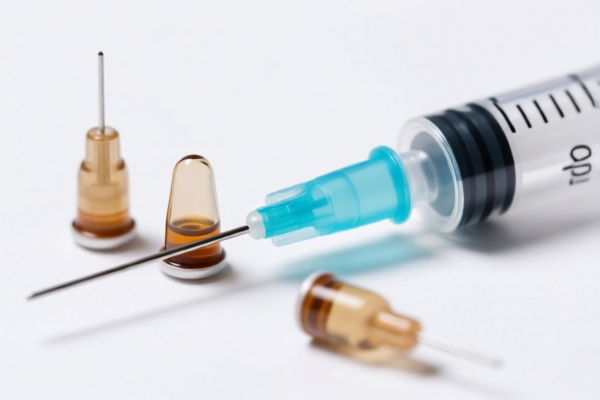
AI Analysis
💉 Syringe Bulbs & Non-Subcutaneous Plastic Medical Accessories
🌐 HS Code Reference & Customs Clearance Guide | 2026 Latest Tariff Analysis | Professional Clearance Strategy
📌 I. Product Definition & Classification: Are You Mixing Up "Syringes" and "Syringe Bulbs"?
The input "Syringe bulb non-subcutaneous injection" refers to specific components or standalone plastic items used in medical or household contexts. It is critical to distinguish between complete medical syringes (which fall under Chapter 90) and plastic auxiliary parts/accessories (which often fall under Chapter 39).
In international trade, the classification depends heavily on material composition and functional integrity:
- Syringe Bulbs (Plastic/Rubber): If the item is merely the rubber/plastic bulb used to squeeze liquid (e.g., for enemas or non-hypodermic syringes) and is not a complete medical device with a needle or plunger mechanism for subcutaneous/intramuscular injection, it is often classified as a plastic article or accessory under Chapter 39.
- Complete Syringes (Medical Grade): If the item is a complete syringe (with or without a needle) intended for medical use (including non-subcutaneous injections like intradermal or topical), it falls under Chapter 90 (Medical Instruments).
⚠️ Key Distinction Point:
- If it is a standalone bulb or a non-sterile, non-implantable plastic accessory (like hot water bottle fittings or enema bag bulbs) → Classify under 3926.90.21.00.
- If it is a complete syringe (even if for non-subcutaneous use) or a part of a medical syringe system → Classify under 9018.31.00.
- "Non-subcutaneous" does NOT automatically exempt it from Chapter 90 if it is a functional syringe component. However, if it is explicitly a "bulb for a syringe" in the context of household/clinic non-sterile tools, it may be argued as a plastic article, but this is risky without specific customs rulings.
📦 II. HS Code Classification Details (Based on Provided Data)
The following HS Codes are extracted directly from your provided data. Note the stark contrast in tax implications.
| HS Code | Product Description | Applicable Scenario | Tax Rate (Total) | Risk Level |
|---|---|---|---|---|
3926.90.21.00 |
Syringes (other than hypodermic syringes) and fittings therefor; Bulbs for syringes; Ice bags; Douche bags; Enema bags | Non-hypodermic syringes, bulbs for syringes, enema bags, douche bags. Plastic/rubber articles not made of glass/metal. | 11.7% | ✅ Low Risk (Correct if strictly "bulb" or "non-hypodermic fitting") |
3926.90.45.10 |
Gaskets, washers and other seals; O-Rings | Seals for containers or pipes. Not directly related to syringe function unless used as a seal part. | 0.0% | ⚠️ High Misclassification Risk (Unless sold as loose O-rings) |
9018.31.00.80 |
Syringes, with or without needles; Other | Complete syringes for medical/surgical use, including non-subcutaneous injections. | 100.0% | ❌ High Tax (If classified as a medical syringe) |
9018.31.00.90 |
Parts and accessories of syringes, needles, catheters, etc. | Parts and accessories of medical syringes. | 100.0% | ❌ High Tax (If classified as a syringe part) |
🔍 Critical Clarification for "Syringe Bulb":
- If the product is a rubber/plastic bulb specifically designed to attach to a non-hypodermic syringe (e.g., for nasal irrigation or enema), it falls under3926.90.21.00.
- If the product is a plastic barrel/plunger that constitutes part of a medical syringe (even for non-subcutaneous use), customs may classify it as a part of a medical syringe under9018.31.00.90(100% tax).
- Recommendation: To benefit from the 11.7% rate, the product must be clearly described as a "Syringe Bulb" or "Accessory for Non-Hypodermic Syringe", not as a "Syringe Part" for medical injection devices.
💰 III. 2026 Latest Tariff Rate Breakdown (Detailed)
✅ Applicable Country: United States (US)
✅ Origin: China (CN)
✅ Effective Date: 2025/2026 (As per data context)
🎯 1. 3926.90.21.00 —— Syringe Bulbs & Non-Hypodermic Syringe Fittings
| Item | Content |
|---|---|
| Base Tariff | 4.2% (ad valorem) |
| Section 301 / Additional Tariff | 7.5% |
| Total Tariff | 11.7% |
| Tax Calculation | CIF Value × 11.7% |
| De Minimis Eligibility | ❓ Check current $800 threshold rules; generally subject to tariff if declared as commercial import. |
| Legal Basis | HTSUS 3926.90.21 |
📌 Explanation:
- This is the most favorable rate for syringe-related plastic articles.
- It explicitly includes "bulbs for syringes" and "syringes (other than hypodermic)".
- Key Condition: The product must NOT be a "hypodermic syringe" (which requires needle puncture) and must not be a "part of a hypodermic syringe."
🎯 2. 9018.31.00.80 / 9018.31.00.90 —— Complete Syringes & Parts (Medical)
| Item | Content |
|---|---|
| Base Tariff | 0.0% |
| Additional Tariff | 100.0% |
| Total Tariff | 100.0% |
| Tax Calculation | CIF Value × 100.0% |
| De Minimis Eligibility | ❌ Likely Excluded or Highly Scrutinized |
| Legal Basis | HTSUS 9018.31 |
📌 Explanation:
- This is a punitive tariff applicable to medical instruments from China.
- Even if the syringe is for non-subcutaneous use (e.g., intradermal, topical), if it is considered a "medical syringe," it falls here.
- Parts (9018.31.00.90) also attract 100% tax. This is a major risk if the "bulb" is deemed a critical part of a medical syringe system.
🎯 3. 3926.90.45.10 —— Gaskets/O-Rings (If applicable)
| Item | Content |
|---|---|
| Base Tariff | 0.0% |
| Additional Tariff | 0.0% |
| Total Tariff | 0.0% |
| Tax Calculation | Free |
📌 Explanation:
- Only applicable if the product is a loose O-ring or gasket, not a functional syringe bulb. Misclassifying a bulb as a gasket is a red flag for customs.
🛠️ IV. Customs Clearance Practical Advice (Avoid Pitfalls)
✅ 1. Preparation Checklist (Must-Haves)
| Document | Required? | Notes |
|---|---|---|
| ✅ Product Specification Sheet | ✔️ | Clearly state: "Plastic Bulb for Non-Hypodermic Syringe," "Material: TPE/Rubber," "Not for Hypodermic Use." |
| ✅ Photos | ✔️ | Show the bulb, packaging, and any attached tubing. Must look like a bulb, not a medical needle device. |
| ✅ Commercial Invoice | ✔️ | Description: "Plastic Syringe Bulb, Non-Medical/Non-Hypodermic Use." Avoid words like "Medical Syringe Part" if aiming for 3926. |
| ✅ Certificate of Origin | ✔️ | Required for tariff calculation. |
| ✅ Structure Diagram | ✔️ | If requested, show it is a simple bulb without needle-holding mechanisms. |
✅ 2. Declaration Strategy (Critical)
🔥 Golden Rule: "Be Specific, Avoid 'Medical' Ambiguity, Highlight 'Non-Hypodermic'."
| Scenario | Correct Declaration | Incorrect Declaration |
|---|---|---|
| Syringe Bulb | Plastic Bulb for Enema/Irrigation Syringe (HS: 3926.90.21.00) |
Syringe Part or Medical Syringe Accessory (HS: 9018.31.00.90) |
| Complete Non-Hypodermic Syringe | Non-Hypodermic Plastic Syringe (HS: 3926.90.21.00) |
Syringe for Injection (Risk of 100% tax) |
| O-Rings | Silicone O-Ring Seal (HS: 3926.90.45.10) |
Syringe Gasket (Ambiguous) |
⚠️ Warning:
- Using the word "Injection" in the description can trigger customs to view the item as a medical device for subcutaneous/intramuscular injection, even if you say "non-subcutaneous."
- Better Description: "Syringe Bulb for Nasal Irrigation" or "Enema Bulb" is safer than "Syringe Bulb for Injection."
✅ 3. Special Case Handling
| Situation | Handling Advice |
|---|---|
| Product is Sterile | ❗ High Risk. Sterile products are often deemed medical devices → Classify under 9018 → 100% tax. Avoid if targeting 3926. |
| Product Has a Needle Hub | ❗ High Risk. If it accepts a needle, it may be classified as a hypodermic syringe part → 100% tax. |
| Product is for Veterinary Use | ✅ Still likely 9018 if it's a syringe. Clarify if it's a "bulb" only. |
| Product is for Household Use | ✅ Safer for 3926. Emphasize "Household," "Non-Medical Grade." |
🌍 V. Global Market Comparison (2026 Latest)
| Country/Region | Recommended HS Code | Tariff | Notes |
|---|---|---|---|
| 🇺🇸 USA | 3926.90.21.00 |
11.7% | Best for bulbs/non-hypodermic syringes. |
| 🇺🇸 USA | 9018.31.00.80 |
100.0% | Applies to medical syringes/parts. |
| 🇨🇳 China | 3926.90.21.00 |
~10% | Check current Chinese import tariffs. |
| 🇪🇺 EU | 3926.90.97 |
~4.5% | EU classification may differ slightly. |
| 🇯🇵 Japan | 3926.90.90 |
~5-10% | Varies by specific use. |
📌 Conclusion:
- USA is the most critical market due to the 100% tariff on medical instruments (9018).
- Correct classification as 3926.90.21.00 can save 88.3% in taxes compared to 9018.
📌 VI. Common Mistakes & Pitfalls (Lessons Learned)
❌ Mistake 1: Describing the item as "Syringe Part" for a medical syringe.
👉 Result: Customs reclassifies to 9018.31.00.90 → 100% Tax.
👉 Fix: Describe as "Bulb for Non-Hypodermic Syringe."
❌ Mistake 2: Using "Medical" or "Injection" in the product name without qualification.
👉 Result: Triggers medical device scrutiny → Delayed clearance or audit.
👉 Fix: Use "Household," "Irrigation," or "Enema" in the description.
❌ Mistake 3: Assuming "Non-Subcutaneous" means it's not a medical device.
👉 Result: Incorrect. Intradermal syringes are still medical.
👉 Fix: If it's a bulb only, argue it's a plastic article (3926). If it's a full syringe, expect 100% tax unless excluded.
🎯 VII. Final Recommendations
🎯 Action Plan:
1. If selling standalone bulbs:
- HS Code: 3926.90.21.00
- Description: "Plastic Bulb for Non-Hypodermic Syringe (Enema/Irrigation)"
- Tax: 11.7%
2. If selling complete non-hypodermic syringes:
- HS Code: 3926.90.21.00 (Check with customs if "non-hypodermic" is accepted)
- Tax: 11.7%
3. If selling parts of hypodermic syringes:
- HS Code: 9018.31.00.90
- Tax: 100.0% (Consider redesigning to avoid "medical" classification).
💡 Pro Tip:
- Pre-Ruling: Apply for a Customs Binding Tariff Information (BTI) or Advance Ruling if the shipment value is high.
- Packaging: Avoid medical symbols (crosses, caduceus) on packaging if aiming for 3926. Use "Household/Medical Accessory" language cautiously.
📣 Immediate Action:
📞 Consult with a licensed customs broker to confirm "Non-Hypodermic" classification in your specific port.
📦 Ensure your commercial invoice matches the HS Code description exactly.
🚀 Save 88.3% in taxes by classifying correctly!
✨ Professional Clearance Starts with Precise Classification!
💼 Your Profit Margin Depends on Accurate HS Codes!
Customer Reviews
About HS Code Classification
The Harmonized System (HS) is an internationally standardized nomenclature developed by the World Customs Organization (WCO) to classify traded products. Over 200 countries use the HS system as the basis for customs tariffs, trade statistics, and import/export regulations.
Each HS code follows a hierarchical structure:
- Chapter (2 digits) — Broad category of goods (e.g., Chapter 84: Machinery and Mechanical Appliances)
- Heading (4 digits) — More specific grouping within the chapter
- Subheading (6 digits) — Internationally standardized breakdown, used by all WCO member countries
- National subdivisions (8-10 digits) — Country-specific extensions for further classification, such as US HTSUS 10-digit codes
Correct HS code classification is essential for smooth customs clearance, accurate duty payment, and compliance with trade regulations. Misclassification can lead to customs delays, overpayment of duties, or penalties.
When importing from CN to US, the applicable tariff rates may include:
- Most-Favored-Nation (MFN) rate — The standard duty rate applied to WTO members
- General rate — Applied to countries without trade agreements
- Trade remedy duties — Additional tariffs such as Section 301 (anti-dumping), Section 232 (national security), or countervailing duties
The information provided on this page is for reference purposes only. For official classification, please consult with your local customs authority or a licensed customs broker.