Syringe Bulbs Non Hypodermic
CN → USProduct Images
AI Analysis
💉 Syringe Bulbs (Non-Hypodermic)
🌐 HS Code Reference & Clearance Guide | 2026 Latest Tariff Analysis | Professional-Level Customs Strategy
📌 I. Product Definition & Classification: Do You Really Understand “Non-Hypodermic Syringe Bulbs”?
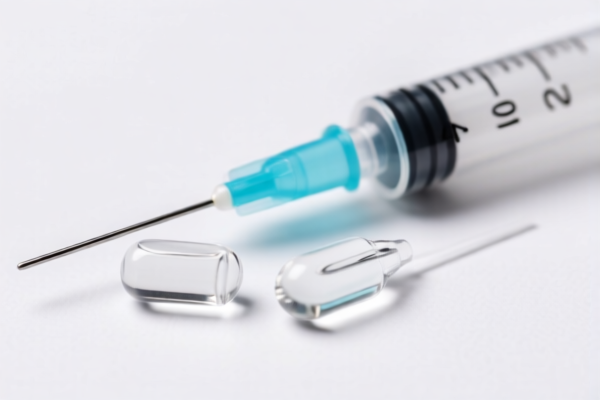
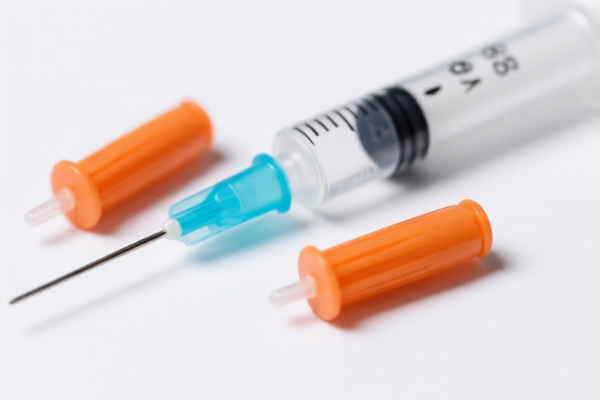
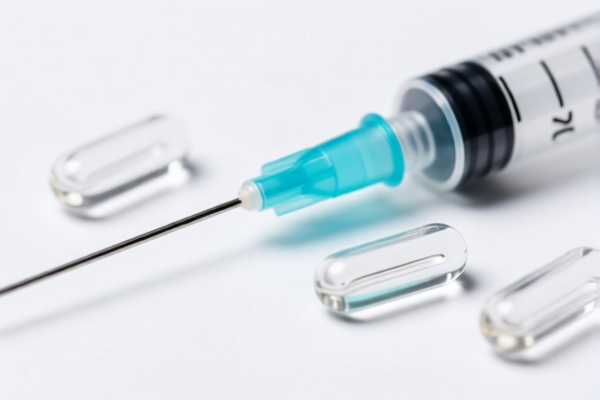
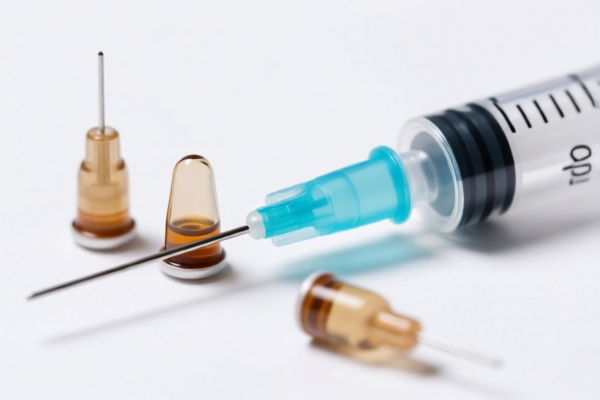
Non-hypodermic syringe bulbs are cylindrical reservoirs used in medical, laboratory, or industrial applications where needle insertion is not involved. Unlike hypodermic syringes (used for injections), these bulbs are typically attached to catheters, tubing, or droppers for:
- Irrigation (e.g., wound cleaning, eye irrigation);
- Medication Administration (e.g., oral liquids, ear/nose drops);
- Laboratory Transfer (e.g., reagents, samples);
- Industrial Application (e.g., adhesives, lubricants).
⚠️ Key Distinction:
- If it has no needle and is designed for non-invasive use, it is NOT classified as a hypodermic syringe (HS 9018.19).
- If it is a replaceable bulb only (not a complete syringe), it may be classified as a part/accessory (HS 9018.90 or 3926.90).
- If made of plastic and disposable, it often falls under Chapter 39 (plastic articles) or Chapter 90 (medical instruments).
📦 II. HS Code Classification Details (2026 Latest Tariff Authority Comparison)
| HS Code | Product Description | Applicable Scenario | Material Type | Needle Included? |
|---|---|---|---|---|
9018.39.00.00 |
Syringes, other than hypodermic (complete units) | Complete non-hypodermic syringes (bulb + barrel + tip) | Plastic/Glass | ❌ No |
9018.90.99.00 |
Parts and accessories for medical instruments (including syringe bulbs) | Replaceable bulbs only (not sold as a full syringe) | Plastic/Rubber | ❌ No |
3926.90.98.80 |
Other articles of plastic (if no medical device function) | Bulk plastic bulbs for industrial/civil use | Plastic | ❌ No |
3917.29.00.00 |
Other tubes, pipes, and hoses (if bulb is part of a tube system) | Bulbs integrated with tubing for irrigation | Plastic | ❌ No |
9018.31.00.00 |
Hypodermic syringes (for comparison) | Hypodermic syringes with needles | Plastic/Glass | ✅ Yes |
🔍 Critical Reminder:
- Complete non-hypodermic syringes (bulb + barrel + tip) → 9018.39.00.00
- Syringe bulbs alone (no barrel/needle) → 9018.90.99.00 (as a medical part)
- Industrial plastic bulbs (no medical claim) → 3926.90.98.80
- Do NOT misclassify as hypodermic syringes (9018.31.00.00) if no needle is present — this can lead to rejection or penalties.
💰 III. 2026 Latest Tariff Rate Details (Including Surcharges & Policy Add-ons)
✅ Applicable Country: United States (US)
✅ Country of Origin: China (CN)
✅ Effective Date: November 10, 2025 (and subsequent imports)
🎯 1. 9018.39.00.00 — Syringes, Other Than Hypodermic (Complete Units)
| Item | Content |
|---|---|
| Base Tariff | 2.5% (ad valorem) |
| USITC Surcharge | +25% (from USITC Footnote 9903.90.99.00) |
| IEEPA Surcharge | +10% (for China/Hong Kong products, from Nov 10, 2025) |
| Total Tariff | 37.5% |
| Tax Calculation | CIF Value × 37.5% |
| De Minimis Exemption? | ❌ Not Eligible (deny_de_minimis) |
| Legal Basis Path | IEEPA:9903.01.25 → IEEPA:9903.01.24 → USITC:9018.39.00.00 → FOOTNOTE:9903.90.99.00 |
📌 Explanation:
- The 25% USITC surcharge is part of the Section 301 tariffs on Chinese medical devices;
- The 10% IEEPA surcharge is a new对华附加税 effective from Nov 2025;
- Total 37.5% is a high tariff, requiring advance planning!
🎯 2. 9018.90.99.00 — Parts and Accessories for Medical Instruments (Syringe Bulbs Only)
| Item | Content |
|---|---|
| Base Tariff | 3.4% (ad valorem) |
| USITC Surcharge | +25% |
| IEEPA Surcharge | +10% |
| Total Tariff | 38.4% |
| Tax Calculation | CIF Value × 38.4% |
| De Minimis Exemption? | ❌ Not Eligible |
| Legal Basis Path | IEEPA:9903.01.25 → IEEPA:9903.01.24 → USITC:9018.90.99.00 → FOOTNOTE:9903.90.99.00 |
📌 Note:
- Even though it’s a “part,” the medical device designation triggers the same surcharges as complete devices;
- Bulbs alone are treated as medical instrument parts, not general plastic goods.
🎯 3. 3926.90.98.80 — Other Plastic Articles (Industrial/Non-Medical Use)
| Item | Content |
|---|---|
| Base Tariff | 5.7% |
| USITC Surcharge | +25% |
| IEEPA Surcharge | +10% |
| Total Tariff | 40.7% |
| Tax Calculation | CIF Value × 40.7% |
| De Minimis Exemption? | ❌ Not Eligible |
| Legal Basis Path | IEEPA:9903.01.25 → IEEPA:9903.01.24 → USITC:3926.90.98.80 → FOOTNOTE:9903.90.99.00 |
📌 Warning:
- If not intended for medical use, but labeled as such, Customs may reclassify to 9018.90.99.00;
- Mislabeling leads to audits, penalties, or shipment delays.
🛠️ IV. Clearance Practical Advice (Battle-Tested Pitfall Avoidance Guide)
✅ 1. Required Documentation Checklist (Non-Negotiable)
| Document | Must Provide | Explanation |
|---|---|---|
| ✅ Product Specification Sheet | ✔️ | Dimensions, volume, material, intended use (medical/industrial) |
| ✅ Diagram/Structure Drawing | ✔️ | To prove no needle/hypodermic function |
| ✅ Product Photos (with Label) | ✔️ | Clear view of model, brand, volume, “Non-Hypodermic” marking |
| ✅ Third-Party Test Report | ✔️ | FDA 510(k) (if medical), CE, ISO 13485, RoHS |
| ✅ Commercial Invoice | ✔️ | Must state “Non-Hypodermic Syringe Bulbs” |
| ✅ Certificate of Origin (CO) | ✔️ | If non-China origin, possible tariff reduction |
| ✅ Packing List | ✔️ | Clarify if bulbs are sold separately or as part of a syringe kit |
✅ 2. Declaration Tips (Key Mantra)
🔥 “No Needle = Non-Hypodermic, Medical Claim = 9018, Plastic Only = 3926!”
| Scenario | Correct Declaration | Wrong Practice |
|---|---|---|
| Complete non-hypodermic syringe | 9018.39.00.00 |
Mislabel as 9018.31.00.00 (hypodermic) → 25%+10% surcharge on wrong base |
| Bulb alone (no barrel) | 9018.90.99.00 |
Declare as 3926.90.98.80 → Risk of reclassification + penalties |
| Industrial plastic bulb (no medical use) | 3926.90.98.80 |
Claim medical use → Higher tariff + FDA compliance issues |
| Bulb + tubing kit | Declare as complete irrigation device → May qualify for 9018.39.00.00 if designed as a unit |
Split declaration → Each item taxed separately, higher total |
✅ 3. Special Cases Handling
| Situation | Recommendation |
|---|---|
| OEM Custom Bulbs | Provide client contract + design specs to avoid “generic” classification |
| Bulbs with Luer Lock Tip | Still non-hypodermic if no needle → 9018.39.00.00 |
| Used/Reprocessed Bulbs | Not allowed for import into US as medical devices without FDA reprocessing approval |
| Bulbs for Veterinary Use | May be classified under 9018.39.00.00 but requires proof of non-human use |
🌍 V. Global Market Clearance Comparison (2026 Latest)
| Country/Region | Recommended HS Code | Tariff | Certification Requirement | Notes |
|---|---|---|---|---|
| 🇺🇸 USA | 9018.39.00.00 / 9018.90.99.00 |
37.5%–38.4% (China) | FDA 510(k), CE, ISO 13485 | High tariffs; strict medical device rules |
| 🇨🇳 China | 9018.39.00.00 |
5% | CCC, NMPA Registration | No surcharges |
| 🇪🇺 EU | 9018.39.00.00 |
0% (if CE Marked) | CE, MDR/IVDR | No surcharges; strict medical device compliance |
| 🇦🇺 Australia | 9018.39.00.00 |
5% | TGA Approval | No surcharges |
| 🇯🇵 Japan | 9018.39.00.00 |
0% | PMDA Approval | No surcharges |
📌 Conclusion:
- USA has the highest tariffs due to Section 301 + IEEPA;
- EU and Japan are more favorable if CE/PMDA certified;
- Consider supply chain diversification (Vietnam, Mexico) to mitigate US tariffs.
📌 VI. Common Mistakes & Pitfall Avoidance (Blood-Tested Lessons)
❌ Mistake 1: Declaring “Syringe Bulbs” as “Hypodermic Syringes” (9018.31.00.00)
👉 Consequence: Incorrect classification → Penalties + shipment hold
❌ Mistake 2: Separating “Bulb + Barrel” in declaration
👉 Consequence: Each part taxed separately → Total tariff exceeds 60%
❌ Mistake 3: No FDA/CE documentation for medical-grade bulbs
👉 Consequence: Rejection at US/EU borders
❌ Mistake 4: Using “Plastic Articles” (3926.90.98.80) for medical bulbs
👉 Consequence: Customs reclassifies to 9018.90.99.00 → Back taxes + interest
✅ Correct Practice:
“Non-Hypodermic Syringe Bulbs, 10mL, Plastic, Sterile, For Irrigation Use Only, No Needle, Model XYZ, FDA 510(k) Cleared”
🎯 VII. Conclusion: Precision Classification Saves Money and Time!
🎯 Remember the Mantra:
🔹 “No Needle = Non-Hypodermic, Medical = 9018, Plastic = 3926”
🔹 “HS Code Determines Tariff, Misclassification Costs Thousands”
📌 Pro Tip:
If your syringe bulbs are originating from Vietnam, Mexico, Thailand, or Malaysia, you may qualify for IEEPA exemption, reducing tariffs to 0%–5%.
Recommend Advance Ruling (APA) from US CBP to avoid clearance risks.
📣 Take Action Now:
📞 Contact a licensed customs broker + Provide product photos + Apply for HS Code Advance Ruling
🚀 Ensure smooth clearance, efficient export, and maximize profits!
✨ Professional Clearance Starts with Accurate Classification!
💼 Every Cent Counts in Your Supply Chain!
Customer Reviews
About HS Code Classification
The Harmonized System (HS) is an internationally standardized nomenclature developed by the World Customs Organization (WCO) to classify traded products. Over 200 countries use the HS system as the basis for customs tariffs, trade statistics, and import/export regulations.
Each HS code follows a hierarchical structure:
- Chapter (2 digits) — Broad category of goods (e.g., Chapter 84: Machinery and Mechanical Appliances)
- Heading (4 digits) — More specific grouping within the chapter
- Subheading (6 digits) — Internationally standardized breakdown, used by all WCO member countries
- National subdivisions (8-10 digits) — Country-specific extensions for further classification, such as US HTSUS 10-digit codes
Correct HS code classification is essential for smooth customs clearance, accurate duty payment, and compliance with trade regulations. Misclassification can lead to customs delays, overpayment of duties, or penalties.
When importing from CN to US, the applicable tariff rates may include:
- Most-Favored-Nation (MFN) rate — The standard duty rate applied to WTO members
- General rate — Applied to countries without trade agreements
- Trade remedy duties — Additional tariffs such as Section 301 (anti-dumping), Section 232 (national security), or countervailing duties
The information provided on this page is for reference purposes only. For official classification, please consult with your local customs authority or a licensed customs broker.