Syringe Glue Bottle
CN → US| HS Code | Tariff Rate | Origin | Destination | Doc |
|---|---|---|---|---|
| 3923300010 | 38.0% | CN | US | Official Doc |
| 3926901000 | 20.9% | CN | US | Official Doc |
| 3926909989 | 22.8% | CN | US | Official Doc |
| 3506911000 | 35.0% | CN | US | Official Doc |
| 3923300090 | 38.0% | CN | US | Official Doc |
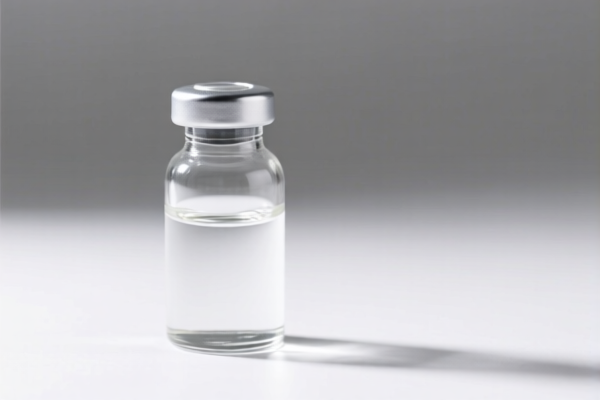
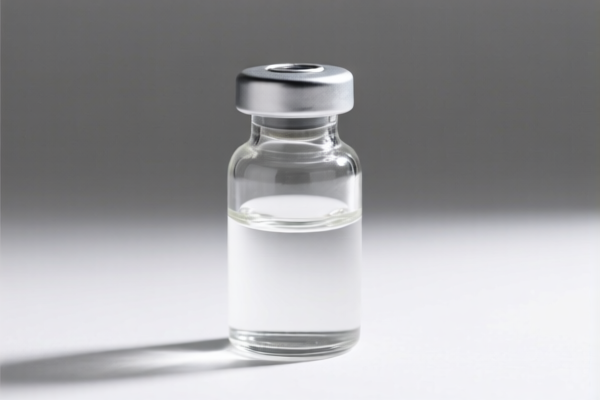
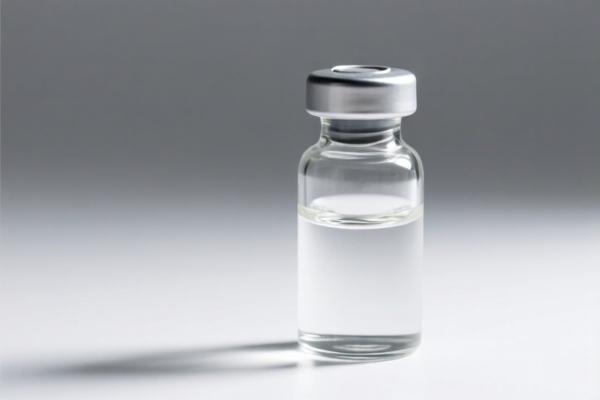
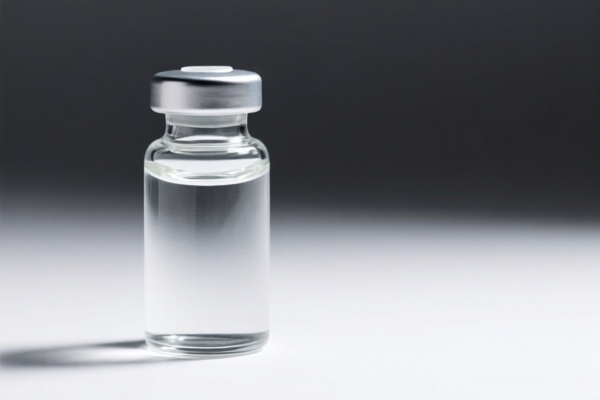
Product Images
AI Analysis
💉 Syringe Glue Bottle (Needle-Tipped Adhesive Applicator)
🌐 HS Code Reference & Customs Clearance Guide | 2026 Latest Tariff Analysis | Professional Compliance Strategy
📌 I. Product Definition: What is a "Syringe Glue Bottle"?
A Syringe Glue Bottle (often referred to as a needle-tipped bottle, dosing tip, or applicator syringe) is a specific type of packaging used for dispensing adhesives, sealants, or medical fluids.
In international trade classification, the critical distinction lies in whether the item is viewed primarily as a container for packaging (Chapter 39) or as a component/accessory of the adhesive itself or a general plastic article.
⚠️ Key Classification Insight:
- If the bottle is designed specifically to hold and dispense glue via a needle/tip mechanism, customs authorities may classify it either as a "plastic bottle for packaging" (3923) or as a "plastic article not elsewhere specified" (3926).
- Some aggressive classifications may link it to the adhesive chemical itself (3506) if deemed an integral part of the "pre-mixed adhesive delivery system," though this is less common for empty bottles.
- Crucial for Importers into the USA: All listed HS Codes below are subject to significant Section 301 tariffs and Section 122 tariffs for goods originating from China.
📦 II. HS Code Classification Matrix (2026 Customs Data)
| HS Code | Product Description (Summary) | Classification Logic | Total Tax Rate (China Origin) |
|---|---|---|---|
| 3923.30.00.10 | Plastic bottle form, specifically for glue packaging. | Viewed as a packaging material designed for specific content (glue). | 38.0% |
| 3923.30.00.90 | Plastic bottle form, general plastic category. | Similar to above, but a broader "other" sub-category for plastic bottles. | 38.0% |
| 3926.90.10.00 | Plastic container for glue, general plastic article. | Viewed as a general plastic vessel not strictly defined as "packaging" in the primary heading. | 20.9% |
| 3926.90.99.89 | Other plastic articles, including needle-tipped bottles. | Catch-all for plastic items not specified elsewhere. | 22.8% |
| 3506.91.10.00 | Accessory packaging for adhesive preparation. | Aggressive classification linking the bottle to the adhesive chemical (3506). | 35.0% |
🔍 Critical Observation:
The tax burden varies significantly from 20.9% to 38.0% depending on the precise description used and the customs officer’s interpretation of whether the item is a "packaging vessel" (3923) or a "plastic article" (3926).
💰 III. Detailed Tariff Breakdown (USA Import from China)
✅ Applicable Country: United States (US)
✅ Origin: China (CN)
✅ Effective Date: Current (Based on 2026 policy context provided in data)
🎯 1. Classification under 3923.30.00.10 & 3923.30.00.90 (Packaging Bottles)
These codes view the item as a plastic bottle used for packaging.
| Item | Details |
|---|---|
| Base Duty | 3.0% |
| Section 301 Additional Duty | 25.0% (Standard punitive tariff for Chinese goods) |
| Section 122 Duty | 10.0% (Specific duty applied to this category in the provided data) |
| Total Tax Rate | 38.0% |
| Calculation Basis | CIF Value × 38% |
| De Minimis Exemption | ❌ Denied (High duty rate typically blocks Section 321 de minimis eligibility) |
📌 Explanation:
- The 3.0% base rate reflects the standard MFN (Most Favored Nation) duty for plastic bottles.
- The 25% is the standard Section 301 tariff.
- The 10% is a specific additional tariff (labeled as "122条款" in source data) applied to these packaging items.
🎯 2. Classification under 3926.90.10.00 (General Plastic Container)
This classification treats the bottle as a general plastic article rather than specialized packaging.
| Item | Details |
|---|---|
| Base Duty | 3.4% |
| Section 301 Additional Duty | 7.5% (Note: Data shows a lower Section 301 rate for this specific code) |
| Section 122 Duty | 10.0% |
| Total Tax Rate | 20.9% |
| Calculation Basis | CIF Value × 20.9% |
📌 Explanation:
- This is the most cost-effective classification in the provided data.
- The Section 301 rate is significantly lower (7.5%) compared to the 25% in other codes, likely due to the code falling under a different exclusion or list.
- Strategy: If your product is a simple plastic bottle with a needle tip, arguing for 3926.90.10.00 could save ~17.1% in duties.
🎯 3. Classification under 3926.90.99.89 (Other Plastic Articles)
| Item | Details |
|---|---|
| Base Duty | 5.3% |
| Section 301 Additional Duty | 7.5% |
| Section 122 Duty | 10.0% |
| Total Tax Rate | 22.8% |
| Calculation Basis | CIF Value × 22.8% |
📌 Explanation:
- Higher base duty than 3926.90.10.00, but still lower total tax than the 3923 series.
- Use this if the item is deemed "not elsewhere specified."
🎯 4. Classification under 3506.91.10.00 (Adhesive Accessory)
| Item | Details |
|---|---|
| Base Duty | 0.0% |
| Section 301 Additional Duty | 25.0% |
| Section 122 Duty | 10.0% |
| Total Tax Rate | 35.0% |
| Calculation Basis | CIF Value × 35.0% |
📌 Explanation:
- Although base duty is 0%, the 25% Section 301 makes it more expensive than the 3926 options.
- This classification is risky; if customs rejects the link to "adhesive preparation," you will face penalties for misclassification.
🛠️ IV. Customs Clearance Operational Advice
✅ 1. Documentation Checklist
| Document | Requirement | Reason |
|---|---|---|
| Product Photo | Must show the needle/tip clearly | To prove it is an "applicator" and not just a storage jar |
| Material Declaration | "100% Plastic (e.g., PP, PE)" | Required for Chapter 39 classification |
| Intended Use Statement | "For dispensing adhesives/sealants" | Links product to 3923 (packaging) or 3926 (plastic article) |
| Composition Analysis | If empty vs. pre-filled | Empty bottles are classified under Chapter 39. Pre-filled units may have different rules. |
✅ 2. Strategic Classification Tips
🔥 Rule of Thumb:
"If it’s empty, it’s plastic. If it’s full, it’s adhesive."
| Scenario | Recommended HS Code | Why? |
|---|---|---|
| Empty Bottle with Needle Tip | 3926.90.10.00 | Best Rate (20.9%). Argue it is a "plastic container" not primarily "packaging" in the retail sense, or falls under general plastic articles. |
| Bottle sold as part of a Glue Kit | 3506.91.10.00 or 3923.30.00.10 | If sold together, customs may view the whole kit as "adhesive" (3506) or "packaging" (3923). High tax (35-38%). |
| Bulk Packaging Bottles | 3923.30.00.10 | Clearly "packaging." Expect 38% tax. |
⚠️ Warning:
- Do NOT claim "De Minimis" ($800 exemption) if the HS Code is subject to Section 301/122 duties without specific exemptions. The provided data shows total taxes >20%, which typically disqualifies packages from streamlined de minimis entry if they are flagged for anti-dumping or Section 301 scrutiny. - Pre-Ruling: For high-volume shipments, apply for an Advance Ruling from US Customs (CBP) to lock in the 3926.90.10.00 classification at 20.9% instead of the higher 38%.
✅ 3. Common Pitfalls
| Mistake | Consequence | Solution |
|---|---|---|
| Mislabeling as "Toy" or "Medical Device" | Severe penalties, rejection | Be accurate: "Syringe Glue Bottle" |
| Ignoring Section 122 | Underpayment of duties | Ensure 10% surcharge is included in cost calculation |
| Confusing Empty vs. Full | Wrong Chapter (39 vs. 35) | Clearly state "Empty Plastic Container" in invoice |
🌍 V. Global Market Comparison (2026)
| Market | Recommended HS Code | Est. Total Tax (China) | Key Requirement |
|---|---|---|---|
| 🇺🇸 USA | 3926.90.10.00 | 20.9% | Section 301 + 122 Apply |
| 🇨🇳 China | 3926.90.10.00 | ~5-10% | Standard Import Duty |
| 🇪🇺 EU | 3926.90.99 | ~6.5% | CE Marking (if applicable) |
| 🇯🇵 Japan | 3926.90.99 | ~5-6% | JIS Standards |
📌 Conclusion:
The US market is the most complex due to layered tariffs (Base + 301 + 122).
Targeting the 20.9% rate (3926.90.10.00) is the optimal strategy for importers of empty syringe glue bottles from China.
📌 VI. Common Errors & How to Avoid Them
❌ Error 1: Classifying as 3923.30.00.10 without justification.
👉 Result: You pay 38% instead of 20.9%.
👉 Fix: Argue that the item is a "plastic article" (3926) rather than "packaging material" (3923) if it has independent utility or is sold separately.
❌ Error 2: Declaring as 3506.91.10.00 for empty bottles.
👉 Result: Customs may reject the link to "adhesive preparation" and demand 38% + penalties.
👉 Fix: Use 3926.90.10.00 for empty bottles.
❌ Error 3: Ignoring the 10% Section 122 Duty.
👉 Result: Short payment notices from CBP.
👉 Fix: Always include the 10% surcharge in your landed cost calculation.
🎯 VII. Conclusion: Smart Classification Saves Money
🎯 Key Takeaway:
Syringe Glue Bottles (Empty) should ideally be classified under
3926.90.10.00to achieve a 20.9% total tax rate, avoiding the higher 38% rate associated with packaging classifications (3923).📞 Action Item:
1. Verify if your supplier can provide the bottle as a "standalone plastic article."
2. Apply for an Advance Ruling with US CBP to confirm the 3926.90.10.00 classification.
3. Calculate landed costs using the 20.9% rate, not the 38% default.
✨ Pro Tip:
If you are importing pre-filled glue, the entire kit may be classified under 3506 (Adhesives), which could change the duty structure entirely. Always separate "empty bottles" from "filled kits" in your supply chain for optimal tariff planning.
💼 Precision in HS Codes = Precision in Profit Margins
Customer Reviews
About HS Code Classification
The Harmonized System (HS) is an internationally standardized nomenclature developed by the World Customs Organization (WCO) to classify traded products. Over 200 countries use the HS system as the basis for customs tariffs, trade statistics, and import/export regulations.
Each HS code follows a hierarchical structure:
- Chapter (2 digits) — Broad category of goods (e.g., Chapter 84: Machinery and Mechanical Appliances)
- Heading (4 digits) — More specific grouping within the chapter
- Subheading (6 digits) — Internationally standardized breakdown, used by all WCO member countries
- National subdivisions (8-10 digits) — Country-specific extensions for further classification, such as US HTSUS 10-digit codes
Correct HS code classification is essential for smooth customs clearance, accurate duty payment, and compliance with trade regulations. Misclassification can lead to customs delays, overpayment of duties, or penalties.
When importing from CN to US, the applicable tariff rates may include:
- Most-Favored-Nation (MFN) rate — The standard duty rate applied to WTO members
- General rate — Applied to countries without trade agreements
- Trade remedy duties — Additional tariffs such as Section 301 (anti-dumping), Section 232 (national security), or countervailing duties
The information provided on this page is for reference purposes only. For official classification, please consult with your local customs authority or a licensed customs broker.