Syrup Pump
CN → US| HS Code | Tariff Rate | Origin | Destination | Doc |
|---|---|---|---|---|
| 7323999030 | 88.4% | CN | US | Official Doc |
| 8309900085 | 37.6% | CN | US | Official Doc |
| 3924104000 | 13.4% | CN | US | Official Doc |
| 7323930060 | 62.0% | CN | US | Official Doc |
| 8309900025 | 37.6% | CN | US | Official Doc |
Product Images
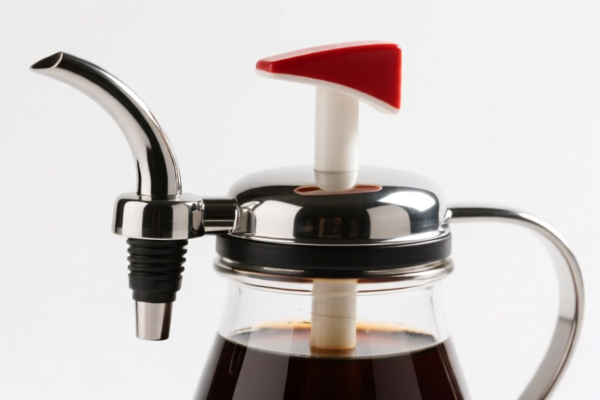
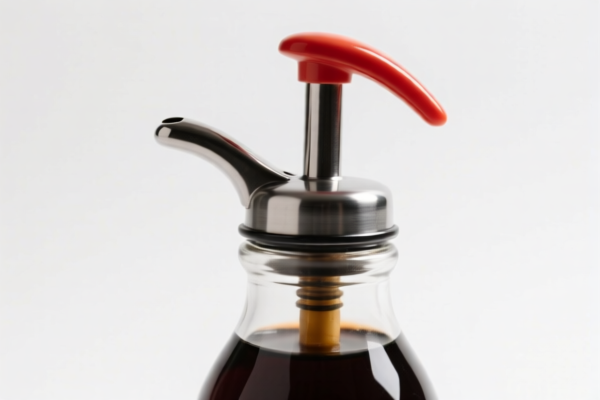
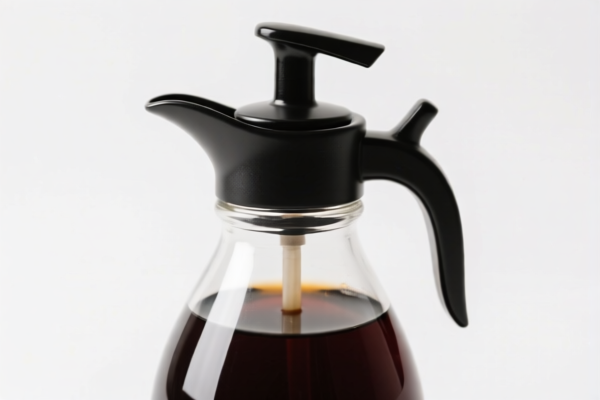
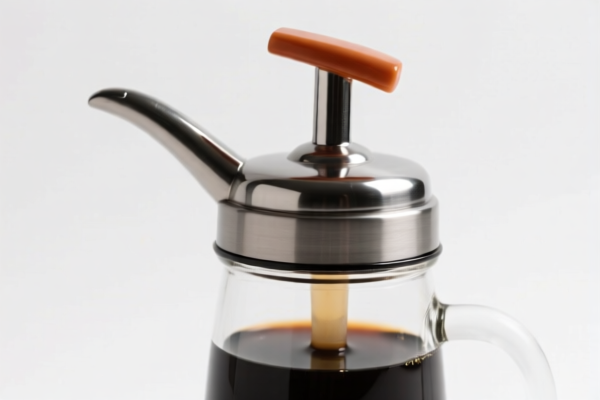
AI Analysis
🚰 Syrup Pump (Dispenser)
🌐 HS Code Reference & Customs Clearance Guide | 2026 Latest Tariff Analysis | Professional Clearance Strategy
📌 Part 1: Product Definition & Classification: Do You Really Understand "Syrup Pump"?
A Syrump Pump is a mechanical or semi-mechanical device used to dispense viscous liquids, primarily syrups, sauces, or oils, into food or beverages. In international trade, its classification hinges on material composition and functional purpose. Because it is a generic item, customs authorities often apply "fallback" categories if the specific use isn't clearly defined as a specialized machine part.
Key Classification Divergence: * Metal/Steel Construction: Often viewed as tableware, kitchenware, or general metal articles. * Plastic Construction: Viewed as plastic household articles or tableware. * Accessory Nature: Sometimes classified as a closure/sealing accessory (stopper/cap) if deemed an attachment.
⚠️ Critical Distinction:
- If made of Steel/Aluminum and intended for Table/Kitchen Use → Likely 7323 or 7323.93
- If made of Steel and viewed as a General Accessory → Likely 8309
- If made of Plastic → Likely 3924
- Note: The tax burden varies drastically (from 13.4% to 88.4%) based solely on this distinction.
📦 Part 2: HS Code Classification Details (2026 Latest Tariff Authority Comparison)
Based on the provided data, here are the five potential HS Codes and their logical justifications:
| HS Code | Product Description | Logic for Classification | Material/Function |
|---|---|---|---|
7323.99.90.30 |
Syrup Dispenser | Fallback Category Principle: Classified as other articles of iron or steel not elsewhere specified. | Steel/Metal |
8309.90.00.85 |
Syrup Dispenser (Accessory) | Functional Accessory/Utensil: Inferred under "Other articles of base metal" as a functional utensil. | Metal/Accessory |
3924.10.40.00 |
Syrup Dispenser (Tableware) | Household Plastic Ware: Classified as plastic tableware/kitchenware. | Plastic |
7323.93.00.60 |
Syrup Dispenser (Kitchenware) | Kitchen Utensil: Classified as stainless steel or other metal kitchenware. | Stainless Steel/Metal |
8309.90.00.25 |
Syrup Dispenser (Closure) | Stopper/Cap Accessory: Classified as metal stoppers, corks, or sealing caps. | Metal/Sealing Part |
🔍 Key Insight:
- Plastic (3924) is the lowest tax option.
- Steel (7323) carries the highest tax burden due to Section 232 tariffs.
- Base Metal Accessories (8309) sit in the middle, heavily impacted by Section 301 tariffs.
💰 Part 3: 2026 Latest Tariff Rate Breakdown (Including Additional Duties & Policy Surcharges)
✅ Applicable Country: United States (US)
✅ Origin: China (CN)
✅ Effective Time: Post-2025 Policies (Current Active Tariffs)
🎯 1. 3924.10.40.00 — Syrup Dispenser (Plastic Tableware)
🏆 Lowest Tax Option
| Item | Content |
|---|---|
| Base Tariff | 3.4% |
| Section 301 Additional Tariff | 0.0% |
| Section 232 Tariff (10%) | ❌ N/A (Does not apply to plastics) |
| Total Tax Rate | 13.4% |
| Tax Calculation | CIF Value × 13.4% |
| De Minimis Exemption | ❌ Not Eligible (High-value commercial shipments generally excluded from 804.51a de minimis relief if classified under these specific subheadings for enforcement purposes) |
| Legal Basis Path | USITC:3924.10.40.00 → Section 301 Footnote |
📌 Explanation:
- Plastic items are exempt from the 25% Section 301 tariff and the 50% Section 232 tariff.
- This is the most cost-effective classification if the product is indeed made of plastic.
🎯 2. 8309.90.00.85 — Syrup Dispenser (Functional Accessory)
📦 Moderate Tax Option
| Item | Content |
|---|---|
| Base Tariff | 2.6% |
| Section 301 Additional Tariff | +25.0% |
| Section 232 Tariff (10%) | ❌ N/A (Base metal accessories generally exempt from Section 232 steel/aluminum duties unless they are specific steel products) |
| Total Tax Rate | 37.6% |
| Tax Calculation | CIF Value × 37.6% |
| De Minimis Exemption | ❌ Not Eligible |
| Legal Basis Path | USITC:8309.90.00.85 → Section 301 Footnote |
📌 Explanation:
- This code falls under "Other articles of base metal." It is subject to the standard 25% Section 301 tariff.
- It avoids the higher Section 232 tariffs if it is not classified as a "steel article" per se.
🎯 3. 8309.90.00.25 — Syrup Dispenser (Stopper/Cap Accessory)
📦 Moderate Tax Option (Same as Above)
| Item | Content |
|---|---|
| Base Tariff | 2.6% |
| Section 301 Additional Tariff | +25.0% |
| Section 232 Tariff (10%) | ❌ N/A |
| Total Tax Rate | 37.6% |
| Tax Calculation | CIF Value × 37.6% |
| De Minimis Exemption | ❌ Not Eligible |
| Legal Basis Path | USITC:8309.90.00.25 → Section 301 Footnote |
📌 Explanation:
- Identical tax structure to8309.90.00.85. The distinction is semantic: is it a "dispenser" or a "cap"? Customs may challenge this if the pump is a standalone unit.
🎯 4. 7323.93.00.60 — Syrup Dispenser (Kitchen Utensil, Steel)
⚠️ High Tax Option (No Section 301, but High Section 232)
| Item | Content |
|---|---|
| Base Tariff | 2.0% |
| Section 301 Additional Tariff | 0.0% |
| Section 232 Tariff (Steel/Aluminum/Copper) | +50.0% |
| Total Tax Rate | 62.0% |
| Tax Calculation | CIF Value × 62.0% |
| De Minimis Exemption | ❌ Not Eligible |
| Legal Basis Path | USITC:7323.93.00.60 → Section 232 Footnote (Steel Articles) |
📌 Explanation:
- This code targets stainless steel or other metal kitchenware.
- It is exempt from Section 301 (25%) but incurs the massive 50% Section 232 tariff because it is a steel article.
- Total 62% makes this very expensive compared to plastic.
🎯 5. 7323.99.90.30 — Syrup Dispenser (General Steel Article)
💀 Highest Tax Option
| Item | Content |
|---|---|
| Base Tariff | 3.4% |
| Section 301 Additional Tariff | +25.0% |
| Section 232 Tariff (Steel/Aluminum/Copper) | +50.0% |
| Total Tax Rate | 88.4% |
| Tax Calculation | CIF Value × 88.4% |
| De Minimis Exemption | ❌ Not Eligible |
| Legal Basis Path | USITC:7323.99.90.30 → Section 301 + Section 232 Combined Footnotes |
📌 Explanation:
- This is the fallback category for steel articles not specified elsewhere.
- It triggers BOTH Section 301 (25%) AND Section 232 (50%) tariffs.
- Total 88.4% is prohibitive. This classification should be avoided if possible.
🛠️ Part 4: Customs Clearance Practical Advice (Real-World Pitfall Guide)
✅ 1. Preparation Checklist (Essential Documents)
| Document | Required? | Purpose |
|---|---|---|
| ✅ Product Specifications | ✔️ | Must specify Material (Plastic vs. Steel) clearly. |
| ✅ Photos (Labeled) | ✔️ | Show the pump head, handle, and container. Distinguish if it's a standalone pump or a cap. |
| ✅ Commercial Invoice | ✔️ | Description must match HS Code logic (e.g., "Plastic Syrup Dispenser" vs. "Steel Kitchen Accessory"). |
| ✅ Material Declaration | ✔️ | Crucial for proving if it falls under 3924 (Plastic) or 7323 (Steel). |
| ✅ Structure Diagram | ✔️ | To prove if it is a "dispenser" or a "sealing accessory" (8309). |
✅ 2. Classification Strategy (Key Mnemonic)
🔥 "Plastic Low, Steel High, Accessory Middle, Fallback Death!"
| Scenario | Recommended HS Code | Risk Level |
|---|---|---|
| Plastic Pump | 3924.10.40.00 |
🟢 Low (13.4%) |
| Metal Pump (Cap/Accessory) | 8309.90.00.85 |
🟡 Medium (37.6%) |
| Stainless Steel Kitchenware | 7323.93.00.60 |
🟠 High (62.0%) |
| Generic Steel Article | 7323.99.90.30 |
🔴 Critical (88.4%) |
📌 Warning:
- Do NOT use7323.99.90.30unless you have no other option. The 88.4% tax rate will destroy your profit margin.
- If your pump is Plastic, insist on3924. Customs may question it if it has metal parts, but if it is predominantly plastic, it is defensible.
- If your pump is Metal, try to classify it as an Accessory (8309) rather than Tableware (7323) to avoid the 50% Section 232 tariff.
✅ 3. Special Handling
| Situation | Advice |
|---|---|
| Mixed Materials (Plastic Handle + Metal Head) | Declare based on Essential Character. If metal part is minor, argue for 3924. If metal part is functional core, argue for 8309 or 7323. |
| OEM Custom Pump | Provide design files showing material composition. |
| Small Parcel (De Minimis) | Note: Even if under $800, high-tariff items like steel may still be scrutinized or denied de minimis if classified under specific high-tariff lines. Check current CBP enforcement on Section 301/232 goods in de minimis shipments. |
🌍 Part 5: Global Market Comparison (2026 Latest)
| Country/Region | Recommended HS Code | Tariff (China Origin) | Certification | Notes |
|---|---|---|---|---|
| 🇺🇸 USA | 3924.10.40.00 |
13.4% (Plastic) | FDA (Food Contact) | Avoid Steel (88.4%). |
| 🇺🇸 USA | 8309.90.00.85 |
37.6% (Metal) | FDA | Better than Steel Tableware. |
| 🇪🇺 EU | 3924.10.00.00 |
~5-7% | EU Food Contact | No Section 232/301 equivalent. |
| 🇨🇳 China | 3924.10.00.00 |
~5-10% | QS/SC | Lower entry barrier. |
📌 Conclusion:
- The US market is the most challenging due to Section 301 and 232 tariffs.
- Plastic (3924) is the only viable low-cost option for the US.
- Metal pumps must be carefully classified as Accessories (8309) to avoid the 50% Section 232 tariff.
📌 Part 6: Common Errors & Pitfalls (Lessons Learned)
❌ Error 1: Classifying a Steel Pump as 7323.99.90.30
👉 Consequence: 88.4% Tax! → Profit Margin Erased.
👉 Fix: Check if it can be classified as an accessory (8309) or if it has plastic components to justify 3924.
❌ Error 2: Ignoring Section 232 for Steel Items
👉 Consequence: Assuming 25% tariff only, but actually liable for 50% Section 232 + 25% Section 301.
👉 Fix: Verify if the steel article is exempt from Section 232 (some metal articles are, but tableware often isn't).
❌ Error 3: Misdeclaring Material
👉 Consequence: Customs audits find metal, change code to 7323, back-taxes + penalties.
👉 Fix: Ensure invoice description matches actual material. "Plastic Syrup Pump" must be at least 50% plastic by weight/value.
✅ Correct Declaration Example:
"Plastic Syrup Dispenser Pump, Food Grade, Model XYZ, Made in China"
HS Code:3924.10.40.00
Tax: 13.4%
🎯 Part 7: Conclusion: Precision Classification Saves Millions
🎯 Remember the Mantra:
🔹 "Plastic is King (13.4%), Accessories are Prince (37.6%), Steel Tableware is Poor (62%), Fallback is Dead (88.4%)."
🔹 "HS Code determines tax, Tax determines margin. Choose wisely!"
📌 Pro Tip:
If your product is 100% Plastic, push for 3924.10.40.00.
If it is Metal, try to argue it is a "Sealing Accessory" (8309.90.00.85) to avoid Section 232.
If it is Stainless Steel Kitchenware, expect 62% tax unless you can prove it's not "tableware."
📣 Immediate Action:
📞 Consult a customs broker for a Pre-Ruling if shipping large volumes.
🚀 Optimize your supply chain to use plastic components where possible to minimize US duties.
✨ Professional Customs Clearance Starts with Precise Classification!
💼 Every 1% of tax saved is 1% of pure profit!
Customer Reviews
About HS Code Classification
The Harmonized System (HS) is an internationally standardized nomenclature developed by the World Customs Organization (WCO) to classify traded products. Over 200 countries use the HS system as the basis for customs tariffs, trade statistics, and import/export regulations.
Each HS code follows a hierarchical structure:
- Chapter (2 digits) — Broad category of goods (e.g., Chapter 84: Machinery and Mechanical Appliances)
- Heading (4 digits) — More specific grouping within the chapter
- Subheading (6 digits) — Internationally standardized breakdown, used by all WCO member countries
- National subdivisions (8-10 digits) — Country-specific extensions for further classification, such as US HTSUS 10-digit codes
Correct HS code classification is essential for smooth customs clearance, accurate duty payment, and compliance with trade regulations. Misclassification can lead to customs delays, overpayment of duties, or penalties.
When importing from CN to US, the applicable tariff rates may include:
- Most-Favored-Nation (MFN) rate — The standard duty rate applied to WTO members
- General rate — Applied to countries without trade agreements
- Trade remedy duties — Additional tariffs such as Section 301 (anti-dumping), Section 232 (national security), or countervailing duties
The information provided on this page is for reference purposes only. For official classification, please consult with your local customs authority or a licensed customs broker.