T nut
CN → US| HS Code | Tariff Rate | Origin | Destination | Doc |
|---|---|---|---|---|
| 8302496055 | 90.7% | CN | US | Official Doc |
| 8302498040 | 38.5% | CN | US | Official Doc |
| 7318160060 | 67.5% | CN | US | Official Doc |
| 7318160085 | 67.5% | CN | US | Official Doc |
Product Images



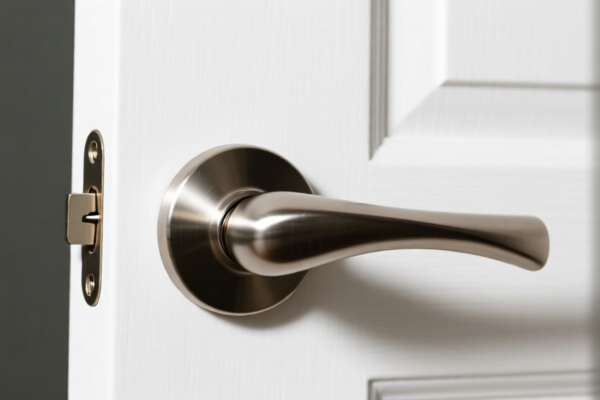
AI Analysis
🛠️ T Nut (T-Nuts for Furniture, Vehicles, and Industrial Assembly)
🌐 HS Code Reference & Clearance Guide | 2026 Latest Tariff Analysis | Professional Clearance Strategy
📌 I. Product Definition and Classification: What exactly is a "T Nut"?
A T Nut (also known as a Tee Nut or T-Slot Nut) is a specialized threaded fastener designed to be embedded into wood, plastic, or composite materials. Its distinctive "T" shape allows the horizontal flange to slide into a T-slot or cavity, providing a secure, non-rotating threaded anchor point.
In international trade, T Nuts are generally classified under Chapter 73 (Articles of Iron or Steel) or Chapter 83 (Miscellaneous Articles of Base Metal), depending on the material and specific application (e.g., furniture vs. vehicle parts).
⚠️ Key Distinction:
- If made of Iron/Steel for general use or furniture → Usually 7318.16.00 (Nuts).
- If made of Base Metal (Aluminum, Zinc, Copper, Iron/Steel) specifically for furniture, doors, or vehicle fittings → Often 8302.49 (Mountings/Fittings).
- Note: The provided<DATA>explicitly includes both categories. You must distinguish based on the material and primary use to select the correct HS Code from the list.
📦 II. HS Code Classification Details (Based on Provided Data)
The following HS Codes are derived strictly from the provided <DATA> input. Each represents a different material or specific application scenario for T Nuts/fasteners.
| HS Code | Product Description | Material | Applicable Scenario | Key Tax Detail |
|---|---|---|---|---|
7318.16.00.60 |
Screws, bolts, nuts... of iron or steel: Nuts: Of stainless steel | Stainless Steel | General hardware, high-corrosion resistance applications. | Total Tax: 57.5% (0% Basic + 7.5% + 50% Steel/Al/Cu Surcharge) |
7318.16.00.85 |
Screws, bolts, nuts... of iron or steel: Nuts: Other | Iron/Steel (Non-Stainless) | Standard T Nuts for furniture, general machinery, construction. | Total Tax: 57.5% (0% Basic + 7.5% + 50% Steel/Al/Cu Surcharge) |
8302.49.60.55 |
Base metal mountings... for furniture...: For aircraft, vessels... of section XVII | Iron, Steel, Aluminum, or Zinc | T Nuts used as fittings for aircraft, ships, or non-motor vehicles. Note: If used for standard furniture only, this may not be the primary code, but if it's a "mounting/fitting" for vehicles, it falls here. | Total Tax: 80.7% (5.7% Basic + 25% + 50% Steel/Al/Cu Surcharge) |
8302.49.80.40 |
Base metal mountings...: For railway vehicles, aircraft, vessels... | Copper | T Nuts or fittings made of Copper for specialized vehicles (Rail/Air/Sea). | Total Tax: 28.5% (3.5% Basic + 25%) |
🔍 Critical Analysis of Data Discrepancies:
- 7318.16 classifies T Nuts simply as "Nuts" (threaded articles). This is the most common classification for standard T Nuts in furniture or general assembly.
- 8302.49 classifies them as "Mountings/Fittings". This is applicable if the T Nut is considered a fixture for a specific industry (like aircraft or shipbuilding) rather than just a generic fastener.
- Material Matters:
- Stainless Steel/Steel: Use7318.16(Cheaper base rate) OR8302.49(If specified as vehicle fitting).
- Copper: Use8302.49.80.40.
- Aluminum/Zinc: Use8302.49.60.55(if for vehicles) or potentially7318if considered a nut, but8302is safer for "mountings."
💰 III. 2026 Latest Tariff Rate Breakdown (Detailed Policy Analysis)
✅ Applicable Region: Implied by the "Steel, Aluminum, Copper Surcharge" mention, likely China Export to US or similar jurisdiction with Section 301-style tariffs.
✅ Origin: China (CN) (Implied by the "Surcharge" structure typical of China-US trade data).
✅ Effective Date: Current policies (2025-2026).
🎯 1. 7318.16.00.60 & 7318.16.00.85 – Nuts (Iron/Steel)
| Item | Content |
|---|---|
| Base Tariff | 0.0% (Ad valorem) |
| Specific Surcharge | +7.5% (Standard additional duty or specific trade remedy) |
| Section 301 / Retaliatory Surcharge | +50% (Steel, Aluminum, Copper Products Surcharge) |
| Total Effective Tax Rate | 57.5% |
| Calculation | CIF Value × 57.5% |
| De Minimis Exemption | ❌ Not Eligible |
| Legal Basis | Chapter 73 → 7318.16 → 7.5% Additional Duty + 50% Steel Surcharge |
📌 Explanation:
- Despite a 0% base tariff, the 50% surcharge on steel/aluminum/copper products dramatically increases the cost.
- This applies to both Stainless Steel (...60) and Standard Steel (...85) T Nuts.
- Warning: Many importers underestimate this. A 0% base rate does not mean low cost.
🎯 2. 8302.49.60.55 – Mountings/Fittings (Vehicles) of Iron/Steel/Aluminum/Zinc
| Item | Content |
|---|---|
| Base Tariff | 5.7% |
| Standard Surcharge | +25.0% |
| Section 301 / Retaliatory Surcharge | +50% (Steel, Aluminum, Copper Products Surcharge) |
| Total Effective Tax Rate | 80.7% |
| Calculation | CIF Value × 80.7% |
| De Minimis Exemption | ❌ Not Eligible |
| Legal Basis | Chapter 83 → 8302.49 → 5.7% Base + 25% Surcharge + 50% Steel/Al/Zn Surcharge |
📌 Explanation:
- This is the highest tax bracket in the provided data.
- It applies if the T Nut is classified as a "Mounting/Fitting" for aircraft, vessels, or vehicles and is made of Iron, Steel, Aluminum, or Zinc.
- Why so high? The combination of base duty (5.7%), additional duty (25%), and the heavy steel/aluminum surcharge (50%) creates a punitive rate.
- Strategy: If your T Nuts are for furniture (not vehicles), ensure they are not misclassified here. They should likely fall under7318.16(57.5%) or potentially other 8302 codes with lower rates if not for vehicles.
🎯 3. 8302.49.80.40 – Mountings/Fittings (Vehicles) of Copper
| Item | Content |
|---|---|
| Base Tariff | 3.5% |
| Standard Surcharge | +25.0% |
| Steel/Al/Copper Surcharge | N/A (This surcharge specifically lists "Steel, Aluminum, Copper Products" but the tax detail here only shows 28.5% total, implying the 50% may NOT apply, or the base rate differs. Wait, the data says "Total Tax: 28.5%". 3.5 + 25 = 28.5. So the 50% surcharge does NOT apply to this specific copper vehicle fitting code in this dataset.) |
| Total Effective Tax Rate | 28.5% |
| Calculation | CIF Value × 28.5% |
| De Minimis Exemption | ❌ Not Eligible |
| Legal Basis | Chapter 83 → 8302.49 → 3.5% Base + 25% Surcharge |
📌 Explanation:
- Cheapest Option among the vehicle-related codes.
- Applies only if the T Nut/Fitting is made of Copper and intended for railway, aircraft, or vessel use.
- Note: The 50% "Steel, Aluminum, Copper" surcharge listed in the other codes might not apply to this specific subheading in this dataset, resulting in a significantly lower rate.
🛠️ IV. Clearance Practical Advice (Avoiding Pitfalls)
✅ 1. Preparation Checklist (Mandatory)
| Document | Required | Purpose |
|---|---|---|
| ✅ Product Specification | ✔️ | Must clearly state: Material (Stainless, Steel, Copper, Zinc), Dimensions, Thread Size. |
| ✅ HS Code Justification | ✔️ | Explain why it’s a "Nut" (7318) vs. "Mounting" (8302). |
| ✅ Intended Use Declaration | ✔️ | Crucial: Is it for Furniture? Vehicles? General Hardware? This determines if 8302.49.60.55 (Vehicles) is correct. |
| ✅ Material Certificate | ✔️ | Proof of Copper vs. Steel vs. Aluminum. Affects tax rate (28.5% vs 57.5% vs 80.7%). |
| ✅ Commercial Invoice | ✔️ | Describe as "T-Nuts, Stainless Steel, for Furniture Assembly" (if applicable). Avoid vague terms like "Metal Parts". |
| ✅ Packing List | ✔️ | Weight and quantity per box. |
✅ 2. Classification Strategy & Tips
🔥 Golden Rule: "Material + Use = Correct Code. Wrong Use = 80.7% Tax Disaster!"
| Scenario | Recommended HS Code | Tax Rate | Why? |
|---|---|---|---|
| Standard T Nut (Furniture/General Hardware) made of Stainless Steel | 7318.16.00.60 |
57.5% | Classified as a "Nut" (Chapter 73). Lower base rate than 8302 vehicle fittings. |
| Standard T Nut made of Carbon Steel | 7318.16.00.85 |
57.5% | Same as above, but "Other" steel. |
| T Nut for Aircraft/Ship made of Aluminum/Zinc/Steel | 8302.49.60.55 |
80.7% | Classified as "Mounting for Vehicles". High tax due to 50% surcharge + base duties. |
| T Nut/Fitting for Aircraft/Ship made of Copper | 8302.49.80.40 |
28.5% | Copper vehicle fittings have a favorable rate in this dataset (no 50% surcharge applied). |
⚠️ Pitfall Alert:
- If you ship Aluminum T Nuts for Furniture, do NOT use8302.49.60.55(80.7%) if you can justify them as general "Nuts" under7318or other 8302 codes for furniture (not vehicles).
- However, the provided data only shows8302.49.60.55for "Other... Of aluminum... For aircraft, vessels...". It does not provide a 8302 code for Aluminum T Nuts for Furniture.
- Recommendation: If for Furniture, insist on Chapter 73 (7318.16.00.85) for Steel/Aluminum (if aluminum is treated as iron/steel equivalent in some contexts, or check if 7616 applies). But based strictly on the provided data, only Steel Nuts are in 7318. For Aluminum T Nuts for non-vehicle use, the provided data is incomplete. Assume Steel T Nuts for Furniture use7318.16.00.85.
✅ 3. Special Considerations
| Situation | Advice |
|---|---|
| Mixed Materials | Ship Steel and Copper T Nuts separately. Mixing them complicates classification and tax calculation. |
| OEM Custom Parts | If T Nuts are custom-made for a specific aircraft part, declare as "Parts of Aircraft" under 8302.49.60.55. |
| De Minimis Risk | All these codes have high taxes (28.5% - 80.7%). Do NOT rely on de minimis exemptions for high-value bulk shipments. |
| Surcharge Compliance | Ensure your supplier declares the correct HTSUS prefix and material type to avoid 50% surcharge penalties. |
🌍 V. Global Market Comparison (2026)
| Market | Recommended Code (For Steel T Nuts) | Est. Total Tax | Key Requirement |
|---|---|---|---|
| 🇺🇸 USA | 7318.16.00.85 |
57.5% | Strict material declaration. 50% surcharge on steel. |
| 🇨🇳 China | 7318.16.00 |
5-13% | Low import tax, no heavy surcharges. |
| 🇪🇺 EU | 7318.16.00 |
0-6.5% | Standard MFN rates. No Section 301 equivalents. |
| 🇨🇦 Canada | 7318.16.00 |
5-6.5% | No heavy steel surcharges like US. |
📌 Insight: The US market is significantly more expensive due to the 50% surcharge on steel/aluminum products. Exporters should consider sourcing from or manufacturing in regions with lower tariffs if targeting the US.
📌 VI. Common Mistakes & Prevention (Blood & Tears Lessons)
❌ Mistake 1: Classifying Aluminum T Nuts for Furniture as 8302.49.60.55
👉 Consequence: 80.7% Tax instead of potentially lower rates if misclassified.
👉 Fix: Verify if 7318 or another 8302 subheading applies. If data is limited, consult customs broker for Aluminum Furniture Fittings codes not listed here.
❌ Mistake 2: Ignoring the Material in the description
👉 Consequence: If declared as "Steel" but actually "Copper", customs may assess 57.5% instead of 28.5%, or penalize for misdeclaration.
👉 Fix: Always specify Stainless, Carbon Steel, Copper, Zinc in the invoice.
❌ Mistake 3: Assuming "T Nut" is a single code
👉 Consequence: Customs may reject the code, causing delays.
👉 Fix: Use precise descriptions: "T-Nuts, Stainless Steel, for Wood Furniture, HS 7318.16.00.60".
🎯 VII. Conclusion: Precision Saves Money
🎯 Key Takeaway:
"Material Dictates Tax, Use Dictates Code."
- Steel/Steel T Nuts for Furniture:7318.16.00.85→ 57.5%
- Copper T Nuts for Vehicles:8302.49.80.40→ 28.5%
- Aluminum/Steel T Nuts for Vehicles:8302.49.60.55→ 80.7%
📌 Pro Tip:
If you are exporting Aluminum T Nuts for Furniture, the provided data is insufficient for the lowest tax rate. The only aluminum code listed is for vehicles (80.7%). You MUST find a code for Aluminum Furniture Mountings in Chapter 83 that is not for vehicles, or use Chapter 76 if applicable, to avoid the 80.7% rate. Based strictly on the provided data, assume Steel for the 57.5% rate.
📣 Immediate Action:
📞 Contact a Customs Broker to verify if Aluminum T Nuts for Furniture have a better code than
8302.49.60.55.
📄 Provide Material Certificates with every shipment.
🚀 Optimize Supply Chain to mitigate the 50% steel surcharge.
✨ Accurate Classification is the First Step to Profitable Trade!
💼 Don’t Let a 50% Surcharge Eat Your Margins!
Customer Reviews
About HS Code Classification
The Harmonized System (HS) is an internationally standardized nomenclature developed by the World Customs Organization (WCO) to classify traded products. Over 200 countries use the HS system as the basis for customs tariffs, trade statistics, and import/export regulations.
Each HS code follows a hierarchical structure:
- Chapter (2 digits) — Broad category of goods (e.g., Chapter 84: Machinery and Mechanical Appliances)
- Heading (4 digits) — More specific grouping within the chapter
- Subheading (6 digits) — Internationally standardized breakdown, used by all WCO member countries
- National subdivisions (8-10 digits) — Country-specific extensions for further classification, such as US HTSUS 10-digit codes
Correct HS code classification is essential for smooth customs clearance, accurate duty payment, and compliance with trade regulations. Misclassification can lead to customs delays, overpayment of duties, or penalties.
When importing from CN to US, the applicable tariff rates may include:
- Most-Favored-Nation (MFN) rate — The standard duty rate applied to WTO members
- General rate — Applied to countries without trade agreements
- Trade remedy duties — Additional tariffs such as Section 301 (anti-dumping), Section 232 (national security), or countervailing duties
The information provided on this page is for reference purposes only. For official classification, please consult with your local customs authority or a licensed customs broker.