Table Leg Extension
CN → US| HS Code | Tariff Rate | Origin | Destination | Doc |
|---|---|---|---|---|
| 7616995150 | 37.5% | CN | US | Official Doc |
| 7326908688 | 87.9% | CN | US | Official Doc |
| 7326908630 | 87.9% | CN | US | Official Doc |
| 3926305000 | 22.8% | CN | US | Official Doc |
| 3926301000 | 24.0% | CN | US | Official Doc |
Product Images
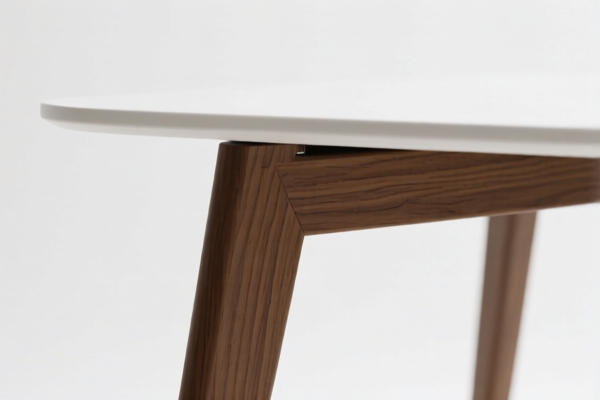
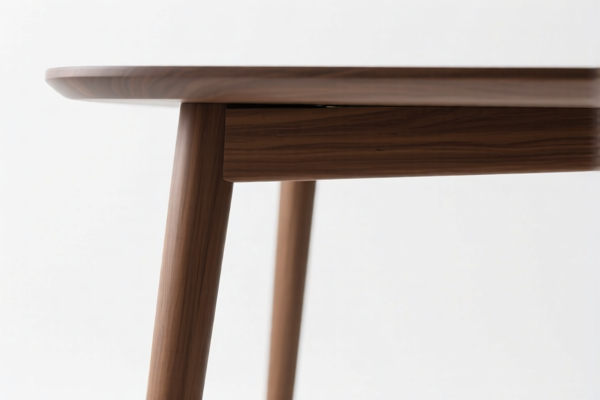
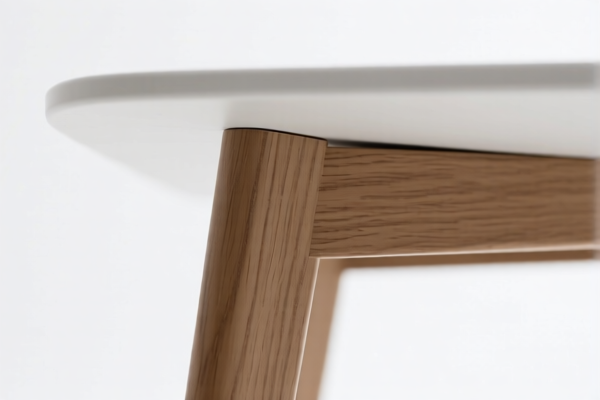
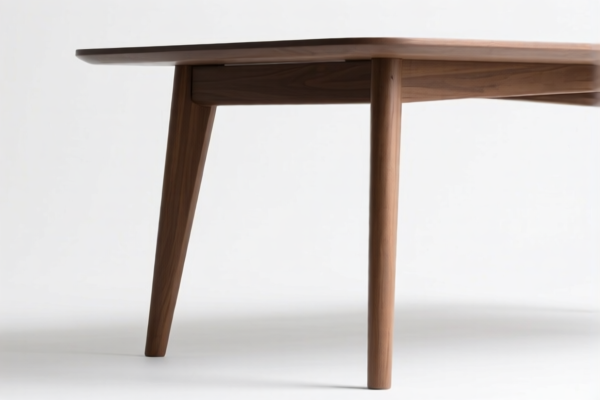
AI Analysis
🛑 Table Leg Extension (Furniture Hardware)
🌐 HS Code Reference & Customs Clearance Guide | 2026 Latest Tariff Analysis | Professional Clearance Strategy
📌 I. Product Definition & Classification: What Exactly is a "Table Leg Extension"?
Table Leg Extensions are hardware accessories used to adjust the height or stability of tables. In international trade, their classification is strictly determined by material composition. Misclassification here can lead to drastic tariff differences (from 22.8% to 87.9%) and customs delays.
Core Classification Logic: * Aluminum Alloy → Chapter 76 (Articles of Aluminum) * Iron/Steel → Chapter 73 (Articles of Iron or Steel) * Plastic → Chapter 39 (Articles of Plastics)
⚠️ Critical Distinction:
- If the extension is made of Aluminum, it is considered a furniture accessory under HS 7616.99.
- If the extension is made of Steel or Iron, it is considered a general metal article under HS 7326.90.
- If the extension is made of Plastic, it falls under HS 3926.30.
📦 II. HS Code Classification Details (2026 Latest Tariff Authority)
Based on the provided data, here are the specific HS Codes for Table Leg Extensions categorized by material:
| HS Code | Product Description | Material | Application Scenario |
|---|---|---|---|
7616.99.51.50 |
Aluminum Table Leg Extension | Aluminum | Furniture accessories made of aluminum; lightweight, corrosion-resistant. |
7326.90.86.88 |
Iron/Steel Table Leg Extension (General Metal) | Iron/Steel | Other articles of iron or steel; heavy-duty, structural support. |
7326.90.86.30 |
Metal Table Leg Extension (Support Type) | Iron/Steel | Support components within steel products; often used for industrial or heavy tables. |
3926.30.50.00 |
Plastic Table Leg Extension (General) | Plastic | Furniture connection/regulating accessories made of plastic; light-load, cost-effective. |
3926.30.10.00 |
Plastic Table Leg Extension (Furniture Utensil Class) | Plastic | Other plastic articles classified under furniture utensils; specific household use. |
🔍 Key Reminder:
- Material is King: Do not declare "Table Leg Extension" generically. You must specify the material (e.g., "Aluminum Table Leg Extension" vs. "Steel Table Leg Extension") in the commercial invoice.
- Steel vs. Aluminum: Steel items (7326) face significantly higher tariffs due to Section 301 and 1222 duties compared to Aluminum (7616).
💰 III. 2026 Latest Tariff Rate Breakdown (Including Surtaxes & Policy Surcharges)
✅ Applicable Country: United States (US)
✅ Origin: China (CN)
✅ Effective Time: Current tariffs apply based on the provided data structure.
🎯 1. 7616.99.51.50 — Aluminum Table Leg Extension
| Item | Content |
|---|---|
| Base Tariff | 2.5% |
| Surtax (Section 301) | +25.0% |
| 1222 Clause Tariff | +10.0% |
| Total Tariff Rate | 37.5% |
| Tax Calculation | CIF Value × 37.5% |
| De Minimis Exemption | ❌ Not Applicable (High tariff rates usually deny de minimis for China-origin goods in many contexts, though strictly speaking, de minimis is $800, but high tariffs make it risky for commercial shipments). |
| Legal Basis Path | Base: 2.5% → Surtax: 25.0% → 1222: 10.0% |
📌 Explanation:
- Aluminum furniture accessories have a moderate-high tariff burden of 37.5%.
- This is significantly lower than steel counterparts, making aluminum a preferred material for cost-effective export if volume allows.
🎯 2. 7326.90.86.88 — Iron/Steel Table Leg Extension (General)
| Item | Content |
|---|---|
| Base Tariff | 2.9% |
| Surtax (Section 301) | +25.0% |
| 1222 Clause Tariff | +10.0% |
| Steel/Aluminum/Copper Surtax | +50.0% (Note: The data indicates a 50% surtax for Steel products in addition to or instead of standard 301) |
| Total Tariff Rate | 87.9% |
| Tax Calculation | CIF Value × 87.9% |
| De Minimis Exemption | ❌ Not Applicable |
| Legal Basis Path | Base: 2.9% → Surtax: 25.0% → 1222: 10.0% → Special Steel Surcharge: 50% |
📌 Critical Warning:
- Steel items face a catastrophic tariff rate of 87.9%.
- The "Steel, Aluminum, Copper Surtax: 50%" mentioned in the data implies a specific penalty for steel products, pushing the total cost to nearly double the CIF value.
- Recommendation: Avoid shipping steel table leg extensions from China to the US unless the margin can absorb this cost.
🎯 3. 7326.90.86.30 — Metal/Table Leg Extension (Support Type)
| Item | Content |
|---|---|
| Base Tariff | 2.9% |
| Surtax (Section 301) | +25.0% |
| 1222 Clause Tariff | +10.0% |
| Steel/Aluminum/Copper Surtax | +50.0% |
| Total Tariff Rate | 87.9% |
| Tax Calculation | CIF Value × 87.9% |
| De Minimis Exemption | ❌ Not Applicable |
📌 Note:
- This code is for "Support components." It is treated identically to the general steel article (7326.90.86.88) in terms of tariff burden.
- Any product defined as "Steel Support" or "Steel Leg Extender" will fall into this 87.9% bracket.
🎯 4. 3926.30.50.00 — Plastic Table Leg Extension (General)
| Item | Content |
|---|---|
| Base Tariff | 5.3% |
| Surtax (Section 301) | +7.5% |
| 1222 Clause Tariff | +10.0% |
| Total Tariff Rate | 22.8% |
| Tax Calculation | CIF Value × 22.8% |
| De Minimis Exemption | ❌ Not Applicable (Standard commercial threshold applies) |
📌 Explanation:
- Plastic furniture accessories have the lowest tariff rate of 22.8%.
- The surtax for plastics (7.5%) is much lower than that for steel (25%/50%).
- Strategy: If design permits, switch to high-quality, durable plastics to reduce customs costs significantly.
🎯 5. 3926.30.10.00 — Plastic Table Leg Extension (Furniture Utensil Class)
| Item | Content |
|---|---|
| Base Tariff | 6.5% |
| Surtax (Section 301) | +7.5% |
| 1222 Clause Tariff | +10.0% |
| Total Tariff Rate | 24.0% |
| Tax Calculation | CIF Value × 24.0% |
| De Minimis Exemption | ❌ Not Applicable |
📌 Note:
- This is for "Furniture Utensil Class" plastics.
- Slightly higher than3926.30.50.00but still far more competitive than metal options.
🛠️ IV. Customs Clearance Practical Advice (Battle-Tested Pitfall Guide)
✅ 1. Preparation Checklist (Non-Negotiable)
| Document | Required? | Explanation |
|---|---|---|
| ✅ Product Specification Sheet | ✔️ | Must explicitly state Material (e.g., "Alloy 6061 Aluminum," "Carbon Steel," "ABS Plastic"). Vague terms like "Metal" are rejected. |
| ✅ Product Photos (Clear) | ✔️ | Must show cross-section or labeling indicating material. |
| ✅ Commercial Invoice | ✔️ | Description must match HS Code exactly (e.g., "Aluminum Table Leg Extension" not just "Furniture Part"). |
| ✅ Packing List | ✔️ | Weight and dimensions must match invoice. |
| ✅ Material Declaration Letter | ✔️ | A letter from the manufacturer confirming the exact alloy/component material to justify HS 76 vs 73 vs 39. |
✅ 2. Declaration Strategy (Key Mantras)
🔥 "Material Defines Code, Steel is Expensive, Plastic is Cheap, Aluminum is Middle!"
| Scenario | Correct HS Code | Risk/Error if Incorrect |
|---|---|---|
| Aluminum Extension | 7616.99.51.50 |
Declaring as Steel (7326) → 87.9% Tax (Overpayment). Declaring as Plastic (3926) → Customs Seizure for False Declaration. |
| Steel Extension | 7326.90.86.88 or .30 |
Declaring as Aluminum → High Fraud Risk, severe penalties. |
| Plastic Extension | 3926.30.50.00 or .10 |
Declaring as Metal → Higher tax (22-87% vs 22%). |
| Mixed Materials | Best Option: | If handle is plastic and rod is metal, declare based on the essential character (usually metal). |
✅ 3. Special Case Handling
| Situation | Handling Advice |
|---|---|
| OEM Custom Parts | Provide customer design drawings highlighting material specifications. |
| Kit Contents | If sold as a "Table Repair Kit" containing metal legs and plastic caps, declare the dominant material (usually metal) or split if possible (but risky). |
| Transshipment | Do not try to transship steel parts through Vietnam/Malaysia to avoid tariffs. US Customs checks origin rigorously. |
🌍 V. Global Market Comparison (2026 Outlook)
| Country/Region | Recommended HS Code | Est. Tariff (China Origin) | Notes |
|---|---|---|---|
| 🇺🇸 USA | 7616.99.51.50 (Al) |
37.5% | High surtaxes on Steel (87.9%). Plastic is cheapest (22.8%). |
| 🇨🇳 China | 7616.99.51.50 |
Low (Import Duty) | China exports these, so domestic consumption has different rates. |
| 🇪🇺 EU | Various | Lower | EU generally has lower base tariffs for furniture parts, but check for anti-dumping on steel. |
| 🇬🇧 UK | Various | Post-Brexit Rules | Similar to EU but with UK-specific rules of origin. |
📌 Conclusion:
- USA is the most hostile market for Steel Furniture Parts due to the 50% special surtax.
- Plastic is the most tariff-efficient material for the US market (22.8-24.0%).
- Aluminum is a viable middle-ground (37.5%) but still significantly taxed.
📌 VI. Common Mistakes & Pitfalls (Lessons from Tears)
❌ Mistake 1: Declaring "Furniture Part" without specifying material.
👉 Consequence: Customs will assign a generic high-rate code (often 25%+) or hold the shipment for 30 days for classification review.
❌ Mistake 2: Calling Steel parts "Metal" to confuse customs.
👉 Consequence: If inspected and found to be steel, you face penalties + back-tariffs. Steel is 87.9% vs Plastic 22.8%. The difference is huge.
❌ Mistake 3: Ignoring the "1222 Clause."
👉 Consequence: Forgetting to add the 10% 1222 tariff in your cost calculation leads to unexpected cash flow issues upon arrival.
✅ Correct Practice:
"Aluminum Alloy Table Leg Extension, Model X, 500g, for Furniture Use" "Steel Table Leg Extension, Model Y, 1kg, Heavy Duty"
🎯 VII. Conclusion: Precision Classification Saves Money!
🎯 Remember the Mantra:
🔹 "Steel: 87.9% (Avoid!), Aluminum: 37.5% (Moderate), Plastic: 22.8% (Best Cost)."
🔹 "Material Specification is Mandatory. Vague Descriptions = Delays."
📌 Pro Tip:
If your product can be redesigned to use High-Impact Plastic instead of Steel or Aluminum for non-load-bearing parts, you can save up to 65% in tariffs.
Consider Advance Ruling (APA) from US Customs if your product mix is complex (e.g., plastic housing with steel core) to get a binding decision before shipping.
📣 Immediate Action:
📞 Consult a Customs Broker with material specifications ready.
🚀 Optimize Bill of Lading to include precise material descriptions.
💰 Calculate Landed Cost using the 37.5% (Al) or 22.8% (Pl) rates, NOT generic estimates.
✨ Professional Clearance Starts with Accurate Classification!
💼 Your Profit Margin Depends on Correct Tariff Codes!
Customer Reviews
About HS Code Classification
The Harmonized System (HS) is an internationally standardized nomenclature developed by the World Customs Organization (WCO) to classify traded products. Over 200 countries use the HS system as the basis for customs tariffs, trade statistics, and import/export regulations.
Each HS code follows a hierarchical structure:
- Chapter (2 digits) — Broad category of goods (e.g., Chapter 84: Machinery and Mechanical Appliances)
- Heading (4 digits) — More specific grouping within the chapter
- Subheading (6 digits) — Internationally standardized breakdown, used by all WCO member countries
- National subdivisions (8-10 digits) — Country-specific extensions for further classification, such as US HTSUS 10-digit codes
Correct HS code classification is essential for smooth customs clearance, accurate duty payment, and compliance with trade regulations. Misclassification can lead to customs delays, overpayment of duties, or penalties.
When importing from CN to US, the applicable tariff rates may include:
- Most-Favored-Nation (MFN) rate — The standard duty rate applied to WTO members
- General rate — Applied to countries without trade agreements
- Trade remedy duties — Additional tariffs such as Section 301 (anti-dumping), Section 232 (national security), or countervailing duties
The information provided on this page is for reference purposes only. For official classification, please consult with your local customs authority or a licensed customs broker.