Table Legs
CN → US| HS Code | Tariff Rate | Origin | Destination | Doc |
|---|---|---|---|---|
| 9403910080 | 35.0% | CN | US | Official Doc |
| 9403999045 | 85.0% | CN | US | Official Doc |
| 9403200050 | 85.0% | CN | US | Official Doc |
| 7616995170 | 37.5% | CN | US | Official Doc |
| 7326908688 | 87.9% | CN | US | Official Doc |
Product Images
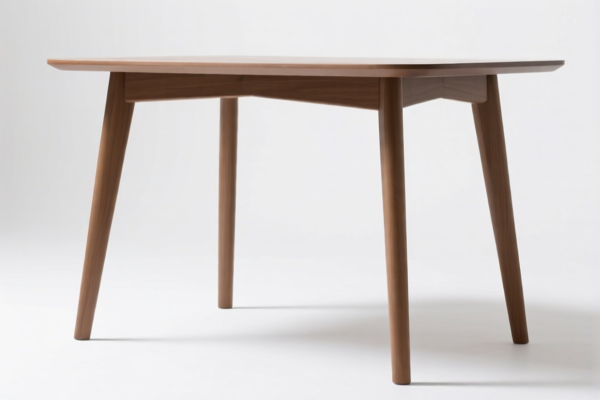
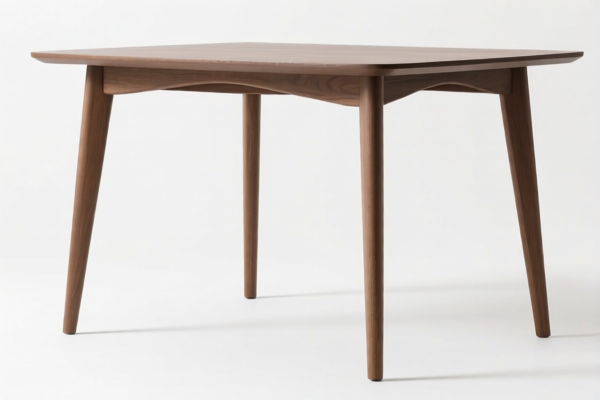
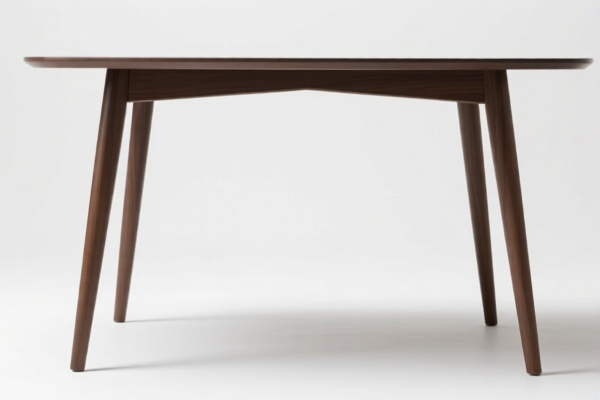
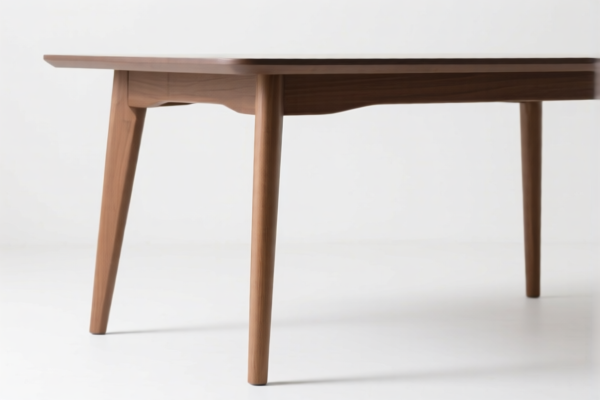
AI Analysis
🪑 Table Legs (Furniture Components)
🌐 HS Code Reference & Clearance Guide | 2026 Latest Tariff Analysis | Professional Clearance Strategy
📌 I. Product Definition & Classification: Do You Really Understand "Table Legs"?
Table legs are the structural support components of tables, critical in furniture manufacturing. In international trade, their classification depends heavily on material composition and functional integration (whether they are sold as standalone parts or as part of a complete furniture unit).
Key Distinction:
- Standalone Parts: Sold separately for assembly (e.g., metal pipes, wooden dowels) → Classified as "Parts of Furniture" or Raw Materials/Components.
- Integrated Components: If the leg is structurally integral to a metal/wooden furniture piece and sold with it → Classified under "Furniture" itself.
⚠️ Critical Note:
- Misclassification between "Parts of Furniture" (9403) and "Metal/Aluminum Products" (73/76) can lead to massive tariff discrepancies (up to 52.9% difference).
- US Importers: Pay attention to Section 301 and Section 122 tariffs, which significantly impact Chinese-origin goods.
📦 II. HS Code Classification Details (2026 Latest Tariff Authority)
Based on the provided data, here are the 5 possible HS Codes for Table Legs, categorized by material and classification logic:
| HS Code | Product Description | Classification Logic | Total Tax Rate |
|---|---|---|---|
9403.91.00.80 |
Parts of wooden furniture | Table legs classified as "Other furniture parts" (generic wood/part classification) | 35.0% |
9403.99.90.45 |
Parts of other furniture (Metal) | Classified as "Other metal furniture parts" | 85.0% |
9403.20.00.50 |
Metal furniture (Metal legs) | Classified under "Metal furniture" category (legs considered integral part of metal furniture) | 85.0% |
7616.99.51.70 |
Other aluminum articles | Table legs inferred as Aluminum-made, classified as other aluminum products/forgings | 37.5% |
7326.90.86.88 |
Other articles of iron/steel | Table legs inferred as Iron/Steel-made, classified as other articles of iron/steel | 87.9% |
🔍 Key Insight:
- Wooden/Generic Parts: Lowest risk (35%), but limited applicability.
- Metal Furniture Parts (9403): High tax (85%) due to Section 301/122叠加.
- Aluminum Products (7616): Moderate tax (37.5%), often a strategic alternative if material allows.
- Iron/Steel Products (7326): Highest tax (87.9%) due to heavy steel tariffs.
💰 III. Detailed Tariff Breakdown (2026 Latest Rates)
✅ Applicable Country: United States (US)
✅ Origin: China (CN)
✅ Effective Date: Ongoing (post-2025 policy adjustments)
🎯 1. 9403.91.00.80 — Furniture Parts (Wooden/Generic)
| Item | Detail |
|---|---|
| Base Duty | 0.0% |
| Section 301 Tariff | +25.0% |
| Section 122 Tariff | +10.0% |
| Total Rate | 35.0% |
| Calculation | CIF Value × 35% |
| De Minimis Exemption? | ❌ No (Section 301/122 goods are excluded) |
| Legal Path | USITC:9403.91.00.80 → FOOTNOTE:301 → FOOTNOTE:122 |
📌 Explanation:
- This is the most favorable classification among the options provided.
- Combines 25% (301) + 10% (122) on top of 0% base.
- Applies when legs are considered parts of furniture rather than standalone metal/aluminum products.
🎯 2. 9403.99.90.45 — Other Furniture Parts (Metal)
| Item | Detail |
|---|---|
| Base Duty | 0.0% |
| Section 301 Tariff | +25.0% |
| Section 122 Tariff | +10.0% |
| Steel/Al/Cu Surcharge | +50.0% |
| Total Rate | 85.0% |
| Calculation | CIF Value × 85% |
| De Minimis Exemption? | ❌ No |
| Legal Path | USITC:9403.99.90.45 → FOOTNOTE:301 → FOOTNOTE:122 → Steel/Al/Cu Surcharge |
📌 Explanation:
- Extremely High Tax (85%).
- Applies to metal furniture parts where steel/aluminum/copper surcharges are triggered.
- Avoid this classification unless absolutely necessary; it makes US importation uneconomical for Chinese-origin legs.
🎯 3. 9403.20.00.50 — Metal Furniture
| Item | Detail |
|---|---|
| Base Duty | 0.0% |
| Section 301 Tariff | +25.0% |
| Section 122 Tariff | +10.0% |
| Steel/Al/Cu Surcharge | +50.0% |
| Total Rate | 85.0% |
| Calculation | CIF Value × 85% |
| De Minimis Exemption? | ❌ No |
| Legal Path | USITC:9403.20.00.50 → FOOTNOTE:301 → FOOTNOTE:122 → Steel/Al/Cu Surcharge |
📌 Explanation:
- Same as above: 85% total tax.
- If legs are classified as part of metal furniture (not just parts), the same punitive tariffs apply.
- No benefit to classifying as "furniture" vs. "parts" when steel/aluminum surcharges are active.
🎯 4. 7616.99.51.70 — Other Aluminum Articles
| Item | Detail |
|---|---|
| Base Duty | 2.5% |
| Section 301 Tariff | +25.0% |
| Section 122 Tariff | +10.0% |
| Total Rate | 37.5% |
| Calculation | CIF Value × 37.5% |
| De Minimis Exemption? | ❌ No |
| Legal Path | USITC:7616.99.51.70 → FOOTNOTE:301 → FOOTNOTE:122 |
📌 Explanation:
- Moderate Tax (37.5%).
- If table legs are made of aluminum, this classification avoids the 50% steel/aluminum surcharge that applies to9403codes.
- Strategic Advantage: Only 2.5% base + 35% additives = 37.5%, significantly cheaper than 85%.
- Prerequisite: Must be genuinely aluminum. Misclassification risks penalties.
🎯 5. 7326.90.86.88 — Other Iron/Steel Articles
| Item | Detail |
|---|---|
| Base Duty | 2.9% |
| Section 301 Tariff | +25.0% |
| Section 122 Tariff | +10.0% |
| Steel/Al/Cu Surcharge | +50.0% |
| Total Rate | 87.9% |
| Calculation | CIF Value × 87.9% |
| De Minimis Exemption? | ❌ No |
| Legal Path | USITC:7326.90.86.88 → FOOTNOTE:301 → FOOTNOTE:122 → Steel/Al/Cu Surcharge |
📌 Explanation:
- Highest Tax (87.9%).
- Applies to steel/iron table legs.
- The 50% steel surcharge pushes the total cost prohibitively high.
- Avoid if possible; consider material substitution (e.g., aluminum or wood) or different classification.
🛠️ IV. Practical Clearance Advice (Pitfall Avoidance Guide)
✅ 1. Document Checklist (Mandatory)
| Document | Required? | Notes |
|---|---|---|
| ✅ Product Specification Sheet | ✔️ | Must specify material (Aluminum, Steel, Wood, etc.), dimensions, weight |
| ✅ Material Certificate | ✔️ | Proof of aluminum/steel composition (critical for 7616 vs 7326 classification) |
| ✅ Product Photos (Clear) | ✔️ | Show leg shape, connection points, branding, model number |
| ✅ Commercial Invoice | ✔️ | Describe as "Table Leg – Aluminum Alloy" or "Furniture Part – Wood", not generic "Metal Pipe" |
| ✅ Packing List | ✔️ | Indicate if legs are packaged separately or with table tops |
| ✅ Country of Origin Certificate | ✔️ | Confirm CN origin to apply correct Section 301/122 rates |
✅ 2. Declaration Strategy (Key Tips)
🔥 “Material Dictates Code, Code Dictates Cost!”
| Scenario | Recommended HS Code | Tax Rate | Why? |
|---|---|---|---|
| Aluminum Legs | 7616.99.51.70 |
37.5% | Best rate for metal legs; avoids 50% steel surcharge |
| Wooden/Generic Parts | 9403.91.00.80 |
35.0% | Lowest tax; applicable if legs are wood or generic parts |
| Steel Legs | 7326.90.86.88 |
87.9% | Worst rate; avoid if possible; consider material change |
| Metal Furniture Parts | 9403.99.90.45 |
85.0% | High tax due to surcharges; do not use unless no other option |
| Metal Furniture (Integrated) | 9403.20.00.50 |
85.0% | Same as above; no benefit over parts classification |
⚠️ Critical Warning:
- Do NOT misdeclare aluminum legs as "iron/steel" to avoid Section 301 tariffs. Customs will test material composition. Penalties include fines, seizure, and blacklisting.
- Do NOT declare steel legs as "aluminum" unless they are genuinely aluminum.
✅ 3. Special Case Handling
| Situation | Recommendation |
|---|---|
| Mixed Material Legs (e.g., steel pipe + aluminum cap) | Classify based on essential character or value. Consult a customs broker. |
| OEM Custom Legs | Provide detailed drawings + material specs. Ensure description matches HS Code. |
| Legs Sold with Table Top | If sold as a set, the complete table may be classified as furniture (87.11/9403). Check if total tax is lower. |
| Raw Aluminum Extrusions | If legs are unfinished extrusions, consider 7604 (Aluminum bars/profiles) for lower base duty, but still subject to Section 301/122. |
🌍 V. Global Market Comparison (2026 Latest)
| Country/Region | Recommended HS Code | Approx. Tax Rate | Notes |
|---|---|---|---|
| 🇺🇸 USA | 7616.99.51.70 (Al) |
37.5% | Section 301 + 122 apply. Best for Al. |
| 🇺🇸 USA | 7326.90.86.88 (Steel) |
87.9% | Avoid. Highest punitive tariffs. |
| 🇨🇳 China | 7616.99.51.70 |
2.5% | Low import duty. No Section 301/122. |
| 🇪🇺 EU | 7616.99.51.70 |
Varies (0-10%) | No Section 301/122. Depends on EU tariff schedule. |
| 🇬🇧 UK | 7616.99.51.70 |
Varies (0-10%) | Post-Brexit tariffs apply. No US-style surcharges. |
📌 Conclusion:
- USA is the most punitive market due to Section 301 and 122 tariffs.
- Aluminum (7616) is the most tariff-efficient metal classification for table legs in the US.
- Steel (7326) is the most expensive; consider material substitution or alternative markets.
📌 VI. Common Mistakes & Pitfalls (Lessons Learned)
❌ Mistake 1: Declaring Steel Legs as "Furniture Parts" (9403)
👉 Result: Still taxed at 85% due to steel surcharges. No savings.
❌ Mistake 2: Declaring Aluminum Legs as "Steel" (7326)
👉 Result: 87.9% tax instead of 37.5%. Huge cost increase.
❌ Mistake 3: Not providing Material Certificates
👉 Result: Customs may test and reclassify, leading to delays, back-taxes, and penalties.
❌ Mistake 4: Using Generic Description "Metal Pipe"
👉 Result: Ambiguity leads to arbitrary classification. Always specify "Aluminum Alloy Table Leg" or "Steel Furniture Component".
✅ Best Practice:
“Aluminum Alloy Table Leg, Model XYZ, Powder Coated, 24” Height, OEM for [Client Name]”
🎯 VII. Conclusion: Precise Classification Saves Money!
🎯 Remember the Golden Rule:
🔹 “Aluminum Legs: Go with 7616 (37.5%)”
🔹 “Steel Legs: Avoid if possible (87.9%)”
🔹 “Wooden Parts: Use 9403.91 (35%)”
🔹 “Never Misdeclare Material – It’s Fraud!”
📌 Pro Tip:
If you are exporting aluminum table legs to the US, use HS Code 7616.99.51.70 to save ~50% in tariffs compared to steel or generic furniture part classifications.
For steel legs, consider re-engineering using aluminum or exploring third-country sourcing (e.g., Vietnam, Mexico) to bypass Section 301 tariffs.
📣 Immediate Action:
📞 Contact a licensed customs broker to pre-classify your specific table leg design.
📄 Prepare material certificates and product specifications before shipment.
🚀 Optimize your supply chain to minimize tariff impact!
✨ Professional clearance starts with accurate classification!
💼 Every percentage point saved is profit earned!
Customer Reviews
About HS Code Classification
The Harmonized System (HS) is an internationally standardized nomenclature developed by the World Customs Organization (WCO) to classify traded products. Over 200 countries use the HS system as the basis for customs tariffs, trade statistics, and import/export regulations.
Each HS code follows a hierarchical structure:
- Chapter (2 digits) — Broad category of goods (e.g., Chapter 84: Machinery and Mechanical Appliances)
- Heading (4 digits) — More specific grouping within the chapter
- Subheading (6 digits) — Internationally standardized breakdown, used by all WCO member countries
- National subdivisions (8-10 digits) — Country-specific extensions for further classification, such as US HTSUS 10-digit codes
Correct HS code classification is essential for smooth customs clearance, accurate duty payment, and compliance with trade regulations. Misclassification can lead to customs delays, overpayment of duties, or penalties.
When importing from CN to US, the applicable tariff rates may include:
- Most-Favored-Nation (MFN) rate — The standard duty rate applied to WTO members
- General rate — Applied to countries without trade agreements
- Trade remedy duties — Additional tariffs such as Section 301 (anti-dumping), Section 232 (national security), or countervailing duties
The information provided on this page is for reference purposes only. For official classification, please consult with your local customs authority or a licensed customs broker.