Tableware Accessories
CN → US| HS Code | Tariff Rate | Origin | Destination | Doc |
|---|---|---|---|---|
| 6911900010 | 22.9% | CN | US | Official Doc |
| 3924104000 | 13.4% | CN | US | Official Doc |
| 6911900050 | 22.9% | CN | US | Official Doc |
| 7013994001 | 48.0% | CN | US | Official Doc |
| 7013995090 | 40.0% | CN | US | Official Doc |
Product Images
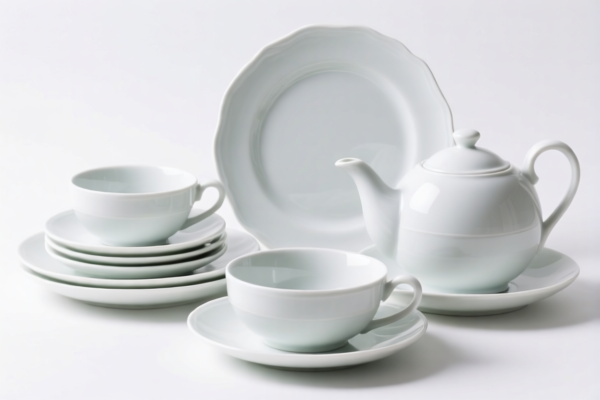
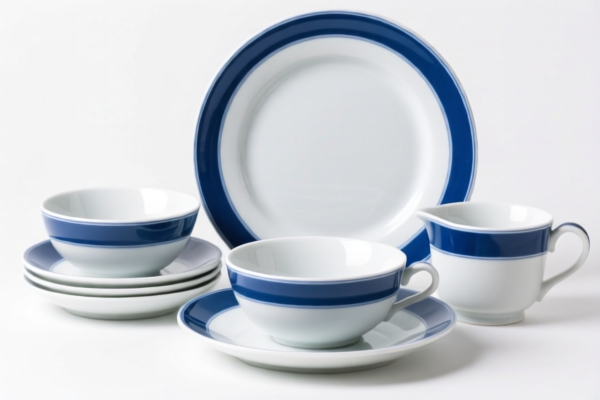
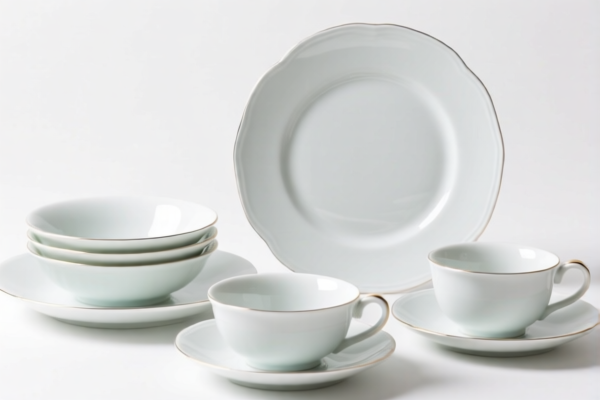
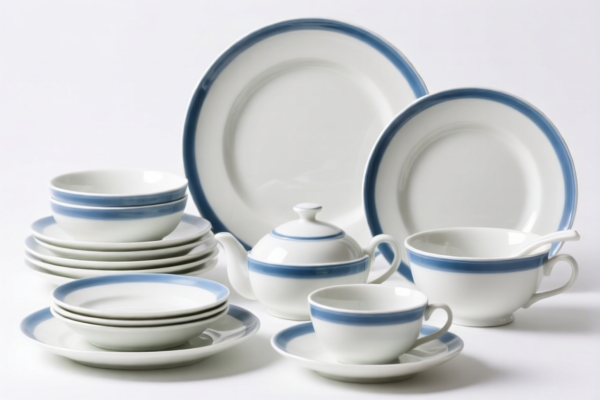
AI Analysis
🍽️ Tableware Accessories (Classification & Tariff Guide)
🌐 HS Code Reference & Customs Clearance Guide | 2024 Latest Tariff Analysis | Professional Clearance Strategy
📌 I. Product Definition & Classification: Do You Really Understand "Tableware Accessories"?
Tableware accessories refer to the non-edible parts, attachments, or supplementary items used with dining utensils. In international trade, they are often ambiguous because they can be made of various materials (ceramic, glass, plastic, metal) and serve different functions. The key to correct classification lies in material and function.
⚠️ Key Distinction:
- Ceramic/Glass/Plastic Tableware Parts: Usually classified under their respective material chapters (Ch. 69, Ch. 70, Ch. 39).
- Metal Accessories: Often fall under Ch. 73 (Iron/Steel) or Ch. 74/75/76/78/80/81 (other metals).
- General "Accessories" Logic: If the accessory is specifically designed for a certain type of tableware (e.g., a ceramic cup lid), it may fall under the "other" or "parts" subheadings of that material chapter.
📦 II. HS Code Classification Details (Based on Provided Data)
Below are the five specific HS Codes derived from the provided data, along with their tax details. These codes cover ceramic, plastic, and glass tableware accessories, all subject to significant additional tariffs when imported into the US from China.
| HS Code | Product Description | Material Inference | Tax Rate (Total) | Tax Breakdown |
|---|---|---|---|---|
6911.90.00.10 |
Ceramic Tableware Accessories (Other) | Ceramic | 22.9% | Base: 5.4% + Section 301: 7.5% + Section 122: 10% |
3924.10.40.00 |
Plastic Tableware Accessories (Other) | Plastic | 13.4% | Base: 3.4% + Section 301: 0.0% + Section 122: 10% |
6911.90.00.50 |
Ceramic Tableware Accessories (Other) | Ceramic | 22.9% | Base: 5.4% + Section 301: 7.5% + Section 122: 10% |
7013.99.40.01 |
Glass Tableware Accessories (Other) | Glass | 48.0% | Base: 38.0% + Section 301: 0.0% + Section 122: 10% |
7013.99.50.90 |
Glass Tableware Accessories (Other) | Glass | 40.0% | Base: 30.0% + Section 301: 0.0% + Section 122: 10% |
🔍 Note on Material Inference:
- The data explicitly infers materials: Ceramic for Ch. 69, Plastic for Ch. 39, and Glass for Ch. 70.
- Critical Warning: Misidentifying the material can lead to massive duty discrepancies (e.g., confusing Glass at 48% with Plastic at 13.4%).
💰 III. Detailed Tariff Rate Explanation (2024 Latest)
✅ Applicable Country: United States (US)
✅ Origin: China (CN)
✅ Effective Date: Current rates as per provided data (includes Section 122 & 301 implications)
🎯 1. 6911.90.00.10 & 6911.90.00.50 – Ceramic Tableware Accessories
| Item | Content |
|---|---|
| Product Type | Ceramic parts/accessories for cups/tableware |
| Base Duty | 5.4% (ad valorem) |
| Section 301 Duty | +7.5% (25% list, but data shows 7.5% effective rate applied) |
| Section 122 Duty | +10% (Under 19 U.S.C. § 1677j) |
| Total Duty | 22.9% |
| Calculation | CIF Value × 22.9% |
| De Minimis Exemption | ❌ Not Eligible (Deny de minimis for Section 301/122 goods) |
📌 Explanation:
- Ceramic tableware is generally classified under Ch. 69. The "90" subheading refers to "Other."
- The 22.9% total includes a base rate, a Section 301 surcharge, and a Section 122 surcharge.
- Section 122 (19 U.S.C. § 1677j) allows for higher duties on certain imported goods, often applied to circumvented trade or specific strategic items.
🎯 2. 3924.10.40.00 – Plastic Tableware Accessories
| Item | Content |
|---|---|
| Product Type | Plastic parts/accessories for tableware |
| Base Duty | 3.4% (ad valorem) |
| Section 301 Duty | 0.0% (Data shows 0.0% for this specific code) |
| Section 122 Duty | +10% |
| Total Duty | 13.4% |
| Calculation | CIF Value × 13.4% |
| De Minimis Exemption | ❌ Not Eligible (Due to Section 122) |
📌 Explanation:
- Plastic tableware falls under Ch. 39, heading 3924 ("Tableware, kitchenware... of plastics").
- Notably, this code shows 0% Section 301 duty in the provided data, which is lower than other plastic codes. However, the 10% Section 122 duty still applies, bringing the total to 13.4%.
🎯 3. 7013.99.40.01 & 7013.99.50.90 – Glass Tableware Accessories
| Item | Content |
|---|---|
| Product Type | Glass parts/accessories for tableware |
| Base Duty | 38.0% (40.01) or 30.0% (50.90) |
| Section 301 Duty | 0.0% |
| Section 122 Duty | +10% |
| Total Duty | 48.0% (40.01) or 40.0% (50.90) |
| Calculation | CIF Value × 48% or 40% |
| De Minimis Exemption | ❌ Not Eligible |
📌 Explanation:
- Glass tableware is classified under Ch. 70, heading 7013.
- The 48.0% and 40.0% rates are exceptionally high, driven primarily by the base duty (38% or 30%).
- Even with 0% Section 301, the base tariff alone is punitive. These codes are for "Other" glass tableware not elsewhere specified.
🛠️ IV. Customs Clearance Practical Advice (Risk Mitigation)
✅ 1. Essential Documentation Checklist
| Document | Required | Purpose |
|---|---|---|
| ✅ Product Specifications | ✔️ | Must clearly state material (Ceramic, Plastic, Glass), usage (Tableware Accessory), and component details. |
| ✅ Material Composition Certificate | ✔️ | Critical for distinguishing between Ch. 39, 69, and 70. Misclassification leads to huge duty differences. |
| ✅ Product Photos (Clear) | ✔️ | Show the item in context (e.g., part of a cup set) to prove it is an "accessory" rather than a complete set. |
| ✅ Commercial Invoice | ✔️ | Must accurately describe the item using the correct HS Code and mention "Tableware Accessory." |
| ✅ Packing List | ✔️ | Detail weights and dimensions. Ensure no "complete sets" are implied if claiming accessory status. |
| ✅ Origin Certificate (CO) | ✔️ | Confirm China origin to assess Section 301/122 applicability. |
✅ 2. Declaration Tips (Critical Keywords)
🔥 “Material First, Function Second: Be Precise or Pay the Price!”
| Scenario | Correct Declaration | Incorrect Declaration | Consequence |
|---|---|---|---|
| Ceramic Lid/Cup Holder | "Ceramic Accessory for Tableware, Model X" | "Ceramic Cup" or "Household Ceramic Item" | May be misclassified as complete tableware (different duty) or rejected. |
| Plastic Grip/Part | "Plastic Tableware Accessory, Part of Cup" | "Plastic Household Item" | Could fall under generic plastic goods with different rates. |
| Glass Stem/Part | "Glass Accessory for Tableware" | "Glassware" | Risk of being classified as complete glassware, which may have different base rates. |
| Mixed Material Set | Split declaration by material | "Tableware Set" | Complex classification; likely to attract higher scrutiny and potential errors. |
✅ 3. Special Handling Cases
| Scenario | Recommendation |
|---|---|
| OEM Custom Parts | Provide customer design specs to prove it is a "part/accessory" and not a standalone product. |
| Section 122 Scrutiny | Since all provided codes include a 10% Section 122 duty, ensure your entry is fully compliant with all labeling and origin requirements to avoid penalties. |
| Glass vs. Ceramic Confusion | Do not confuse 6911 (Ceramic) with 7013 (Glass). A visual check of the material is mandatory. |
| De Minimis Loophole | ❌ Do Not Rely on Section 321 (De Minimis) for these items. The provided data indicates these are subject to Section 122, which typically denies de minimis treatment. Ship via formal entry. |
🌍 V. Global Market Comparison (2024 Overview)
| Country/Region | Recommended HS Code (Example) | Base Duty | Additional Tariffs (China) | Notes |
|---|---|---|---|---|
| 🇺🇸 USA | 6911.90.00.10 (Ceramic) |
5.4% | +22.9% Total | Includes Section 301 & 122. Very high barrier. |
| 🇺🇸 USA | 3924.10.40.00 (Plastic) |
3.4% | +13.4% Total | Lowest of the group, but still significant. |
| 🇺🇸 USA | 7013.99.40.01 (Glass) |
38.0% | +48.0% Total | Extremely high base duty. |
| 🇨🇳 China | Same Codes | 0%-13% | None | Export market favors low duties. |
| 🇪🇺 EU | Varied (Ch. 69/70/39) | 0%-6.5% | None (Usually) | No Section 301/122 equivalent. More favorable. |
📌 Conclusion:
- USA imposes the highest barriers due to Section 122 and 301 tariffs.
- Glass accessories are the most expensive to import into the US (up to 48%).
- Plastic accessories are the most cost-effective among the provided options (13.4%).
📌 VI. Common Mistakes & Pitfalls (Lessons Learned)
❌ Mistake 1: Assuming "Tableware Accessories" are all one HS Code.
👉 Result: Classification error. Ceramic, Plastic, and Glass have completely different codes and rates.
Fix: Always identify the primary material.
❌ Mistake 2: Ignoring Section 122 Duty.
👉 Result: Unexpected 10% charge at customs.
Fix: Budget for the full 22.9% or 48% rate, not just the base duty.
❌ Mistake 3: Trying to use De Minimis for these goods.
👉 Result: Package held, delayed, or seized because Section 122 goods are often excluded from Section 321.
Fix: Use formal customs entry.
❌ Mistake 4: Vague Description on Invoice.
👉 Result: Customs officer guesses the material, often leading to the highest applicable rate.
Fix: Be explicit: "Ceramic Cup Lid, Accessory Only."
✅ Correct Approach:
"Tableware Accessory, Ceramic, Part of Cup Set, Not for Resale as Complete Set, Made in China, HS 6911.90.00.10"
🎯 VII. Conclusion: Precision Classification Saves Money
🎯 Remember the Golden Rule:
🔹 "Material Determines Code, Code Determines Cost."
🔹 "Glass is Expensive (48%), Plastic is Cheaper (13.4%), Ceramic is Middle (22.9%)."
🔹 "Never guess the material; always certify it."
📌 Pro Tip:
If you are importing large volumes, consider Advanced Ruling (Ruling Letter) from US Customs and Border Protection (CBP) to confirm the HS Code and duty rate before shipment. This provides legal certainty and protects against retroactive penalties.
📣 Immediate Action:
📞 Contact a Licensed Customs Broker
📄 Provide Material Certificates & Product Photos
🚀 Apply for Pre-Ruling if Volume is High
✨ Professional Clearance Starts with Accurate Classification!
💼 Your Profit Margin Depends on Your HS Code!
Customer Reviews
About HS Code Classification
The Harmonized System (HS) is an internationally standardized nomenclature developed by the World Customs Organization (WCO) to classify traded products. Over 200 countries use the HS system as the basis for customs tariffs, trade statistics, and import/export regulations.
Each HS code follows a hierarchical structure:
- Chapter (2 digits) — Broad category of goods (e.g., Chapter 84: Machinery and Mechanical Appliances)
- Heading (4 digits) — More specific grouping within the chapter
- Subheading (6 digits) — Internationally standardized breakdown, used by all WCO member countries
- National subdivisions (8-10 digits) — Country-specific extensions for further classification, such as US HTSUS 10-digit codes
Correct HS code classification is essential for smooth customs clearance, accurate duty payment, and compliance with trade regulations. Misclassification can lead to customs delays, overpayment of duties, or penalties.
When importing from CN to US, the applicable tariff rates may include:
- Most-Favored-Nation (MFN) rate — The standard duty rate applied to WTO members
- General rate — Applied to countries without trade agreements
- Trade remedy duties — Additional tariffs such as Section 301 (anti-dumping), Section 232 (national security), or countervailing duties
The information provided on this page is for reference purposes only. For official classification, please consult with your local customs authority or a licensed customs broker.