Tableware Disinfectant
CN → US| HS Code | Tariff Rate | Origin | Destination | Doc |
|---|---|---|---|---|
| 3924104000 | 13.4% | CN | US | Official Doc |
| 3924102000 | 24.0% | CN | US | Official Doc |
| 6911101000 | 42.5% | CN | US | Official Doc |
| 6911108010 | 38.3% | CN | US | Official Doc |
| 6912004810 | 19.8% | CN | US | Official Doc |
Product Images
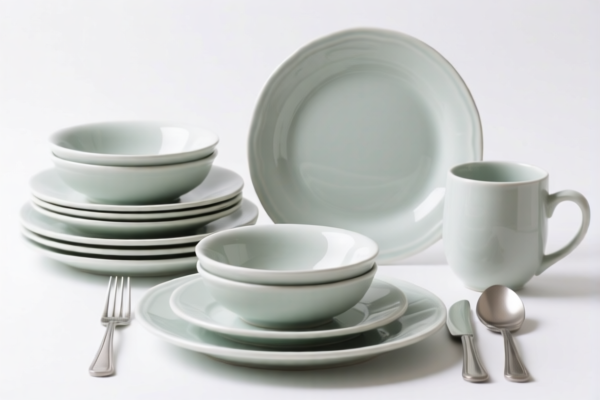
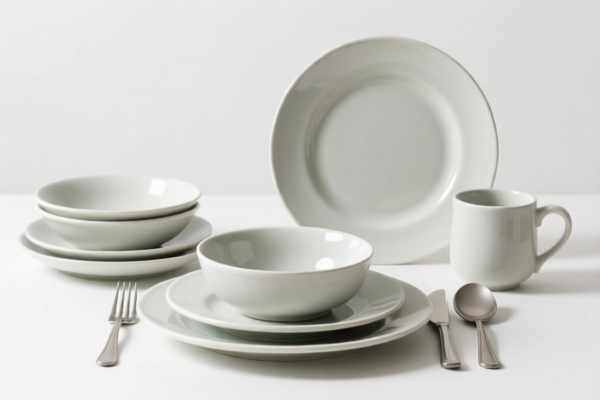
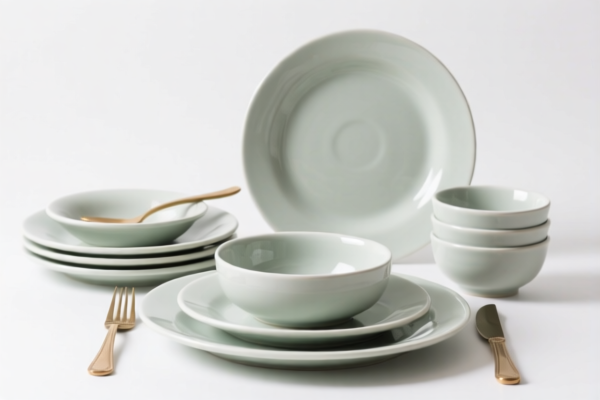
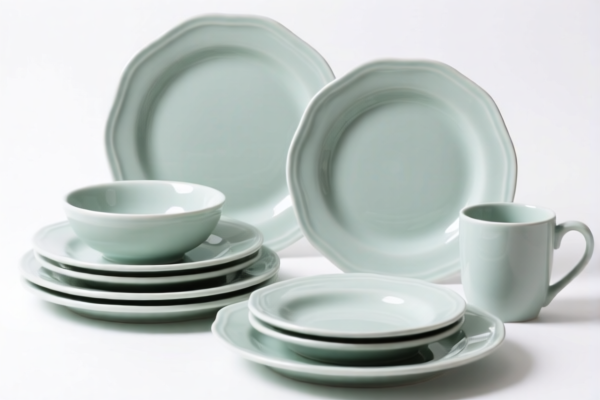
AI Analysis
🍽️ Tableware Disinfectant: HS Code Classification & US Customs Clearance Guide (2026 Edition)
🌐 HS Code Reference & Clearance Strategy | Latest Tariff Analysis for Chinese Exports to the US | Cost-Saving Strategies
📌 I. Product Definition & Classification: Is It Plastic, Porcelain, or Ceramic?
Tableware disinfectant (or tableware cleaning products like dishwashers/cleaning agents) is a broad category. In international trade, the classification depends heavily on material and intended use. Based on common commercial scenarios, we analyze the most likely HS Codes for Chinese-origin goods exported to the United States.
⚠️ Key Distinction Point:
- If the product is plastic tableware (e.g., disposable bowls, cups, cutlery):归入 Chapter 39.
- If the product is ceramic/porcelain tableware (e.g., dinner plates, bowls):归入 Chapter 69.
- If the product is dishwashing liquid/disinfectant spray: Usually Chapter 38 or 34 (Not covered in the provided<DATA>).
- Note: The provided<DATA>focuses on physical tableware items (plastic, ceramic) rather than liquid disinfectants. We will analyze the physical tableware options as per the data.
📦 II. HS Code Classification Details (2026 Latest Tariff Comparison)
Based on the provided <DATA>, here are the 5 potential HS Codes for tableware, ranked by total tax burden.
| HS Code | Material/Description | Application Scenario | Total Tax Rate (US/China) | Key Tax Components |
|---|---|---|---|---|
3924.10.40.00 |
Plastic Tableware | Everyday use, disposable items, children’s ware | 13.4% | Base: 3.4% + 122-Clause: 10% |
6912.00.48.10 |
Ceramic Tableware | Home dining, restaurant service ware | 19.8% | Base: 9.8% + 122-Clause: 10% |
6911.10.80.10 |
Porcelain/Metal/Plastic | Hotel/Restaurant ware, mixed materials | 38.3% | Base: 20.8% + Add-on: 7.5% + 122-Clause: 10% |
3924.10.20.00 |
Plastic Tableware (Kitchen) | Kitchen utensils, specific plastic ware | 24.0% | Base: 6.5% + Add-on: 7.5% + 122-Clause: 10% |
6911.10.10.00 |
Porcelain/Ceramic | High-end hotel/restaurant porcelain | 42.5% | Base: 25.0% + Add-on: 7.5% + 122-Clause: 10% |
🔍 Critical Insight:
- Plastic tableware (3924.10.40.00) has the lowest total tax (13.4%).
- Porcelain tableware (6911.10.10.00) has the highest total tax (42.5%).
- All items are subject to the "122-Clause" 10% tariff (Section 301/Trade Act penalties).
- Do not misclassify plastic as ceramic to avoid penalties and back-taxes.
💰 III. 2026 Latest Tariff Rate Breakdown (Detailed Explanation)
✅ Applicable Country: United States (US)
✅ Origin: China (CN)
✅ Effective Date: 2025/2026 (Current Trade War Status)
🎯 1. 3924.10.40.00 — Plastic Tableware (Lowest Tax Option)
| Item | Detail |
|---|---|
| Base Tariff | 3.4% |
| Section 301 / Add-on Tariff | 0.0% (Not explicitly listed in add-on for this subheading in some interpretations, but see note below) |
| 122-Clause Tariff | 10.0% |
| Total Effective Rate | 13.4% |
| Calculation | CIF Value × 13.4% |
| De Minimis Exemption | ❌ Not Applicable (Section 301 goods are generally excluded from de minimis) |
| Legal Basis | Section 301 Tariff List, HTSUS 3924.10.40 |
📌 Explanation:
- This is the most cost-effective option for plastic tableware.
- The 122-Clause 10% is a specific penalty often applied to Chinese goods under current trade policies.
- Base rate is low (3.4%), making it competitive.
🎯 2. 3924.10.20.00 — Plastic Kitchen Utensils
| Item | Detail |
|---|---|
| Base Tariff | 6.5% |
| Add-on Tariff | 7.5% |
| 122-Clause Tariff | 10.0% |
| Total Effective Rate | 24.0% |
| Calculation | CIF Value × 24.0% |
| De Minimis Exemption | ❌ Not Applicable |
| Legal Basis | Section 301 Tariff List, HTSUS 3924.10.20 |
📌 Note:
- Slightly higher base rate (6.5%) than 3924.10.40.
- Subject to 7.5% add-on tariff, likely due to specific trade remedy measures.
🎯 3. 6912.00.48.10 — Ceramic Tableware
| Item | Detail |
|---|---|
| Base Tariff | 9.8% |
| Add-on Tariff | 0.0% |
| 122-Clause Tariff | 10.0% |
| Total Effective Rate | 19.8% |
| Calculation | CIF Value × 19.8% |
| De Minimis Exemption | ❌ Not Applicable |
| Legal Basis | Section 301 Tariff List, HTSUS 6912.00.48 |
📌 Note:
- No 7.5% add-on for this subheading, which keeps it lower than other porcelain categories.
- Best option for ceramic if you can classify it under this specific code.
🎯 4. 6911.10.80.10 — Porcelain/Household Ceramic (Mixed)
| Item | Detail |
|---|---|
| Base Tariff | 20.8% |
| Add-on Tariff | 7.5% |
| 122-Clause Tariff | 10.0% |
| Total Effective Rate | 38.3% |
| Calculation | CIF Value × 38.3% |
| De Minimis Exemption | ❌ Not Applicable |
| Legal Basis | Section 301 Tariff List, HTSUS 6911.10.80 |
📌 Note:
- High base rate (20.8%) makes this expensive.
- Applies to non-electric ceramic household articles.
🎯 5. 6911.10.10.00 — Porcelain Tableware (High-End)
| Item | Detail |
|---|---|
| Base Tariff | 25.0% |
| Add-on Tariff | 7.5% |
| 122-Clause Tariff | 10.0% |
| Total Effective Rate | 42.5% |
| Calculation | CIF Value × 42.5% |
| De Minimis Exemption | ❌ Not Applicable |
| Legal Basis | Section 301 Tariff List, HTSUS 6911.10.10 |
📌 Note:
- Highest tax burden among all options.
- Typically applies to fine china or specific high-grade porcelain.
- Avoid this code unless the product is explicitly classified as fine china.
🛠️ IV. Customs Clearance Practical Advice (Pitfall Avoidance Guide)
✅ 1. Documentation Checklist (Must-Haves)
| Document | Required | Notes |
|---|---|---|
| Commercial Invoice | ✔️ | Clearly state material (Plastic/Ceramic), use (Tableware), and HS Code. |
| Packing List | ✔️ | Detail item composition, especially if mixed materials. |
| Product Photos | ✔️ | Show labels, markings, and product structure to prove material. |
| Material Declaration | ✔️ | Confirm if items are 100% plastic or 100% ceramic. Mixed materials may require different codes. |
| FCC/CE Certificates | ✔️ | If applicable (e.g., electric disinfectant cabinets, not pure tableware). |
| FDA Compliance | ✔️ | Critical for food-contact items. Ensure materials are FDA-approved for food contact. |
✅ 2. Declaration Tips (Key Mantra)
🔥 “Material First, Use Second, Code Accurate, Tax Reduced!”
| Scenario | Correct Declaration | Wrong Practice |
|---|---|---|
| Plastic Plates | 3924.10.40.00 - Plastic Tableware |
Misdeclare as 6912 (Ceramic) → Audit Risk + Penalty |
| Ceramic Bowls | 6912.00.48.10 - Ceramic Tableware |
Misdeclare as 3924 (Plastic) → Underpayment of Duty |
| Mixed Material Set | Declare by principal material or separate items | Bundle plastic & ceramic together → Confusion & Delay |
| Disposable Cutlery | 3924.10.40.00 |
Misdeclare as kitchen utensils (3924.10.20.00) → Higher Tax |
✅ 3. Special Handling
| Situation | Recommendation |
|---|---|
| OEM Custom Tableware | Provide design specs and material certificates to prove classification. |
| Food-Contact Safety | Ensure FDA 21 CFR compliance. Non-compliance leads to detention or destruction. |
| 122-Clause Liability | Confirm with supplier if Section 301 exclusions apply (rare for tableware). |
| De Minimis ($800) | ❌ Do NOT use De Minimis for these HS Codes. Section 301 goods are excluded from de minimis. |
🌍 V. Global Market Comparison (2026)
| Country/Region | Recommended HS Code | Total Tax Rate (China Origin) | Notes |
|---|---|---|---|
| 🇺🇸 USA | 3924.10.40.00 (Plastic) |
13.4% | Lowest tax option; avoid 6911.10.10.00 (42.5%). |
| 🇺🇸 USA | 6912.00.48.10 (Ceramic) |
19.8% | Best for ceramic; ensure no add-on tariffs apply. |
| 🇨🇳 China | 3924.10.40.00 |
5-9% | Lower import duty; no Section 301. |
| 🇪🇺 EU | 3924.10.40.00 |
4-6% | No Section 301; focus on REACH compliance. |
| 🇬🇧 UK | 3924.10.40.00 |
4-6% | Post-Brexit tariffs similar to EU. |
| 🇦🇺 Australia | 3924.10.40.00 |
5% | Low tariff; focus on food safety standards. |
📌 Conclusion:
- USA is the highest-tax market due to Section 301 and 122-Clause tariffs.
- Plastic tableware (3924.10.40.00) is the most tax-efficient choice for US export.
- Ceramic tableware (6912.00.48.10) is the second-best option.
- Avoid6911.10.10.00unless necessary due to its 42.5% rate.
📌 VI. Common Mistakes & Pitfalls (Lessons Learned)
❌ Mistake 1: Claiming De Minimis ($800 exemption) for tableware
👉 Consequence: Goods are seized or taxed because Section 301 goods are not eligible for de minimis.
👉 Correct Action: Declare formally and pay all duties (13.4%-42.5%).
❌ Mistake 2: Misclassifying plastic as ceramic to avoid Section 301
👉 Consequence: Audit penalty, back-taxes, and potential fraud charges.
👉 Correct Action: Accurately declare material. Plastic is 3924, Ceramic is 6912.
❌ Mistake 3: Ignoring FDA Food-Contact Compliance
👉 Consequence: Goods detained by FDA. Release requires testing or destruction.
👉 Correct Action: Provide FDA compliance letters or test reports.
❌ Mistake 4: Using 6911.10.10.00 for non-fine china
👉 Consequence: Overpaying 42.5% tax when 6912.00.48.10 (19.8%) might apply.
👉 Correct Action: Verify material and grade. Porcelain vs. Ceramic distinction is critical.
✅ Correct Declaration Example:
“Plastic Dinnerware Set, For Household Use, Material: Polypropylene, FDA Compliant, HS Code: 3924.10.40.00”
🎯 VII. Conclusion: Professional Declaration, Cost Control, Efficiency!
🎯 Remember the Mantra:
🔹 “Plastic First, Ceramic Second, Avoid Porcelain High-Tax.”
🔹 “No De Minimis for Section 301, Declare Fully, Avoid Seizure.”
🔹 “FDA Compliance is Non-Negotiable for Food-Contact Items.”
📌 Pro Tip:
If your tableware is made in Vietnam, Thailand, or Malaysia, you may avoid Section 301 tariffs (10% 122-Clause).
Consider supply chain diversification to reduce US import costs.
📣 Immediate Action:
📞 Contact a Customs Broker + Verify Material Composition + Apply for FDA Compliance
🚀 Ensure Smooth Clearance, Minimize Taxes, Maximize Profit!
✨ Professional Clearance Starts with Accurate Classification!
💼 Every Dollar Saved on Tariffs is Pure Profit!
Customer Reviews
About HS Code Classification
The Harmonized System (HS) is an internationally standardized nomenclature developed by the World Customs Organization (WCO) to classify traded products. Over 200 countries use the HS system as the basis for customs tariffs, trade statistics, and import/export regulations.
Each HS code follows a hierarchical structure:
- Chapter (2 digits) — Broad category of goods (e.g., Chapter 84: Machinery and Mechanical Appliances)
- Heading (4 digits) — More specific grouping within the chapter
- Subheading (6 digits) — Internationally standardized breakdown, used by all WCO member countries
- National subdivisions (8-10 digits) — Country-specific extensions for further classification, such as US HTSUS 10-digit codes
Correct HS code classification is essential for smooth customs clearance, accurate duty payment, and compliance with trade regulations. Misclassification can lead to customs delays, overpayment of duties, or penalties.
When importing from CN to US, the applicable tariff rates may include:
- Most-Favored-Nation (MFN) rate — The standard duty rate applied to WTO members
- General rate — Applied to countries without trade agreements
- Trade remedy duties — Additional tariffs such as Section 301 (anti-dumping), Section 232 (national security), or countervailing duties
The information provided on this page is for reference purposes only. For official classification, please consult with your local customs authority or a licensed customs broker.