Tabs Flags
CN → US| HS Code | Tariff Rate | Origin | Destination | Doc |
|---|---|---|---|---|
| 6307909835 | 24.5% | CN | US | Official Doc |
| 6307909825 | 24.5% | CN | US | Official Doc |
| 4821102000 | 35.0% | CN | US | Official Doc |
| 4821902000 | 35.0% | CN | US | Official Doc |
| 6307909835 | 24.5% | CN | US | Official Doc |
Product Images

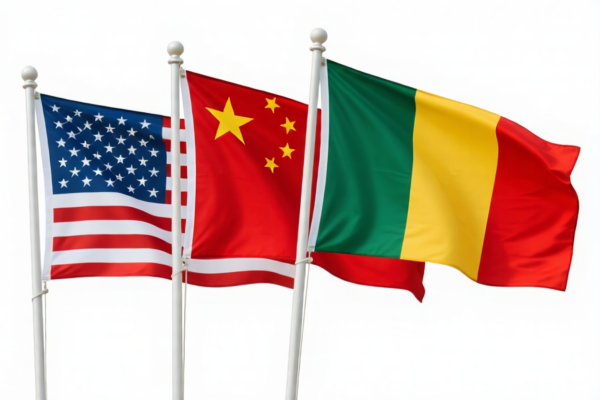
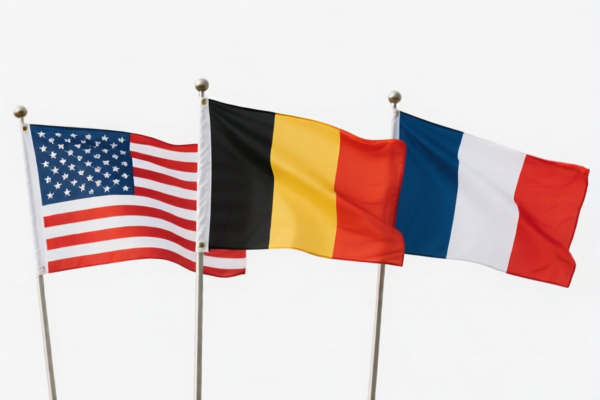
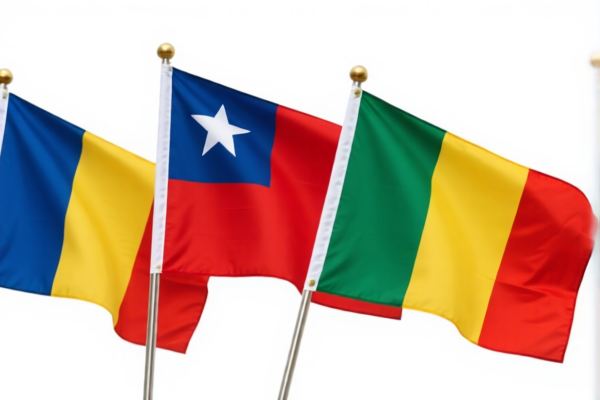
AI Analysis
🚩 Tabs & Flags (Trade Show Displays & Banners)
🌐 HS Code Reference & Customs Clearance Guide | 2026 Latest Tariff Analysis | Professional Clearance Strategy
📌 I. Product Definition & Classification: Do You Really Understand "Tabs and Flags"?
"Tabs and Flags" are typically decorative or promotional textile products, including National Flags, Banners, Bunting, and Table Flags. In international trade, they are classified primarily under Textile Articles. The classification depends on the material, usage, and specific form (e.g., printed vs. woven).
⚠️ Key Distinction:
- If the product is a flag (national, organizational, or decorative) → It falls under Chapter 63 (Other Made Up Textile Articles).
- If the product is a label (small tag with care instructions or brand info) → It falls under Chapter 48 (Paper Labels) or Chapter 63 (Textile Labels).
- Crucial Note: The provided data suggests classification into Chapter 63 for flags and Chapter 48 for labels, with specific HS codes determined by the "nationality" or "material" ambiguity.
📦 II. HS Code Classification Details (Based on Provided Data)
| HS Code | Product Description | Applicable Scenario | Tax Category |
|---|---|---|---|
6307.90.98.35 |
Flags/Tablflags: National flags or decorative flags, classified under "Other flags" when country of origin/nationality is unspecified. | Trade show flags, national flags, decorative bunting | 24.5% Total Tax |
6307.90.98.25 |
Flags: Finished textile flags, matching the definition of national flags, classified under "Other" when no specific country is designated. | General purpose flags, promotional banners | 24.5% Total Tax |
4821.10.20.00 |
Labels: Paper or cardboard labels, classified under "Other paper labels" when material is not specified. | Product tags, care labels, price tags (paper-based) | 35.0% Total Tax |
4821.90.20.00 |
Labels: Paper-based labels, inferred as paper or self-adhesive when material is unspecified. | Adhesive labels, printed brand tags | 35.0% Total Tax |
🔍 Key Clarification from Data:
- Flags (6307.90.98.xx): The data indicates that if the nationality is not specified, they fall into "Other" categories. Two sub-codes are provided:98.35and98.25, both carrying the same tax rate.
- Labels (4821.10.20.00&4821.90.20.00): These are classified under Chapter 48 (Paper), not Chapter 63 (Textile), suggesting the input "Tabs" might refer to paper labels/tags rather than textile tabs. If "Tabs" refers to textile product tags, they should technically be under6307.90.98.99, but the provided data explicitly maps them to Chapter 48.
💰 III. 2026 Latest Tariff Rate Breakdown (Detailed Tax Clauses)
✅ Applicable Country: United States (US)
✅ Origin: China (CN)
✅ Effective Date: Post-2025 policies (Includes Section 301 & Section 122 tariffs)
🎯 1. Flags: HS Code 6307.90.98.35 & 6307.90.98.25
| Item | Details |
|---|---|
| Base Tariff | 7.0% (Standard Most Favored Nation rate) |
| Section 301 Surcharge | 7.5% |
| Section 122 Surcharge | 10.0% |
| Total Tax Rate | 24.5% |
| Tax Calculation | CIF Value × 24.5% |
| De Minimis Exemption | ❌ Not Applicable (Section 301 and Section 122 tariffs generally do not apply to de minimis, but the total burden is high for commercial shipments) |
| Legal Basis | USITC:6307.90.98.35 → Section 301: Footnote 9903.88.01 + Section 122: Authority |
📌 Explanation:
- Base 7.0%: Standard tariff for other made-up textile articles.
- Section 301 (7.5%): Additional tariff on Chinese textiles and apparel.
- Section 122 (10%): Additional tariff on certain textile products under the "Section 122" authority (often applied to imports that threaten to impair US national security or trade balance).
- Total 24.5%: This is a high tariff for textile goods. Importers must budget accordingly.
🎯 2. Labels: HS Code 4821.10.20.00 & 4821.90.20.00
| Item | Details |
|---|---|
| Base Tariff | 0.0% |
| Section 301 Surcharge | 25.0% |
| Section 122 Surcharge | 10.0% |
| Total Tax Rate | 35.0% |
| Tax Calculation | CIF Value × 35.0% |
| De Minimis Exemption | ❌ Not Applicable |
| Legal Basis | USITC:4821.10.20.00 → Section 301: Footnote 9903.88.01 + Section 122 |
📌 Explanation:
- Base 0.0%: Paper labels often have a 0% base rate.
- Section 301 (25.0%): High surcharge on Chinese paper products.
- Section 122 (10.0%): Additional 10% surcharge.
- Total 35.0%: Even with a 0% base, the total tax is 35.0%, making it more expensive than flags in this specific data context.
🛠️ IV. Customs Clearance Practical Advice (Avoid Pitfalls)
✅ 1. Required Documentation Checklist
| Document | Mandatory? | Description |
|---|---|---|
| ✅ Product Specifications | ✔️ | Detailed description: Material (cotton, polyester, paper), printing method, size, and usage. |
| ✅ Commercial Invoice | ✔️ | Must clearly state "Flags" or "Labels" and describe the item precisely. Avoid vague terms like "Decorations." |
| ✅ Packing List | ✔️ | Itemized list with weights and dimensions. |
| ✅ Country of Origin Certificate | ✔️ | To verify Chinese origin and apply correct Section 301/122 tariffs. |
| ✅ Material Declaration | ✔️ | For labels: Confirm if paper or textile. For flags: Confirm fabric type. |
✅ 2. Declaration Tips (Key Rules)
🔥 "Be Specific, Declare Accurately, Avoid 'Miscellaneous' Labels!"
| Scenario | Correct Declaration | Incorrect Practice |
|---|---|---|
| Flags | Declare as "Flag" or "Table Flag". Specify if it's a national flag. | Calling it "Fabric Banner" without context → May be misclassified. |
| Labels | Declare as "Paper Label" or "Self-Adhesive Label". Specify material. | Calling it "Sticker" or "Tag" → Risk of classification as plastic or textile. |
| Mixed Shipment | Separate flags and labels in invoice. | Combining them as "Mixed Goods" → Customs may apply the highest tariff to all. |
✅ 3. Special Considerations
| Situation | Advice |
|---|---|
| Unspecified Nationality for Flags | As per data, if the flag is not for a specific country, it falls under "Other" (98.35 or 98.25). Ensure the invoice does not claim a specific country if it's generic. |
| Unspecified Material for Labels | If material is not specified, customs may infer "Paper" (4821.xx). If it's actually textile, declare as such to avoid misclassification penalties. |
| Section 122 Impact | The 10% Section 122 tariff is significant. Check if any exemptions apply (e.g., certain humanitarian goods, but rare for commercial flags/labels). |
🌍 V. Global Market Comparison (2026)
| Country/Region | Recommended HS Code | Tariff (China Origin) | Notes |
|---|---|---|---|
| 🇺🇸 USA | 6307.90.98.35 / 4821.10.20.00 |
24.5% (Flags) / 35.0% (Labels) | High Section 301 & 122 tariffs. |
| 🇨🇳 China | 6307.90.98.35 / 4821.10.20.00 |
~5-10% | Lower import duties. |
| 🇪🇺 EU | 6307.90.98.99 / 4821.90.99 |
0-2.5% | Lower tariffs, but strict CE/REACH if printed inks contain hazardous substances. |
| 🇬🇧 UK | 6307.90.99 / 4821.90.99 |
0-2.5% | Post-Brexit rules apply. |
📌 Conclusion:
- USA is the most expensive market for Chinese flags and labels due to Section 301 and Section 122 tariffs.
- EU/UK offer lower tariffs but stricter environmental and chemical regulations.
📌 VI. Common Mistakes & Pitfalls (Lessons Learned)
❌ Mistake 1: Labeling "Flags" as "Textile Articles" without specifying they are flags
👉 Consequence: May be misclassified under a higher tax category or rejected.
❌ Mistake 2: Calling "Paper Labels" as "Stickers"
👉 Consequence: Customs may classify them under Chapter 49 (Printed Matter) or Chapter 39 (Plastics), leading to incorrect tariffs.
❌ Mistake 3: Ignoring Section 122 Tariff
👉 Consequence: Underpayment by 10% → Back taxes + Penalties.
❌ Mistake 4: Not specifying Material for Labels
👉 Consequence: Customs assumes "Paper" → If it's textile, you face misclassification issues.
✅ Correct Practice:
For Flags: "National Flag, Polyester, Screen Printed, Size 3x5ft, No Specific Country Designation."
For Labels: "Self-Adhesive Paper Labels, Unprinted, 2x2 inch, for Garment Use."
🎯 VII. Conclusion: Professional Declaration, Cost Control!
🎯 Remember the Rule:
🔹 "Flags under 6307, Labels under 4821."
🔹 "US Tariffs: Flags 24.5%, Labels 35.0%."
🔹 "Be Specific: Material, Usage, and Nationality matter!"
📌 Pro Tip:
If you are importing large volumes, consider:
1. Pre-classification Ruling from CBP to confirm HS codes.
2. Supply Chain Diversification to Vietnam/Mexico for lower Section 301 impact (if applicable).
3. Direct Negotiation with suppliers to absorb part of the tariff.
📣 Action Required:
📞 Consult a Customs Broker before shipping.
📄 Provide Detailed Specs to ensure correct HS Code assignment.
💼 Minimize Costs by accurate classification!
✨ Professional Customs Clearance Starts with Accurate Classification!
💼 Every Percent of Tax Matters!
Customer Reviews
About HS Code Classification
The Harmonized System (HS) is an internationally standardized nomenclature developed by the World Customs Organization (WCO) to classify traded products. Over 200 countries use the HS system as the basis for customs tariffs, trade statistics, and import/export regulations.
Each HS code follows a hierarchical structure:
- Chapter (2 digits) — Broad category of goods (e.g., Chapter 84: Machinery and Mechanical Appliances)
- Heading (4 digits) — More specific grouping within the chapter
- Subheading (6 digits) — Internationally standardized breakdown, used by all WCO member countries
- National subdivisions (8-10 digits) — Country-specific extensions for further classification, such as US HTSUS 10-digit codes
Correct HS code classification is essential for smooth customs clearance, accurate duty payment, and compliance with trade regulations. Misclassification can lead to customs delays, overpayment of duties, or penalties.
When importing from CN to US, the applicable tariff rates may include:
- Most-Favored-Nation (MFN) rate — The standard duty rate applied to WTO members
- General rate — Applied to countries without trade agreements
- Trade remedy duties — Additional tariffs such as Section 301 (anti-dumping), Section 232 (national security), or countervailing duties
The information provided on this page is for reference purposes only. For official classification, please consult with your local customs authority or a licensed customs broker.