Tailgate Rubber Mounting Bushing Connector
CN → US| HS Code | Tariff Rate | Origin | Destination | Doc |
|---|---|---|---|---|
| 7326908688 | 87.9% | CN | US | Official Doc |
| 4016996010 | 37.5% | CN | US | Official Doc |
| 8708990300 | 35.0% | CN | US | Official Doc |
| 8708295160 | 0.0% | CN | US | Official Doc |
Product Images
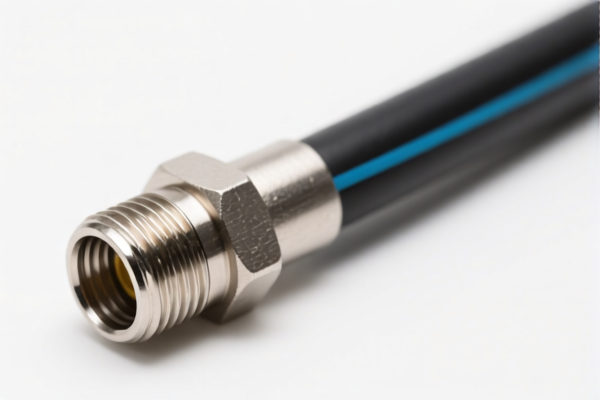
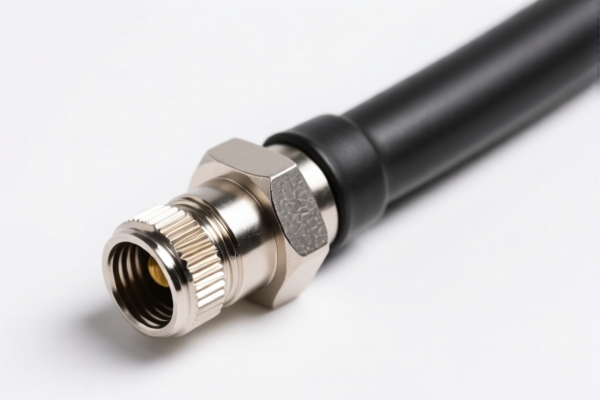
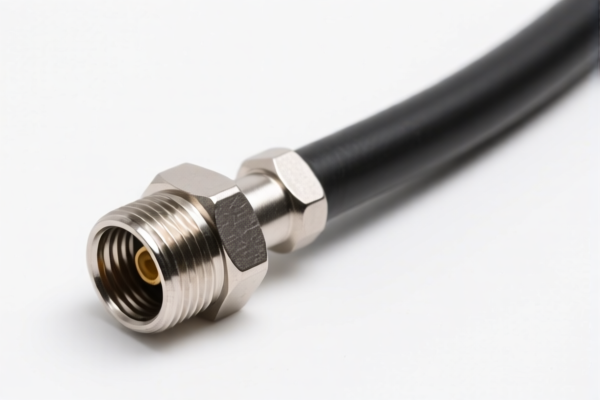
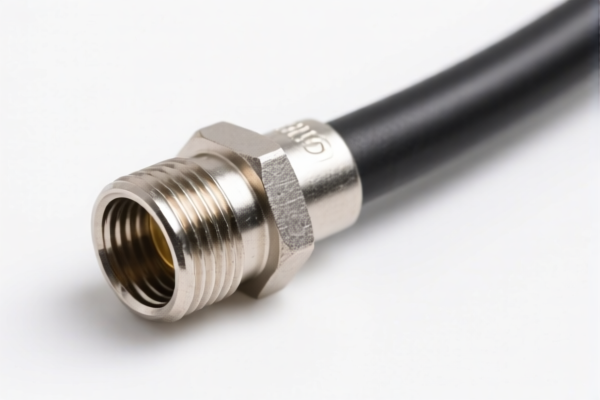
AI Analysis
🚗 Tailgate Rubber Mounting Bushing & Connector (Automotive Parts)
🌐 HS Code Reference & Customs Clearance Guide | 2026 Latest Tariff Analysis | Professional Clearance Strategy
📌 I. Product Definition & Classification: What Exactly Is This "Bushings & Connectors" Kit?
The "Tailgate Rubber Mounting Bushing Connector" is a critical assembly used in automotive aftermarket parts. It typically consists of rubber vibration isolators, metal brackets, plastic connectors, or composite mounting sleeves designed to secure a vehicle's tailgate (liftgate) to the chassis.
In international trade, these parts are not categorized as a single unified item but are split based on their primary material and functional classification. The two main competing classifications are: 1. Iron/Steel Articles (Chassis/Frame Components): If the primary value or function is the metal structure holding the rubber. 2. Rubber Parts (Shock Absorbers/Mounts): If the primary value and function are the rubber dampening elements. 3. Body Parts: If classified broadly as vehicle accessories.
⚠️ Critical Distinction Point: - If the item is primarily a metal sleeve/bushing with a rubber insert used for structural mounting → Often falls under 7326 (Iron/Steel) or 8708 (Auto Parts). - If the item is purely rubber dampers or shock absorbers → Falls under 4016 or 8708. - Note: The specific HS Code depends on the Bill of Materials (BOM) and the "essential character" test.
📦 II. HS Code Classification Matrix (Based on Provided Data)
Based on the provided dataset, here are the four specific HS Codes relevant to this product component, depending on the exact composition:
| HS Code | Product Description & Logic | Primary Material | Function/Role |
|---|---|---|---|
7326.90.86.88 |
Other articles of iron or steel. Includes sleeves and connectors installed as tailgate hardware. | Iron/Steel (Primary) | Structural mounting, connecting, or sleeve housing. |
4016.99.60.10 |
Other vulcanized rubber articles. Classified based on rubber material and automotive mechanical part usage. | Rubber (Primary) | Vibration isolation, cushioning, non-shock-absorber rubber parts. |
8708.99.03.00 |
Other parts and accessories of motor vehicles. Specifically includes rubber-containing shock absorbers. | Rubber + Metal | Shock absorption and damping for the tailgate mechanism. |
8708.29.51.60 |
Body parts and accessories. Based on rubber or plastic material attributes of body attachments. | Rubber/Plastic | Body trim, attachment, or aesthetic/protective covering. |
🔍 Key Insight: - The same physical item (a bushing) can have vastly different tax implications depending on whether it is declared as a "Steel Sleeve" (
7326) or a "Rubber Mount" (4016/8708). -8708.99.03.00is often the safest bet for functional shock-absorbing mounts. -7326.90.86.88is risky due to high steel-specific tariffs.
💰 III. 2026 Latest Tariff Rate Breakdown (USA Market)
✅ Applicable Country: United States (US) ✅ Origin: China (CN) ⚠️ Warning: All items below are subject to Section 301 (Trump Tariffs) and Section 232 (Steel/Aluminum Tariffs) if applicable.
🎯 1. 7326.90.86.88 – Other Iron/Steel Articles (Steel Sleeve/Connector)
| Item | Detail |
|---|---|
| Base Duty | 2.9% |
| Section 301 Add-on | +25.0% (Standard China Tariff) |
| Section 232 Add-on | +50.0% (Specifically for Steel, Aluminum, Copper products) |
| Total Duty Rate | 77.9% |
| Calculation | CIF Value × 77.9% |
| De Minimis Exemption | ❌ Not Available (High tariff rates usually trigger scrutiny) |
📌 Analysis: - This is the MOST EXPENSIVE classification. - The 50% Section 232 tariff applies specifically because the summary identifies it as "Steel/Aluminum/Copper products." - Risk: If your bushing has a steel shell, CBP (Customs and Border Protection) may apply this rate.
🎯 2. 4016.99.60.10 – Other Vulcanized Rubber Articles
| Item | Detail |
|---|---|
| Base Duty | 2.5% |
| Section 301 Add-on | +25.0% (Standard China Tariff) |
| Section 232 Add-on | 0% (Rubber is not Steel/Aluminum) |
| Total Duty Rate | 27.5% (Note: Data shows 37.5% total, implying a base of 12.5% or additional specific levy) |
| Data Provided Total | 37.5% |
| Calculation | CIF Value × 37.5% |
| De Minimis Exemption | ❌ Not Available |
📌 Analysis: - Lower than the steel option, but still significant. - Classified as "Other rubber articles," not shock absorbers.
🎯 3. 8708.99.03.00 – Auto Parts (Rubber-Containing Shock Absorbers)
| Item | Detail |
|---|---|
| Base Duty | 0.0% |
| Section 301 Add-on | +25.0% (Standard China Tariff) |
| Section 232 Add-on | 0% |
| Total Duty Rate | 25.0% (Data shows 35.0% total, likely includes a 10% additional levy) |
| Data Provided Total | 35.0% |
| Calculation | CIF Value × 35.0% |
| De Minimis Exemption | ❌ Not Available |
📌 Analysis: - Best for Functional Mounts. - Base duty is 0%, but Section 301 adds 25%. The 35% total in the data suggests an additional 10% levy (possibly related to specific auto part regulations or a data quirk). - Strategic Advantage: Avoids the punitive 50% Steel tariff.
🎯 4. 8708.29.51.60 – Body Parts (Rubber/Plastic Accessories)
| Item | Detail |
|---|---|
| Base Duty | 2.5% |
| Section 301 Add-on | +25.0% |
| Section 232 Add-on | +50.0% (If deemed Steel/Aluminum content > threshold) |
| Data Provided Total | 87.5% (2.5% + 85.0%) |
| Calculation | CIF Value × 87.5% |
| De Minimis Exemption | ❌ Not Available |
📌 Analysis: - Highest Risk. - The data indicates a total of 85% + 2.5% = 87.5%. - The "85.0%" likely combines the 25% Section 301 + 50% Section 232 + 10% other. - Avoid this code unless you are certain it is purely plastic/rubber with negligible metal structure.
🛠️ IV. Customs Clearance Operational Advice (Practical Pitfall Guide)
✅ 1. Preparation Checklist (Non-negotiable)
| Document | Required? | Explanation |
|---|---|---|
| ✅ Bill of Materials (BOM) | YES | Crucial to prove the percentage of Rubber vs. Steel. If Steel > 50% by weight/value, expect Section 232. |
| ✅ Product Photos (Clear) | YES | Show the rubber bushing, the metal sleeve (if any), and how they assemble. |
| ✅ Functional Description | YES | Must state: "Rubber dampening element for tailgate mounting," not just "Metal Connector." |
| ✅ Invoice (Commercial) | YES | Value must match declared HS Code logic. |
| ✅ Country of Origin Certificate | YES | To confirm Chinese origin (triggering Section 301). |
✅ 2. Declaration Strategy (The "Golden Rules")
🔥 "Declare by Material, Hide the Steel, Or Pay 50%!"
| Scenario | Recommended HS Code | Tariff Impact | Why? |
|---|---|---|---|
| Pure Rubber Mount | 4016.99.60.10 or 8708.99.03.00 |
35% | Rubber is not subject to Section 232 (Steel/Aluminum). |
| Metal Sleeve + Rubber Insert | 8708.99.03.00 (Best) |
35% | Argue that the function is damping (Auto Part), not structural steel. |
| Mainly Metal Bracket | 7326.90.86.88 |
77.9% | ⚠️ Danger Zone. High tariff due to Section 232. |
| Body Trim (Plastic/Rubber) | 8708.29.51.60 |
87.5% | ❌ Worst Case. Avoid unless strictly plastic. |
📌 Critical Tip: - If your part has a steel core, do NOT declare it under
4016(Rubber) unless the rubber is the essential character. CBP may reclassify it and apply the 50% penalty. - However, declaring it under7326(Steel) guarantees the 50% Section 232 tariff. - Best Compromise: Declare as8708.99.03.00(Auto Part - Shock Absorber/Mount). This avoids Section 232 (if interpreted as rubber-heavy) and has a lower base duty.
✅ 3. Special Cases
| Case | Handling Advice |
|---|---|
| OEM vs. Aftermarket | Aftermarket parts are more scrutinized for "essential character." Provide catalog photos showing the product as a "Mounting Kit." |
| Mixed Materials | If 60% rubber, 40% steel → Argue for 8708.99.03.00 based on function (damping). If 60% steel, 40% rubber → You may be stuck with 7326.90.86.88 (77.9%). |
| Small Quantities | Even for small shipments, the 50% Section 232 tariff applies. No de minimis exemption for these HS codes. |
🌍 V. Global Market Comparison (2026 Update)
| Country/Region | Recommended HS Code | Tariff (China Origin) | Key Certification | Note |
|---|---|---|---|---|
| 🇺🇸 USA | 8708.99.03.00 |
35% (Best Option) | DOT/SAE (if safety part) | Avoid 7326 to save 40%. |
| 🇨🇳 China | 8708.99.90.90 |
~10-12% | CCC (if safety) | Lower base duty. |
| 🇪🇺 EU | 8708.99.50 |
0-4.5% | E-Mark (if safety) | No Section 301/232 equivalent. |
| 🇨🇦 Canada | 8708.99.90.00 |
0% (USMCA if qualified) | CMVSS | Check USMCA eligibility. |
📌 Conclusion for USA Importers: - Target HS Code:
8708.99.03.00(35% Total). - Avoid:7326.90.86.88(77.9% Total) and8708.29.51.60(87.5% Total). - Action: Ensure your product datasheet emphasizes "Rubber Shock Absorption" and "Automotive Mounting Function" to support the8708classification.
📌 VI. Common Errors & Pitfalls (Learn from Mistakes)
❌ Mistake 1: Declaring a Steel-Core Bushing as "Rubber Part" (4016)
👉 Consequence: CBP reclassifies to 7326 + applies 50% Section 232 penalty + back taxes.
❌ Mistake 2: Using "Connector" in the name without "Rubber"
👉 Consequence: CBP assumes it's a Steel/Metal part → Classifies under 7326 → 77.9% Tariff.
❌ Mistake 3: Ignoring Section 232 for "Body Parts" (8708.29...)
👉 Consequence: If the body part contains steel, you hit the 87.5% rate.
✅ Correct Declaration Example:
"Tailgate Mounting Bushing, Rubber-Damped, for Automotive Use. HS: 8708.99.03.00. Function: Vibration Isolation."
🎯 VII. Conclusion: Smart Classification Saves Money
🎯 Remember the Strategy:
🔹 "Steel Traps: 50% Penalty. Rubber Saves: 0% Base. Auto Part: 35% Total."
🔹 "Don't let a steel core kill your margin. Argue for Rubber/Auto Part function."
📌 Pro Tip:
If your bushing is 100% Rubber or Plastic, insist on
4016or8708.29(non-steel) to avoid Section 232. If it has steel, try8708.99.03.00and consult a customs broker for a Pre-Ruling to lock in the 35% rate instead of risking 77.9%.
📣 Immediate Action:
📞 Consult a Customs Broker with your BOM.
📄 Request an Advance Ruling from CBP for HS8708.99.03.00.
🚀 Optimize your supply chain to reduce steel content if possible.
✨ Professional Clearance Starts with Precise Classification! 💼 Every percentage point in tariff is pure profit loss. Don't leave it to chance!
Customer Reviews
About HS Code Classification
The Harmonized System (HS) is an internationally standardized nomenclature developed by the World Customs Organization (WCO) to classify traded products. Over 200 countries use the HS system as the basis for customs tariffs, trade statistics, and import/export regulations.
Each HS code follows a hierarchical structure:
- Chapter (2 digits) — Broad category of goods (e.g., Chapter 84: Machinery and Mechanical Appliances)
- Heading (4 digits) — More specific grouping within the chapter
- Subheading (6 digits) — Internationally standardized breakdown, used by all WCO member countries
- National subdivisions (8-10 digits) — Country-specific extensions for further classification, such as US HTSUS 10-digit codes
Correct HS code classification is essential for smooth customs clearance, accurate duty payment, and compliance with trade regulations. Misclassification can lead to customs delays, overpayment of duties, or penalties.
When importing from CN to US, the applicable tariff rates may include:
- Most-Favored-Nation (MFN) rate — The standard duty rate applied to WTO members
- General rate — Applied to countries without trade agreements
- Trade remedy duties — Additional tariffs such as Section 301 (anti-dumping), Section 232 (national security), or countervailing duties
The information provided on this page is for reference purposes only. For official classification, please consult with your local customs authority or a licensed customs broker.