Talcum powder industrial grade
CN → US| HS Code | Tariff Rate | Origin | Destination | Doc |
|---|---|---|---|---|
| 2526200000 | 10.0% | CN | US | Official Doc |
| 3824993990 | 35.0% | CN | US | Official Doc |
| 3824999397 | 40.0% | CN | US | Official Doc |
Product Images
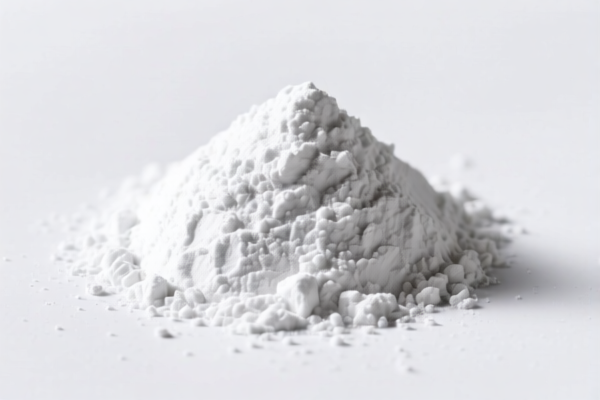
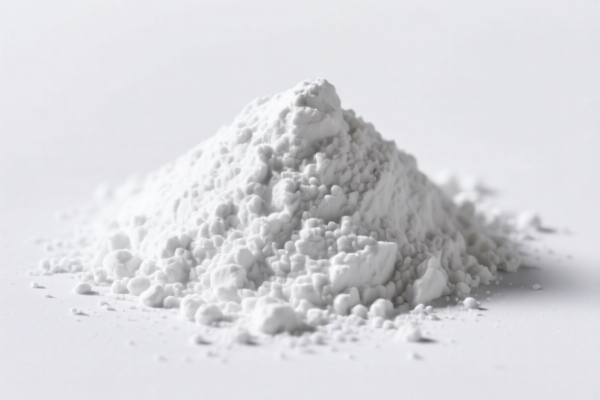
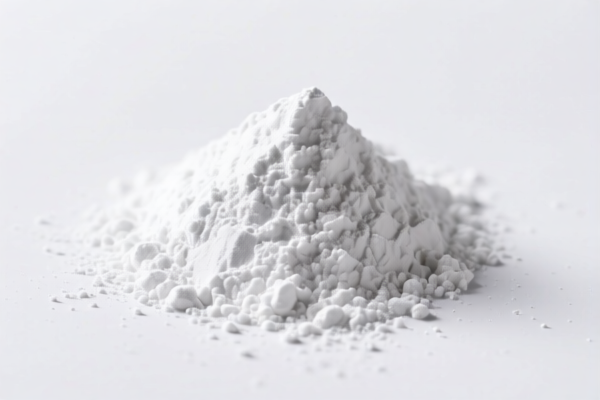
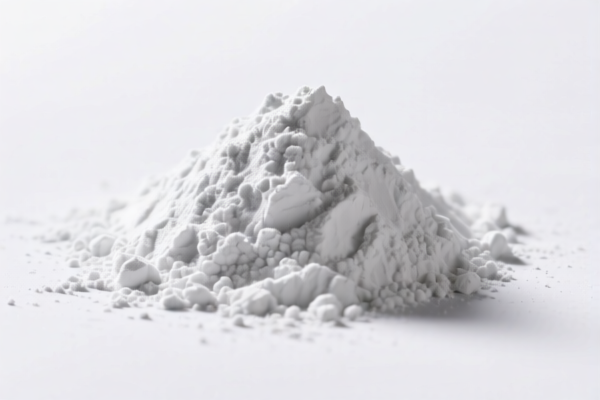
AI Analysis
🌿 Industrial Grade Talcum Powder & Natural Steatite (Mining Products)
🌐 HS Code Reference & Customs Clearance Guide | 2026 Latest Tariff Analysis | Professional Clearance Strategy
📌 I. Product Definition & Classification: What is "Industrial Grade Talcum Powder"?
Industrial Grade Talcum Powder, in the context of international trade and raw material supply, generally refers to processed talc or steatite intended for non-cosmetic, industrial applications (e.g., ceramics, plastics, paint, lubricants, paper).
It is crucial to distinguish between two primary physical states, as this determines the HS Code and, consequently, the massive difference in tariff rates:
- Crushed or Powdered Talc/Steatite: This is the fine powder form, often resulting from grinding raw stone. It is typically used as a filler or additive.
- Blocks or Slabs of Natural Steatite: Even if roughly trimmed or cut (by sawing or otherwise) into rectangular shapes, these are considered primary shaped stones, not "powder."
⚠️ Key Distinction for Classification:
- If the product is strictly "Crushed or Powdered" → It falls under 2526.20.00.00.
- If the product is "Prepared Binders" or "Chemical Mixtures" containing talc/steatite as an ingredient → It may fall under 3824.99.39.90 or 3824.99.93.97.
- Do not confuse "Industrial Talc Powder" (Raw Material) with "Talc-based Chemical Preparations" (Processed Compound). The HS codes in the DATA reflect this split.
📦 II. HS Code Classification Details (2026 Latest Tariff Authority Comparison)
Based on the provided <DATA>, here are the three relevant HS Codes for industrial talc/steatite products:
| HS Code | Product Description | Applicable Scenario | State of Material | Tax Rate (Total) |
|---|---|---|---|---|
2526.20.00.00 |
Natural steatite (roughly trimmed/cut into blocks/slabs) OR Talc: Crushed or powdered | Raw industrial filler, ceramic raw materials, pure talc powder | ✅ Powder / Raw Stone | 0.0% |
3824.99.39.90 |
Prepared binders for foundry molds/cores; Chemical products... Mixtures of two or more inorganic compounds | Talc-based binders, industrial lubricants, or chemical mixtures where talc is a component | ✅ Processed/Chemical Mix | 25.0% |
3824.99.93.97 |
Prepared binders... Chemical products... Other: Other: Other | Talc-based preparations not specified elsewhere (e.g., coated talc, treated talc for specific industrial use) | ✅ Treated/Specific Prep | 30.0% |
🔍 Critical Reminder:
- Pure Talc Powder (Crushed/Grinded) is classified under 2526.20.00.00 with a 0% tax rate.
- However, if the "Industrial Grade" product is chemically prepared (e.g., mixed with binders, coated, or formed into a specific chemical mixture for foundry molds), it shifts to 3824 series with 25%-30% tax rates.
- Misdeclaring a "Talc Binder" as "Talc Powder" can lead to severe penalties and back-taxes.
💰 III. 2026 Latest Tariff Rate Breakdown (Including Additional Taxes & Policy Surcharges)
✅ Applicable Country: United States (US)
✅ Origin: China (CN) (Assumed based on "25% Additional Tariff" pattern typical for US-China trade in these categories)
✅ Effective Time: 2026 Tariff Schedule
🎯 1. 2526.20.00.00 —— Natural Steatite Blocks or Talc (Crushed/Powdered)
| Item | Content |
|---|---|
| Base Tariff | 0.0% |
| Section 301 Additional Tariff | 0.0% |
| IEEPA Additional Tariff | 0.0% |
| Total Tariff | 0.0% |
| Tax Calculation | CIF Value × 0% = $0 |
| De Minimis Eligibility | ✅ Yes (For low-value shipments, if applicable) |
| Legal Basis Path | USITC:2526.20.00.00 → Section 301: No Surcharge |
📌 Explanation:
- Raw mineral products like natural steatite and pure talc powder are generally exempt from Section 301 and IEEPA surcharges under this specific subheading.
- This is the most cost-effective classification if the product is indeed pure, crushed/powdered talc or raw steatite blocks.
🎯 2. 3824.99.39.90 —— Prepared Binders (Talc-Based Mixtures)
| Item | Content |
|---|---|
| Base Tariff | 0.0% |
| Section 301 Additional Tariff | 25.0% |
| IEEPA Additional Tariff | 0.0% |
| Total Tariff | 25.0% |
| Tax Calculation | CIF Value × 25% |
| De Minimis Eligibility | ❌ No (Section 301 goods are excluded from de minimis) |
| Legal Basis Path | USITC:3824.99.39.90 → Section 301: 25% Surcharge |
📌 Note:
- If your "Industrial Talcum Powder" is actually a prepared binder for foundry molds (a common industrial use), it falls here.
- The 0% base rate is misleading; the 25% additional tariff is the key cost driver.
🎯 3. 3824.99.93.97 —— Other Chemical Preparations (Talc-Based)
| Item | Content |
|---|---|
| Base Tariff | 5.0% |
| Section 301 Additional Tariff | 25.0% |
| IEEPA Additional Tariff | 0.0% |
| Total Tariff | 30.0% |
| Tax Calculation | CIF Value × 30% |
| De Minimis Eligibility | ❌ No |
| Legal Basis Path | USITC:3824.99.93.97 → Section 301: 25% Surcharge |
📌 Warning:
- This is the highest tariff category for industrial talc products.
- It applies to "Other" chemical preparations that do not fit the "Binder" category specifically but are still chemically treated or mixed.
- Example: Talc treated with silanes or other chemicals for specific adhesion properties in plastics.
🛠️ IV. Customs Clearance Practical Advice (Real-World Pitfall Guide)
✅ 1. Required Documentation Checklist
| Document | Mandatory? | Notes |
|---|---|---|
| ✅ Product Specification Sheet | ✔️ | Must clearly state: "Crushed," "Powdered," or "Prepared Mixture." Include chemical composition. |
| ✅ Formula/Material Safety Data Sheet (MSDS) | ✔️ | Critical to prove it is NOT a chemical preparation if claiming 0% tax. |
| ✅ Commercial Invoice | ✔️ | Description must match HS Code exactly (e.g., "Natural Talc, Crushed" vs. "Talc-Based Foundry Binder"). |
| ✅ Certificate of Origin | ✔️ | To verify origin and apply any potential FTA benefits (if applicable). |
| ✅ Lab Test Report | ✔️ | Recommended to confirm purity and physical state (particle size, chemical composition). |
✅ 2. Declaration Tactics (Key Mantra)
🔥 “Pure Powder = 2526, Zero Tax! Mixed/Binder = 3824, 25-30% Tax!”
| Scenario | Correct HS Code | Error Consequence |
|---|---|---|
| Raw Talc Powder (milled from stone) | 2526.20.00.00 |
0% Tax |
| Steatite Blocks (cut/sawed) | 2526.20.00.00 |
0% Tax |
| Talc + Binder Mixture (for molds) | 3824.99.39.90 |
25% Tax |
| Treated/Coated Talc (chemical prep) | 3824.99.93.97 |
30% Tax |
| Misdeclaring Binder as Powder | 2526.20.00.00 |
Back Taxes + Penalty + Audit Risk |
✅ 3. Special Case Handling
| Case | Handling Advice |
|---|---|
| OEM Custom Talc Blend | If mixed with other minerals (non-chemical binders), still likely 2526. If mixed with chemical binders, shift to 3824. Provide formula. |
| "Industrial Grade" Label | Does not determine HS Code. Focus on physical state (powder vs. block) and chemical preparation. |
| Small Sample Shipments | Even small samples of 3824 goods are not eligible for de minimis exemption due to Section 301. |
| Foundry Sand Mixtures | If talc is a minor component in a sand mixture, consult HS Note 3 to Chapter 38. May still be 3824. |
🌍 V. Global Market Comparison (2026 Latest)
| Country/Region | Recommended HS Code | Tariff Rate | Certification Requirement | Notes |
|---|---|---|---|---|
| 🇺🇸 USA | 2526.20.00.00 (Powder) |
0% | None | Best for raw talc. |
| 🇺🇸 USA | 3824.99.39.90 (Binder) |
25% | MSDS Required | High tax on processed talc. |
| 🇪🇺 EU | 2526.20.00 |
0% | REACH Registration | Talc powder generally duty-free in EU. |
| 🇨🇳 China | 2526.20.00 |
0% | CCC (if applicable) | Low import duty for raw minerals. |
| 🇮🇳 India | 2526.20.00 |
5-10% | Import License | Varied duties based on value. |
📌 Conclusion:
- The USA is the most sensitive to the distinction between raw mineral (2526) and chemical preparation (3824).
- Always declare "Crushed or Powdered" if the product is physically ground talc.
- Avoid "Chemical Preparation" language if the product is simply milled mineral.
📌 VI. Common Mistakes & Pitfalls (Blood & Tears Lessons)
❌ Mistake 1: Calling a Talc-Based Foundry Binder "Talc Powder"
👉 Consequence: Customs audit, 25% back tax + penalties.
👉 Fix: Use HS 3824.99.39.90.
❌ Mistake 2: Claiming De Minimis for Section 301 Goods (3824)
👉 Consequence: Package seized, taxes applied retroactively.
👉 Fix: Pay duties at entry. De minimis does not apply to 301 goods.
❌ Mistake 3: Confusing Steatite Blocks with Talc Powder
👉 Consequence: Incorrect description leads to delay.
👉 Fix: Both are 2526.20.00.00, but description must match (Blocks vs. Powder).
✅ Correct Declaration Example:
"Natural Talc, Crushed to Powder, Industrial Grade, Non-Cosmetic Use, Not Treated Chemically"
HS Code:2526.20.00.00
Tax: 0%
🎯 VII. Conclusion: Precision Classification Saves Money!
🎯 Remember the Mantra:
🔹 "Raw & Powdered = 0% Tax! Prepared & Mixed = 25-30% Tax!"
🔹 "Don't let 'Industrial Grade' confuse you. Look at the Process, not the Label!"
📌 Pro Tip:
If your product is a mixture but not a "prepared chemical preparation" (e.g., just ground stone + another mineral filler), it may still fall under 2526. Consult a customs broker with the formula to argue for 0% tax if possible.
📣 Immediate Action:
📞 Verify your product's physical state and chemical composition.
📄 Provide MSDS and Formula to your customs broker.
🚀 Ensure HS Code matches the physical reality to avoid 25%+ unexpected costs!
✨ Professional Clearance Starts with Accurate Classification!
💼 Every percentage point saved is pure profit!
Customer Reviews
About HS Code Classification
The Harmonized System (HS) is an internationally standardized nomenclature developed by the World Customs Organization (WCO) to classify traded products. Over 200 countries use the HS system as the basis for customs tariffs, trade statistics, and import/export regulations.
Each HS code follows a hierarchical structure:
- Chapter (2 digits) — Broad category of goods (e.g., Chapter 84: Machinery and Mechanical Appliances)
- Heading (4 digits) — More specific grouping within the chapter
- Subheading (6 digits) — Internationally standardized breakdown, used by all WCO member countries
- National subdivisions (8-10 digits) — Country-specific extensions for further classification, such as US HTSUS 10-digit codes
Correct HS code classification is essential for smooth customs clearance, accurate duty payment, and compliance with trade regulations. Misclassification can lead to customs delays, overpayment of duties, or penalties.
When importing from CN to US, the applicable tariff rates may include:
- Most-Favored-Nation (MFN) rate — The standard duty rate applied to WTO members
- General rate — Applied to countries without trade agreements
- Trade remedy duties — Additional tariffs such as Section 301 (anti-dumping), Section 232 (national security), or countervailing duties
The information provided on this page is for reference purposes only. For official classification, please consult with your local customs authority or a licensed customs broker.