Tamper proof Station
CN → US| HS Code | Tariff Rate | Origin | Destination | Doc |
|---|---|---|---|---|
| 8309900085 | 37.6% | CN | US | Official Doc |
| 8301106080 | 23.6% | CN | US | Official Doc |
| 8301406060 | 23.2% | CN | US | Official Doc |
| 8309900080 | 37.6% | CN | US | Official Doc |
Product Images
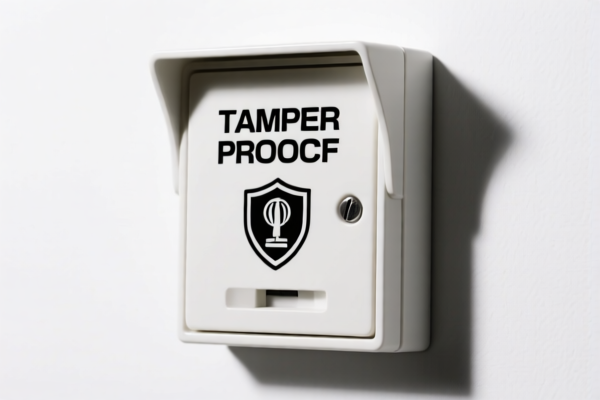
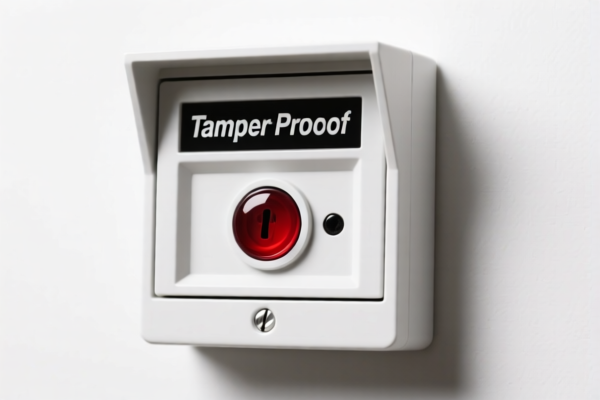
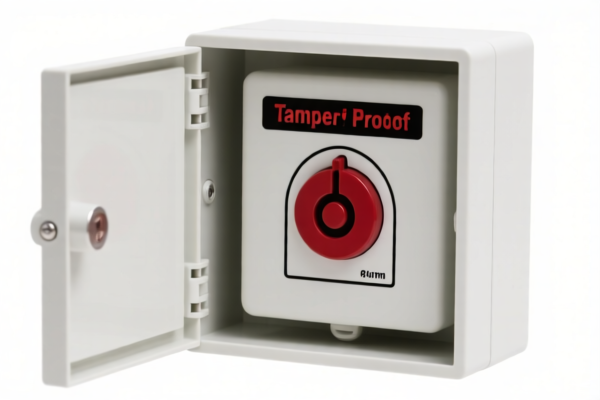
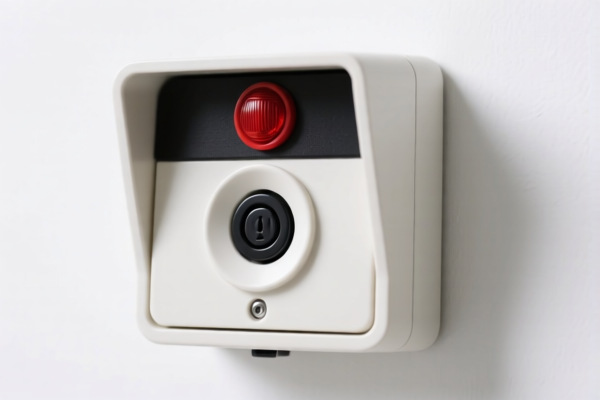
AI Analysis
🔒 Tamper-Proof Station (Security Seals & Locks)
🌐 HS Code Reference & Customs Clearance Guide | 2026 Latest Tariff Analysis | Professional Level Strategy
📌 I. Product Definition & Classification: What is a "Tamper-Proof Station"?
In international trade, the term "Tamper-Proof Station" usually refers to security accessories used to seal containers, doors, or packages, ensuring that any unauthorized access or alteration is immediately visible. These products fall primarily into two categories based on their physical structure:
- Security Seals/Tags (Seals & Caps): Often classified under Chapter 83, specifically as parts of fasteners or seals (e.g., bolt seals, bottle caps with anti-tamper bands).
- Security Locks/Cables: Often classified under Chapter 83, specifically as locks, padlocks, or security cables.
⚠️ Key Distinction Point:
- If the product is a seal, cap, or plug designed to prevent opening (e.g., bottle caps, container seals) → Refer to 8309
- If the product is a lock, latch, or locking mechanism designed to secure access → Refer to 8301
📦 II. HS Code Classification Details (2026 Latest Tariff Authority Comparison)
| HS Code | Product Description | Application Scenario | Tax Rate Structure |
|---|---|---|---|
8309.90.00.85 |
Parts of fasteners, seals, and closures (Other than gold/silver) | Anti-tamper seals, safety caps, bottle seals, container seals | 37.6% |
8301.10.60.80 |
Locks of a kind used for motor vehicles; Parts thereof | Vehicle security locks, specialized anti-tamper locks for transport | 23.6% |
8301.40.60.60 |
Locks, padlocks, and keys; of base metal | General security locks, cable locks, heavy-duty padlocks | 23.2% |
8309.90.00.80 |
Parts of fasteners, seals, and closures (Other) | General packaging seals, tamper-evident tapes, generic sealing accessories | 37.6% |
🔍 Key Reminder:
- Anti-tamper functionality is a feature, not a standalone HS Code. You must classify based on the physical nature (Seal vs. Lock).
- Seals (Caps/Plugs) generally fall under 8309 with higher tariffs due to being "parts of fasteners."
- Locks (Mechanisms) generally fall under 8301 with relatively lower tariffs.
💰 III. 2026 Latest Tariff Rate Details (Including Surtaxes & Policy Surcharges)
✅ Applicable Country: United States (US)
✅ Country of Origin: China (CN)
✅ Effective Date: From November 10, 2025 (and subsequent imports)
🎯 1. 8309.90.00.85 & 8309.90.00.80 —— Anti-Tamper Seals/Caps/Plugs
| Item | Details |
|---|---|
| Basic Tariff Rate | 2.6% (ad valorem) |
| Section 301 Surcharge | +25.0% (from USITC Footnote 9903.88.01) |
| Section 122 Tariff | +10.0% (Specific surcharge for certain Chinese goods) |
| Total Tariff Rate | 37.6% |
| Tax Calculation | CIF Value × 37.6% |
| De Minimis Exemption | ❌ Not Eligible (Deny de minimis) |
| Legal Basis Path | USITC:8309.90.00.80/85 → Section 301: 25% → Section 122: 10% |
📌 Explanation:
- 2.6% is the standard Most Favored Nation (MFN) duty rate.
- 25% is the Section 301 tariff imposed on many Chinese-manufactured goods.
- 10% is the Section 122 tariff, which often applies to security-related or specific industrial goods.
- Total: 37.6%. This is a high-cost category. Misclassification as a simpler part could lead to penalties.
🎯 2. 8301.10.60.80 —— Vehicle Security Locks & Parts
| Item | Details |
|---|---|
| Basic Tariff Rate | 6.1% (ad valorem) |
| Section 301 Surcharge | +7.5% (Reduced rate for certain automotive/security components) |
| Section 122 Tariff | +10.0% |
| Total Tariff Rate | 23.6% |
| Tax Calculation | CIF Value × 23.6% |
| De Minimis Exemption | ❌ Not Eligible |
| Legal Basis Path | USITC:8301.10.60.80 → Section 301: 7.5% → Section 122: 10% |
📌 Note:
- If the "Tamper-Proof Station" includes vehicle-specific locking mechanisms, this code may apply.
- The 7.5% Section 301 rate is significantly lower than the standard 25%, offering potential savings if the product qualifies as an automotive/security part.
🎯 3. 8301.40.60.60 —— General Security Locks & Padlocks
| Item | Details |
|---|---|
| Basic Tariff Rate | 5.7% (ad valorem) |
| Section 301 Surcharge | +7.5% |
| Section 122 Tariff | +10.0% |
| Total Tariff Rate | 23.2% |
| Tax Calculation | CIF Value × 23.2% |
| De Minimis Exemption | ❌ Not Eligible |
| Legal Basis Path | USITC:8301.40.60.60 → Section 301: 7.5% → Section 122: 10% |
📌 Note:
- This is the lowest tariff option (23.2%) if the product is classified as a standard lock or cable seal.
- Use this code if the product is a padlock, cable lock, or heavy-duty latch with anti-tamper features.
🛠️ IV. Customs Clearance Practical Advice (Pitfall Avoidance Guide)
✅ 1. Documentation Checklist (Mandatory)
| Document | Required | Description |
|---|---|---|
| ✅ Product Specification Sheet | ✔️ | Must clearly state: "Tamper-Evident," "Anti-Tamper Seal," or "Security Lock." |
| ✅ Product Photos | ✔️ | Clear images showing the locking mechanism, seal structure, and any branding. |
| ✅ Bill of Lading / Invoice | ✔️ | Must match the HS Code description (e.g., "Steel Padlock" vs. "Plastic Seal"). |
| ✅ Certificate of Origin (CO) | ✔️ | To confirm China origin for surtax calculation. |
| ✅ Third-Party Test Report | ✔️ | If claiming specific security standards (e.g., ISO, ANSI), provide test reports. |
✅ 2. Declaration Tips (Critical Mnemonics)
🔥 "Seal is 8309, Lock is 8301; Name it right, avoid disputes!"
| Scenario | Correct Declaration | Wrong Practice |
|---|---|---|
| Plastic/Aluminum Seal Tag | 8309.90.00.85 / 8309.90.00.80 |
Misdeclare as "Plastic Part" → 37.6% still applies but risk of audit |
| Steel Padlock / Cable Lock | 8301.40.60.60 |
Misdeclare as "Hardware" → Risk of reclassification |
| Vehicle Security Lock | 8301.10.60.80 |
Misdeclare as general lock → Higher tariff (23.6% vs 23.2% is minor, but consistency matters) |
| Mixed Package (Seals + Locks) | Split Declaration | Combine into one HS Code → Customs may reject or reclassify entire shipment |
✅ 3. Special Case Handling
| Situation | Handling Advice |
|---|---|
| Tamper-Evident Tape | Usually falls under 8309 (as a seal part). High tariff (37.6%). |
| Digital Anti-Tamper Sensors | May fall under Chapter 90 (Instruments). Requires expert consultation. Not in current data. |
| Custom Branded Seals | Ensure description includes "Security Seal" to avoid being classified as general "Plastic Products." |
| Bulk vs. Retail Packaging | Declare as "Locks/Seals," not "Packaging Materials." Packaging materials have different rules. |
🌍 V. Global Market Comparison (2026 Latest)
| Country/Region | Recommended HS Code | Tariff (China Origin) | Certification | Notes |
|---|---|---|---|---|
| 🇺🇸 USA | 8309.90.00.85 / 8301.40.60.60 |
23.2% - 37.6% | N/A | High Section 301 & 122 tariffs. No de minimis. |
| 🇨🇳 China | 8309 / 8301 |
0% - 5% | CCC (if applicable) | Low domestic tariff. |
| 🇪🇺 EU | 8301 / 8309 |
0% - 5% | CE (if electronic) | Generally low tariffs. |
| 🇬🇧 UK | 8301 / 8309 |
0% - 5% | UKCA | Post-Brexit rules apply. |
📌 Conclusion:
- USA is the highest cost market due to Section 301 and Section 122 tariffs.
- Accurate classification between "Seal (8309)" and "Lock (8301)" is critical for cost optimization.
- No de minimis exemption means even small shipments are subject to full duties.
📌 VI. Common Mistakes & Pitfall Guide (Lessons Learned)
❌ Mistake 1: Declaring "Tamper-Proof Seals" as "Plastic Parts"
👉 Consequence: Customs may reclassify to 8309.90.00.85 → 37.6% tariff + penalties.
❌ Mistake 2: Combining Locks and Seals in one line item
👉 Consequence: Customs may apply the highest tariff rate to the entire shipment.
❌ Mistake 3: Ignoring Section 122 Tariff
👉 Consequence: Underpayment of 10% → Audit risk and back taxes.
❌ Mistake 4: Using vague descriptions like "Security Item"
👉 Consequence: Delay in customs clearance, additional inspection fees.
✅ Correct Practice:
"Steel Padlock, Anti-Tamper, Model XYZ, Made in China"
OR
"Plastic Tamper-Evident Seal, Safety Cap, Model ABC, Made in China"
🎯 VII. Conclusion: Precision in Classification Saves Money!
🎯 Remember the Mnemonic:
🔹 "Seal is 8309 (37.6%), Lock is 8301 (23.2%). Name it precisely, avoid fines!"
🔹 "Section 301 and 122 are combined. 25%+10%+Base. Know your rate!"
📌 Pro Tip:
If your "Tamper-Proof Station" includes electronic components (e.g., GPS trackers, NFC chips), consult a customs broker immediately. It may fall under Chapter 85 or 90, which have different tariff structures.
📣 Immediate Action:
📞 Contact a licensed customs broker + Provide product photos + Request HS Code Pre-Ruling
🚀 Ensure your shipment clears customs smoothly, pays the correct tax, and avoids delays!
✨ Professional Customs Clearance Starts with Accurate Classification!
💼 Every cent of duty saved is profit gained!
Customer Reviews
About HS Code Classification
The Harmonized System (HS) is an internationally standardized nomenclature developed by the World Customs Organization (WCO) to classify traded products. Over 200 countries use the HS system as the basis for customs tariffs, trade statistics, and import/export regulations.
Each HS code follows a hierarchical structure:
- Chapter (2 digits) — Broad category of goods (e.g., Chapter 84: Machinery and Mechanical Appliances)
- Heading (4 digits) — More specific grouping within the chapter
- Subheading (6 digits) — Internationally standardized breakdown, used by all WCO member countries
- National subdivisions (8-10 digits) — Country-specific extensions for further classification, such as US HTSUS 10-digit codes
Correct HS code classification is essential for smooth customs clearance, accurate duty payment, and compliance with trade regulations. Misclassification can lead to customs delays, overpayment of duties, or penalties.
When importing from CN to US, the applicable tariff rates may include:
- Most-Favored-Nation (MFN) rate — The standard duty rate applied to WTO members
- General rate — Applied to countries without trade agreements
- Trade remedy duties — Additional tariffs such as Section 301 (anti-dumping), Section 232 (national security), or countervailing duties
The information provided on this page is for reference purposes only. For official classification, please consult with your local customs authority or a licensed customs broker.