Tanned Cowhide or Horsehide for Car Interior
CN → US| HS Code | Tariff Rate | Origin | Destination | Doc |
|---|---|---|---|---|
| 4104113060 | 12.4% | CN | US | Official Doc |
| 4107114000 | 12.5% | CN | US | Official Doc |
| 4107124000 | 12.5% | CN | US | Official Doc |
| 4104413060 | 12.4% | CN | US | Official Doc |
| 4106910000 | 38.3% | CN | US | Official Doc |
Product Images
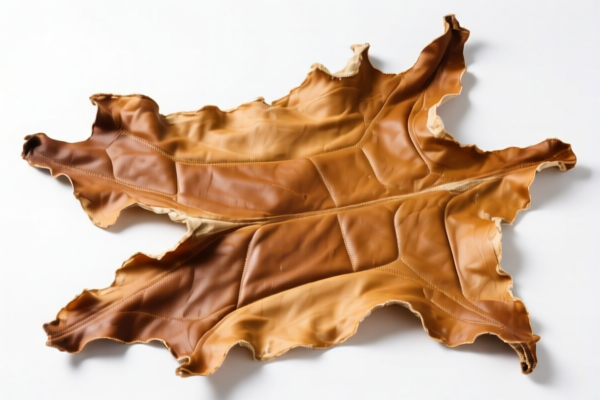
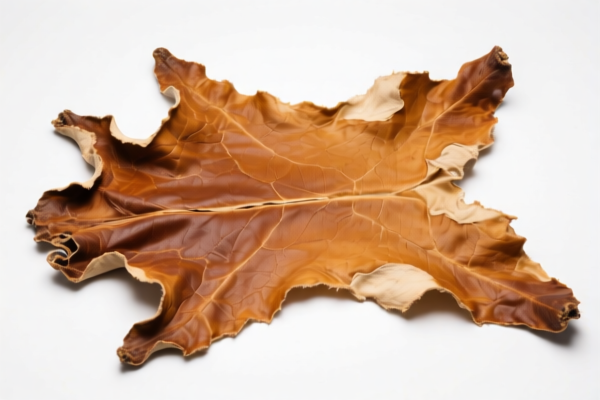


AI Analysis
🚗 Tanned Cowhide or Horsehide for Car Interior (Automotive Leather)
🌐 HS Code Reference & Customs Clearance Guide | 2026 Latest Tariff Analysis | Professional Compliance Strategy
📌 I. Product Definition & Classification: Do You Really Understand "Automotive Leather"?
Tanned cowhide or horsehide is the premium raw material for high-end automotive interiors, including seats, dashboards, door panels, and steering wheels. In international trade, the classification depends heavily on the processing stage and the specific animal origin. It is not a single commodity but a spectrum of leather types, ranging from raw tanned hides to further processed materials ready for upholstery.
Key Distinction Criteria: 1. Processing State: Is it merely "tanned without splitting" (Basic) or "further processed" (Advanced)? 2. Animal Origin: Is it specifically cowhide/horsehide, or does it fall under "other animals"? 3. Use Case: Explicitly for "Car Interior" is a usage descriptor, but the HS Code is determined by the physical state of the leather, not the end-use. However, the summary notes confirm these codes are applicable for this use.
⚠️ Critical Classification Point:
- Codes 4104 & 4107: Specifically for Cowhide or Horsehide. These are the primary targets for automotive interiors.
- Code 4106.91.00.00: For "Other Animals". If the leather is from sheep, pig, or other species, it falls here, but it attracts significantly higher tariffs.
- Difference between 4104 and 4107:4104typically covers hides/tanned without splitting.4107covers "further processed" leather (e.g., chrome-tanned, dyed, surface treated).
📦 II. HS Code Classification Details (2026 Latest Tariff Authority Comparison)
| HS Code | Product Description | Application in Auto Interior | Tax Burden | Processing Stage |
|---|---|---|---|---|
4104.11.30.60 |
Tanned cow/horsehide, without splitting, other | Basic tanned leather for upholstery | 12.4% | Tanned, unsplit |
4107.11.40.00 |
Tanned cow/horsehide, further processed | Surface-treated, dyed leather for premium seats | 12.5% | Further processed |
4107.12.40.00 |
Tanned cow/horsehide, further processed | Specific sub-category of further processed leather | 12.5% | Further processed |
4104.41.30.60 |
Tanned cow/horsehide, without splitting, other | Alternative code for basic tanned hide | 12.4% | Tanned, unsplit |
4106.91.00.00 |
Tanned leather of other animals (not cow/horse) | Non-cow/horse leather (e.g., sheep, pig) | 38.3% | Any stage |
🔍 Key Reminder:
- Codes4104and4107are the correct choices for cowhide/horsehide.
- Code4106.91.00.00is a high-penalty trap if you misclassify cowhide as "other animal." It incurs a 25% Section 301 duty + 10% IEEPA duty, totaling 38.3%.
- The difference between4104(12.4%) and4107(12.5%) is marginal (0.1%), but4107implies a higher level of processing (e.g., chrome-tanned, which is standard for cars).
💰 III. 2026 Latest Tariff Rate Breakdown (Including Additional Duties & Policies)
✅ Applicable Country: United States (US)
✅ Origin: China (CN)
✅ Effective Date: From November 10, 2025 (including subsequent imports)
🎯 1. 4104.11.30.60 & 4104.41.30.60 —— Tanned Cow/Horsehide (Unsplit)
| Item | Details |
|---|---|
| Base Rate | 2.4% (ad valorem) |
| Section 301 (Additional Duty) | 0.0% |
| IEEPA (Section 122) Duty | +10.0% (Specific to Chinese origin) |
| Total Effective Rate | 12.4% |
| Calculation Basis | CIF Value × 12.4% |
| De Minimis Exemption | ❌ Not Applicable (deny_de_minimis) |
| Legal Authority Path | IEEPA:9903.01.25 → FOOTNOTE:4104.11.30.60 |
📌 Explanation:
- The 12.4% total includes the 10% IEEPA surcharge specifically targeting Chinese leather products under Section 122.
- Unlike electronics, leather does not have a 25% Section 301 duty, but the 10% IEEPA is significant.
- Cost Impact: High. A $10,000 shipment incurs $1,240 in duties.
🎯 2. 4107.11.40.00 & 4107.12.40.00 —— Further Processed Cow/Horsehide
| Item | Details |
|---|---|
| Base Rate | 2.5% (ad valorem) |
| Section 301 (Additional Duty) | 0.0% |
| IEEPA (Section 122) Duty | +10.0% (Specific to Chinese origin) |
| Total Effective Rate | 12.5% |
| Calculation Basis | CIF Value × 12.5% |
| De Minimis Exemption | ❌ Not Applicable (deny_de_minimis) |
| Legal Authority Path | IEEPA:9903.01.25 → FOOTNOTE:4107.11.40.00 |
📌 Explanation:
- Only 0.1% higher than4104codes.
- Choose4107if the leather is chrome-tanned or has undergone additional finishing (common for auto interiors).
- Choose4104if it is simply tanned (e.g., veg-tanned) and unsplit.
🚫 3. 4106.91.00.00 —— Other Animal Leather (High Risk!)
| Item | Details |
|---|---|
| Base Rate | 3.3% (ad valorem) |
| Section 301 (Additional Duty) | +25.0% |
| IEEPA (Section 122) Duty | +10.0% |
| Total Effective Rate | 38.3% |
| Calculation Basis | CIF Value × 38.3% |
| De Minimis Exemption | ❌ Not Applicable |
| Legal Authority Path | IEEPA:9903.01.25 → USITC:4106.91.00.00 → FOOTNOTE:301:4106.91.00.00 |
📌 Warning:
- This code is a penalty zone for misclassified cow/horsehide.
- The 25% Section 301 duty is the main driver of cost.
- Misclassification Risk: If you declare cowhide as "sheepskin" to avoid higher taxes, you risk severe penalties. Only use this if the leather is genuinely from a non-cow/horse source.
🛠️ IV. Customs Clearance Operational Advice (Practical Pitfall Avoidance Guide)
✅ 1. Required Documentation Checklist (Mandatory)
| Document | Must Provide | Explanation |
|---|---|---|
| ✅ Commercial Invoice | ✔️ | Must clearly state "Tanned Cowhide/Horsehide for Automotive Interior" |
| ✅ Product Specification Sheet | ✔️ | Include tanning method (Chrome/Veg), thickness, finish, and origin |
| ✅ Material Composition Certificate | ✔️ | Confirm 100% Cowhide/Horsehide to avoid "Other Animal" classification |
| ✅ Photos of Raw Material | ✔️ | Show grain surface, edge, and any markings |
| ✅ Packing List | ✔️ | Detail quantity, weight, and dimensions |
| ✅ Bill of Lading/Air Waybill | ✔️ | Standard shipping documents |
✅ 2. Declaration Tips (Key Mantra)
🔥 “Be Specific, Be Accurate, Avoid ‘Other’!”
| Situation | Correct Declaration | Wrong Practice |
|---|---|---|
| Cowhide, Chrome-Tanned | 4107.11.40.00 |
Declaring as 4106.91.00.00 → 38.3% tax |
| Horsehide, Veg-Tanned | 4104.11.30.60 |
Declaring as "General Leather" → Audit Risk |
| Mixed Animal Hides | Split by HS Code | Consolidating under one code → Misclassification |
| Auto Interior Use | Mention in Description | Ignoring use case → Missed optimization |
📌 Note: Always specify "For Automotive Interior" in the description to aid customs understanding, but ensure the HS Code matches the physical product.
✅ 3. Special Case Handling
| Situation | Handling Advice |
|---|---|
| OEM Leather for Car Brands | Provide purchase orders from auto manufacturers to prove end-use, though HS Code remains the same |
| Leather with Synthetic Backing | If <50% leather, may be classified under Chapter 39 or 59. Consult expert |
| Small Sample Shipments | No de minimis exemption. Still subject to 12.4-12.5% duty |
| Misclassified as "Other Animal" | Immediate correction required. Pay difference + potential penalties |
🌍 V. Global Market Customs Comparison (2026 Latest)
| Country/Region | Recommended HS Code | Tariff Rate | Certification | Notes |
|---|---|---|---|---|
| 🇺🇸 USA | 4107.11.40.00 |
12.5% (China) | No special cert | High scrutiny on origin |
| 🇨🇳 China | 4107.11.40.00 |
8-10% (Import) | N/A | No Section 301/IEEPA |
| 🇪🇺 EU | 4107.11.40.00 |
6.5% | REACH (Chemicals) | No IEEPA |
| 🇦🇺 Australia | 4107.11.40.00 |
5% | N/A | Lower base rate |
| 🇯🇵 Japan | 4107.11.40.00 |
6% | Fitosanitary | No IEEPA |
📌 Conclusion:
- USA is the most expensive market due to the 10% IEEPA duty.
- EU, Australia, and Japan have lower base rates but may require chemical compliance (REACH in EU).
- No major market offers de minimis exemption for leather goods.
📌 VI. Common Errors & Pitfall Guide (Lessons from Blood and Tears)
❌ Error 1: Declaring Cowhide as "Other Leather" (4106)
👉 Consequence: 38.3% tariff instead of 12.5% → Overpayment of ~26%!
❌ Error 2: Confusing 4104 (Unsplit) with 4107 (Further Processed)
👉 Consequence: Minor tax difference (0.1%), but may trigger customs audit for incorrect description.
❌ Error 3: Omitting "Animal Origin" in Description
👉 Consequence: Customs may classify as "Other Animal" by default → High Tax.
❌ Error 4: Using "Auto Leather" as HS Code
👉 Consequence: Invalid HS Code → Cargo held at port → Demurrage Fees.
✅ Correct Practice:
"Tanned Chrome Cowhide, Unsplit, For Automotive Seats, Origin: China, Model: XYZ, Certified REACH/IFCS"
🎯 VII. Conclusion: Professional Declaration, Time-Saving, Cost-Efficiency!
🎯 Remember the Mantra:
🔹 "Cow/Horse is 12.4-12.5%, Other is 38.3%!"
🔹 "Specify Origin, Specify Tanning, Avoid 'Other'!"
🔹 "IEEPA 10% applies to ALL Chinese Leather!"
📌 Pro Tip:
If your leather is sourced from Vietnam, Mexico, or Thailand, you MAY qualify for IEEPA Exemption, reducing the total tariff to Base Rate Only (2.4%-2.5%).
Recommendation: Apply for Advance Ruling before shipment to confirm classification and avoid surprises.
📣 Immediate Action:
📞 Contact a Professional Customs Broker + Provide Product Photos + Apply for HS Code Advance Ruling
🚀 Let your automotive leather pass smoothly, efficiently, and profitably!
✨ Professional Clearance Starts with Precise Classification!
💼 Every Cent of Your Cost Deserves Accurate Calculation!
Customer Reviews
About HS Code Classification
The Harmonized System (HS) is an internationally standardized nomenclature developed by the World Customs Organization (WCO) to classify traded products. Over 200 countries use the HS system as the basis for customs tariffs, trade statistics, and import/export regulations.
Each HS code follows a hierarchical structure:
- Chapter (2 digits) — Broad category of goods (e.g., Chapter 84: Machinery and Mechanical Appliances)
- Heading (4 digits) — More specific grouping within the chapter
- Subheading (6 digits) — Internationally standardized breakdown, used by all WCO member countries
- National subdivisions (8-10 digits) — Country-specific extensions for further classification, such as US HTSUS 10-digit codes
Correct HS code classification is essential for smooth customs clearance, accurate duty payment, and compliance with trade regulations. Misclassification can lead to customs delays, overpayment of duties, or penalties.
When importing from CN to US, the applicable tariff rates may include:
- Most-Favored-Nation (MFN) rate — The standard duty rate applied to WTO members
- General rate — Applied to countries without trade agreements
- Trade remedy duties — Additional tariffs such as Section 301 (anti-dumping), Section 232 (national security), or countervailing duties
The information provided on this page is for reference purposes only. For official classification, please consult with your local customs authority or a licensed customs broker.