Tanned Furskins Assembled
CN → US| HS Code | Tariff Rate | Origin | Destination | Doc |
|---|---|---|---|---|
| 4205001000 | 35.0% | CN | US | Official Doc |
| 4303100030 | 39.0% | CN | US | Official Doc |
| 4303100060 | 39.0% | CN | US | Official Doc |
Product Images
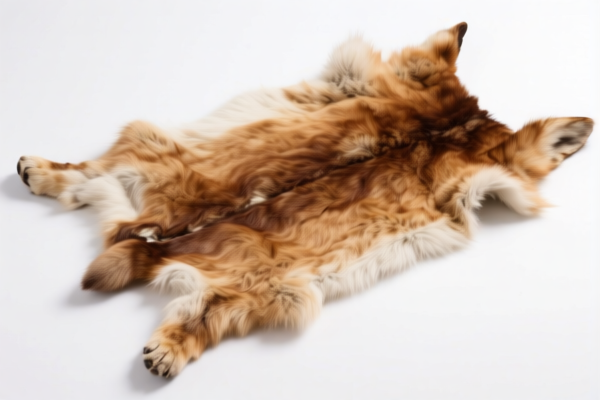
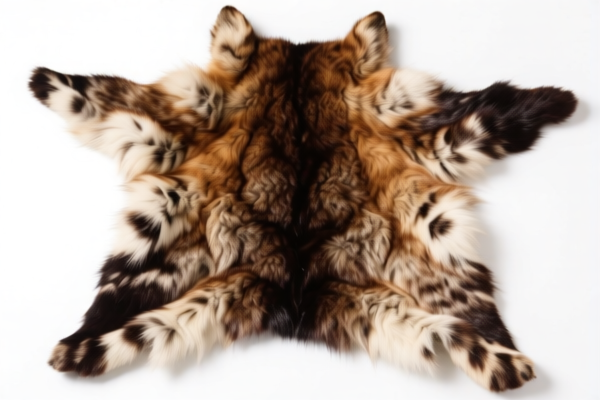
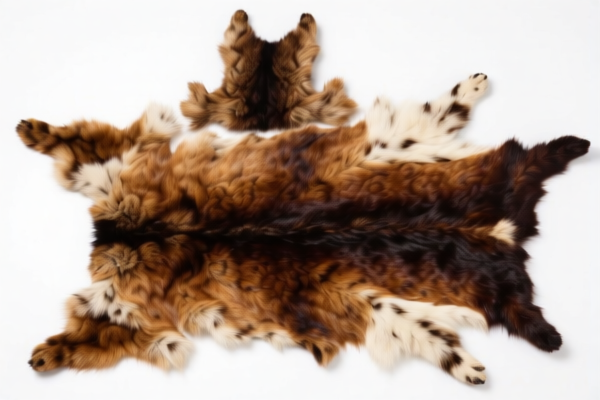
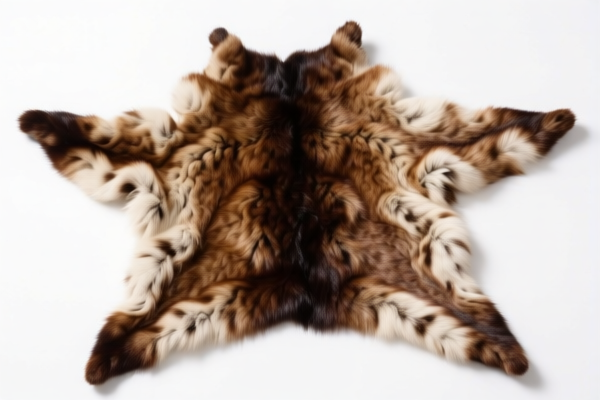
AI Analysis
🧥 Tanned Furskins Assembled: The Ultimate HS Code & Tax Guide (2026 Edition)
🌐 HS Code Reference & Customs Clearance Guide | 2026 Tariff Deep Dive | Professional Strategy
📌 One: What is "Tanned Furskins Assembled"? Are You Sure?
Tanned Furskins Assembled (often referred to as "Tanned Fur Products") represent the intersection of luxury fashion, raw material processing, and garment manufacturing. In international trade, these goods are strictly categorized based on their material composition, form, and final utility.
The Two Core Categories: 1. Standard Tanned Fur Products (Leather Category): Finished fur products used for non-apparel items (e.g., rugs, mats, decorative items). 2. Fur Apparel & Accessories (Garment Category): Finished fur products shaped specifically as clothing, coats, or wearable accessories.
⚠️ Critical Distinction:
- If the product is a general fur item (e.g., fur mats, trim, non-garment items) → Classified under 4205.00.10.00.
- If the product is a fur garment (e.g., coats, jackets, vests) or fur accessory (e.g., fur gloves, hats) → Classified under 4303.
- Mink (貂皮): Sub-code 4303.10.00.30.
- Other Furs (非貂皮): Sub-code 4303.10.00.60.
📦 Two: HS Code Classification Details (2026 Official Tariff Reference)
| HS Code | Product Description | Application Scenario | Material Specifics |
|---|---|---|---|
| 4205.00.10.00 | Finished Tanned Furskins (Non-Garment) | Fur mats, rugs, decorative trims, non-wearable fur items. | General leather/fur classification. |
| 4303.10.00.30 | Tanned Fur Garments (Mink/貂皮) | Fur coats, jackets, vests, hats, gloves made of Mink. | Specific to Mink fur products. |
| 4303.10.00.60 | Tanned Fur Garments (Other Furs) | Fur coats, jackets, vests, hats, gloves made of Fox, Sheep, etc. (Non-Mink). | Excludes Mink; covers all other fur types. |
🔍 Key Warning:
- Garment vs. Accessory: If the item is wearable (coat, jacket, glove), it must be classified under 4303, not 4205.
- Mink vs. Other: The distinction between Mink (30) and Other (60) is critical for tax precision. Mink often commands a specific sub-category.
- "Assembled": This term implies the skins have been cut, sewn, and finished into a usable product, distinguishing it from "raw" or "semi-finished" skins (which fall under different codes).
💰 Three: 2026 Tariff Rate Breakdown (Including Surtaxes & Policy Add-ons)
✅ Target Market: United States (US)
✅ Country of Origin: China (CN)
✅ Effective Date: 2025-11-10 (Including subsequent imports)
🎯 1. 4205.00.10.00 —— Tanned Fur Products (Non-Garment)
| Item | Content |
|---|---|
| Base Tariff | 0.0% |
| Section 232 / "Section 301" Surtax | +25.0% (Standard USITC Add-on) |
| 122-Section Add-on (IEEPA) | +10.0% (Specific to China/HK products) |
| Total Effective Rate | 35.0% |
| Tax Calculation | CIF Value × 35% |
| De Minimis Exemption | ❌ NO (Deny de minimis) |
| Legal Path | Base Tariff (0%) → Section 301 (25%) → 122-Section (10%) |
📌 Explanation:
- The 0% base tariff applies to the raw material nature of the product under general provisions.
- The 25% surtax is a heavy "Section 301" penalty for Chinese goods.
- The 10% "122-Section" tariff is an additional punitive measure specific to this category's trade policy.
- Total: 35% is a high-cost threshold requiring immediate budget allocation.
🎯 2. 4303.10.00.30 —— Tanned Fur Garments (Mink/貂皮)
| Item | Content |
|---|---|
| Base Tariff | 4.0% |
| Section 301 Surtax | +25.0% |
| 122-Section Add-on | +10.0% |
| Total Effective Rate | 39.0% |
| Tax Calculation | CIF Value × 39% |
| De Minimis Exemption | ❌ NO (Deny de minimis) |
| Legal Path | Base Tariff (4%) → Section 301 (25%) → 122-Section (10%) |
📌 Explanation:
- Unlike general fur products, garments have a 4% base tariff.
- However, the 35% additional surtax (25% + 10%) remains identical, pushing the total to 39%.
- Mink is a high-value commodity; the high tariff significantly impacts profit margins.
🎯 3. 4303.10.00.60 —— Tanned Fur Garments (Other Furs / Non-Mink)
| Item | Content |
|---|---|
| Base Tariff | 4.0% |
| Section 301 Surtax | +25.0% |
| 122-Section Add-on | +10.0% |
| Total Effective Rate | 39.0% |
| Tax Calculation | CIF Value × 39% |
| De Minimis Exemption | ❌ NO (Deny de minimis) |
| Legal Path | Base Tariff (4%) → Section 301 (25%) → 122-Section (10%) |
📌 Explanation:
- Identical tax structure to Mink (30), but applies to Fox, Rabbit, Sheep, etc.
- The 122-Section tariff is strictly applied to fur apparel from China.
- Total: 39% is the maximum burden for this category.
🛠️ Four: Customs Clearance Practical Advice (Pitfall Avoidance)
✅ 1. Documentation Checklist (Mandatory)
| Document | Required? | Description |
|---|---|---|
| ✅ Product Specification Sheet | ✔️ | Must detail: Fur type (Mink/Other), Tanning method, Size, Weight, Assembly method. |
| ✅ Composition Certificate | ✔️ | Prove if the product contains synthetic lining or other materials. |
| ✅ Photographs (Clear) | ✔️ | Show the final assembled form (Coat, Rug, etc.) and fur texture. |
| ✅ Origin Certificate (CO) | ✔️ | Crucial for proving China origin; required for surtax calculation. |
| ✅ Commercial Invoice | ✔️ | Must clearly state: "Tanned Furskins Assembled" + specific HS Code. |
| ✅ Packing List | ✔️ | Must match the invoice value and quantity exactly. |
✅ 2. Declaration Strategy (Golden Rules)
🔥 "Form Defines Code, Material Defines Sub-code, Name Must Be Precise!"
| Scenario | Correct Declaration | Risk of Error |
|---|---|---|
| Fur Coat (Mink) | 4303.10.00.30 + "Mink Fur Coat" |
❌ If declared as "Leather Product" → 35% (Still high, but classification error risk) |
| Fur Coat (Fox/Other) | 4303.10.00.60 + "Fox Fur Coat" |
❌ If declared as "Mink" → Customs Audit (Over/Underpayment) |
| Fur Rug/Mat | 4205.00.10.00 + "Fur Rug" |
❌ If declared as "Coat" → Rejection (Wrong HS Code) |
| Fur Lining Only | Check code for "Parts" (4205 vs 4303) | ❌ If declared as "Garment" → 39% vs potential lower "Parts" rate (if applicable) |
✅ 3. Special Handling Cases
| Situation | Recommendation |
|---|---|
| Mixed Material Products | If the fur is <80% of value, customs may re-classify as "Synthetic Garment" (lower tax) – Prove % composition. |
| Vintage or Repaired Fur | Must declare "Repaired" or "Vintage"; new products attract higher scrutiny. |
| Mink vs. Faux Mink | Faux fur (Synthetic) falls under Chapter 61/62 (Textiles), NOT Chapter 43. Crucial for tax saving! |
| Bulk vs. Retail | Bulk shipments (un-sewn skins) fall under different codes; Assembled means already sewn. |
🌍 Five: Global Market Comparison (2026)
| Country | Recommended HS Code | Tariff (China) | Key Requirement | Note |
|---|---|---|---|---|
| 🇺🇸 USA | 4303.10.00.30/60 / 4205.00.10.00 |
35% - 39% | CITES Permit (if applicable) | Highest Surtax; 122-Section applies. |
| 🇪🇺 EU | 4303.10 |
0% - 5% | CITES + Animal Welfare | No Section 301; lower base rates. |
| 🇨🇳 China | 4303 |
Low | CCC (if applicable) | Domestic trade only. |
| 🇦🇺 AU | 4303.10 |
10% | CITES | Moderate tax. |
📌 Conclusion:
- USA is the most expensive market for Tanned Furskins Assembled due to Section 301 + 122-Section surcharges.
- EU is the preferred alternative for lower tax, but CITES regulations are stricter for protected species.
- Always verify the fur species (Mink vs. Other) before shipping to the US.
📌 Six: Common Mistakes & Avoidance Guide (Lessons Learned)
❌ Mistake 1: Declaring a Fur Coat as "Leather Product" (4205).
👉 Consequence: 35% tax (similar to 39%) but triggers customs audit for wrong classification; potential delay.
❌ Mistake 2: Failing to distinguish Mink (30) vs. Other (60).
👉 Consequence: 39% tax is the same, but incorrect declaration leads to fines and reputation damage.
❌ Mistake 3: Not declaring 122-Section applicability.
👉 Consequence: Customs will automatically apply the 10% surcharge upon discovery; unexpected cost.
❌ Mistake 4: Confusing Faux Fur with Real Fur.
👉 Consequence: Real Fur = Chapter 43 (High Tax); Faux Fur = Chapter 61/62 (Lower Tax). Fake declaration = Fraud.
✅ Correct Approach:
"Tanned Mink Fur Coat, Full Pelt, Sewn, Model XYZ, Origin: China, CITES Compliant"
🎯 Seven: Conclusion: Precision is Profit!
🎯 Remember the Mantra:
🔹 "Assembled = Garment (4303), Rug = Product (4205)"
🔹 "Mink = .30, Other = .60"
🔹 "China Origin = 35-39% Total Tax"
🔹 "De Minimis = NO!"
📌 Pro Tip:
If your product is Faux Fur (Synthetic), it is NOT "Tanned Furskins"! Check Chapter 61 or 62 for potential lower tariffs and no 122-Section surcharge.
📣 Immediate Action:
📞 Contact a Licensed Broker + Verify Species + Prepare CITES Docs
🚀 Ensure Accurate Classification to avoid 39% Cost Shock and Customs Penalties!
✨ Professional Clearance Starts with the Right HS Code!
💼 Every percentage point counts in your profit margin!
Customer Reviews
About HS Code Classification
The Harmonized System (HS) is an internationally standardized nomenclature developed by the World Customs Organization (WCO) to classify traded products. Over 200 countries use the HS system as the basis for customs tariffs, trade statistics, and import/export regulations.
Each HS code follows a hierarchical structure:
- Chapter (2 digits) — Broad category of goods (e.g., Chapter 84: Machinery and Mechanical Appliances)
- Heading (4 digits) — More specific grouping within the chapter
- Subheading (6 digits) — Internationally standardized breakdown, used by all WCO member countries
- National subdivisions (8-10 digits) — Country-specific extensions for further classification, such as US HTSUS 10-digit codes
Correct HS code classification is essential for smooth customs clearance, accurate duty payment, and compliance with trade regulations. Misclassification can lead to customs delays, overpayment of duties, or penalties.
When importing from CN to US, the applicable tariff rates may include:
- Most-Favored-Nation (MFN) rate — The standard duty rate applied to WTO members
- General rate — Applied to countries without trade agreements
- Trade remedy duties — Additional tariffs such as Section 301 (anti-dumping), Section 232 (national security), or countervailing duties
The information provided on this page is for reference purposes only. For official classification, please consult with your local customs authority or a licensed customs broker.