Tanned Leather of Other Animals with Hair Side Removed
CN → US| HS Code | Tariff Rate | Origin | Destination | Doc |
|---|---|---|---|---|
| 4205006000 | 39.9% | CN | US | Official Doc |
| 4107994000 | 12.5% | CN | US | Official Doc |
| 4205008000 | 35.0% | CN | US | Official Doc |
| 4107998000 | 12.4% | CN | US | Official Doc |
| 4107998000 | 12.4% | CN | US | Official Doc |
Product Images
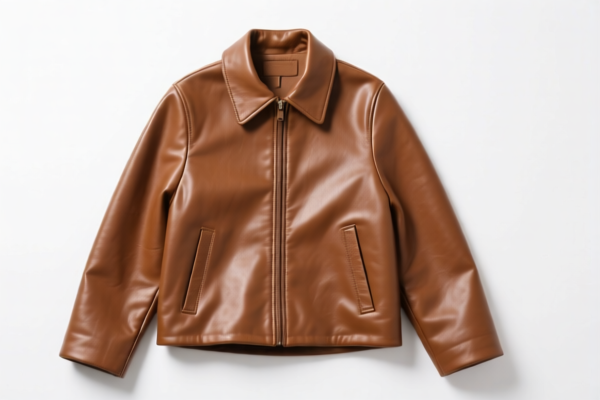
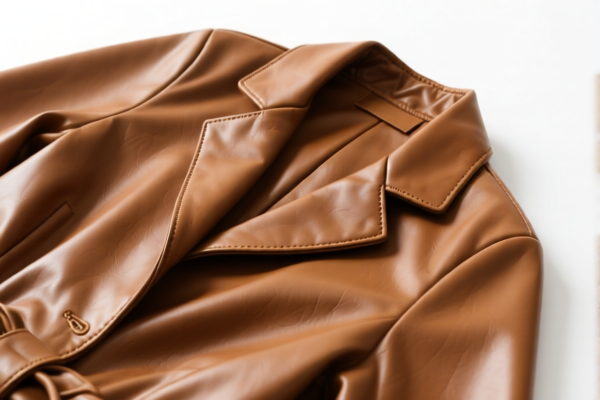
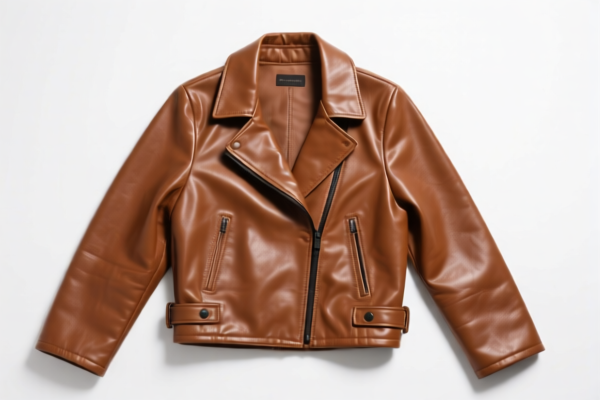
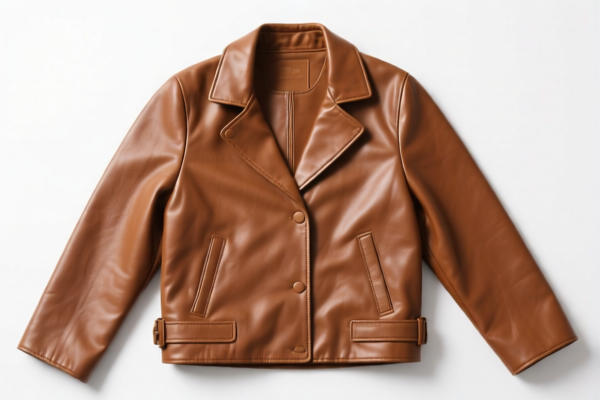
AI Analysis
🧵 Tanned Leather of Other Animals (Hair Side Removed)
🌐 HS Code Reference & Customs Clearance Guide | 2026 Latest Tariff Analysis | Professional Clearance Strategy
📌 Part 1: Product Definition & Classification: Do You Really Understand "Tanned Leather"?
"Tanned leather of other animals with the hair side removed" refers to animal skins that have undergone tanning to prevent rotting and are processed to remove the hair/fur layer. In international trade, this category is broad and often confused. The key distinction lies in whether the product is classified as a raw material (hide/skin) or a finished/semi-finished leather product.
Leather Goods (Leather Articles): Finished items or semi-finished forms specifically designed for leather goods (e.g., molded shapes, specific leather types for bags/shoes), typically falling under Chapter 42. Raw Tanned Hides/Skins: Unworked or minimally worked tanned hides, typically falling under Chapter 41.
⚠️ Key Distinction Point:
- If it is a molded shape, patterned for specific leather goods, or clearly intended as a leather article component → Classified under 4205.00 (Chapter 42 - Leather Goods).
- If it is general tanned hide/skin without specific shaping for final leather goods, or falls under "other tanned skins" → Classified under 4107.99 (Chapter 41 - Raw Hides and Skins).
📦 Part 2: HS Code Classification Details (2026 Latest Tariff Authority Comparison)
| HS Code | Product Description | Applicable Scenario | Base Tariff | Section 301 Tariff | IEEPA Tariff | Total Tax Rate |
|---|---|---|---|---|---|---|
4205.00.60.00 |
Other tanned leather of animals (hair side removed), fancy leather models, conforming to leather goods attributes | Leather goods components, molded leather shapes | 4.9% | 25.0% | 10% | 39.9% |
4107.99.40.00 |
Other tanned leather of animals (hair side removed), fancy leather models, belonging to other categories of tanned leather | General tanned hides, non-molded | 2.5% | 0.0% | 10% | 12.5% |
4205.00.80.00 |
Other tanned leather of animals (hair side removed), fancy leather models, conforming to other leather goods scope | Other leather articles/components | 0.0% | 25.0% | 10% | 35.0% |
4107.99.80.00 |
Other tanned leather of animals (hair side removed), fancy leather models, matching other hairless tanned skin classification | Other hairless tanned skins | 2.4% | 0.0% | 10% | 12.4% |
4107.99.80.00 |
Other tanned leather of animals (wet-state tanned skin, hairless), conforming to the limitation of tanned skins and hairless | Wet-state tanned hairless skins | 2.4% | 0.0% | 10% | 12.4% |
🔍 Key Reminder:
- All "leather goods attributes" (molded, specific shapes for bags/shoes) fall under Chapter 42 (4205.00), which triggers 25% Section 301 tariffs.
- "Raw Tanned Skins" (general hides) fall under Chapter 41 (4107.99), which typically do not trigger Section 301 tariffs (0%), resulting in significantly lower total tax rates.
- Even though Section 301 is 0% for Chapter 41, the IEEPA 10% still applies.
💰 Part 3: 2026 Latest Tariff Rate Details (Including Additional Taxes, Policy Add-ons)
✅ Applicable Country: United States (US)
✅ Origin: China (CN)
✅ Effective Time: 2025 November 10 onwards (including subsequent imports)
🎯 1. 4205.00.60.00 — Tanned Leather for Leather Goods (High Tariff)
| Item | Content |
|---|---|
| Base Tariff | 4.9% (ad valorem) |
| USITC Section 301 Additional Tax | +25% (Under USITC Footnote for Chapter 42) |
| IEEPA Additional Tax | +10% (Against China/HK products, from 2025 November 10) |
| Total Rate | 39.9% |
| Tax Calculation | CIF Value × 39.9% |
| De Minimis Exemption Eligible? | ❌ No (deny_de_minimis) |
| Legal Basis Path | IEEPA:9903.01.25 → IEEPA:9903.01.24 → USITC:4205.00.60.00 → FOOTNOTE:301.82 |
📌 Explanation:
- "Section 301 Additional Tax 25%" comes from the "Additional Tariffs" under Section 301 of the Trade Act;
- "IEEPA 10%" is the对华加征关税 under the International Emergency Economic Powers Act;
- Total 39.9%, belonging to high tariffs, must be anticipated in advance!
🎯 2. 4107.99.40.00 — Other Tanned Leather (Low Tariff)
| Item | Content |
|---|---|
| Base Tariff | 2.5% |
| USITC Section 301 Additional Tax | 0% |
| IEEPA Additional Tax | +10% |
| Total Rate | 12.5% |
| Tax Calculation | CIF × 12.5% |
| De Minimis Exemption Eligible? | ❌ No |
| Legal Basis Path | IEEPA:9901.25 → IEEPA:9903.01.24 → USITC:4107.99.40.00 → FOOTNOTE:301.41 |
📌 Note:
- Unlike Chapter 42, Chapter 41 tanned hides/skins generally do not incur Section 301 tariffs.
- Even for "fancy leather models" that do not fit specific leather goods categories, the rate remains low.
🎯 3. 4205.00.80.00 — Other Leather Goods (High Tariff)
| Item | Content |
|---|---|
| Base Tariff | 0% |
| USITC Section 301 Additional Tax | +25% |
| IEEPA Additional Tax | +10% |
| Total Rate | 35.0% |
| Tax Calculation | CIF × 35.0% |
| De Minimis Exemption Eligible? | ❌ No |
| Legal Basis Path | IEEPA:9901.25 → IEEPA:9903.01.24 → USITC:4205.00.80.00 → FOOTNOTE:301.82 |
📌 Note:
- Similar to4205.00.60.00, any classification under Chapter 42 triggers the 25% Section 301 tariff.
- Base tariff is 0%, but the total remains high due to add-ons.
🎯 4. 4107.99.80.00 — Other Hairless Tanned Skins (Lowest Tariff)
| Item | Content |
|---|---|
| Base Tariff | 2.4% |
| USITC Section 301 Additional Tax | 0% |
| IEEPA Additional Tax | +10% |
| Total Rate | 12.4% |
| Tax Calculation | CIF × 12.4% |
| De Minimis Exemption Eligible? | ❌ No |
| Legal Basis Path | IEEPA:9901.25 → IEEPA:9903.01.24 → USITC:4107.99.80.00 → FOOTNOTE:301.41 |
📌 Note:
- This is the lowest tax rate option for tanned leather of other animals.
- Applicable to "wet-state tanned skins" or general "other hairless tanned skins" that are not classified as leather goods.
🛠️ Part 4: Customs Clearance Practical Advice (Battle-Tested Pitfall Avoidance Guide)
✅ 1. Document Checklist (All are mandatory)
| Document | Mandatory | Description |
|---|---|---|
| ✅ Product Specification Sheet | ✔️ | Includes animal type, tanning method, thickness, finish |
| ✅ Product Photos | ✔️ | Clear images showing texture, edges, and any unique features |
| ✅ Tanning Process Description | ✔️ | To determine if it's "wet-state" or "finished" |
| ✅ Commercial Invoice | ✔️ | Must clearly state "Tanned Leather, Hair Side Removed" |
| ✅ Packing List | ✔️ | Details quantity, weight, and packaging |
| ✅ Certificate of Origin | ✔️ | If non-China origin, may apply for preferential rates |
✅ 2. Declaration Tips (Key Mantra)
🔥 "Chapter 42 is 301, Chapter 41 is not! Know your 'Goods' vs. 'Skin'!"
| Scenario | Correct Declaration | Wrong Practice |
|---|---|---|
| Leather for bags/shoes (molded/finished) | 4205.00.xx.xx |
Misdeclare as "raw skin" → 35-40% tax |
| General tanned hides (no specific shape) | 4107.99.xx.xx |
Misdeclare as "leather goods" → Unnecessary 25% tax |
| Wet-state tanned skins | 4107.99.80.00 |
Misdeclare as finished leather → Higher tax |
| Fancy leather models (non-specific) | 4107.99.40.00 or 4107.99.80.00 |
Misdeclare as 4205 → Higher tax |
✅ 3. Special Cases Handling
| Scenario | Handling Advice |
|---|---|
| OEM Custom Leather | Provide client order + design specs. If it's a "molded shape for leather goods," it falls under Chapter 42. |
| Leather with Hair | If hair is not removed, it may fall under different codes (e.g., 4104.xx). Ensure "hair side removed" is accurate. |
| Mixed Shipments | Separate "leather goods components" (4205) from "raw hides" (4107) in declaration to avoid confusion. |
| Wet-State Tanned Skins | Clearly declare as "wet-state" to support classification under 4107.99.80.00 for lower tax. |
🌍 Part 5: Global Major Market Clearance Comparison (2026 Latest)
| Country/Region | Recommended HS Code | Tariff | Certification Requirement | Remarks |
|---|---|---|---|---|
| 🇺🇸 US | 4107.99.80.00 (Raw) / 4205.00.60.00 (Goods) |
12.4% (Raw) / 39.9% (Goods) | None specific | High tax on Chapter 42 due to Section 301 |
| 🇨🇳 China | 4107.99.80.00 |
~5-10% | None | Lower base tariffs, no Section 301 |
| 🇪🇺 EU | 4107.99 |
4-10% | REACH (Chemicals) | No Section 301 equivalent |
| 🇦🇺 Australia | 4107.99 |
5% | None | No additional add-ons |
| 🇯🇵 Japan | 4107.99 |
3-5% | None | No additional add-ons |
📌 Conclusion:
- The US is the only major market with high Section 301 tariffs on leather goods (Chapter 42).
- Chapter 41 (Raw Tanned Skins) enjoys 0% Section 301, making it significantly cheaper to import into the US.
- China-produced leather in the US faces huge cost differences based on classification. Proper classification can save 25% in tariffs.
📌 Part 6: Common Errors & Pitfall Avoidance Guide (Blood-Tested Lessons)
❌ Mistake 1: Declaring "finished leather bags" as "raw tanned skins" (4107)
👉 Consequence: Customs will reclassify to 4205 → Back taxes + Penalties!
❌ Mistake 2: Declaring "general tanned hides" as "leather goods" (4205)
👉 Consequence: Paying an extra 25% Section 301 tax unnecessarily → Lost profit!
❌ Mistake 3: Not specifying "hair side removed" in description
👉 Consequence: Customs may classify under different codes (e.g., with hair) → Delay or rejection
❌ Mistake 4: Using vague terms like "Leather Material"
👉 Consequence: Ambiguity leads to random classification → Risk of high tax
✅ Correct Practice:
"Tanned Cowhide Leather, Hair Side Removed, Wet-State, for General Use, No Specific Shape, Model XYZ"
OR
"Molded Leather Component for Handbag, Hair Side Removed, Chapter 42 Leather Good, Model ABC"
🎯 Part 7: Conclusion: Professional Declaration, Save Time and Cost!
🎯 Remember the Mantra:
🔹 "Chapter 42 = 301 Tariff = High Cost! Chapter 41 = No 301 = Low Cost!"
🔹 "HS Code Determines Life or Death, 25% Difference in Tax, One Step in Declaration, Thousands in Tax!"
📌 Tips:
- If your leather is originally from Vietnam, Mexico, Thailand, Malaysia, you may apply for IEEPA Exemption or avoid Section 301 entirely.
- Suggest applying for an Advance Ruling before shipment to avoid clearance risks.
📣 Immediate Action:
📞 Contact a professional customs broker + Provide Product Photos + Apply for HS Code Advance Ruling
🚀 Let your leather pass through customs smoothly, export efficiently, and double profits!
✨ Professional Clearance Starts with Precise Classification!
💼 Every cent of your cost deserves to be precisely calculated!
Customer Reviews
About HS Code Classification
The Harmonized System (HS) is an internationally standardized nomenclature developed by the World Customs Organization (WCO) to classify traded products. Over 200 countries use the HS system as the basis for customs tariffs, trade statistics, and import/export regulations.
Each HS code follows a hierarchical structure:
- Chapter (2 digits) — Broad category of goods (e.g., Chapter 84: Machinery and Mechanical Appliances)
- Heading (4 digits) — More specific grouping within the chapter
- Subheading (6 digits) — Internationally standardized breakdown, used by all WCO member countries
- National subdivisions (8-10 digits) — Country-specific extensions for further classification, such as US HTSUS 10-digit codes
Correct HS code classification is essential for smooth customs clearance, accurate duty payment, and compliance with trade regulations. Misclassification can lead to customs delays, overpayment of duties, or penalties.
When importing from CN to US, the applicable tariff rates may include:
- Most-Favored-Nation (MFN) rate — The standard duty rate applied to WTO members
- General rate — Applied to countries without trade agreements
- Trade remedy duties — Additional tariffs such as Section 301 (anti-dumping), Section 232 (national security), or countervailing duties
The information provided on this page is for reference purposes only. For official classification, please consult with your local customs authority or a licensed customs broker.