Tanned Raw Hide or Horsehide (Hairless)
CN → US| HS Code | Tariff Rate | Origin | Destination | Doc |
|---|---|---|---|---|
| 4107114000 | 12.5% | CN | US | Official Doc |
| 4107111020 | 35.0% | CN | US | Official Doc |
| 4107914000 | 12.5% | CN | US | Official Doc |
| 4104195080 | 13.3% | CN | US | Official Doc |
| 4104115080 | 13.3% | CN | US | Official Doc |
Product Images
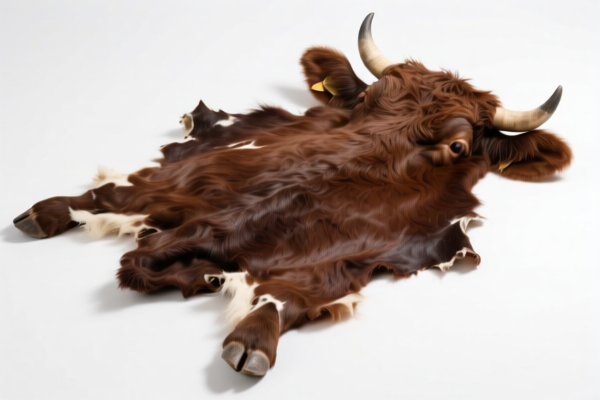
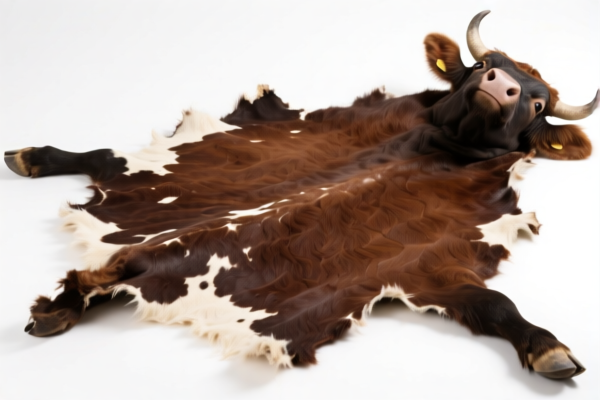
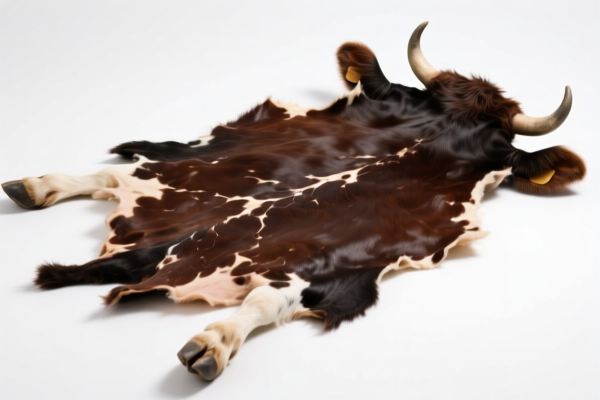
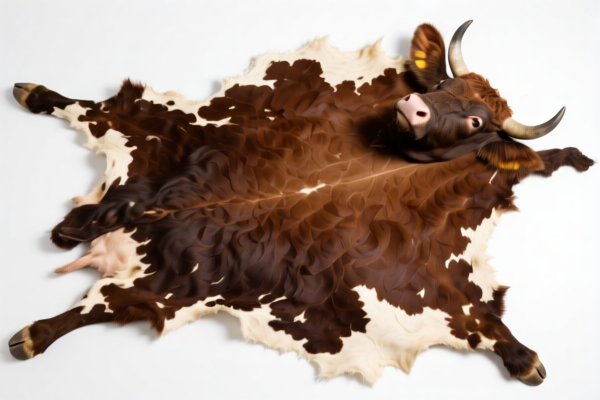
AI Analysis
🐎 Tanned Raw Hide or Horsehide (Hairless)
🌐 HS Code Reference & Customs Clearance Guide | 2026 Latest Tariff Analysis | Professional Level Compliance Strategy
📌 I. Product Definition & Classification: Do You Really Understand "Tanned Leather"?
Tanned Raw Hide or Horsehide (Hairless) refers to animal skins (specifically water buffalo or horse) that have undergone the tanning process to make them durable and resistant to decay, with all hair removed. In international trade, these products are critical raw materials for the footwear, leather goods, and automotive industries.
According to the provided , these products are classified under Chapter 41 (Raw Hides and Skins and Leather). The classification depends heavily on the specific animal species (Horse vs. Buffalo) and the technical processing standard (e.g., full-grain, split, or general tanning).
⚠️ Key Distinction Point:
- If the leather is Water Buffalo and meets general tanning criteria → Often falls under 4107.11 or 4107.91 with lower base duties.
- If the leather is Horsehide and meets specific tanning standards → May fall under 4104.19 or 4104.11, incurring different base duties.
- Crucial Note: All items in this dataset are subject to Section 122 tariffs (likely referencing specific US trade provisions like Section 301/IEEPA), adding a fixed 10% to the total tax burden.
📦 II. HS Code Classification Details (Authoritative 2026 Tariff对照)
| HS Code | Product Description & Scope | Total Tax Rate | Key Characteristics |
|---|---|---|---|
4107.11.40.00 |
Tanned water buffalo or horse hide, hairless, not further worked | 12.5% | Base: 2.5% + Sec 122: 10%. Suitable for full-hide/large pieces. |
4107.11.10.20 |
Tanned horse or water buffalo hide, hairless, full hide classification | 35.0% | Base: 0.0% + Added: 25.0% + Sec 122: 10%. High Tariff Item. |
4107.91.40.00 |
Tanned & de-haired buffalo/horse hide, full-grain, unsplit | 12.5% | Base: 2.5% + Sec 122: 10%. Specific "full-grain/unsplit" feature. |
4104.19.50.80 |
Tanned horse hide, non-wet blue, other horse hide tanned/semi-tanned | 13.3% | Base: 3.3% + Sec 122: 10%. Specific to "non-wet blue" horsehide. |
4104.11.50.80 |
Tanned horse hide, fitting horse hide definition | 13.3% | Base: 3.3% + Sec 122: 10%. General tanned horsehide under Ch 41. |
🔍 Important Reminder:
- The difference between 12.5% and 35.0% is significant.4107.11.10.20attracts a massive 25% additional tariff on top of the 10% Section 122 fee. - Section 122 Tariff: A fixed 10% is applied to ALL HS codes listed above, regardless of the base duty rate. This is a non-negotiable cost driver in this dataset.
💰 III. 2026 Latest Tariff Rate Breakdown (Including Add-ons & Policy Surcharges)
✅ Applicable Market: Implied US Market (Due to "Section 122" and specific tariff structures)
✅ Origin: Likely China/Global (Base duties vary)
✅ Effective Time: 2025-2026 Period
🎯 1. 4107.11.40.00 & 4107.91.40.00 —— Buffalo/Horsehide (Standard Tanning)
| Item | Content |
|---|---|
| Base Duty | 2.5% (Ad valorem) |
| Section 122 Tariff | +10% (Fixed addition) |
| Additional Tariff | 0.0% |
| Total Effective Rate | 12.5% |
| Tax Calculation | CIF Value × 12.5% |
| De Minimis Exemption | ❌ Not Applicable (Leather goods generally excluded from low-value exemptions) |
| Legal Basis | HTSUS Chapter 41; Section 122 Provisions |
📌 Explanation:
- These two codes represent the most cost-effective options in the dataset. - The low base duty (2.5%) combined with the flat 10% Section 122 fee results in a manageable 12.5% total. - Suitable for bulk raw material imports where product is standard tanned hide.
🎯 2. 4107.11.10.20 —— Tanned Horse/Water Buffalo (Specific Classification)
| Item | Content |
|---|---|
| Base Duty | 0.0% |
| Additional Tariff | +25.0% (Significant surcharge) |
| Section 122 Tariff | +10% |
| Total Effective Rate | 35.0% |
| Tax Calculation | CIF Value × 35.0% |
| De Minimis Exemption | ❌ Not Applicable |
| Legal Basis | HTSUS Chapter 41; Specific Footnotes for High-Tariff Leather |
📌 Warning:
- This is the highest tariff item in the list. - Despite having a 0% base duty, the 25% additional tariff drives the cost up drastically. - Strategy: Avoid this HS code unless the product quality/price justification outweighs the 35% cost. Verify if a reclassification to4107.11.40.00(12.5%) is possible based on exact physical characteristics.
🎯 3. 4104.19.50.80 & 4104.11.50.80 —— Tanned Horsehide (Specific Horsehide Categories)
| Item | Content |
|---|---|
| Base Duty | 3.3% (Ad valorem) |
| Section 122 Tariff | +10% |
| Additional Tariff | 0.0% |
| Total Effective Rate | 13.3% |
| Tax Calculation | CIF Value × 13.3% |
| De Minimis Exemption | ❌ Not Applicable |
| Legal Basis | HTSUS Chapter 41; Section 122 Provisions |
📌 Explanation:
- These codes apply specifically to Horsehide that falls under the "Other Tanned" or "Wet Blue" non-exclusion categories. - The 13.3% rate is slightly higher than the Buffalo/General codes (12.5%) but significantly lower than the 35% premium code. - Key for imports where the supplier specifically declares "Horsehide" rather than general "Buffalo/Horse" mix.
🛠️ IV. Customs Clearance Practical Advice (Real-World Pitfall Avoidance)
✅ 1. Preparation Checklist (Non-Negotiable)
| Document | Required | Purpose |
|---|---|---|
| ✅ Product Specification Sheet | ✔️ | Must specify: Animal Species (Horse vs. Buffalo), Tanning Method (Vegetable/Chrome), Hair Removal Status. |
| ✅ Technical Data Sheet | ✔️ | Confirm "Full-Grain," "Split," or "Unsplit" status to distinguish between 4107 and 4104 codes. |
| ✅ Commercial Invoice | ✔️ | Must clearly state "Tanned Raw Hide/Horsehide, Hairless." No vague terms like "Leather." |
| ✅ Packing List | ✔️ | Weight and dimensions per hide/skin. |
| ✅ Origin Certificate | ✔️ | Critical for verifying base duty rates. |
| ✅ Third-Party Inspection Report | ✔️ | Certifies hair removal and tanning quality to prevent reclassification disputes. |
✅ 2. Declaration Strategy (Key Mantra)
🔥 “Specify Species, Define Tanning, Avoid Ambiguity, Lower the Tax!”
| Scenario | Correct Declaration | Incorrect Practice |
|---|---|---|
| General Tanned Buffalo/Horse | 4107.11.40.00 (12.5%) |
Declaring as generic "Leather" → Risk of 35% or rejection. |
| Specific Full-Grain Unsplit | 4107.91.40.00 (12.5%) |
Missing "Unsplit" detail → Risk of reclassification. |
| Pure Horsehide (Non-Wet Blue) | 4104.19.50.80 (13.3%) |
Misdeclaring as Buffalo → Potential fraud/penalties. |
| High-Value Specific Horsehide | 4107.11.10.20 (35.0%) |
AVOID if possible. Check if 4107.11.40.00 applies. |
📌 Critical Tip:
- The distinction between 4107 and 4104 is technical.
- 4107 often covers "Tanned/Retanned" skins in general categories.
- 4104 covers "Wet Blue" or specific "Other Tanned" categories.
- Action: Provide clear photos of the grain side and flesh side to customs brokers to prove the physical state.
✅ 3. Special Circumstances Handling
| Situation | Handling Advice |
|---|---|
| Mixed Batches (Horse + Buffalo) | Separate shipments if possible. Mixed declarations lead to higher scrutiny and potential misclassification risks. |
| Leather vs. Raw Hide | Ensure "Tanned" status is proven. Untanned hides fall under Chapter 41.03-41.06, not 41.07/41.04. Misclassification = Penalty. |
| Section 122 Application | Confirm if the specific shipment falls under the "Section 122" provision (often related to specific trade actions). It applies to ALL entries in this data set. |
| De Minimis (De Minimis Value) | Leather goods DO NOT qualify for de minimis exemptions (e.g., $800 threshold in US) in this context due to high regulatory scrutiny. Full duty payment is expected. |
🌍 V. Global Market Clearance Comparison (2026 Latest)
| Country/Region | Recommended HS Code | Est. Tariff | Certification/Remarks |
|---|---|---|---|
| 🇺🇸 USA | 4107.11.40.00 |
12.5% | Section 122 (10%) included. High scrutiny on origin. |
| 🇨🇳 China | 4107.11.40.00 |
~5-10% | Depends on FTAs (RCEP etc.). No Section 122. |
| 🇪🇺 EU | 4107.11.40.00 |
~4-6% | CE/REACH compliance for chemical residues in tanning. |
| 🇬🇧 UK | 4107.11.40.00 |
~4-6% | Post-Brexit tariff schedules apply. |
📌 Conclusion:
- USA is the most complex market due to the addition of the 10% Section 122 and potential 25% additional tariffs on specific codes. - Cost Optimization: Aim for4107.11.40.00or4107.91.40.00(12.5%) instead of4107.11.10.20(35.0%). - Documentation is King: The difference between 12.5% and 35% is entirely in the technical description of the hide (e.g., "full-grain unsplit" vs. "general tanned").
📌 VI. Common Errors & Pitfall Guide (Blood & Tears Lessons)
❌ Error 1: Declaring "Leather" generically without specifying "Hairless" or "Tanned"
👉 Consequence: Customs may classify under a higher duty or reject the entry for incomplete data.
❌ Error 2: Confusing "Wet Blue" (4104) with "Fully Tanned" (4107)
👉 Consequence: If declared as Wet Blue but physically fully tanned, you may face penalties for misdeclaration. Conversely, under-decluting duty by using Wet Blue rates for Fully Tanned goods is dangerous.
❌ Error 3: Ignoring Section 122 Tariff
👉 Consequence: Budgeting only for base duty (e.g., 2.5%) and failing to pay the 10% Section 122 fee leads to seizure or heavy fines.
❌ Error 4: Using 4107.11.10.20 without justification
👉 Consequence: Paying 35% tax when 4107.11.40.00 (12.5%) might have been applicable based on slight technical differences.
✅ Correct Practice:
"Tanned Water Buffalo Hide, Hairless, Full-Grain, Not Further Processed, Model BX-100, Tanned with Vegetable Agents"
HS Code:4107.11.40.00
Tax: 12.5%
🎯 VII. Conclusion: Precise Classification Saves Money!
🎯 Remember the Mantra:
🔹 "Species Matters, Tanning Matters, Section 122 Adds 10%!"
🔹 "Avoid Code .10.20 (35%), Aim for .40.00 (12.5%)."
🔹 "Documentation is Your Shield Against Misclassification."
📌 Pro Tip:
If your supplier provides Horsehide specifically, check if it fits
4104.11.50.80(13.3%) or4107.11.40.00(12.5%) instead of the high-duty4107.11.10.20. Small differences in physical structure (e.g., split vs. unsplit) can save you 22.5% in taxes.
📣 Immediate Action:
📞 Consult your customs broker with detailed product photos.
📄 Request a Pre-Ruling if the distinction between codes is ambiguous.
🚀 Optimize your supply chain to declare the most favorable HS Code legally.
✨ Professional Clearance Starts with Accurate Classification!
💼 Every Percent Saved is Pure Profit!
Customer Reviews
About HS Code Classification
The Harmonized System (HS) is an internationally standardized nomenclature developed by the World Customs Organization (WCO) to classify traded products. Over 200 countries use the HS system as the basis for customs tariffs, trade statistics, and import/export regulations.
Each HS code follows a hierarchical structure:
- Chapter (2 digits) — Broad category of goods (e.g., Chapter 84: Machinery and Mechanical Appliances)
- Heading (4 digits) — More specific grouping within the chapter
- Subheading (6 digits) — Internationally standardized breakdown, used by all WCO member countries
- National subdivisions (8-10 digits) — Country-specific extensions for further classification, such as US HTSUS 10-digit codes
Correct HS code classification is essential for smooth customs clearance, accurate duty payment, and compliance with trade regulations. Misclassification can lead to customs delays, overpayment of duties, or penalties.
When importing from CN to US, the applicable tariff rates may include:
- Most-Favored-Nation (MFN) rate — The standard duty rate applied to WTO members
- General rate — Applied to countries without trade agreements
- Trade remedy duties — Additional tariffs such as Section 301 (anti-dumping), Section 232 (national security), or countervailing duties
The information provided on this page is for reference purposes only. For official classification, please consult with your local customs authority or a licensed customs broker.