Tanned leather of other animals, dehaired
CN → US| HS Code | Tariff Rate | Origin | Destination | Doc |
|---|---|---|---|---|
| 4205006000 | 39.9% | CN | US | Official Doc |
| 4107994000 | 12.5% | CN | US | Official Doc |
| 4205008000 | 35.0% | CN | US | Official Doc |
| 4107998000 | 12.4% | CN | US | Official Doc |
| 4107998000 | 12.4% | CN | US | Official Doc |
Product Images
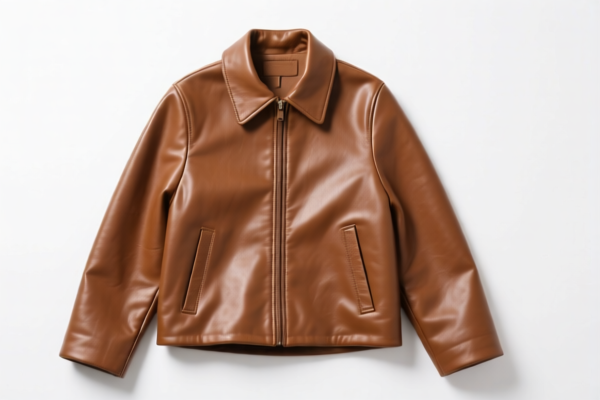
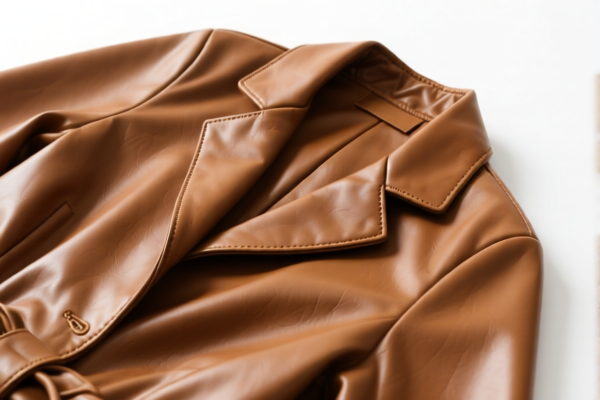
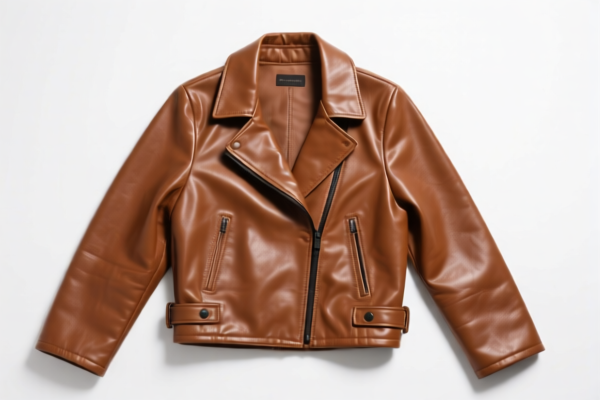
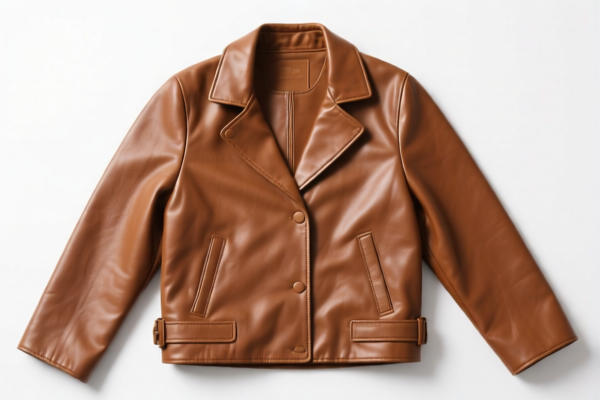
AI Analysis
🦌 Tanned Leather of Other Animals, Dehaired (Other Animal Tanned Leather)
🌐 HS Code Reference & Customs Clearance Guide | 2026 Latest Tariff Analysis | Professional Clearance Strategy
📌 One, Product Definition and Classification: What exactly is "Other Animal Tanned Leather"?
"Tanned leather of other animals, dehaired" refers to hides or skins from animals other than bovine (cattle), equine (horse/donkey/mule), ovine (sheep), caprine (goat), or swine (pig). Common sources include deer, elk, kangaroo, ostrich, crocodile, python, lizard, snake, and other exotic or non-traditional livestock.
Key Characteristics: 1. Dehaired: The hair/fur has been removed. 2. Tanned: Processed to be stable, rot-resistant, and supple. 3. "Other Animals": Excludes the five major traditional categories (bovine, equine, ovine, caprine, swine).
In international trade, these products are split into two main categories based on their final use and form: * Raw/Process Leather: Classified under Chapter 41 (Raw hides and skins; leather). This is the material itself. * Manufactured Goods: Classified under Chapter 42 (Articles of leather; saddlery and harness). This is the leather made into a specific product (e.g., belts, bags, wallets).
⚠️ Critical Distinction:
- If the item is just the hide/skin (even if tanned) → Chapter 41.
- If the item is cut/formed into a specific shape or assembled into a finished article → Chapter 42.
- Example: A flat sheet of deer leather = 4107. A cut deer leather wallet = 4205.
📦 二、HS Code Classification Details (2026 Latest Tariff Authority Comparison)
Based on the provided data, here is the detailed breakdown for "Other Animal Tanned Leather, Dehaired":
| HS Code | Product Description | Category | Status |
|---|---|---|---|
4107.99.40.00 |
Other animal tanned leather (dehaired), fancy leather models | Chapter 41: Tanned Leather | ✅ Leather Material |
4107.99.80.00 |
Other animal wet-chrome tanned leather, hair removed | Chapter 41: Tanned Leather | ✅ Leather Material |
4107.99.80.00 |
Other animal tanned leather (dehaired), fancy leather models | Chapter 41: Tanned Leather | ✅ Leather Material |
4205.00.60.00 |
Other animal tanned leather (dehaired), fancy leather models | Chapter 42: Leather Articles | ❌ Finished/Prepared Goods |
4205.00.80.00 |
Other animal tanned leather (dehaired), fancy leather models | Chapter 42: Leather Articles | ❌ Finished/Prepared Goods |
🔍 Key Insight:
- HS Code4107.99.40.00and4107.99.80.00are for raw/semi-finished leather. They attract lower base tariffs but face 122 Clause tariffs.
- HS Code4205.00.60.00and4205.00.80.00are for leather articles or specific leather forms. They attract high base tariffs AND Section 301/122 tariffs.
💰 三、2026 Latest Tariff Rate Breakdown (Including Additional Taxes & Policy Surcharges)
✅ Applicable Country: United States (US)
✅ Origin: China (CN)
✅ Effective Date: Post-2025 (Including subsequent imports)
🎯 1. HS Code 4107.99.40.00 – Other Animal Tanned Leather (Dehaired)
| Item | Content |
|---|---|
| Base Tariff | 2.5% (ad valorem) |
| Section 301 Surcharge | 0.0% (No additional 301 tariff for this specific subheading in the provided data) |
| 122 Clause Tariff | 10% (Under 122 Clause provisions) |
| Total Effective Tax Rate | 12.5% |
| Tax Calculation | CIF Value × 12.5% |
| De Minimis Eligibility | ❌ No (Denied for de minimis clearance) |
| Legal Basis Path | Base: 2.5% → 122 Clause: 10% |
📌 Explanation:
- This code benefits from a low base tariff (2.5%).
- However, it is subject to the 122 Clause tariff of 10%, bringing the total to 12.5%.
- No Section 301 (25%) is applied here, making it significantly cheaper than Chapter 42 classifications.
🎯 2. HS Code 4107.99.80.00 – Other Animal Tanned Leather (Dehaired/Wet-Chrome)
| Item | Content |
|---|---|
| Base Tariff | 2.4% (ad valorem) |
| Section 301 Surcharge | 0.0% |
| 122 Clause Tariff | 10% |
| Total Effective Tax Rate | 12.4% |
| Tax Calculation | CIF Value × 12.4% |
| De Minimis Eligibility | ❌ No |
| Legal Basis Path | Base: 2.4% → 122 Clause: 10% |
📌 Note:
- Similar to4107.99.40.00, this code is for raw/semi-finished leather.
- The 122 Clause tariff of 10% is the main cost driver.
- Total tax: 12.4%, which is much lower than finished leather goods.
🎯 3. HS Code 4205.00.60.00 – Other Leather Articles (Dehaired Leather)
| Item | Content |
|---|---|
| Base Tariff | 4.9% (ad valorem) |
| Section 301 Surcharge | 25.0% (High surcharge for Chapter 42 goods from China) |
| 122 Clause Tariff | 10% |
| Total Effective Tax Rate | 39.9% |
| Tax Calculation | CIF Value × 39.9% |
| De Minimis Eligibility | ❌ No |
| Legal Basis Path | Base: 4.9% → Section 301: 25% → 122 Clause: 10% |
📌 Explanation:
- This code is for leather articles (finished or semi-finished goods like belts, straps, etc.).
- It suffers from a 301 Surcharge of 25% PLUS 122 Clause of 10%.
- Total tax: 39.9%, which is very high.
- Avoid this classification if you are importing raw hides/skins.
🎯 4. HS Code 4205.00.80.00 – Other Leather Articles (Dehaired Leather)
| Item | Content |
|---|---|
| Base Tariff | 0.0% (ad valorem) |
| Section 301 Surcharge | 25.0% |
| 122 Clause Tariff | 10% |
| Total Effective Tax Rate | 35.0% |
| Tax Calculation | CIF Value × 35.0% |
| De Minimis Eligibility | ❌ No |
| Legal Basis Path | Base: 0.0% → Section 301: 25% → 122 Clause: 10% |
📌 Note:
- Base tariff is 0%, but the 301 surcharge (25%) and 122 Clause (10%) still apply.
- Total tax: 35.0%, which is still significantly higher than Chapter 41 codes.
🛠️ 四、Customs Clearance Practical Advice (Real-World Pitfall Avoidance)
✅ 1. Preparation Checklist (Must-Have Documents)
| Document | Required | Notes |
|---|---|---|
| ✅ Product Specification Sheet | ✔️ | Must specify: Animal type (e.g., Deer, Snake), Tanning method (Chrome, Vegetable), Hair removal status |
| ✅ Photos of the Product | ✔️ | Clear images showing the grain side, flesh side, and any finishing |
| ✅ Bill of Lading / Commercial Invoice | ✔️ | Must clearly state: "Tanned Leather of [Animal Type], Dehaired" |
| ✅ Certificate of Origin (CO) | ✔️ | Required for 122 Clause verification if applicable |
| ✅ Material Safety Data Sheet (MSDS) | ✔️ | If the tanning process involves chemicals, this may be requested for customs inspection |
| ✅ HS Code Pre-Ruling Request | ✔️ | Highly Recommended to avoid classification disputes |
✅ 2. Declaration Tips (Key Mnemonic)
🔥 "Raw Hide = 41, Finished Goods = 42, Check the Shape!"
| Scenario | Correct HS Code | Wrong Code | Risk |
|---|---|---|---|
| Flat tanned deer skin | 4107.99.40.00 |
4205.00.60.00 |
Tax jump from 12.5% to 39.9% |
| Cut leather pieces for belts | 4205.00.60.00 |
4107.99.40.00 |
Risk of classification error |
| Wet-chrome tanned hides | 4107.99.80.00 |
4107.99.40.00 |
Minor tax difference (0.1%), but must match description |
| Finished leather wallet | 4205.00.80.00 |
4107.99.80.00 |
Massive tax penalty |
✅ 3. Special Circumstances Handling
| Scenario | Handling Advice |
|---|---|
| Mixed Shipments | Separate raw leather (4107) from finished goods (4205) on different invoices if possible to optimize tax |
| Exotic Animals | Ensure compliance with CITES (if applicable) for endangered species (e.g., crocodile, python). Missing CITES permits = Seizure |
| 122 Clause Verification | Confirm if the product is subject to the 122 Clause tariff (10%). This applies to many leather products from China. |
| De Minimis Clearance | Do not attempt de minimis clearance for these items. They are explicitly denied. |
🌍 五、Global Market Comparison (2026 Latest)
| Country/Region | Recommended HS Code | Total Tax Rate | Certification | Notes |
|---|---|---|---|---|
| 🇺🇸 USA | 4107.99.40.00 |
12.5% | CITES (if applicable) | Highest tax risk in Chapter 42 |
| 🇨🇳 China | 4107.99.40.00 |
~5-13% | None | Lower base tax, no 301/122 |
| 🇪🇺 EU | 4107.99.40.00 |
~4.5% | Ecolabel (optional) | No 122 Clause |
| 🇬🇧 UK | 4107.99.40.00 |
~4.5% | None | Post-Brexit tariffs may vary |
| 🇦🇺 Australia | 4107.99.40.00 |
~5% | None | No 122 Clause |
📌 Conclusion:
- USA is the most expensive market for tanned leather from China due to Section 301 and 122 Clause tariffs.
- Chapter 41 (Raw Leather) is significantly cheaper than Chapter 42 (Finished Goods) in the US.
- Always declare as Chapter 41 if the product is still in hide/skin form.
📌 六、Common Mistakes & Pitfall Avoidance (Lessons Learned)
❌ Mistake 1: Declaring raw leather as "leather articles" (4205)
👉 Consequence: Tax jumps from 12.5% to 39.9% → Massive cost increase!
❌ Mistake 2: Not specifying "Dehaired" in the description
👉 Consequence: Customs may classify as "hair-on" leather, which has different tax rates and CITES restrictions.
❌ Mistake 3: Ignoring the 122 Clause
👉 Consequence: Underpayment of 10% tariff → Penalties + Interest
❌ Mistake 4: Using "Leather" as a generic term
👉 Consequence: Customs may request additional documentation, causing delays or rejection
✅ Correct Approach:
"Tanned Deer Leather, Dehaired, Wet-Chrome Process, Flat Hides, No CITES Restrictions, HS Code 4107.99.40.00"
🎯 七、Conclusion: Precise Classification Saves Money!
🎯 Remember This Mnemonic:
🔹 "Raw Leather = 41, 12.5% Tax. Finished Goods = 42, 35-40% Tax. Don't Mix!"
🔹 "122 Clause Adds 10%, 301 Adds 25%. Know Your Code!"
📌 Tips:
- If your leather is from an endangered species (e.g., Crocodile, Python), ensure you have CITES permits.
- Always apply for an Advance Ruling from US Customs if you are unsure about the classification.
- Keep detailed product descriptions to avoid ambiguity during customs inspection.
📣 Immediate Action:
📞 Consult a licensed customs broker to verify your HS Code.
📄 Provide detailed product photos and specifications.
🚀 Optimize your supply chain to use Chapter 41 codes where possible to save up to 27% in taxes.
✨ Professional Clearance Starts with Accurate Classification!
💼 Your Tax Savings Are Worth the Effort!
Customer Reviews
About HS Code Classification
The Harmonized System (HS) is an internationally standardized nomenclature developed by the World Customs Organization (WCO) to classify traded products. Over 200 countries use the HS system as the basis for customs tariffs, trade statistics, and import/export regulations.
Each HS code follows a hierarchical structure:
- Chapter (2 digits) — Broad category of goods (e.g., Chapter 84: Machinery and Mechanical Appliances)
- Heading (4 digits) — More specific grouping within the chapter
- Subheading (6 digits) — Internationally standardized breakdown, used by all WCO member countries
- National subdivisions (8-10 digits) — Country-specific extensions for further classification, such as US HTSUS 10-digit codes
Correct HS code classification is essential for smooth customs clearance, accurate duty payment, and compliance with trade regulations. Misclassification can lead to customs delays, overpayment of duties, or penalties.
When importing from CN to US, the applicable tariff rates may include:
- Most-Favored-Nation (MFN) rate — The standard duty rate applied to WTO members
- General rate — Applied to countries without trade agreements
- Trade remedy duties — Additional tariffs such as Section 301 (anti-dumping), Section 232 (national security), or countervailing duties
The information provided on this page is for reference purposes only. For official classification, please consult with your local customs authority or a licensed customs broker.