Tantalum and its waste
CN → US| HS Code | Tariff Rate | Origin | Destination | Doc |
|---|---|---|---|---|
| 8103300000 | 10.0% | CN | US | Official Doc |
| 8103200030 | 37.5% | CN | US | Official Doc |
Product Images
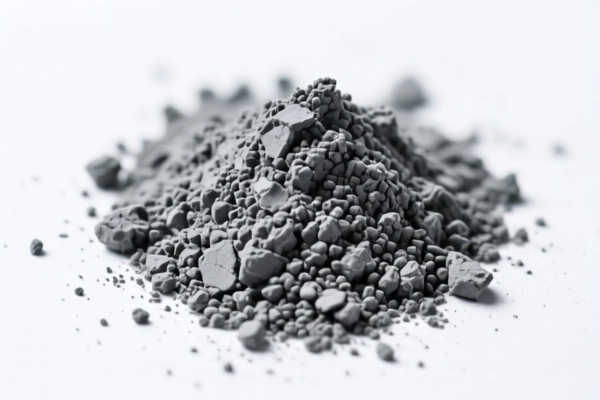
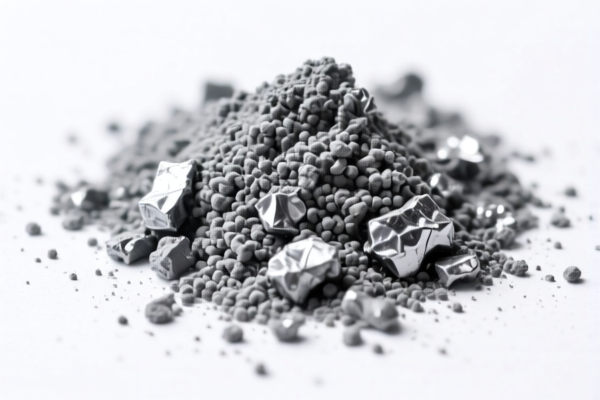
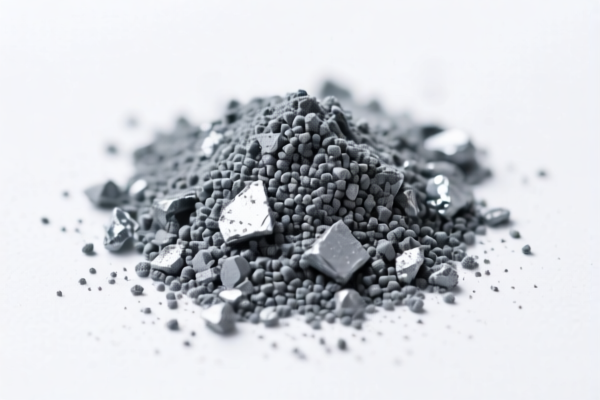
AI Analysis
⛏️ Tantalum & Waste Scrap (8103)
🌐 HS Code Reference & Customs Clearance Guide | 2026 Latest Tariff Analysis | Strategic Compliance Strategy
📌 Part 1: Product Definition & Classification: What Exactly is "Tantalum"?
Tantalum is a rare, hard, blue-gray transition metal known for its exceptional corrosion resistance and high melting point. It is critical in electronics (capacitors), medical implants, and superalloys. In international trade, it is strictly categorized under Chapter 81 (Other Base Metals).
The data provided distinguishes two critical forms:
- Tantalum Waste and Scrap: Discarded materials, residues, or end-of-life components rich in tantalum.
- Unwrought Tantalum (Bars/Rods/Powders): Primary metallurgical forms, including sintered bars and fine powders used for manufacturing.
⚠️ Key Distinction Point:
- If the material is discarded, used, or residue → It is "Waste and Scrap" (HS Code8103.30).
- If the material is primary metal in the form of bars, rods, or powders (even if sintered) → It is "Unwrought Tantalum" (HS Code8103.20).
📦 Part 2: HS Code Classification Details (2026 Latest Tariff Authority)
| HS Code | Product Description | Application Scenario | Form/State |
|---|---|---|---|
8103.30.00.00 |
Tantalum and articles thereof, including waste and scrap: Waste and scrap | Recycled tantalum, tantalum dust from machining, old capacitor scrap | ❌ Waste/Scrap |
8103.20.00.30 |
Tantalum and articles thereof, including waste and scrap: Unwrought tantalum, including bars and rods obtained simply by sintering; powders | New tantalum powder for capacitors, sintered tantalum bars for vacuum furnaces | ✅ Primary Metal |
🔍 Crucial Reminder:
- Waste vs. Primary Metal: The boundary lies in the intended use and physical state. "Waste" implies it is discarded or intended for recycling. "Unwrought" implies it is a commercial product ready for manufacturing.
- Powders: Even though powders look like dust, if they are manufactured for industrial use (e.g., capacitor manufacturing), they are classified under8103.20.00.30(Unwrought), NOT waste.
💰 Part 3: 2026 Latest Tariff Rate Details (Zero Duty Advantage)
✅ Applicable Country: United States (US)
✅ Origin: Global (Data implies standard MFN treatment or specific exemptions)
✅ Effective Date: Current 2026 Tariff Schedule
🎯 1. 8103.30.00.00 —— Tantalum Waste and Scrap
| Item | Content |
|---|---|
| Basic Tariff Rate | 0.0% (ad valorem) |
| Additional Tariff (Section 301/IEEPA) | 0.0% |
| Total Effective Tax Rate | 0.0% |
| Tax Calculation | CIF Value × 0.0% = $0.00 |
| De Minimis Eligibility | ❌ Not Applicable (Waste scrap often has specific environmental/recycling regulations) |
| Legal Basis Path | HTSUS:8103.30.00.00 |
📌 Explanation:
- Tantalum waste/scrap currently enjoys a 0% tariff base rate.
- Unlike electronics or steel, tantalum scrap is not subject to the aggressive Section 301 or IEEPA additional tariffs in this specific dataset.
- Strategic Advantage: Importing raw tantalum scrap for recycling is tariff-free, making supply chain costs significantly lower than importing refined metal.
🎯 2. 8103.20.00.30 —— Unwrought Tantalum (Bars, Rods, Powders)
| Item | Content |
|---|---|
| Basic Tariff Rate | 0.0% (ad valorem) |
| Additional Tariff (Section 301/IEEPA) | 0.0% |
| Total Effective Tax Rate | 0.0% |
| Tax Calculation | CIF Value × 0.0% = $0.00 |
| De Minimis Eligibility | ⚠️ Check Thresholds (High-value metal may exceed de minimis limits) |
| Legal Basis Path | HTSUS:8103.20.00.30 |
📌 Explanation:
- Primary tantalum products (powders/bars) also benefit from a 0% tariff base rate.
- This makes the US a competitive destination for tantalum processing and manufacturing.
- Note: While tariffs are 0%, environmental and safety regulations for handling fine tantalum powders (combustible dust hazards) are strict.
🛠️ Part 4: Customs Clearance Practical Advice (Real-World Pitfall Guide)
✅ 1. Required Documentation Checklist
| Document | Mandatory? | Explanation |
|---|---|---|
| ✅ Material Safety Data Sheet (MSDS) | ✔️ | Critical for Powders. Tantalum powder can be combustible. Must declare hazard class. |
| ✅ Commercial Invoice | ✔️ | Must clearly state "Tantalum Powder" or "Tantalum Scrap" to avoid generic "Base Metal" classification. |
| ✅ Certificate of Origin | ✔️ | To verify country of origin for potential trade remedy investigations (though currently 0% tax). |
| ✅ Recycling/Scrap Certification | ✔️ | If importing 8103.30.00.00, provide proof that it is "waste" to avoid reclassification as "Unwrought" if value is disputed. |
| ✅ Bill of Lading | ✔️ | Standard shipping document. |
✅ 2. Declaration Tips (Key Mantras)
🔥 "Powder is Metal, Dust is Scrap; Name it Right, Avoid the Trap!"
| Scenario | Correct Declaration | Incorrect Practice |
|---|---|---|
| Tantalum Powder for Capacitors | 8103.20.00.30 - Unwrought Tantalum, Powders |
Mislabeling as "Chemical Raw Material" or "Waste" |
| Used Capacitor Scrap | 8103.30.00.00 - Tantalum Waste and Scrap |
Mislabeling as "New Tantalum Powder" (Higher scrutiny) |
| Sintered Tantalum Rods | 8103.20.00.30 - Unwrought Tantalum (Bars/Rods) |
Labeling as "Articles of Tantalum" (HS 8103.90, if applicable) |
⚠️ Warning:
- Powders vs. Scrap: Do not confuse "Tantalum Powder" (a product) with "Tantalum Dust/Waste" (scrap). They have different HS codes and regulatory requirements.
- MSDS is Non-Negotiable: For8103.20.00.30(Powders), customs will demand an MSDS to classify the item as dangerous goods (DG) if applicable. Failure to provide leads to detention.
✅ 3. Special Handling Considerations
| Scenario | Handling Advice |
|---|---|
| Tantalum Powder (Combustible) | Ensure packaging is sealed and labeled as "Combustible Dust" if required by IATA/IMDG. Customs may inspect for fire hazards. |
| Tantalum Scrap (Recycling) | Verify the "Waste" status. If the scrap is cleaned and processed to a standard, it might be re-evaluated. Keep records of the recycling process. |
| High-Value Small Shipments | Even though tax is 0%, de minimis thresholds ($800 in US) still apply for income tax/exemption. Large shipments require full entry filing. |
🌍 Part 5: Global Market Comparison (2026 Overview)
| Country/Region | Recommended HS Code | Tariff (China Origin) | Key Certification | Notes |
|---|---|---|---|---|
| 🇺🇸 USA | 8103.20.00.30 / 8103.30.00.00 |
0.0% | MSDS, Origin Proof | Zero tariff advantage. Strict DG rules for powders. |
| 🇪🇺 EU | 8103 20 / 8103 30 |
0.0% - 3.5% | REACH Registration | REACH compliance is critical for tantalum compounds/powders. |
| 🇨🇳 China | 8103 20 / 8103 30 |
0.0% - 5% | N/A | Import of tantalum scrap may face environmental quotas. |
| 🇯🇵 Japan | 8103 20 / 8103 30 |
0.0% - 3.2% | JIS Standards | High demand for high-purity tantalum powder. |
📌 Conclusion:
- The USA offers a significant 0% tariff advantage for both tantalum powder and scrap in 2026.
- Compliance Cost > Tariff Cost: The real challenge is not the duty, but the MSDS and safety compliance for powders and environmental rules for scrap.
📌 Part 6: Common Errors & Pitfalls (Blood & Tears Lessons)
❌ Error 1: Declaring "Tantalum Powder" as "General Chemicals"
👉 Consequence: Customs will reclassify to 8103.20.00.30 and demand MSDS. Delays + Storage Fees.
❌ Error 2: Mixing "Clean Tantalum Scraps" with "Contaminated Waste"
👉 Consequence: If contaminated, it may be classified under environmental waste codes, not base metal scrap. Higher inspection rate.
❌ Error 3: Ignoring MSDS for Tantalum Powder
👉 Consequence: Powder is combustible. Failure to declare hazard class can lead to shipment rejection or fines.
✅ Correct Practice:
"Tantalum Powder, Pure, >99.9%, for Capacitor Manufacturing, MSDS Attached, HTS 8103.20.00.30"
🎯 Part 7: Conclusion: Professional Clearance, Low Cost, High Compliance!
🎯 Remember the Mantra:
🔹 "Powder is Product, Dust is Scrap; 0% Tax is Sweet, But MSDS is Key!"
🔹 "Tantalum is Critical, Don't Rush the Declaration; Safety First, Then Clearance!"
📌 Pro Tip:
If you are importing Tantalum Powder, ensure your supplier provides a batch-specific MSDS. If you are importing Scrap, keep records of its "waste" origin to justify HS Code 8103.30.00.00.
📣 Immediate Action:
📞 Contact your freight forwarder + Provide MSDS + Verify HS Code Pre-ruling
🚀 Let your Tantalum pass through customs smoothly, efficiently, and tariff-free!
✨ Professional Clearance Starts with Accurate Classification!
💼 Your Cost Savings, Precisely Calculated!
Customer Reviews
About HS Code Classification
The Harmonized System (HS) is an internationally standardized nomenclature developed by the World Customs Organization (WCO) to classify traded products. Over 200 countries use the HS system as the basis for customs tariffs, trade statistics, and import/export regulations.
Each HS code follows a hierarchical structure:
- Chapter (2 digits) — Broad category of goods (e.g., Chapter 84: Machinery and Mechanical Appliances)
- Heading (4 digits) — More specific grouping within the chapter
- Subheading (6 digits) — Internationally standardized breakdown, used by all WCO member countries
- National subdivisions (8-10 digits) — Country-specific extensions for further classification, such as US HTSUS 10-digit codes
Correct HS code classification is essential for smooth customs clearance, accurate duty payment, and compliance with trade regulations. Misclassification can lead to customs delays, overpayment of duties, or penalties.
When importing from CN to US, the applicable tariff rates may include:
- Most-Favored-Nation (MFN) rate — The standard duty rate applied to WTO members
- General rate — Applied to countries without trade agreements
- Trade remedy duties — Additional tariffs such as Section 301 (anti-dumping), Section 232 (national security), or countervailing duties
The information provided on this page is for reference purposes only. For official classification, please consult with your local customs authority or a licensed customs broker.