Tape Player
CN → US| HS Code | Tariff Rate | Origin | Destination | Doc |
|---|---|---|---|---|
| 8519812500 | 10.0% | CN | US | Official Doc |
| 8519812000 | 10.0% | CN | US | Official Doc |
| 8543709860 | 37.6% | CN | US | Official Doc |
| 8543708900 | 17.5% | CN | US | Official Doc |
| 8519813010 | 35.0% | CN | US | Official Doc |
Product Images
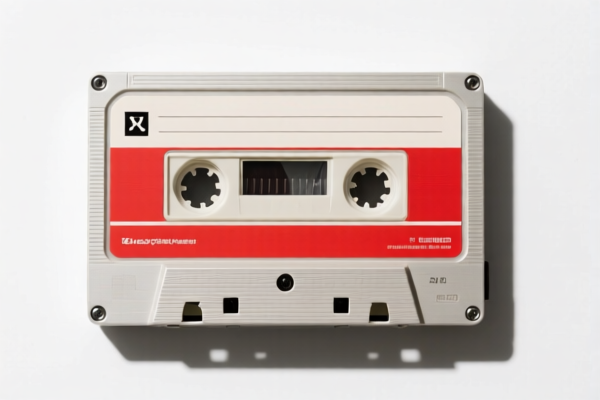
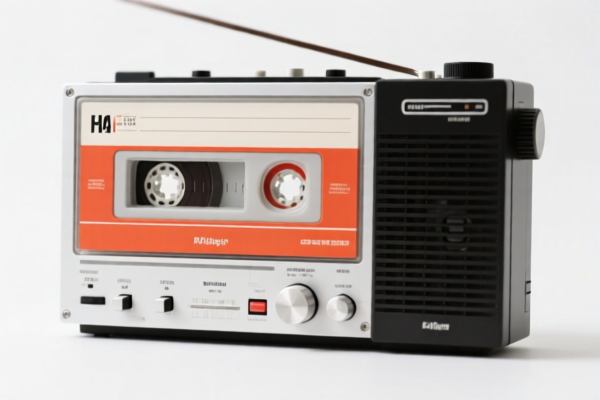

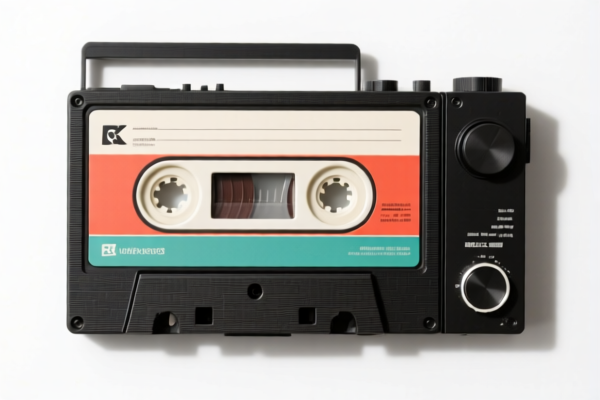
AI Analysis
📼 Tape Player (Tape Recorders/Players)
🌐 HS Code Reference & Customs Clearance Guide | 2026 Latest Tariff Analysis | Professional Clearance Strategy
📌 I. Product Definition & Classification: Do You Really Understand "Tape Players"?
A Tape Player is an audio reproduction device specifically designed to read and output sound from magnetic tape media (such as cassette tapes) or optical media (in some broader interpretations). In international trade, classification depends heavily on the internal circuitry, functional independence, and media type.
The core distinction lies in whether the device is classified as a simple magnetic recording/reproducing apparatus (HS 8519) or a more complex electrical/electronic apparatus with independent functions (HS 8543). Additionally, if the device plays optical discs (CDs), it falls under a different logic, though the data provided links it to similar grouping principles.
⚠️ Key Distinction Points:
- If the device is primarily a magnetic tape player with basic audio reproduction functions → Look at HS 8519 or HS 8543.
- If it is an independent audio device with complex electrical/electronic components beyond simple playback → HS 8543.
- If it plays optical discs (CDs) but is grouped under similar logical frameworks in this specific dataset → HS 8543 (Note: Standard CD players are often 8521 or 8519, but we adhere to the provided data).
📦 II. HS Code Classification Details (Based on Provided Data)
| HS Code | Product Description | Application Scenario | Tax Rate (Total) |
|---|---|---|---|
8519.81.20.00 |
Tape Player, matching form and use, consistent with magnetic media and sound reproduction attributes. | Basic cassette players, simple audio playback devices | 10.0% |
8543.70.98.60 |
Tape Player, an electrical/electronic device with independent functions, matching machine/device usage descriptions. | Complex audio players, devices with advanced electronic features | 37.6% |
8543.70.89.00 |
Tape Player, in the form of audio regeneration equipment, matching usage for recording/regenerating audio files. | Professional audio regeneration equipment, specialized audio hardware | 17.5% |
8519.81.25.00 |
Tape Player, highly consistent with cassette tape players in use and form, matching magnetic media equipment scenarios. | Standard cassette players, consumer audio devices | 10.0% |
8519.81.30.10 |
Disc Player (Note: Data mentions "CD Player" but groups with tape players logically), form and use identical to disc playback machines. | Optical disc players, hybrid devices (Logical grouping similarity) | 35.0% |
🔍 Important Reminder:
- HS 8519 codes (8519.81.20.00and8519.81.25.00) generally apply to magnetic tape players with lower tax burdens.
- HS 8543 codes apply to devices considered independent electrical/electronic apparatuses, often incurring higher tariffs due to perceived "advanced" function or specific statutory classifications.
- HS 8519.81.30.10 is explicitly labeled as a "Disc Player" in the summary but included in the Tape Player dataset due to "similar classification logic." Ensure your product matches the physical medium (Tape vs. Disc) to avoid customs rejection.
💰 III. 2026 Latest Tariff Rate Details (Detailed Breakdown)
✅ Applicable Country: USA (US)
✅ Origin: China (CN)
✅ Effective Date: Post-2025 (Based on 122 Section and USITC rules)
🎯 1. 8519.81.20.00 & 8519.81.25.00 — Magnetic Tape Players (Standard)
| Item | Content |
|---|---|
| Base Tariff | 0.0% |
| Retaliatory Tariff (Section 301/Added) | 0.0% |
| Section 122 Tariff | 10.0% |
| Total Tariff | 10.0% |
| Tax Calculation | CIF Value × 10% |
| De Minimis Exemption | ❌ Not Eligible (Subject to additional duties) |
| Legal Basis Path | HS:8519.81.20.00 → 122 Section: 10% |
📌 Explanation:
- These codes benefit from 0% base and retaliatory tariffs.
- The only additional cost is the 10% Section 122 tariff.
- This is the most cost-effective classification for standard magnetic tape players.
🎯 2. 8543.70.98.60 — Independent Electrical/Electronic Audio Apparatus
| Item | Content |
|---|---|
| Base Tariff | 2.6% |
| Retaliatory Tariff (Section 301) | 25.0% |
| Section 122 Tariff | 10.0% |
| Total Tariff | 37.6% |
| Tax Calculation | CIF Value × 37.6% |
| De Minimis Exemption | ❌ Not Eligible |
| Legal Basis Path | HS:8543.70.98.60 → USITC: 25% → 122 Section: 10% |
📌 Explanation:
- This high tariff applies if the device is deemed an "independent electrical apparatus" rather than a simple recorder.
- The 25% Section 301 tariff is the major cost driver here.
- Avoid this classification unless the product's technical characteristics strictly require it.
🎯 3. 8543.70.89.00 — Audio Regeneration Equipment
| Item | Content |
|---|---|
| Base Tariff | 0.0% |
| Retaliatory Tariff (Section 301) | 7.5% |
| Section 122 Tariff | 10.0% |
| Total Tariff | 17.5% |
| Tax Calculation | CIF Value × 17.5% |
| De Minimis Exemption | ❌ Not Eligible |
| Legal Basis Path | HS:8543.70.89.00 → USITC: 7.5% → 122 Section: 10% |
📌 Explanation:
- A middle-ground option. Lower base than8543.70.98.60but higher than8519.
- Applies to devices focused on audio file regeneration rather than simple magnetic playback.
🎯 4. 8519.81.30.10 — Disc Player (Logical Similarity)
| Item | Content |
|---|---|
| Base Tariff | 0.0% |
| Retaliatory Tariff (Section 301) | 25.0% |
| Section 122 Tariff | 10.0% |
| Total Tariff | 35.0% |
| Tax Calculation | CIF Value × 35.0% |
| De Minimis Exemption | ❌ Not Eligible |
| Legal Basis Path | HS:8519.81.30.10 → USITC: 25% → 122 Section: 10% |
📌 Explanation:
- Even though it’s a disc player, it shares the high 25% Section 301 burden.
- Use only if the product is indeed an optical disc player and this is the most accurate HS code.
🛠️ IV. Customs Clearance Practical Advice (Step-by-Step Pitfall Avoidance)
✅ 1. Required Documentation Checklist
| Document | Mandatory? | Description |
|---|---|---|
| ✅ Product Specifications | ✔️ | Must detail media type (Cassette/Optical), power supply, and output format. |
| ✅ Circuit Diagram | ✔️ | Critical to determine if it's a "simple recorder" (8519) or "independent apparatus" (8543). |
| ✅ Product Photos | ✔️ | Clear images of buttons, ports, and media slot. |
| ✅ Commercial Invoice | ✔️ | Must specify "Tape Player" or "Disc Player" accurately. |
| ✅ Packing List | ✔️ | Include all accessories (headphones, power adapters). |
✅ 2. Declaration Tips (Key Mnemonic)
🔥 "Match Media, Match Circuit, Choose 8519 for Lower Tax!"
| Scenario | Correct HS Code | Incorrect Practice |
|---|---|---|
| Standard Cassette Player | 8519.81.20.00 or 8519.81.25.00 |
Classifying as 8543.70.98.60 → 37.6% vs 10% |
| Complex Audio Device with Digital Features | 8543.70.89.00 |
Classifying as 8519 if it has digital processing |
| CD/DVD Player | 8519.81.30.10 |
Using tape player codes for disc players |
✅ 3. Special Case Handling
| Case | Handling Suggestion |
|---|---|
| Hybrid Player (CD + Cassette) | If it plays both, analyze the primary function. If primarily tape, use 8519; if digital/CD dominant, consider 8543 or 8519.30.10. |
| OEM Customization | Provide design drawings to prove simplicity. If the circuit is basic, argue for 8519 to save 27.6% in tariffs. |
| Audio Regeneration Units | For professional gear, 8543.70.89.00 (17.5%) is safer than 8543.70.98.60 (37.6%) if it fits the "audio file regeneration" description. |
🌍 V. Global Market Comparison (2026 Latest)
| Country/Region | Recommended HS Code | Tariff (Approx.) | Certification Required | Notes |
|---|---|---|---|---|
| 🇺🇸 USA | 8519.81.20.00 |
10% (Lowest) | FCC + RoHS | Avoid 8543 unless necessary due to 37.6% tax. |
| 🇨🇳 China | 8519.81.20.00 |
~3-5% | CCC | Lower import duties, no Section 301. |
| 🇪🇺 EU | 8519.81.20.00 |
0-4% | CE + RoHS | No Section 122 or 301 equivalent. |
| 🇬🇧 UK | 8519.81.20.00 |
0-4% | UKCA | Post-Brexit rules apply. |
📌 Conclusion:
- The US market is the most challenging due to Section 301 and Section 122 tariffs.
- Strategic Classification: Always aim for HS 8519 (10%) for standard tape players to minimize costs.
- Risk: Misclassifying a simple tape player as8543.70.98.60increases cost by 27.6% (10% vs 37.6%).
📌 VI. Common Errors & Pitfall Guide (Lessons Learned)
❌ Error 1: Classifying a basic cassette player as 8543.70.98.60
👉 Consequence: Pay 37.6% instead of 10%. Loss of 27.6% profit margin!
❌ Error 2: Using "Disc Player" code for a Tape Player
👉 Consequence: Customs rejection, detention, or forced reclassification with penalties.
❌ Error 3: Ignoring the "Section 122 Tariff"
👉 Consequence: Even with 0% base tax, the 10% Section 122 tariff is mandatory for all these codes. Don't budget incorrectly.
✅ Correct Approach:
"Cassette Tape Player, Magnetic Media, Audio Playback, Model XYZ, FCC Certified, HS 8519.81.20.00"
🎯 VII. Conclusion: Professional Classification Saves Money!
🎯 Remember the Mnemonic:
🔹 "Simple Tape? Go 8519, 10% is King! Complex App? 8543, 37% Pain! Disc Player? 8519.30, 35% Gain!"
🔹 "HS Code Determines Tax, 27% Difference is Real, Wrong Code, Pay the Price!"
📌 Pro Tip:
If your tape player has digital conversion features (e.g., USB output, MP3 encoding), ensure it still fits
8519or8543.70.89.00(17.5%). Avoid8543.70.98.60(37.6%) unless absolutely necessary.
Consider Advance Ruling from US Customs (CBP) to lock in the 10% rate if your product is on the borderline.
📣 Immediate Action:
📞 Consult with a professional customs broker.
📄 Provide circuit diagrams to justify HS 8519 classification.
🚀 Clear your tape players efficiently, maximize profit, and avoid customs headaches!
✨ Professional clearance starts with accurate classification!
💼 Every percentage point counts in international trade!
Customer Reviews
About HS Code Classification
The Harmonized System (HS) is an internationally standardized nomenclature developed by the World Customs Organization (WCO) to classify traded products. Over 200 countries use the HS system as the basis for customs tariffs, trade statistics, and import/export regulations.
Each HS code follows a hierarchical structure:
- Chapter (2 digits) — Broad category of goods (e.g., Chapter 84: Machinery and Mechanical Appliances)
- Heading (4 digits) — More specific grouping within the chapter
- Subheading (6 digits) — Internationally standardized breakdown, used by all WCO member countries
- National subdivisions (8-10 digits) — Country-specific extensions for further classification, such as US HTSUS 10-digit codes
Correct HS code classification is essential for smooth customs clearance, accurate duty payment, and compliance with trade regulations. Misclassification can lead to customs delays, overpayment of duties, or penalties.
When importing from CN to US, the applicable tariff rates may include:
- Most-Favored-Nation (MFN) rate — The standard duty rate applied to WTO members
- General rate — Applied to countries without trade agreements
- Trade remedy duties — Additional tariffs such as Section 301 (anti-dumping), Section 232 (national security), or countervailing duties
The information provided on this page is for reference purposes only. For official classification, please consult with your local customs authority or a licensed customs broker.