Tea Cup
CN → US| HS Code | Tariff Rate | Origin | Destination | Doc |
|---|---|---|---|---|
| 6912003910 | 14.5% | CN | US | Official Doc |
| 6911103710 | 25.5% | CN | US | Official Doc |
| 6911103510 | 43.5% | CN | US | Official Doc |
| 7013411000 | 32.5% | CN | US | Official Doc |
| 6912003510 | 19.8% | CN | US | Official Doc |
Product Images
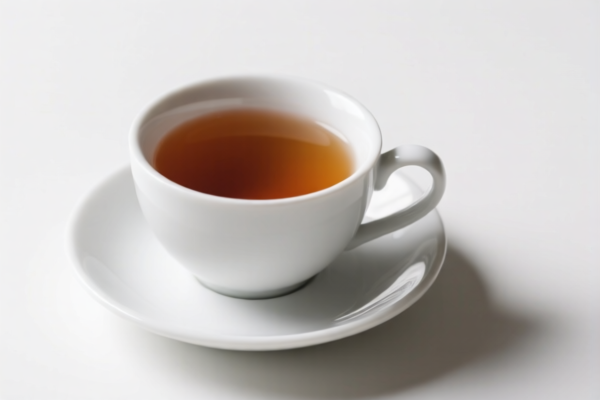
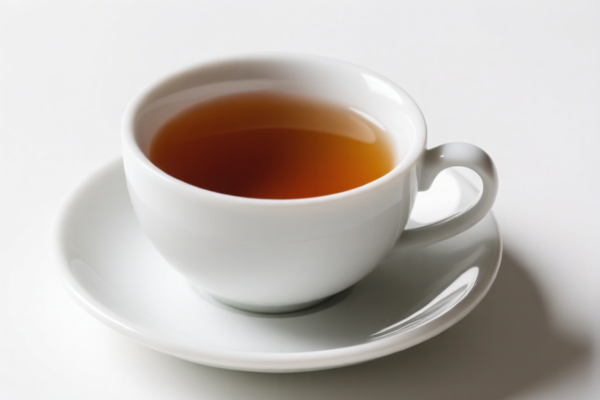
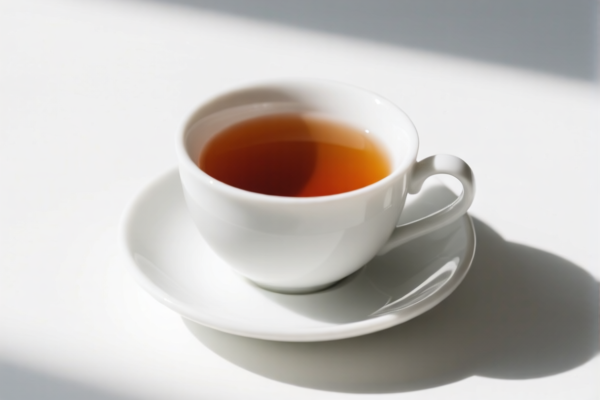
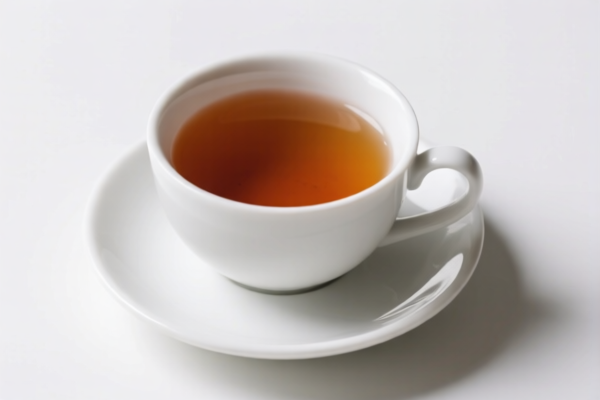
AI Analysis
🍵 Tea Cups (Ceramic & Glass Tableware)
🌐 HS Code Reference & Customs Clearance Guide | 2026 Latest Tariff Analysis | Professional Clearance Strategy
📌 I. Product Definition & Classification: Do You Really Understand "Tea Cups"?
Tea cups are essential tableware and kitchen supplies, primarily used for serving beverages. In international trade, they are classified based on material and specific utility. The core distinction lies in whether the material is "Porcelain" (瓷质) or "Other Ceramic" (非瓷质), and whether it is made of glass (glassware category). Misclassification can lead to significant tariff differences.
⚠️ Key Distinction Points:
- If the material is non-porcelain ceramic (e.g., earthenware, stoneware, or specific low-fire ceramics) and used as cups/saucers → Classified under 6912.00.
- If the material is porcelain (high-fired, vitrified, white/translucent) and used as tableware → Classified under 6911.10.
- If the material is lead crystal glass → Classified under 7013.41.
- Note: "Ceramic" is a broad term. Customs requires precise material testing or description to distinguish between "Porcelain" (6911) and "Other Ceramic" (6912).
📦 II. HS Code Classification Details (Based on Provided Data)
| HS Code | Product Description | Key Characteristics | Material Inference |
|---|---|---|---|
6912.00.39.10 |
Other ceramic tableware, kitchenware, other toilet articles; Cups & Saucers | Fits cup/saucer use; Non-porcelain ceramic | Non-porcelain Ceramic |
6911.10.37.10 |
Other tableware, kitchenware, other toilet articles, of porcelain; Cups & Saucers | High match with Porcelain tableware category | Porcelain |
6911.10.35.10 |
Other tableware, kitchenware, other toilet articles, of porcelain; Cups & Saucers | Matches Porcelain attributes | Porcelain |
7013.41.10.00 |
Glassware of lead crystal, other, for table, kitchen, toilet, office, interior decoration; Cups & Saucers | Tableware/kitchen use; Lead Crystal Glass | Lead Crystal Glass |
6912.00.35.10 |
Other ceramic tableware, kitchenware, other toilet articles; Cups & Saucers | Cup/saucer use; Non-porcelain ceramic; Catch-all category | Non-porcelain Ceramic |
🔍 Critical Reminder:
- Porcelain (6911) generally commands higher tariffs due to stricter classification rules and additional tariffs.
- Non-Porcelain Ceramic (6912) often has lower base tariffs but still faces specific add-ons.
- Glass (7013) is treated separately under Chapter 70.
- Always verify the material composition via lab tests or detailed supplier declarations to ensure the correct HS code (6911 vs. 6912) is selected.
💰 III. 2026 Latest Tariff Rate Details (Including Surtaxes & Policy Add-ons)
✅ Applicable Country: United States (US)
✅ Origin: China (CN)
✅ Effective Time: 2025/2026 (Current Valid Tariffs)
🎯 1. 6912.00.39.10 — Ceramic Tableware (Non-Porcelain Cups/Saucers)
| Item | Content |
|---|---|
| Base Tariff | 4.5% |
| Surtax (Section 301/Other) | 0.0% |
| 122 Clause Tariff | 10.0% |
| Total Tariff Rate | 14.5% |
| Tax Calculation | CIF Value × 14.5% |
| Legal Basis Path | Base Tariff + 122 Clause |
📌 Explanation:
- This code offers the lowest total tariff among the ceramic options.
- "122 Clause Tariff 10%" refers to specific trade measures (likely Section 122 or related administrative provisions).
- Advantage: Suitable for non-porcelain ceramic items (e.g., earthenware tea sets) to minimize duty costs.
🎯 2. 6911.10.37.10 — Porcelain Tableware (Cups/Saucers)
| Item | Content |
|---|---|
| Base Tariff | 8.0% |
| Surtax (Section 301/Other) | 7.5% |
| 122 Clause Tariff | 10.0% |
| Total Tariff Rate | 25.5% |
| Tax Calculation | CIF Value × 25.5% |
| Legal Basis Path | Base + Surtax + 122 Clause |
📌 Explanation:
- Higher base tariff (8%) compared to non-porcelain (4.5%).
- Adds a 7.5% surtax, likely under Section 301 or similar trade remedies.
- Total cost is significantly higher than6912.00.39.10.
🎯 3. 6911.10.35.10 — Porcelain Tableware (Cups/Saucers)
| Item | Content |
|---|---|
| Base Tariff | 26.0% |
| Surtax (Section 301/Other) | 7.5% |
| 122 Clause Tariff | 10.0% |
| Total Tariff Rate | 43.5% |
| Tax Calculation | CIF Value × 43.5% |
| Legal Basis Path | Base + Surtax + 122 Clause |
📌 Warning:
- This is the highest tariff among ceramic options.
- Do not use unless the product strictly falls under this specific subheading (e.g., specific porcelain types or forms not covered by6911.10.37.10).
- High risk of cost erosion.
🎯 4. 7013.41.10.00 — Lead Crystal Glass Tableware (Cups/Saucers)
| Item | Content |
|---|---|
| Base Tariff | 15.0% |
| Surtax (Section 301/Other) | 7.5% |
| 122 Clause Tariff | 10.0% |
| Total Tariff Rate | 32.5% |
| Tax Calculation | CIF Value × 32.5% |
| Legal Basis Path | Base + Surtax + 122 Clause |
📌 Note:
- Applies specifically to Lead Crystal Glass.
- If your "glass tea cups" are not lead crystal (e.g., soda-lime glass), they would fall under a different 7013 subheading with potentially different rates.
- Ensure "Lead Crystal" is declared accurately to avoid misclassification penalties.
🎯 5. 6912.00.35.10 — Ceramic Tableware (Non-Porcelain, Catch-All)
| Item | Content |
|---|---|
| Base Tariff | 9.8% |
| Surtax (Section 301/Other) | 0.0% |
| 122 Clause Tariff | 10.0% |
| Total Tariff Rate | 19.8% |
| Tax Calculation | CIF Value × 19.8% |
| Legal Basis Path | Base + 122 Clause |
📌 Explanation:
- A "catch-all" or residual category for non-porcelain ceramics not covered by6912.00.39.10.
- Higher base tariff (9.8%) than6912.00.39.10but no surtax.
- Use only if the product does not meet the specific criteria for6912.00.39.10.
🛠️ IV. Customs Clearance Practical Advice (Pitfall Avoidance Guide)
✅ 1. Required Documentation Checklist
| Document | Must Provide | Notes |
|---|---|---|
| ✅ Product Specification Sheet | ✔️ | Include dimensions, capacity, material composition (e.g., "Earthenware," "Porcelain," "Lead Crystal"). |
| ✅ Material Test Report | ✔️ | Crucial to distinguish between Porcelain (6911) and Non-Porcelain Ceramic (6912). |
| ✅ Product Photos | ✔️ | Show the cup, saucer (if any), and any markings/logos. |
| ✅ Commercial Invoice | ✔️ | Clearly state "Tea Cup" or "Cups and Saucers" and HS Code. |
| ✅ Packing List | ✔️ | List quantities and weights accurately. |
| ✅ Certificate of Origin (CO) | ✔️ | Essential for determining origin-based tariffs. |
✅ 2. Declaration Tips (Key Mantra)
🔥 "Material First, Form Second; Porcelain vs. Ceramic, Know the Difference!"
| Scenario | Correct Declaration | Incorrect Action | Consequence |
|---|---|---|---|
| Porcelain Cups | 6911.10.37.10 or 6911.10.35.10 |
Declare as "Ceramic" (6912) | Under-declaration → Penalty & Back Taxes |
| Earthenware/Stoneware Cups | 6912.00.39.10 |
Declare as "Porcelain" (6911) | Over-declaration → Higher Taxes (25.5% vs 14.5%) |
| Lead Crystal Glass Cups | 7013.41.10.00 |
Declare as "Glass" (non-lead) | Misclassification → Potential Rejection |
| Non-Lead Glass Cups | Different 7013 Code | Declare as 7013.41.10.00 |
Wrong HS → Delays & Fines |
📌 Pro Tip:
- Porcelain is defined by high firing temperature, low porosity, and translucency.
- Non-Porcelain Ceramic includes earthenware, stoneware, and other ceramics.
- Provide lab test results if customs questions the material classification.
✅ 3. Special Cases
| Situation | Handling Advice |
|---|---|
| Gift Sets (Teapot + Cups) | Declare the entire set under the primary item's HS code, or split if required. Usually, the cup code applies if it's a "cup set." |
| Custom Printed Cups | Ensure printing materials are compliant with FDA/food safety standards. Add "Food Grade" to description. |
| OEM Orders | Provide buyer authorization letter if brand is registered. Avoid "Generic" if brand is present. |
🌍 V. Global Market Comparison (2026)
| Country/Region | Recommended HS Code | Tariff (China Origin) | Certification | Remarks |
|---|---|---|---|---|
| 🇺🇸 USA | 6912.00.39.10 |
14.5% (Lowest) | FDA (if food contact) | Highest tariffs for Porcelain (6911) |
| 🇪🇺 EU | 6912 / 6911 | ~6-10% | LFGB, FDA | Lower base tariffs, no 122 clause |
| 🇨🇳 China | 6912 / 6911 | ~5-10% | CCC (if applicable) | No extra surtaxes |
| 🇯🇵 Japan | 6912 / 6911 | ~0-8% | JIS | Strict food safety tests |
📌 Conclusion:
- The US market imposes heavy surcharges and 122 clauses, making6912.00.39.10the most cost-effective choice for non-porcelain ceramics.
- For Porcelain (6911), tariffs are significantly higher (25.5% - 43.5%), so material accuracy is critical to avoid overpaying.
📌 VI. Common Mistakes & Pitfalls (Lessons Learned)
❌ Mistake 1: Using "Ceramic" as a generic term without specifying "Porcelain" vs. "Non-Porcelain"
👉 Result: Customs may classify as the higher-tariff "Porcelain" (6911) by default, leading to 25.5% - 43.5% duties.
❌ Mistake 2: Declaring "Glass" without specifying "Lead Crystal"
👉 Result: If it is lead crystal, 7013.41.10.00 (32.5%) is correct. If not, a different code applies. Misclassification can cause delays.
❌ Mistake 3: Ignoring the "122 Clause Tariff"
👉 Result: All the above codes include a 10% 122 Clause Tariff. Forgetting this in cost calculations leads to unexpected expenses.
❌ Mistake 4: Splitting a "Tea Set" incorrectly
👉 Result: If declared as individual cups, ensure each piece is correctly classified. If a teapot is included, it may have a different HS code, complicating the clearance.
✅ Correct Approach:
"Ceramic Tea Cup, Earthenware, Food Grade, Non-Porcelain, Model XYZ" →
6912.00.39.10(14.5%)
"Porcelain Tea Cup, Fine China, White, Model ABC" →6911.10.37.10(25.5%)
🎯 VII. Conclusion: Precision in Classification, Savings in Cost!
🎯 Key Takeaway:
🔹 "Non-Porcelain is King: 14.5% vs. 25.5%+ for Porcelain."
🔹 "122 Clause is Mandatory: Add 10% to All."
🔹 "Material Matters: Porcelain vs. Ceramic Determines Your Tariff."
📌 Tips:
- If your product is Porcelain, consider if it can be reclassified as "Non-Porcelain Ceramic" if material testing allows.
- Always include the 122 Clause Tariff (10%) in your cost modeling.
- For Lead Crystal Glass, ensure the "Lead" content is declared to use 7013.41.10.00.
📣 Immediate Action:
📞 Consult with a customs broker to verify the material classification (Porcelain vs. Non-Porcelain).
🚀 Select6912.00.39.10if your product is non-porcelain ceramic to minimize costs.
💡 Accurate Classification = Lower Duties = Higher Profit!
✨ Professional Clearance Starts with Precise Classification!
💼 Every Percentage Point of Tariff Counts!
Customer Reviews
About HS Code Classification
The Harmonized System (HS) is an internationally standardized nomenclature developed by the World Customs Organization (WCO) to classify traded products. Over 200 countries use the HS system as the basis for customs tariffs, trade statistics, and import/export regulations.
Each HS code follows a hierarchical structure:
- Chapter (2 digits) — Broad category of goods (e.g., Chapter 84: Machinery and Mechanical Appliances)
- Heading (4 digits) — More specific grouping within the chapter
- Subheading (6 digits) — Internationally standardized breakdown, used by all WCO member countries
- National subdivisions (8-10 digits) — Country-specific extensions for further classification, such as US HTSUS 10-digit codes
Correct HS code classification is essential for smooth customs clearance, accurate duty payment, and compliance with trade regulations. Misclassification can lead to customs delays, overpayment of duties, or penalties.
When importing from CN to US, the applicable tariff rates may include:
- Most-Favored-Nation (MFN) rate — The standard duty rate applied to WTO members
- General rate — Applied to countries without trade agreements
- Trade remedy duties — Additional tariffs such as Section 301 (anti-dumping), Section 232 (national security), or countervailing duties
The information provided on this page is for reference purposes only. For official classification, please consult with your local customs authority or a licensed customs broker.