Tea Extract Concentrate
CN → US| HS Code | Tariff Rate | Origin | Destination | Doc |
|---|---|---|---|---|
| 1302199140 | 17.5% | CN | US | Official Doc |
| 1302194140 | 18.5% | CN | US | Official Doc |
| 2101202090 | 17.5% | CN | US | Official Doc |
| 2101202010 | 17.5% | CN | US | Official Doc |
Product Images
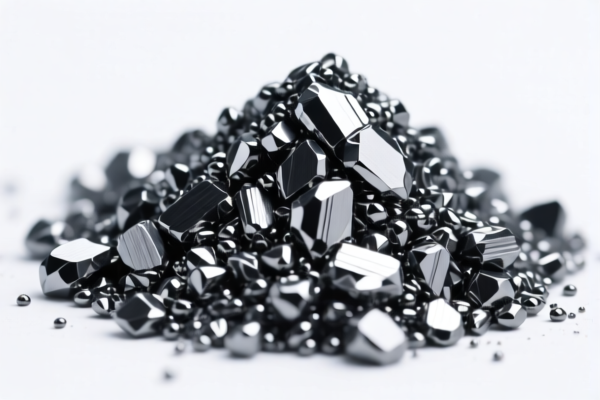
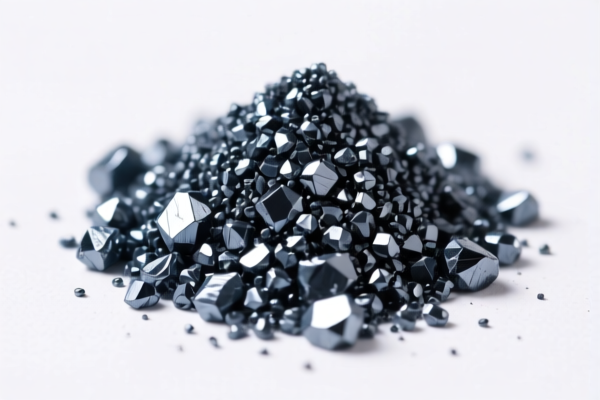
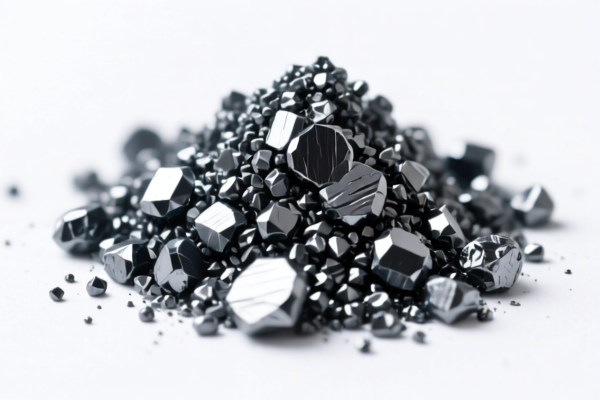

AI Analysis
🍵 Tea Extract Concentrate – HS Code & Tariff Guide | 2026 Customs Classification & Clearance Strategy
🌐 HS Code Reference & Customs Clearance Handbook | 2026 Updated Tariff Breakdown | Pro-Level Import Planning
📌 One Product, Two Key Codes – Know the Difference to Avoid 7.5%+ Penalties!
📦 I. Product Definition & Classification: What Is "Tea Extract Concentrate"?
Tea Extract Concentrate refers to highly processed, concentrated forms of tea derived from green tea, black tea, oolong tea, or other tea varieties, typically produced through:
- Evaporation of water from tea infusions
- Spray drying or vacuum concentration
- Standardized active ingredient content (e.g., EGCG, caffeine, theaflavins)
⚠️ Key Distinction:
- If it’s pure extract, essence, or concentrate (no added sugar, flavor, or coffee base) → 2101.20.20.90
- If it’s instant tea (dried, reconstitutable powder or tablet) → 2101.20.20.10
- If it contains coffee or coffee-based ingredients → Not applicable here✅ This guide covers only pure tea extracts and concentrates — not ready-to-drink beverages or instant tea blends.
📊 II. HS Code Classification Breakdown (2026 Official Tariff Schedule)
| HS Code | Product Description | Use Case | Key Features |
|---|---|---|---|
2101.20.20.10 |
Extracts, essences, and concentrates of tea or maté — Instant tea | Pre-packaged, rehydratable tea powders (e.g., tea bags, granules) | ✅ Dried, soluble, ready-to-brew; often sold in sachets |
2101.20.20.90 |
Extracts, essences, and concentrates of tea or maté — Other (non-instant) | Liquid or semi-solid concentrates (e.g., syrup, paste, raw extract) | ✅ Not instant; used in food, supplements, or cosmetics |
🔍 Critical Tip:
- Instant tea =2101.20.20.10→ 7.5% additional tariff
- Non-instant tea extract =2101.20.20.90→ 7.5% additional tariff
- No difference in tax rate — both attract 7.5% extra duty, regardless of form!
💰 III. 2026 Tariff Rate Analysis (Detailed Tax Breakdown – US Market)
✅ Applicable Country: United States (US)
✅ Origin: China (CN), India (IN), Kenya (KE), Sri Lanka (LK), etc.
✅ Effective Date: November 10, 2025 (including future imports)
🎯 1. 2101.20.20.10 – Instant Tea Extract Concentrate
| Item | Detail |
|---|---|
| Base Tariff | 0.0% (ad valorem) |
| Additional Duty (Section 301) | +7.5% (from USITC Footnote 9903.88.01) |
| Total Effective Duty | 7.5% |
| Tax Calculation | CIF Value × 7.5% |
| De Minimis Threshold | ❌ Not eligible (denied under US law) |
| Legal Basis Path | USITC:9903.88.01 → FOOTNOTE:9903.88.01 → HS:2101.20.20.10 |
📌 Explanation:
- The 7.5% additional duty stems from Section 301 of the U.S. Trade Act, targeting Chinese-origin goods with "unfair trade practices" — including processed food ingredients. - Applies regardless of whether the product is instant or not — the code determines the rate, not the form.
🎯 2. 2101.20.20.90 – Other Tea Extract Concentrates (Non-Instant)
| Item | Detail |
|---|---|
| Base Tariff | 0.0% |
| Additional Duty (Section 301) | +7.5% |
| Total Effective Duty | 7.5% |
| Tax Calculation | CIF Value × 7.5% |
| De Minimis Threshold | ❌ Not eligible |
| Legal Basis Path | USITC:9903.88.01 → FOOTNOTE:9903.88.01 → HS:2101.20.20.90 |
📌 Important Note:
- Even if your product is liquid, paste-like, or used in supplements, as long as it's tea extract concentrate, it falls under 2101.20.20.90. - No exemption just because it’s not "instant" — the 7.5% tariff applies equally.
🛠️ IV. Customs Clearance Best Practices (Real-World Tips to Avoid Delays & Fines)
✅ 1. Required Documentation (MUST-HAVE for Smooth Clearance)
| Document | Required? | Why It Matters |
|---|---|---|
| ✅ Commercial Invoice | ✔️ Yes | Must clearly state: "Tea Extract Concentrate, Non-Instant" or "Instant Tea Powder" |
| ✅ Packing List | ✔️ Yes | Show batch numbers, net weight, packaging type |
| ✅ Product Specification Sheet | ✔️ Yes | Include: extraction method, active ingredients, moisture content, shelf life |
| ✅ Certificate of Analysis (COA) | ✔️ Yes | Prove purity, absence of contaminants (e.g., pesticides, heavy metals) |
| ✅ Certificate of Origin (CO) | ✔️ Yes | Critical for tariff eligibility; if from non-China origin, may qualify for lower rates |
| ✅ FDA Registration (if applicable) | ✔️ Yes | For food-grade or supplement use |
| ✅ MSDS / Safety Data Sheet | ✔️ Yes | Especially for liquid or concentrated forms |
✅ 2.申报技巧(Pro申报口诀)
🔥 "Instant vs. Concentrate — Code First, Form Second!"
| Scenario | Correct HS Code | Wrong Approach |
|---|---|---|
| Instant tea powder in sachets | 2101.20.20.10 |
Mistake: 2101.20.20.90 → Higher risk of audit |
| Liquid tea extract (e.g., 70% solids) | 2101.20.20.90 |
Mistake: 2101.20.20.10 → Incorrect classification |
| Tea extract in cosmetic formulation | 2101.20.20.90 |
Mistake: 3304.99.90 → Wrong category |
| Tea extract with added sugar or flavor | Not covered here → May fall under 2106.90.90 |
Do not use 2101.20.20.x0! |
📌 Pro Tip:
Use the exact phrase in your invoice:“Tea Extract Concentrate, Non-Instant, 70% Solids, Liquid Form, for Dietary Supplements”
→ This avoids ambiguity and reduces audit risk.
✅ 3. Special Cases & Exceptions
| Situation | Recommended Action |
|---|---|
| Origin: India, Kenya, Sri Lanka | Apply for CO of Origin — may qualify for lower or zero additional duty under trade agreements |
| Used in dietary supplements | Ensure FDA compliance; label must not claim therapeutic effects |
| Used in cosmetics | Still falls under 2101.20.20.90 — not 3304.99.90 unless fully formulated as cosmetic |
| Small shipments (<$200) | ❌ No de minimis relief — 7.5% still applies! |
| Re-imported from U.S. | May be eligible for re-entry exemption if original import was under same code |
🌍 V. Global Market Tariff Comparison (2026 Update)
| Country/Region | Recommended HS Code | Tariff Rate | Certification Required | Notes |
|---|---|---|---|---|
| 🇺🇸 United States | 2101.20.20.10 or 2101.20.20.90 |
7.5% (additional) | FDA, COA | No de minimis |
| 🇨🇳 China | 2101.20.20.10 / 2101.20.20.90 |
0% (no extra) | CCC, GMP | No additional duty |
| 🇪🇺 European Union | 2101.20.20.10 / 2101.20.20.90 |
0% (if CE compliant) | CE, REACH | No extra tariffs |
| 🇦🇺 Australia | 2101.20.20.10 / 2101.20.20.90 |
0% | RCM, Food Standards | No additional duty |
| 🇯🇵 Japan | 2101.20.20.10 / 2101.20.20.90 |
0% | JIS, FSSC | No extra tax |
📌 Key Insight:
- Only the U.S. imposes the 7.5% additional tariff on tea extract concentrates. - All other major markets treat this as standard food ingredient with no extra duty.
🚫 VI. Common Mistakes & Costly Pitfalls (Avoid These!)
❌ Mistake 1:
"I’m shipping liquid tea extract — so it’s not instant, so I’ll use
2101.20.20.90"
❌ But if it’s reconstitutable and marketed as tea powder?
✅ Still must use2101.20.20.10if instant — form matters!
❌ Mistake 2:
"My product is 100g, under $200 — so de minimis applies!"
❌ No — U.S. does NOT allow de minimis for this item → 7.5% still due!
❌ Mistake 3:
"I labeled it as ‘tea powder’ — that’s enough!"
❌ No — must specify: 'Instant Tea Extract' or 'Non-Instant Tea Concentrate'
→ Risk of misclassification → seizure or penalty
❌ Mistake 4:
"I used a generic name like 'tea extract' — no need for details!"
❌ Customs will ask for clarification → delays, fines, or rejection.
✅ Correct Labeling Example:
"Instant Tea Extract Concentrate, Green Tea, Spray-Dried Powder, 95% Solids, for Dietary Supplements"
🎯 VII. Final Verdict: Smart Strategy for Profitable Export
🔹 HS Code Matters More Than Form
- Whether instant or not, both codes carry 7.5% extra duty in the U.S.
- Accuracy in classification = lower risk, faster clearance, no penalties🔹 Origin Is Your Friend
- Ship from India, Kenya, or Sri Lanka? Apply for CO of Origin — may avoid the 7.5% under trade agreements.🔹 Always Pre-Check
- Use U.S. Customs Ruling (Advance Ruling) for high-value shipments
- Get HS Code pre-approval before shipping!
📌 VIII. Pro Tips for Success
✅ Use this checklist before shipment: - [ ] HS Code confirmed (
2101.20.20.10or2101.20.20.90)
- [ ] Product description matches exact code
- [ ] Commercial invoice includes "Tea Extract Concentrate"
- [ ] COA and CO provided
- [ ] No de minimis claim (U.S. only)
- [ ] Origin verified for tariff advantage
📣 Act Now: Don’t Let Tax Surprises Sink Your Profit!
📞 Contact a U.S.-licensed customs broker + request HS Code pre-ruling
🚀 Ensure your tea extract concentrate clears in 24–48 hours, not 2 weeks!
✨ Your Export Success Starts With One Correct HS Code
💼 Don’t guess — classify. Don’t risk — plan.
🚀 Export smarter, pay less, grow faster!
📌 Bonus:
If your tea extract is certified organic, non-GMO, or for medical use, it may qualify for special labeling or exemption — contact customs early!
Customer Reviews
About HS Code Classification
The Harmonized System (HS) is an internationally standardized nomenclature developed by the World Customs Organization (WCO) to classify traded products. Over 200 countries use the HS system as the basis for customs tariffs, trade statistics, and import/export regulations.
Each HS code follows a hierarchical structure:
- Chapter (2 digits) — Broad category of goods (e.g., Chapter 84: Machinery and Mechanical Appliances)
- Heading (4 digits) — More specific grouping within the chapter
- Subheading (6 digits) — Internationally standardized breakdown, used by all WCO member countries
- National subdivisions (8-10 digits) — Country-specific extensions for further classification, such as US HTSUS 10-digit codes
Correct HS code classification is essential for smooth customs clearance, accurate duty payment, and compliance with trade regulations. Misclassification can lead to customs delays, overpayment of duties, or penalties.
When importing from CN to US, the applicable tariff rates may include:
- Most-Favored-Nation (MFN) rate — The standard duty rate applied to WTO members
- General rate — Applied to countries without trade agreements
- Trade remedy duties — Additional tariffs such as Section 301 (anti-dumping), Section 232 (national security), or countervailing duties
The information provided on this page is for reference purposes only. For official classification, please consult with your local customs authority or a licensed customs broker.