Tea Mat
CN → US| HS Code | Tariff Rate | Origin | Destination | Doc |
|---|---|---|---|---|
| 6911900010 | 22.9% | CN | US | Official Doc |
| 6911900050 | 22.9% | CN | US | Official Doc |
| 4419199000 | 13.2% | CN | US | Official Doc |
| 3924901050 | 13.3% | CN | US | Official Doc |
| 3924905650 | 20.9% | CN | US | Official Doc |
Product Images
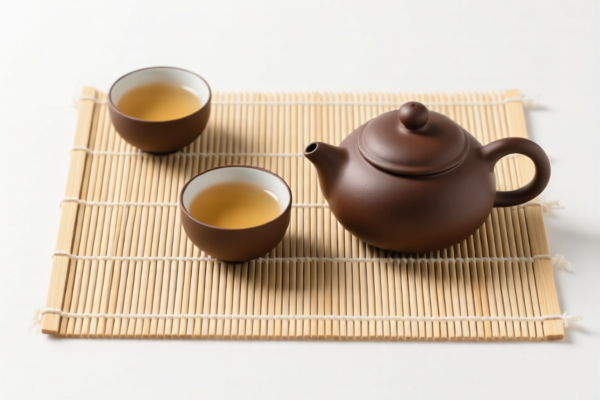
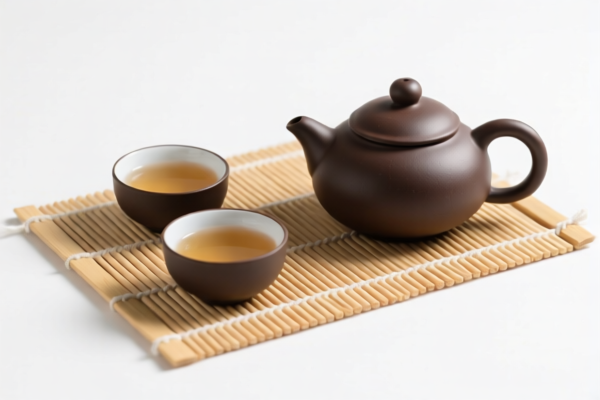
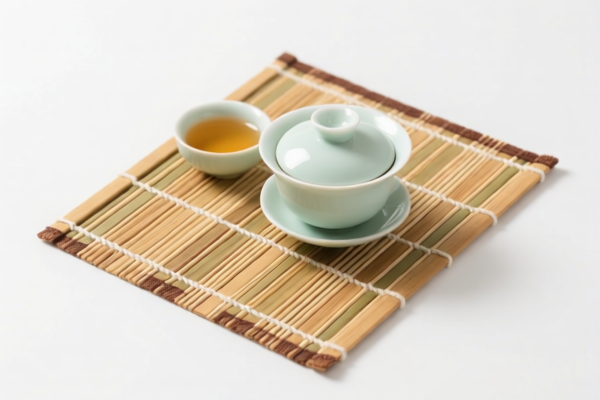
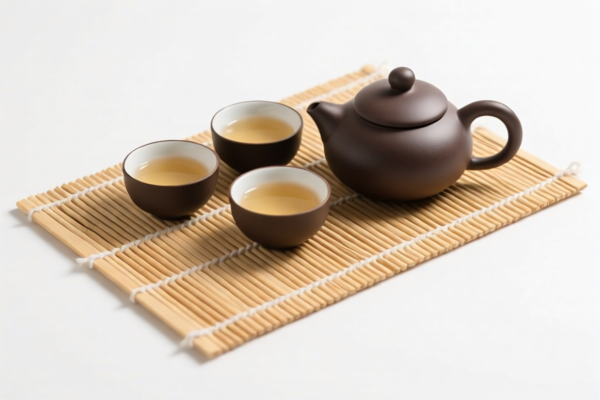
AI Analysis
🍵 Tea Mats (Table Mats / Coasters)
🌐 HS Code Reference & Customs Clearance Guide | 2026 Latest Tariff Analysis | Professional Clearance Strategy
📌 I. Product Definition & Classification: What Exactly is a "Tea Mat"?
A "Tea Mat" is a versatile home accessory used to protect tables from heat, water stains, and spills during tea or coffee consumption. In international trade, classification is strictly driven by material composition, as the physical form (a flat mat) is secondary to the substance it is made of.
Based on common sense and trade logic, Tea Mats are typically categorized into three main material types: 1. Ceramic/Porcelain: Rigid, decorative, or functional dishes/accessories. 2. Wood/Bamboo: Natural, kitchenware-style mats. 3. Plastic/Synthetic: Flexible, durable, or decorative home goods.
⚠️ Critical Distinction:
- If made of Ceramic → It is considered a "Household Article of Porcelain" (Ch 69).
- If made of Wood/Bamboo → It is considered a "Wooden Tableware/Kitchen Utensil" (Ch 44).
- If made of Plastic → It is considered a "Plastic Tableware/Household Article" (Ch 39).
Misclassification leads to massive duty discrepancies!
📦 II. HS Code Classification Details (2026 Latest Tariff Authority Comparison)
| HS Code | Product Description | Material Inference | Key Logic |
|---|---|---|---|
6911.90.00.10 |
Ceramic Household Articles (Other) | Ceramic / Porcelain | Fits "Ceramic Household Items"; No material conflict. |
6911.90.00.50 |
Ceramic Household Articles (Other) | Ceramic / Porcelain | Tea accessories fall under "Other Ceramic Tableware/Household Items." |
4419.19.90.00 |
Wooden Tableware & Kitchen Utensils | Wood / Bamboo / Fiber | Matches "Wooden/Bamboo Tableware"; Mat form fits kitchen/home use. |
3924.90.10.50 |
Plastic Tableware & Other Household Articles | Plastic | Matches "Plastic Household Articles"; Mat form fits home decor/utilities. |
3924.90.56.50 |
Plastic Tableware & Other Household Articles | Plastic | Fits "Plastic Household Decor/Items"; Catch-all for plastic mats. |
🔍 Key Reminder:
- Ceramic Mats: Must be hard, glazed, or fired. Do not mix with soft felt mats.
- Wood Mats: Must be solid wood or bamboo. If laminated with plastic, it may shift to Ch 39.
- Plastic Mats: Can be rigid, flexible, or synthetic fibers. If it looks like plastic, it often goes to Ch 39.
💰 III. 2026 Latest Tariff Rate Breakdown (Including Surcharges & Policy Add-ons)
✅ Applicable Country: United States (US)
✅ Origin: China (CN)
✅ Effective Time: Includes all imports from Nov 10, 2025 onwards
🎯 1. 6911.90.00.10 & 6911.90.00.50 —— Ceramic Tea Mats (Porcelain)
| Item | Content |
|---|---|
| Base Duty Rate | 5.4% |
| Section 301 Surcharge | +7.5% |
| Section 122 Duty | +10% |
| Total Effective Rate | 22.9% |
| Calculation Basis | CIF Value × 22.9% |
| De Minimis Exemption | ❌ Not Eligible (High duty rates usually exclude de minimis for certain categories or are too high to be beneficial for low-value shipments) |
| Legal Path | USITC:6911.90.00.10/50 → Section 301: 7.5% → Section 122: 10% |
📌 Explanation:
- Ceramic tea sets and accessories are heavily regulated.
- The 22.9% total rate is a combination of Base MFN duty (5.4%), Section 301 tariffs (7.5%), and the Section 122 tariff (10%, often applied to specific Chinese goods or under specific trade rules).
- Cost Impact: Significant. A $100 shipment incurs ~$22.90 in duties.
🎯 2. 4419.19.90.00 —— Wooden/Bamboo Tea Mats
| Item | Content |
|---|---|
| Base Duty Rate | 3.2% |
| Section 301 Surcharge | 0.0% |
| Section 122 Duty | +10% |
| Total Effective Rate | 13.2% |
| Calculation Basis | CIF Value × 13.2% |
| De Minimis Exemption | ❌ Not Eligible (Standard duty applies) |
| Legal Path | USITC:4419.19.90.00 → Section 122: 10% |
📌 Explanation:
- Wooden tableware enjoys a 0% Section 301 surcharge, making it more tax-efficient than ceramic or plastic in some contexts.
- However, the 10% Section 122 duty still applies, bringing the total to 13.2%.
- Strategy: If your tea mat is wood/bamboo, this is the lowest duty option among the three main materials.
🎯 3. 3924.90.10.50 —— Plastic Tea Mats (Low Surcharge Category)
| Item | Content |
|---|---|
| Base Duty Rate | 3.3% |
| Section 301 Surcharge | 0.0% |
| Section 122 Duty | +10% |
| Total Effective Rate | 13.3% |
| Calculation Basis | CIF Value × 13.3% |
| De Minimis Exemption | ❌ Not Eligible |
| Legal Path | USITC:3924.90.10.50 → Section 122: 10% |
📌 Explanation:
- Like wooden mats, this plastic category has 0% Section 301 surcharge.
- Total duty is 13.3%, nearly identical to wood.
- Suitable for flexible, silicone, or rigid plastic mats.
🎯 4. 3924.90.56.50 —— Plastic Tea Mats (High Surcharge Category)
| Item | Content |
|---|---|
| Base Duty Rate | 3.4% |
| Section 301 Surcharge | +7.5% |
| Section 122 Duty | +10% |
| Total Effective Rate | 20.9% |
| Calculation Basis | CIF Value × 20.9% |
| De Minimis Exemption | ❌ Not Eligible |
| Legal Path | USITC:3924.90.56.50 → Section 301: 7.5% → Section 122: 10% |
📌 Explanation:
- This code captures other plastic household items that do not fit the "tableware" definition strictly or are classified differently.
- It bears the full burden of Section 301 (7.5%) + Section 122 (10%) + Base (3.4%).
- Avoid this code if3924.90.10.50is applicable, as it saves 7.6% in duties.
🛠️ IV. Customs Clearance Practical Advice (Pitfall Avoidance Guide)
✅ 1. Essential Documentation Checklist
| Document | Required? | Notes |
|---|---|---|
| ✅ Product Specification Sheet | ✔️ | Must clearly state MATERIAL (e.g., "100% Porcelain," "Solid Bamboo," "Food-Grade Plastic"). |
| ✅ Product Photos | ✔️ | Clear images showing texture, glaze (for ceramic), grain (for wood), or flexibility (for plastic). |
| ✅ Commercial Invoice | ✔️ | Description must match HS Code logic (e.g., "Ceramic Tea Coaster" vs. "Plastic Mat"). |
| ✅ Material Composition Certificate | ✔️ | Critical if the product is composite (e.g., ceramic with wooden base). |
| ✅ Packaging List | ✔️ | Ensure no mixed materials in one shipment without clear separation. |
✅ 2. Declaration Strategy (Key Mnemonic)
🔥 “Material Defines Code, Code Defines Duty!”
| Scenario | Correct Declaration | Wrong Practice | Consequence |
|---|---|---|---|
| Ceramic Mat | Use 6911.90.00.10 or .50 |
Declare as "Home Decor" (Misc) | Misclassification, potential penalties, higher audit risk. |
| Wooden Mat | Use 4419.19.90.00 |
Declare as "Plastic" (if it looks shiny) | 13.2% vs 20.9%+ → Overpayment or Audit for underpayment. |
| Plastic Mat | Use 3924.90.10.50 |
Use 3924.90.56.50 |
Save 7.6% by choosing the lower surcharge code if eligible. |
| Mixed Material | Split shipment or declare main material | Declare as "Assorted" | Customs may reject or assign highest duty rate. |
✅ 3. Special Handling Tips
- Composite Materials: If a tea mat has a ceramic top and wooden base, the primary function determines the code. Usually, the decorative/protective top (ceramic) dictates Ch 69.
- "Tea Accessories" vs. "Tableware": If the item is strictly a coaster (small), it might still fall under
6911or4419. If it is a full placemat, it still fits these categories if made of wood/ceramic/plastic tableware materials. - Section 122 Awareness: All these categories have a 10% Section 122 duty. This is a persistent cost for Chinese-origin goods in this category. Plan pricing accordingly.
🌍 V. Global Market Comparison (2026 Latest)
| Market | Recommended HS Code | Total Duty (China Origin) | Key Requirement |
|---|---|---|---|
| 🇺🇸 USA | 4419.19.90.00 (Wood) / 3924.90.10.50 (Plastic) |
13.2% - 13.3% | Best for low duty. Ceramic is 22.9%. |
| 🇺🇸 USA | 6911.90.00.10 (Ceramic) |
22.9% | High duty due to Section 301 + 122. |
| 🇪🇺 EU | 6911.10 / 4419.90 |
0% - 6% | Generally lower duties, no Section 122 equivalent. |
| 🇨🇳 China | 6911 / 4419 / 3924 |
5% - 13% | Import duty varies by exact subheading. |
📌 Conclusion:
- USA Market is Price-Sensitive: Wooden and Plastic tea mats are significantly cheaper to import (13.2-13.3%) than Ceramic (22.9%).
- Strategy: If you are selling in the US, prioritize Wood/Bamboo or Plastic materials to save ~10% in landed cost.
📌 VI. Common Mistakes & Pitfall Guide (Blood Lessons)
❌ Mistake 1: Declaring a Ceramic mat as Plastic
👉 Consequence: Customs inspection reveals ceramic → Penalty + Back Duties + Delay.
❌ Mistake 2: Ignoring Section 122 Duty
👉 Consequence: Budgeting for only Base Duty (5%) → Unexpected 10%+ extra cost at clearance.
❌ Mistake 3: Using 3924.90.56.50 when 3924.90.10.50 is applicable
👉 Consequence: Overpaying 7.6% in Section 301 duties unnecessarily.
❌ Mistake 4: Vague Description "Tea Mat"
👉 Consequence: Customs officer uses Highest General Rate or assigns arbitrary code → Delays & Higher Costs.
✅ Correct Action:
“Plastic Tea Mat, Food Grade, Round, 10cm, Made of Silicone”
“Wooden Bamboo Tea Coaster, Solid Wood, Natural Finish”
“Ceramic Tea Coaster, Glazed Porcelain, White”
🎯 VII. Conclusion: Precision Classification Saves Money!
🎯 Remember the Golden Rule:
🔹 “Wood & Plastic: 13% Duty”
🔹 “Ceramic: 23% Duty”
🔹 “Material First, Code Second, Duty Last!”
📌 Pro Tip:
If you are shipping small quantities under $800 (De Minimis), note that Section 122 and 301 duties often still apply or the shipment may be scrutinized more heavily. For bulk shipments, correct HS Code selection is the #1 way to protect your margin.
✨ Professional Clearance Starts with Accurate Classification!
💼 Every Percent Saved is Pure Profit!
Customer Reviews
About HS Code Classification
The Harmonized System (HS) is an internationally standardized nomenclature developed by the World Customs Organization (WCO) to classify traded products. Over 200 countries use the HS system as the basis for customs tariffs, trade statistics, and import/export regulations.
Each HS code follows a hierarchical structure:
- Chapter (2 digits) — Broad category of goods (e.g., Chapter 84: Machinery and Mechanical Appliances)
- Heading (4 digits) — More specific grouping within the chapter
- Subheading (6 digits) — Internationally standardized breakdown, used by all WCO member countries
- National subdivisions (8-10 digits) — Country-specific extensions for further classification, such as US HTSUS 10-digit codes
Correct HS code classification is essential for smooth customs clearance, accurate duty payment, and compliance with trade regulations. Misclassification can lead to customs delays, overpayment of duties, or penalties.
When importing from CN to US, the applicable tariff rates may include:
- Most-Favored-Nation (MFN) rate — The standard duty rate applied to WTO members
- General rate — Applied to countries without trade agreements
- Trade remedy duties — Additional tariffs such as Section 301 (anti-dumping), Section 232 (national security), or countervailing duties
The information provided on this page is for reference purposes only. For official classification, please consult with your local customs authority or a licensed customs broker.