Tea Set
CN → US| HS Code | Tariff Rate | Origin | Destination | Doc |
|---|---|---|---|---|
| 6911103510 | 43.5% | CN | US | Official Doc |
| 7013411000 | 32.5% | CN | US | Official Doc |
| 6912003510 | 19.8% | CN | US | Official Doc |
| 6912003910 | 14.5% | CN | US | Official Doc |
| 6911103710 | 25.5% | CN | US | Official Doc |
Product Images
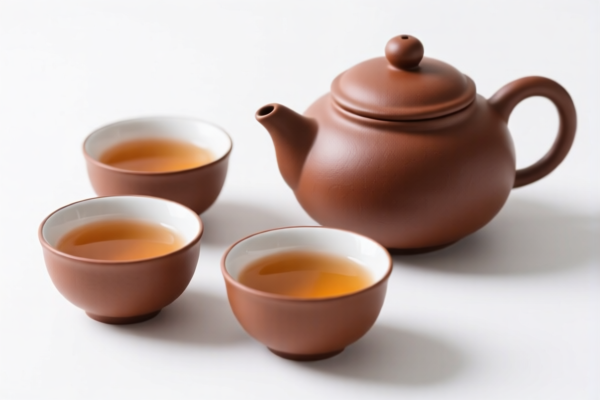

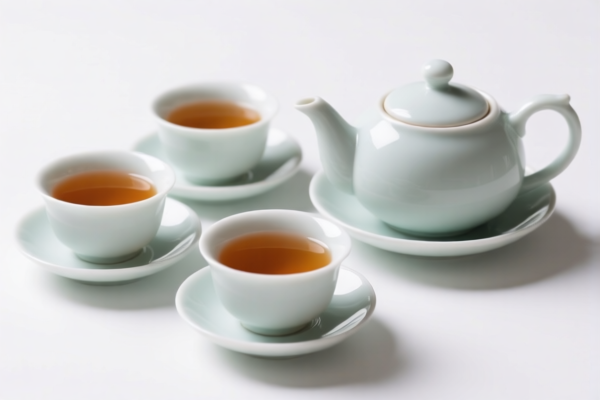

AI Analysis
🫖 Tea Set (Ceramic & Glass Tableware)
🌐 HS Code Reference & Customs Clearance Guide | 2026 Latest Tariff Analysis | Strategic Import Strategy
📌 I. Product Definition & Classification: Do You Truly Understand "Tea Sets"?
A tea set is not merely a collection of cups and pots; it is a specialized subset of tableware. In international trade, specifically under US Customs regulations, the classification hinges entirely on the material composition (Porcelain vs. Other Ceramic vs. Glass) and the intended use (Tableware/Kitchenware).
Misclassification is the #1 cause of customs delays and excessive duties. A single shift from "Porcelain" to "Other Ceramic" can change your tariff burden from 43.5% to 14.5%.
⚠️ Key Distinction Point:
- Porcelain (瓷制): High-fired, white, translucent, dense. Falls under Heading 6911.
- Other Ceramic (非瓷制): Earthenware, stoneware, or other fired clay products that are not porcelain. Falls under Heading 6912.
- Glass (玻璃): Lead crystal or standard glass. Falls under Heading 7013.
📦 II. HS Code Classification Details (2026 Authoritative Comparison)
Based on the provided data, here is the precise breakdown for tea sets imported into the US:
| HS Code | Product Description | Material/Type | Intended Use |
|---|---|---|---|
6911.10.35.10 |
Porcelain Tea Set | High-quality Porcelain | Tableware / Kitchen Utensils |
6911.10.37.10 |
Porcelain Tea Set | High-quality Porcelain | Tableware (Teacups, Saucers, etc.) |
6912.00.35.10 |
Non-Porcelain Ceramic Tea Set | Earthenware/Stoneware | Teacups & Saucers |
6912.00.39.10 |
Non-Porcelain Ceramic Tea Set | Earthenware/Stoneware | Teacups & Saucers |
7013.41.10.00 |
Lead Crystal Glass Tea Set | Lead Crystal Glass | Tableware / Kitchen Utensils |
🔍 Critical Note:
- Porcelain (6911) vs. Other Ceramic (6912): The distinction is scientific. If your product is white, vitrified, and translucent, it is likely Porcelain. If it is opaque, heavier, or colored through the body, it may be Other Ceramic.
- Glass Sets: Must specify if they are "Lead Crystal" for accurate tariff application under 7013.
💰 III. 2026 Latest Tariff Rate Breakdown (Including Surtaxes)
✅ Applicable Country: United States (US)
✅ Origin: China (CN)
✅ Effective Date: Current rates apply (Subject to Section 301 & Section 122 regulations)
The total tax burden is a combination of the Base Tariff (MFN rate), Section 301 Surtax (7.5% or 0%), and Section 122 Tariff (10%).
🎯 1. 6911.10.35.10 — Porcelain Tea Set (Kitchen/Tableware)
Highest Risk Category
| Item | Detail |
|---|---|
| Base Tariff | 26.0% |
| Section 301 Surtax | 7.5% |
| Section 122 Tariff | 10.0% |
| Total Tax Rate | 43.5% |
| Calculation | CIF Value × 43.5% |
| De Minimis Exemption | ❌ NOT Eligible |
📌 Explanation:
- This is the most heavily taxed category for porcelain tea sets due to the high base rate (26%).
- The 7.5% is the standard Section 301 duty.
- The 10% is the Section 122 tariff.
- Total Load: 43.5%. This significantly impacts profit margins.
🎯 2. 6911.10.37.10 — Porcelain Tea Set (Cups/Saucers Specific)
Optimized Porcelain Classification
| Item | Detail |
|---|---|
| Base Tariff | 8.0% |
| Section 301 Surtax | 7.5% |
| Section 122 Tariff | 10.0% |
| Total Tax Rate | 25.5% |
| Calculation | CIF Value × 25.5% |
| De Minimis Exemption | ❌ NOT Eligible |
📌 Explanation:
- Despite being porcelain, this specific subheading has a much lower base tariff (8.0% vs 26.0%).
- Savings: This results in a 18% lower total tax compared to6911.10.35.10.
- Strategy: Ensure your product description explicitly mentions "Teacups, Saucers" to justify this lower base rate.
🎯 3. 7013.41.10.00 — Lead Crystal Glass Tea Set
Premium Material Class
| Item | Detail |
|---|---|
| Base Tariff | 15.0% |
| Section 301 Surtax | 7.5% |
| Section 122 Tariff | 10.0% |
| Total Tax Rate | 32.5% |
| Calculation | CIF Value × 32.5% |
| De Minimis Exemption | ❌ NOT Eligible |
📌 Explanation:
- Lead crystal is valued higher but faces a moderate base tariff (15%).
- Total burden is 32.5%, which is lower than the high-end porcelain (43.5%) but higher than other ceramics (14.5%).
🎯 4. 6912.00.35.10 — Non-Porcelain Ceramic Tea Set
Mid-Range Ceramic
| Item | Detail |
|---|---|
| Base Tariff | 9.8% |
| Section 301 Surtax | 0.0% |
| Section 122 Tariff | 10.0% |
| Total Tax Rate | 19.8% |
| Calculation | CIF Value × 19.8% |
| De Minimis Exemption | ❌ NOT Eligible |
📌 Explanation:
- Crucial Advantage: Section 301 Surtax is 0% for this subheading.
- Only Base (9.8%) + Section 122 (10%) apply.
- Total: 19.8%. A significant saving over porcelain.
🎯 5. 6912.00.39.10 — Non-Porcelain Ceramic Tea Set
Lowest Cost Classification
| Item | Detail |
|---|---|
| Base Tariff | 4.5% |
| Section 301 Surtax | 0.0% |
| Section 122 Tariff | 10.0% |
| Total Tax Rate | 14.5% |
| Calculation | CIF Value × 14.5% |
| De Minimis Exemption | ❌ NOT Eligible |
📌 Explanation:
- Most Economical Option: Low base tariff (4.5%) + No Section 301 + Section 122 (10%).
- Total: 14.5%.
- Strategy: If your ceramic is not strictly "porcelain," aiming for this classification can halve your tax burden compared to high-end porcelain.
🛠️ IV. Customs Clearance Practical Advice (Battle-Tested Guide)
✅ 1. Documentation Checklist (Non-Negotiable)
| Document | Required? | Purpose |
|---|---|---|
| ✅ Product Specification Sheet | ✔️ | Must detail material (Porcelain vs. Earthenware), firing temp, and components. |
| ✅ High-Res Photos | ✔️ | Front, back, bottom (for base mark), and full set layout. Helps Customs verify "Tea Set" vs. "Individual Cups". |
| ✅ Commercial Invoice | ✔️ | Must use precise language: "Porcelain Tea Set, Tableware" or "Stoneware Tea Cups". Avoid vague terms like "Gift Set". |
| ✅ Packing List | ✔️ | List individual items (e.g., 4 Cups, 4 Saucers, 1 Pot) to prove it is a complete set. |
| ✅ Origin Certificate | ✔️ | Proves CN origin to apply correct Surtaxes. |
✅ 2. Declaration Strategy (The "Tax Hacking" Manual)
🔥 Golden Rule: "Classify by Material, Specify by Use!"
| Scenario | Recommended HS Code | Total Tax | Strategy |
|---|---|---|---|
| High-End White Porcelain | 6911.10.37.10 |
25.5% | Emphasize "Teacups & Saucers" in description to access lower 8% base rate. |
| Opaque/Colored Ceramic | 6912.00.39.10 |
14.5% | If not strictly porcelain, declare as "Other Ceramic" to avoid 301 duty and lower base rate. |
| Lead Crystal Glass | 7013.41.10.00 |
32.5% | Only for actual lead crystal. Standard glass may have different rates. |
| Mixed Materials | ❌ Avoid | Variable | Do not mix porcelain and glass in one set for single HS Code. Split shipment or declare highest risk item. |
✅ 3. Critical Compliance Warnings
| Risk Factor | Consequence | Mitigation |
|---|---|---|
| Misclassifying Ceramic as Porcelain | Pay 43.5% instead of 14.5% | Conduct material analysis. If it's not translucent/high-fire, use 6912. |
| Ignoring Section 122 | Underpayment of 10% | Always include Section 122 in cost calculations for CN origin. |
| Vague Description | Customs Hold/Exam | Use specific terms: "Stoneware Teapot and Cups", not just "Ceramic Set". |
| De Minimis Misunderstanding | Unexpected Duty at Border | No tea sets qualify for De Minimis ($800 exemption). Duty is always applied. |
🌍 V. Global Market Comparison (2026 Overview)
| Market | Typical HS Code | Base Tariff | Surtaxes (CN Origin) | Total Est. Cost |
|---|---|---|---|---|
| 🇺🇸 USA | 6911 / 6912 / 7013 | 4.5% - 26.0% | +10% (Sec 122) + 0-7.5% (Sec 301) | 14.5% - 43.5% |
| 🇪🇺 EU | 6911 / 6912 | 6.0% - 8.5% | None (Standard MFN) | ~6-9% |
| 🇨🇳 China | 6911 / 6912 | 0% - 9.0% | None (Domestic) | Low |
| 🇬🇧 UK | 6911 / 6912 | 0% - 6.0% | None (Post-Brexit MFN) | ~0-6% |
📌 Conclusion:
The US market is the most expensive for Chinese-origin tea sets due to the叠加 (stacking) of Section 301 and Section 122 tariffs.
EU and UK markets offer significantly better margins if you are considering diversifying supply chains outside the US.
📌 VI. Common Mistakes & Pitfalls (Learn from Others' Pain)
❌ Mistake 1: Declaring a "Porcelain" set as "Ceramic" to save tax.
👉 Result: Customs exam reveals high-fire, translucent material. Penalty for misdeclaration + back taxes.
❌ Mistake 2: Assuming "Glass" tea sets are exempt from Surtaxes.
👉 Result: Glass tableware (7013) is subject to Section 301 (7.5%) if not specifically exempted.
❌ Mistake 3: Using "Gift Set" as the primary product name.
👉 Result: Ambiguity leads to random HS Code assignment, often the highest possible rate.
❌ Mistake 4: Ignoring Section 122 (10%).
👉 Result: Under-declaration of value/duty. Seizure or severe fines.
✅ Correct Approach:
"Set of Porcelain Tableware: 4 Teacups, 4 Saucers, 1 Teapot. Material: White Porcelain. Use: Kitchen/Dining. HS: 6911.10.37.10."
🎯 VII. Conclusion: Precision Pays Off
🎯 Remember the Tax Hierarchy:
🔹 "Porcelain Specific (37.10) = 25.5%" (Best for Porcelain)
🔹 "Other Ceramic (39.10) = 14.5%" (Best for Non-Porcelain)
🔹 "Porcelain General (35.10) = 43.5%" (Avoid if possible)
🔹 "Glass = 32.5%" (Premium Niche)🔹 "HS Code defines your profit. 14.5% vs 43.5% is a 29% margin difference!"
📌 Pro Tip:
If you are importing Non-Porcelain Ceramic tea sets, aggressively pursue classification under 6912.00.39.10. It offers the lowest tax burden (14.5%) and is significantly cheaper than porcelain alternatives.
📣 Immediate Action:
📞 Consult a Customs Broker to verify the "Porcelain vs. Ceramic" status of your specific product.
🚀 Optimize your Description to match the lowest eligible HS Code code.
💰 Calculate Landed Cost including the 10% Section 122 tariff.
✨ Smart Importing Starts with Accurate Classification!
💼 Don't let taxes eat your margins. Classify right, pay less, sell more.
Customer Reviews
About HS Code Classification
The Harmonized System (HS) is an internationally standardized nomenclature developed by the World Customs Organization (WCO) to classify traded products. Over 200 countries use the HS system as the basis for customs tariffs, trade statistics, and import/export regulations.
Each HS code follows a hierarchical structure:
- Chapter (2 digits) — Broad category of goods (e.g., Chapter 84: Machinery and Mechanical Appliances)
- Heading (4 digits) — More specific grouping within the chapter
- Subheading (6 digits) — Internationally standardized breakdown, used by all WCO member countries
- National subdivisions (8-10 digits) — Country-specific extensions for further classification, such as US HTSUS 10-digit codes
Correct HS code classification is essential for smooth customs clearance, accurate duty payment, and compliance with trade regulations. Misclassification can lead to customs delays, overpayment of duties, or penalties.
When importing from CN to US, the applicable tariff rates may include:
- Most-Favored-Nation (MFN) rate — The standard duty rate applied to WTO members
- General rate — Applied to countries without trade agreements
- Trade remedy duties — Additional tariffs such as Section 301 (anti-dumping), Section 232 (national security), or countervailing duties
The information provided on this page is for reference purposes only. For official classification, please consult with your local customs authority or a licensed customs broker.