Tea Strainer
CN → US| HS Code | Tariff Rate | Origin | Destination | Doc |
|---|---|---|---|---|
| 9604000000 | 22.4% | CN | US | Official Doc |
| 8437800090 | 35.0% | CN | US | Official Doc |
| 8437100000 | 35.0% | CN | US | Official Doc |
| 7326908688 | 87.9% | CN | US | Official Doc |
| 7326190080 | 87.9% | CN | US | Official Doc |
Product Images
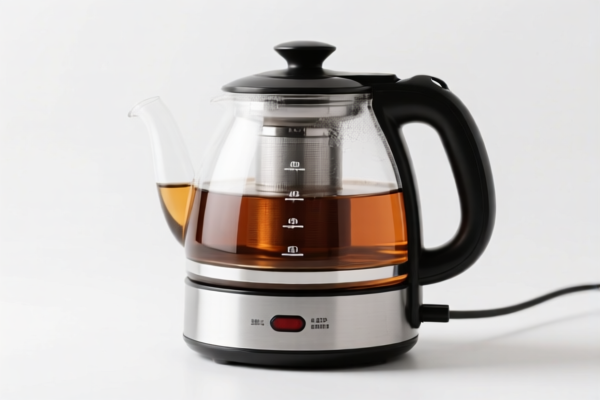
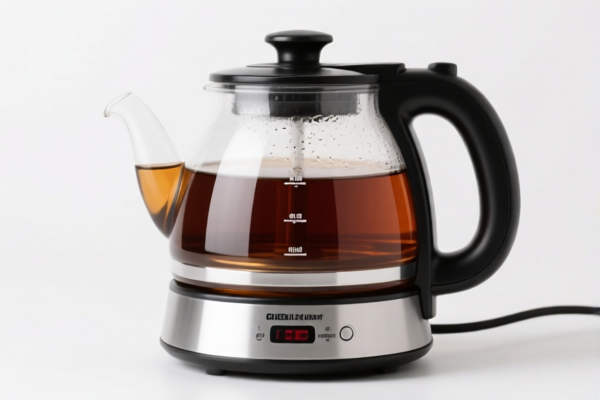
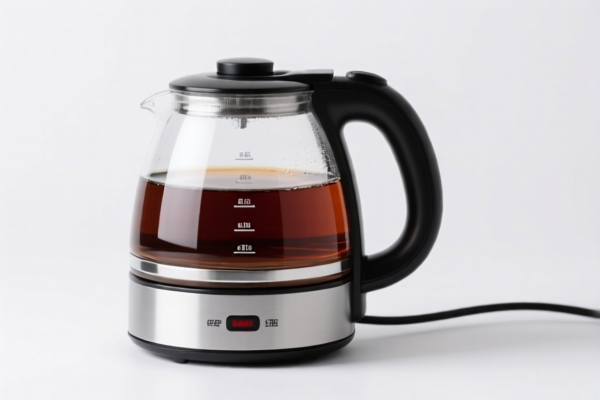

AI Analysis
🍵 Tea Strainer (Tea Filter) – HS Code Classification & Customs Clearance Guide
🌐 HS Code Reference & Customs Guide | 2026 Latest Tariff Analysis | Professional Strategy
📌 I. Product Definition: What Exactly is a "Tea Strainer"?
A Tea Strainer is a kitchen utensil used to separate tea leaves from the liquid during brewing. In international trade, its classification depends heavily on its material, structure, and intended function. Is it a simple handheld sieve? A mechanical component? Or a metal household item?
⚠️ Critical Distinction:
- If it is a simple handheld tool used for filtering →归入 9604.00.00.00 (Sieves)
- If it is a component of a machine used for grading grains/beans → 归入 8437 series
- If it is a general metal household article (e.g., stainless steel mesh cup) → 归入 7326 series
📦 II. HS Code Classification Details (2026 Latest Tariff Authority)
The following analysis is strictly based on the provided data scenarios for Tea Strainers.
| HS Code | Product Description | Logic for Classification |
|---|---|---|
9604.00.00.00 |
Sieves (Hand-held, for tea filtering) | Matches the function of a hand sieve or hand-cranked sieve. Used for tea filtering logic. |
8437.80.00.90 |
Parts of Machines (Other machinery) | Classified as a sieve screen part in the sorting/grading process of other machines. |
8437.10.00.00 |
Machines for Sorting/Grading Seeds | Matches the mechanical function of screening seeds, grains, or dried legumes. |
7326.90.86.88 |
Other Articles of Iron/Steel | Inferred as iron or steel; classified as unspecified other articles of iron/steel. |
7326.19.00.80 |
Other Articles of Iron/Steel (Pressed/Manufactured) | Inferred as metal material; classified as other steel articles (pressing/manufacturing). |
🔍 Key Insight:
- The lowest tax burden comes from classifying it as a "Sieve" (9604).
- The highest tax burden comes from classifying it as "Iron/Steel Articles" (7326) due to the 50% surcharge on steel/aluminum/copper products.
- Mechanical classifications (8437) carry a 25% surcharge but no base tax, resulting in high total taxes.
💰 III. 2026 Latest Tariff Rate Breakdown (Including Surtaxes)
✅ Applicable Country: United States (US)
✅ Origin: China (CN)
✅ Effective Time: Post-November 2025 (Current Trade War Context)
🎯 1. 9604.00.00.00 – Sieves (Best Option)
| Item | Content |
|---|---|
| Base Tariff | 4.9% (Ad valorem) |
| Section 301 Surtax | +7.5% |
| Section 122 Surtax | +10% |
| Total Tax Rate | 22.4% |
| Tax Calculation | CIF Value × 22.4% |
| De Minimis Eligibility | ❌ Not Eligible (Standard for this HS) |
| Legal Basis | Base Tariff → Section 301 (7.5%) → Section 122 (10%) |
📌 Explanation:
- This is the most favorable classification for a simple tea strainer.
- It is treated as a general household sieve, not a specialized industrial machine part.
- Total 22.4% is significantly lower than other options.
🎯 2. 8437.80.00.90 – Parts of Other Machinery
| Item | Content |
|---|---|
| Base Tariff | 0.0% |
| Section 301 Surtax | +25.0% |
| Section 122 Surtax | +10% |
| Total Tax Rate | 35.0% |
| Tax Calculation | CIF Value × 35.0% |
| De Minimis Eligibility | ❌ Not Eligible |
| Legal Basis | Base Tariff (0%) → Section 301 (25%) → Section 122 (10%) |
📌 Explanation:
- Only applicable if the tea strainer is specifically designed as a replaceable part for an industrial sorting machine.
- Higher risk of customs dispute if sold as a standalone kitchen tool.
🎯 3. 8437.10.00.00 – Machines for Sorting Seeds/Grains
| Item | Content |
|---|---|
| Base Tariff | 0.0% |
| Section 301 Surtax | +25.0% |
| Section 122 Surtax | +10% |
| Total Tax Rate | 35.0% |
| Tax Calculation | CIF Value × 35.0% |
| De Minimis Eligibility | ❌ Not Eligible |
| Legal Basis | Base Tariff (0%) → Section 301 (25%) → Section 122 (10%) |
📌 Explanation:
- Applicable if the strainer is automated and used for screening seeds, grains, or dried beans on a commercial scale.
- Not suitable for manual kitchen use.
🎯 4. 7326.90.86.88 & 7326.19.00.80 – Other Articles of Iron/Steel (Worst Options)
| Item | Content |
|---|---|
| Base Tariff | 2.9% |
| Section 301 Surtax | +25.0% |
| Section 122 Surtax | +10% |
| Steel/Aluminum/Copper Surcharge | +50.0% |
| Total Tax Rate | 87.9% |
| Tax Calculation | CIF Value × 87.9% |
| De Minimis Eligibility | ❌ Not Eligible |
| Legal Basis | Base Tariff → Section 301 → Section 122 → Special Steel Surcharge |
📌 Explanation:
- DANGEROUS CLASSIFICATION!
- If customs deems the tea strainer as a generic "steel article" without a specific function-based code, the 50% special surcharge kicks in.
- 87.9% tax rate is prohibitively high. Avoid this unless strictly necessary.
🛠️ IV. Customs Clearance Practical Advice (Pitfall Avoidance)
✅ 1. Documentation Checklist (Must Have)
| Document | Required? | Notes |
|---|---|---|
| ✅ Product Specifications | ✔️ | Material (e.g., 304 Stainless Steel, Nylon), Size, Function |
| ✅ Product Photos | ✔️ | Clear images showing structure (handle + mesh) |
| ✅ Commercial Invoice | ✔️ | Describe as "Tea Strainer, Household Use" NOT "Steel Part" |
| ✅ Packing List | ✔️ | Quantity per carton |
| ✅ HS Code Confirmation | ✔️ | Pre-ruling recommended if volume is high |
✅ 2. Declaration Strategy (Key Mantra)
🔥 "Function First, Material Second! Don't Declare Steel, Declare Sieve!"
| Scenario | Correct Declaration | Wrong Declaration | Result |
|---|---|---|---|
| Handheld Tea Strainer | 9604.00.00.00 (Sieve) | 7326... (Steel Article) | 22.4% vs 87.9% (Save 65.5%!) |
| Industrial Sorting Sieve | 8437 series | 9604 (Household Sieve) | Customs may reclassify and fine |
| Mesh Part for Machine | 8437.80.00.90 | 9604 (Sieve) | Risk of dispute if not a part |
📌 Crucial Tip:
- Use terms like "Kitchen Utensil", "Hand Sieve", "Tea Filter" in the description.
- Avoid terms like "Steel Component", "Industrial Screen", "Part of Machine" unless it is genuinely an industrial part.
✅ 3. Special Considerations
| Situation | Advice |
|---|---|
| Nylon/Plastic Strainer | Still likely 9604.00.00.00 if function is sieving. Check if plastic codes are lower, but data suggests 9604 is optimal for sieving logic. |
| High-Volume B2B | Apply for Advance Ruling to secure 9604.00.00.00 classification. |
| Customs Inspection | If asked, emphasize it is for tea preparation in kitchens, not industrial grain sorting. |
🌍 V. Global Market Comparison (2026)
| Country/Region | Recommended HS Code | Tax Rate (China Origin) | Notes |
|---|---|---|---|
| 🇺🇸 USA | 9604.00.00.00 |
22.4% | Best option. Avoid 7326 (87.9%). |
| 🇨🇳 China | 9604.00.00.00 |
~5-10% | Lower base tax, no Section 301/122. |
| 🇪🇺 EU | 7323.93.00 |
0-6.5% | Different HS structure; often under "Tableware". |
| 🇬🇧 UK | 7323.93.00 |
0-6.5% | Post-Brexit rules may vary; check latest tariff. |
| 🇯🇵 Japan | 7323.93.00 |
0-6.5% | Similar to EU; household steel articles. |
📌 Conclusion:
- The US market is the most complex due to Section 301 and Section 122 tariffs.
- Correct classification (9604) is critical to avoid the 87.9% penalty.
- Other markets generally use "Household Steel Articles" codes with lower or zero tariffs.
📌 VI. Common Mistakes & Pitfalls
❌ Mistake 1: Declaring as "Steel Wire Mesh" (7326)
👉 Consequence: 87.9% tax rate. Massive cost increase.
❌ Mistake 2: Declaring as "Machine Part" (8437) for a kitchen tool
👉 Consequence: 35% tax rate. Unnecessary higher tax and customs scrutiny.
❌ Mistake 3: Vague Description ("Kitchen Tool")
👉 Consequence: Customs may reclassify to the highest tax bracket. Provide clear function (Sieving Tea).
✅ Correct Way:
"Stainless Steel Tea Strainer, Handheld, for Kitchen Use, Model XYZ" → HS 9604.00.00.00
🎯 VII. Conclusion: Professional Declaration, Cost Savings!
🎯 Remember the Mantra:
🔹 "Sieve Function, 22.4% Tax! Steel Part, 87.9% Tax!"
🔹 "Don't be afraid to declare as a Sieve, it's the cheapest way!"
📌 Pro Tip:
If you are exporting large volumes, apply for a Pre-Ruling (Advance Ruling) from US Customs (CBP) to confirm 9604.00.00.00. This provides legal protection against future reclassification and audits.
📣 Take Action Now:
📞 Consult a licensed customs broker.
📄 Prepare product photos and technical specs.
🚀 Ensure your invoices clearly state "Tea Strainer / Kitchen Sieve".
✨ Professional Customs Clearance Starts with Accurate Classification!
💼 Your Every Cent Should Be Precisely Calculated!
Customer Reviews
About HS Code Classification
The Harmonized System (HS) is an internationally standardized nomenclature developed by the World Customs Organization (WCO) to classify traded products. Over 200 countries use the HS system as the basis for customs tariffs, trade statistics, and import/export regulations.
Each HS code follows a hierarchical structure:
- Chapter (2 digits) — Broad category of goods (e.g., Chapter 84: Machinery and Mechanical Appliances)
- Heading (4 digits) — More specific grouping within the chapter
- Subheading (6 digits) — Internationally standardized breakdown, used by all WCO member countries
- National subdivisions (8-10 digits) — Country-specific extensions for further classification, such as US HTSUS 10-digit codes
Correct HS code classification is essential for smooth customs clearance, accurate duty payment, and compliance with trade regulations. Misclassification can lead to customs delays, overpayment of duties, or penalties.
When importing from CN to US, the applicable tariff rates may include:
- Most-Favored-Nation (MFN) rate — The standard duty rate applied to WTO members
- General rate — Applied to countries without trade agreements
- Trade remedy duties — Additional tariffs such as Section 301 (anti-dumping), Section 232 (national security), or countervailing duties
The information provided on this page is for reference purposes only. For official classification, please consult with your local customs authority or a licensed customs broker.