Teeth Polishing Strip
CN → US| HS Code | Tariff Rate | Origin | Destination | Doc |
|---|---|---|---|---|
| 3926909989 | 22.8% | CN | US | Official Doc |
| 3926904590 | 13.5% | CN | US | Official Doc |
| 9018498040 | 10.0% | CN | US | Official Doc |
| 9018498080 | 10.0% | CN | US | Official Doc |
| 3307900000 | 40.4% | CN | US | Official Doc |
| 3307101000 | 39.9% | CN | US | Official Doc |
Product Images
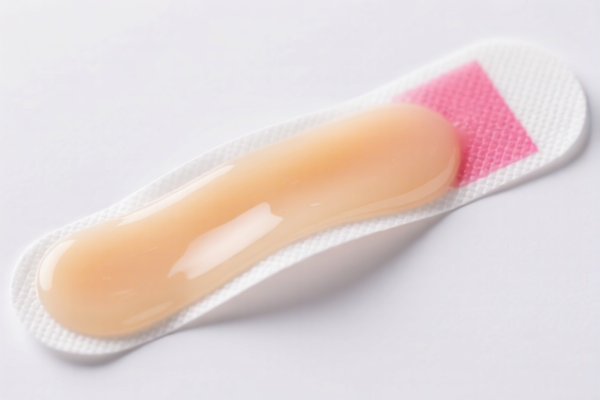
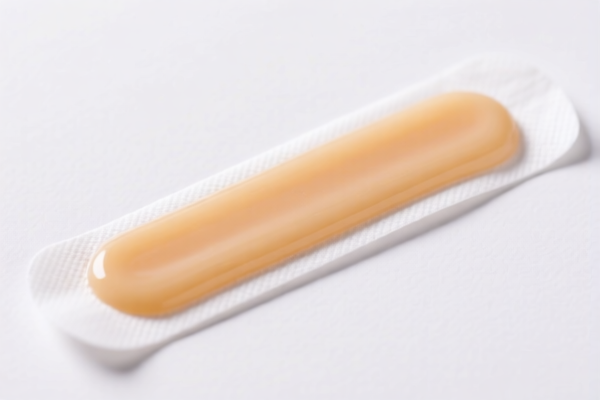
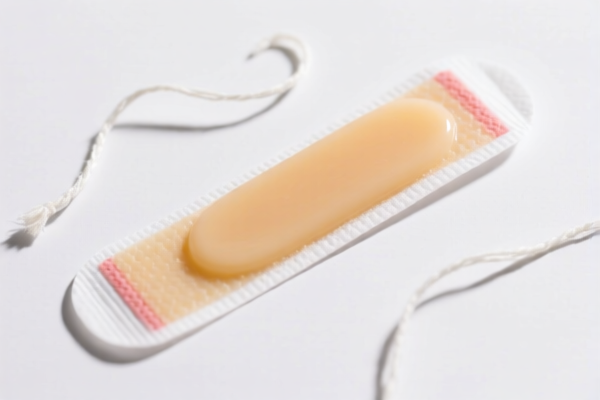
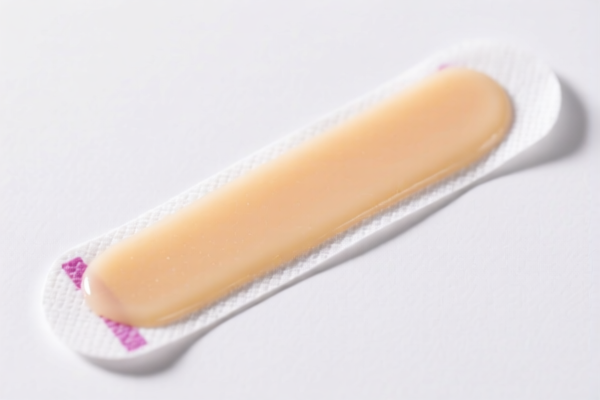
AI Analysis
🦷 Teeth Polishing Strip (Dental Polishers & Cosmetic Oral Care)
🌐 HS Code Reference & Customs Clearance Guide | 2026 Latest Tariff Analysis | Professional-Level Strategy
📌 I. Product Definition & Classification: Do You Really Understand "Teeth Polishing Strips"?
Teeth polishing strips are flexible, thin strips coated with abrasive materials (such as silica or calcium carbonate) and sometimes whitening agents (like hydrogen peride, though less common in pure "polishing" strips vs. "whitening" strips). In international trade, they are primarily categorized under Perfumery, Cosmetic or Toilet Preparations or Dental Instruments/Preparations, depending on their primary function and composition.
Key Distinction: * Cosmetic/Toiletry Polishing Strips: Primarily for cosmetic improvement (smoothing surface, mild whitening), often containing mild abrasives without significant medicinal whitening agents. These typically fall under Chapter 33. * Professional/Instrumental Dental Polishers: If used with specific dental handpieces or considered part of a dental instrument system, they might fall under Chapter 90. However, most consumer-facing "strips" are considered cosmetic preparations.
⚠️ Critical Classification Point:
- If the product is a stand-alone cosmetic strip for at-home use → Chapter 33 (Perfumery/Cosmetic Preparations)
- If it is a dental paste/powder in strip form for professional use with instruments → Chapter 90 (Dental Instruments/Preparations)
- Most common consumer "Teeth Polishing Strips" are classified under Chapter 33.
📦 II. HS Code Classification Details (2026 Latest Tariff Authority Reference)
Based on the provided data, the most relevant HS Codes for Teeth Polishing Strips are from Chapter 33 (Perfumery, Cosmetic or Toilet Preparations) and potentially Chapter 90 (Dental Instruments) if specified as professional dental use.
| HS Code | Product Description | Applicable Scenario | Contains Alcohol? | Tax Detail (China Origin to US) |
|---|---|---|---|---|
3307.90.00.00 |
Other perfumery, cosmetic or toilet preparations (Not elsewhere specified) | General cosmetic teeth polishing strips, whitening strips without specific sub-heading coverage | N/A | Base Tariff: 5.4% Additional Tariff: 25.0% Total Tax: 30.4% |
3307.10.10.00 |
Pre-shave, shaving or after-shave preparations; Pre-shave, shaving or after-shave preparations: Not containing alcohol | Note: This description is typically for shaving products, but may be incorrectly applied to dental strips if misclassified. However, some dental preparations are grouped here if specifically defined as "other" in certain national schedules. Caution: This code is explicitly for "Pre-shave, shaving or after-shave preparations" in the US HTSUS, but the provided data lists it under "Other". If the strip is considered a "toilet preparation" not elsewhere specified, 3307.90.00.00 is more accurate for general cosmetics. However, if the specific national classification groups certain dental pastes/strips under this heading, the tax is lower. |
❌ No Alcohol | Base Tariff: 4.9% Additional Tariff: 25.0% Total Tax: 29.9% |
9018.49.80.40 |
Other instruments and appliances used in dental sciences: Other Dental hand instruments and parts and accessories thereof | Professional dental polishing strips/pastes used with dental handpieces or in professional clinics | N/A | Base Tariff: 0.0% Additional Tariff: 0.0% Total Tax: 0.0% |
9018.49.80.80 |
Other instruments and appliances used in dental sciences: Other Other | Professional dental polishing preparations not classified elsewhere | N/A | Base Tariff: 0.0% Additional Tariff: 0.0% Total Tax: 0.0% |
🔍 Key Insight:
- Consumer Cosmetic Strips: Most consumer-grade teeth polishing strips (e.g., Colgate, Crest, or generic brands) are classified under3307.90.00.00(Other cosmetic preparations) or3307.10.10.00(if specifically classified as other toilet preparations not containing alcohol). The tax burden is ~30%. - Professional Dental Products: If the stripping/pasting is part of a professional dental instrument system or classified strictly as a dental instrument accessory, it may qualify for9018.49.80.40or9018.49.80.80, which have 0% tariff under the provided data. This is a significant cost-saving opportunity for B2B professional dental supplies.
💰 III. 2026 Latest Tariff Rate Breakdown (Including Surtaxes & Policy Add-ons)
✅ Applicable Country: United States (US)
✅ Country of Origin: China (CN)
✅ Effective Date: From November 10, 2025 (and subsequent imports)
🎯 1. 3307.90.00.00 — Other Perfumery, Cosmetic or Toilet Preparations
| Item | Content |
|---|---|
| Base Tariff Rate | 5.4% (ad valorem) |
| USITC Additional Tariff (Section 301) | +25.0% |
| Total Tariff Rate | 30.4% |
| Tariff Calculation | CIF Value × 30.4% |
| De Minimis Exemption Eligibility | ❌ Not Eligible (De minimis value is not applicable for these goods under current USITC rules for Chinese-origin cosmetics with Section 301 tariffs) |
| Legal Basis Path | USITC:3307.90.00.00 → FOOTNOTE:301.3307 |
📌 Explanation:
- The 25% additional tariff is imposed under Section 301 of the Trade Act of 1974 on products from China. - The 5.4% base tariff is the standard Most Favored Nation (MFN) rate for "Other" cosmetic preparations. - Total burden is 30.4%, which is significant for low-margin cosmetic products.
🎯 2. 3307.10.10.00 — Other Toilet Preparations (Not Containing Alcohol)
| Item | Content |
|---|---|
| Base Tariff Rate | 4.9% (ad valorem) |
| USITC Additional Tariff (Section 301) | +25.0% |
| Total Tariff Rate | 29.9% |
| Tariff Calculation | CIF Value × 29.9% |
| De Minimis Exemption Eligibility | ❌ Not Eligible |
| Legal Basis Path | USITC:3307.10.10.00 → FOOTNOTE:301.3307 |
📌 Note:
- Although the description mentions "Pre-shave...", some national tariff schedules may include certain dental toiletries here. If your product is classified here, the rate is slightly lower (29.9% vs. 30.4%). - Crucial: Ensure your product description and composition clearly align with this sub-heading to qualify. Misclassification can lead to penalties.
🎯 3. 9018.49.80.40 & 9018.49.80.80 — Dental Instruments/Preparations
| Item | Content |
|---|---|
| Base Tariff Rate | 0.0% |
| USITC Additional Tariff | 0.0% |
| Total Tariff Rate | 0.0% |
| Tariff Calculation | $0 |
| De Minimis Exemption Eligibility | N/A |
| Legal Basis Path | USITC:9018.49.80.40 / 9018.49.80.80 |
📌 Explanation:
- Zero tariff! This is a major advantage if your teeth polishing strips are marketed as professional dental instruments or parts/accessories for dental hand instruments. - Requirement: Must be used in a professional dental setting, often sold to clinics, and may require documentation proving their use with dental equipment.
🛠️ IV. Customs Clearance Practical Advice (Battle-Tested Pitfall Avoidance Guide)
✅ 1. Document Preparation Checklist (Non-Negotiable)
| Document | Required | Notes |
|---|---|---|
| ✅ Product Specification Sheet | ✔️ | Must detail composition (abrasives, binders), usage method, and intended use (cosmetic vs. professional). |
| ✅ Composition/Ingredient List | ✔️ | Critical for determining if it contains alcohol (affects 3307.10.10.00 classification). |
| ✅ Product Photos (Packaging & Strip) | ✔️ | Show branding, instructions, and physical appearance. |
| ✅ Commercial Invoice | ✔️ | Clearly state "Teeth Polishing Strip" and specify if it is for "Consumer Cosmetic Use" or "Professional Dental Use". |
| ✅ Certificate of Origin (CO) | ✔️ | To verify Chinese origin and apply appropriate Section 301 tariffs. |
| ✅ FDA Registration (If Applicable) | ✔️ | If marketed as a cosmetic, no FDA approval is needed, but facility registration is required. If marketed as a drug (e.g., contains peroxide above a threshold), FDA drug approval is needed. |
✅ 2. Declaration Strategy (Key Mantra)
🔥 “Cosmetic = 33%, Professional = 0%! Define Usage Clearly!”
| Scenario | Correct Declaration | Wrong Approach |
|---|---|---|
| At-Home Cosmetic Strip | HS Code: 3307.90.00.00Description: "Cosmetic Teeth Polishing Strip" |
Declaring as "Dental Instrument" → Risk of misclassification penalty |
| Professional Dental Strip | HS Code: 9018.49.80.40Description: "Dental Polishing Strip for Handpiece Use" |
Declaring as "Cosmetic" → Overpaying 30% tax |
| Strip with Whitening Agent (Drug) | May require FDA Drug Classification → Higher regulatory hurdle | Ignoring FDA drug rules → Shipment seized |
| Strip Not Elsewhere Specified | HS Code: 3307.90.00.00 |
Using vague terms like "Beauty Product" → Customs delay |
✅ 3. Special Cases Handling
| Case | Handling Advice |
|---|---|
| OEM Private Label | Provide brand authorization and manufacturing contract. Ensure product description matches the physical item. |
| Strip with Peroxide (Whitening Claim) | If hydrogen peroxide concentration exceeds cosmetic limits, it may be classified as a Drug (Chapter 30), not a Cosmetic. This triggers FDA drug approval. Check concentration levels! |
| B2B Professional Sale | Clearly state "For Professional Use Only" on packaging and invoice. Provide dental license details of the buyer if requested. |
| Import for Personal Use | De minimis exemption ($800) may apply if shipped via courier, but Section 301 tariffs are NOT waived for de minimis shipments from China. |
🌍 V. Global Market Comparison (2026 Latest)
| Country/Region | Recommended HS Code | Tariff Rate | Certification Requirements | Notes |
|---|---|---|---|---|
| 🇺🇸 USA | 3307.90.00.00 (Cosmetic)9018.49.80.40 (Professional) |
30.4% (Cosmetic) 0% (Professional) |
FDA Facility Registration (Cosmetic) FDA Drug Approval (if peroxide > cosmetic limit) |
Section 301 tariff is key differentiator. |
| 🇨🇳 China | 3307.90.00.00 |
5-7% (Estimated) | NMPA Filing (Cosmetic) | Lower base tariff, no Section 301. |
| 🇪🇺 EU | 3307.90.90 |
4% - 6% | CPNP Notification (Cosmetic) | No Section 301. EPR requirements apply. |
| 🇯🇵 Japan | 3307.90.900 |
4% - 8% | PMDA Notification (if functional claims) | Strict labeling requirements. |
📌 Conclusion:
- USA has the highest effective tariff for cosmetic teeth polishing strips from China (30.4%) due to Section 301. - Professional Dental classification offers 0% tariff in the USA, making it a highly attractive channel for B2B sales. - Cosmetic channels are subject to high tariffs, so cost structure must reflect this.
📌 VI. Common Mistakes & Pitfall Avoidance (Lessons Learned)
❌ Mistake 1: Classifying cosmetic strips as "Dental Instruments" to avoid tariffs
👉 Consequence: Customs audit reveals mismatch between product description and HS Code → Penalties + Back Taxes + Shipment Delay
❌ Mistake 2: Ignoring FDA Drug Classification for whitening strips
👉 Consequence: If the strip contains high-percentage peroxide, it is a Drug, not a Cosmetic. Failure to register with FDA → Shipment Seized & Destroyed
❌ Mistake 3: Vague Description ("Beauty Strip")
👉 Consequence: Customs cannot determine proper classification → Manual Examination → Higher Duty & Delays
✅ Correct Approach:
"Teeth Polishing Strip, Cosmetic Use, Silica-Based Abrasive, No Peroxide, Model XYZ, FDA Registered Facility"
🎯 VII. Conclusion: Smart Classification, Lower Costs, Faster Clearance
🎯 Key Takeaway Mantra:
🔹 "Cosmetic = 30.4%, Professional = 0%! Know Your Use Case!"
🔹 "FDA Drug Rules Apply to High Peroxide! Don't Get Caught!"
🔹 "Section 301 Tariffs Are Real for China-Origin Cosmetics!"
📌 Pro Tip:
- If your teeth polishing strips are professional-grade and sold to dental clinics, push for classification under 9018.49.80.40 to save 30.4% in tariffs.
- If they are consumer cosmetics, budget for 30.4% tariffs and ensure FDA Cosmetic Facility Registration is in place.
- Always provide clear product specifications and intended use in commercial invoices to avoid customs disputes.
📣 Immediate Action:
📞 Consult a Customs Broker to confirm the best HS Code for your specific product formulation.
🚀 Optimize Your Supply Chain by choosing the right classification from day one to maximize profits.
✨ Professional Clearance Starts with Accurate Classification!
💼 Every Tariff Point Saved is Pure Profit!
Customer Reviews
About HS Code Classification
The Harmonized System (HS) is an internationally standardized nomenclature developed by the World Customs Organization (WCO) to classify traded products. Over 200 countries use the HS system as the basis for customs tariffs, trade statistics, and import/export regulations.
Each HS code follows a hierarchical structure:
- Chapter (2 digits) — Broad category of goods (e.g., Chapter 84: Machinery and Mechanical Appliances)
- Heading (4 digits) — More specific grouping within the chapter
- Subheading (6 digits) — Internationally standardized breakdown, used by all WCO member countries
- National subdivisions (8-10 digits) — Country-specific extensions for further classification, such as US HTSUS 10-digit codes
Correct HS code classification is essential for smooth customs clearance, accurate duty payment, and compliance with trade regulations. Misclassification can lead to customs delays, overpayment of duties, or penalties.
When importing from CN to US, the applicable tariff rates may include:
- Most-Favored-Nation (MFN) rate — The standard duty rate applied to WTO members
- General rate — Applied to countries without trade agreements
- Trade remedy duties — Additional tariffs such as Section 301 (anti-dumping), Section 232 (national security), or countervailing duties
The information provided on this page is for reference purposes only. For official classification, please consult with your local customs authority or a licensed customs broker.